
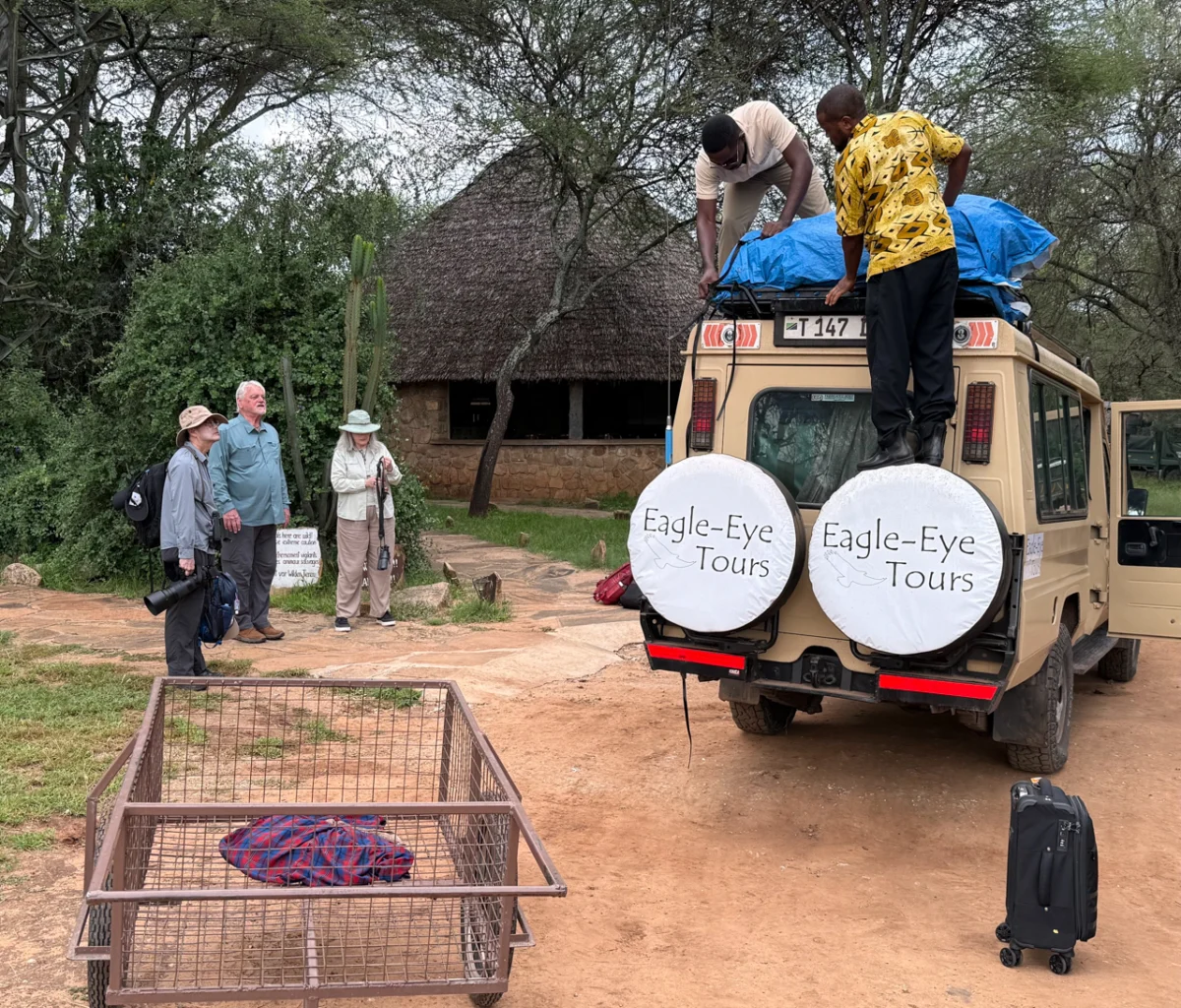
The northern safari circuit of Tanzania remains one of the most significant biodiversity corridors on the planet, offering a unique intersection of avian and mammalian density that peaks during the transition into the "Green Season." Recent field observations from a comprehensive two-week expedition in late April underscore the region’s status as a premier destination for discerning naturalists, revealing a total of nearly 380 bird species and over 40 mammal species. Despite the traditional classification of April as the period of "Long Rains," the ecological rewards of this season—ranging from vibrant nuptial plumages in birds to an explosion of insect and amphibian life—provide a compelling case for the continued promotion of Tanzania’s northern reserves during the shoulder months.
The Avian Zenith: Record Sightings in the Ngorongoro Crater
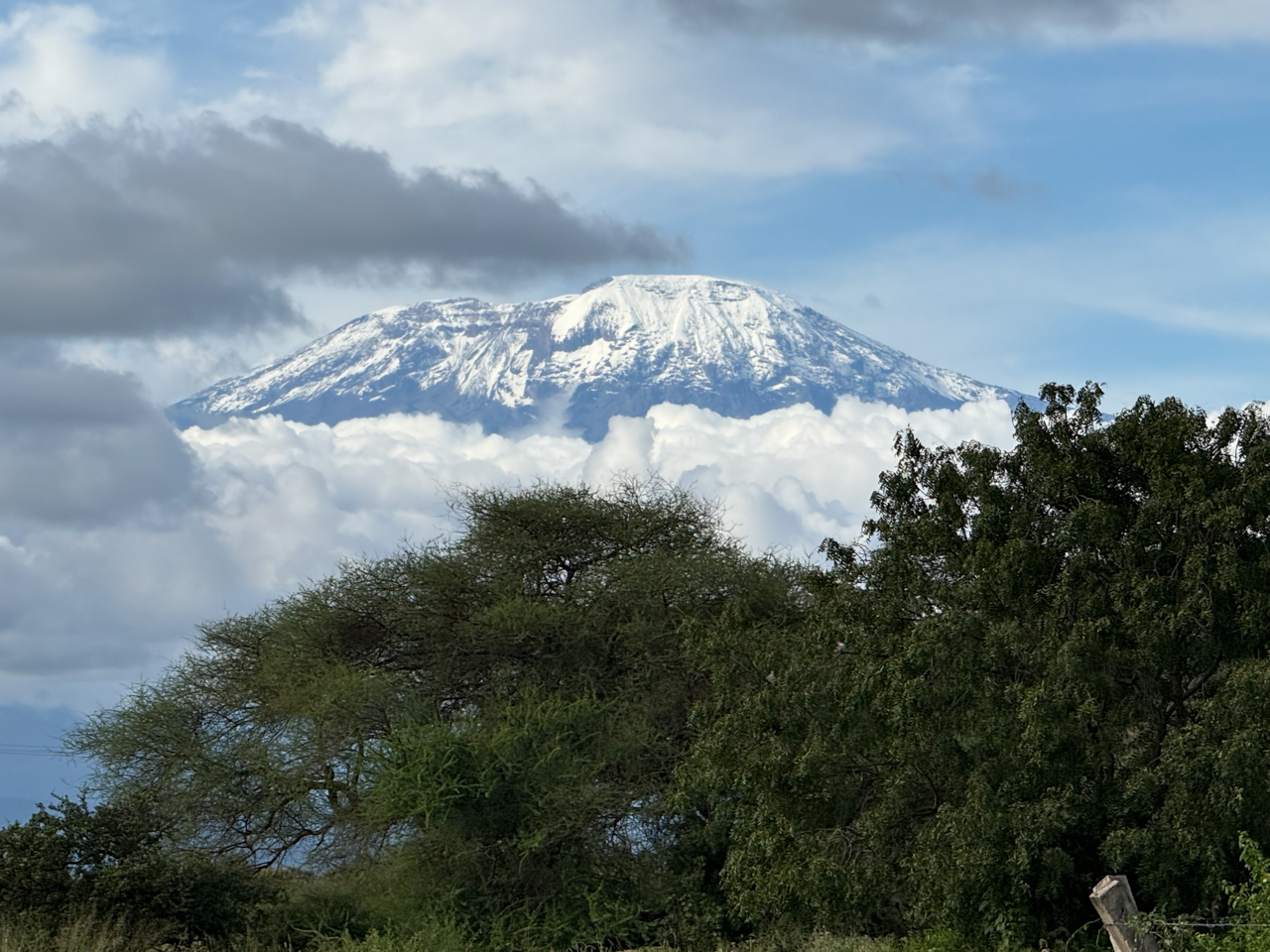
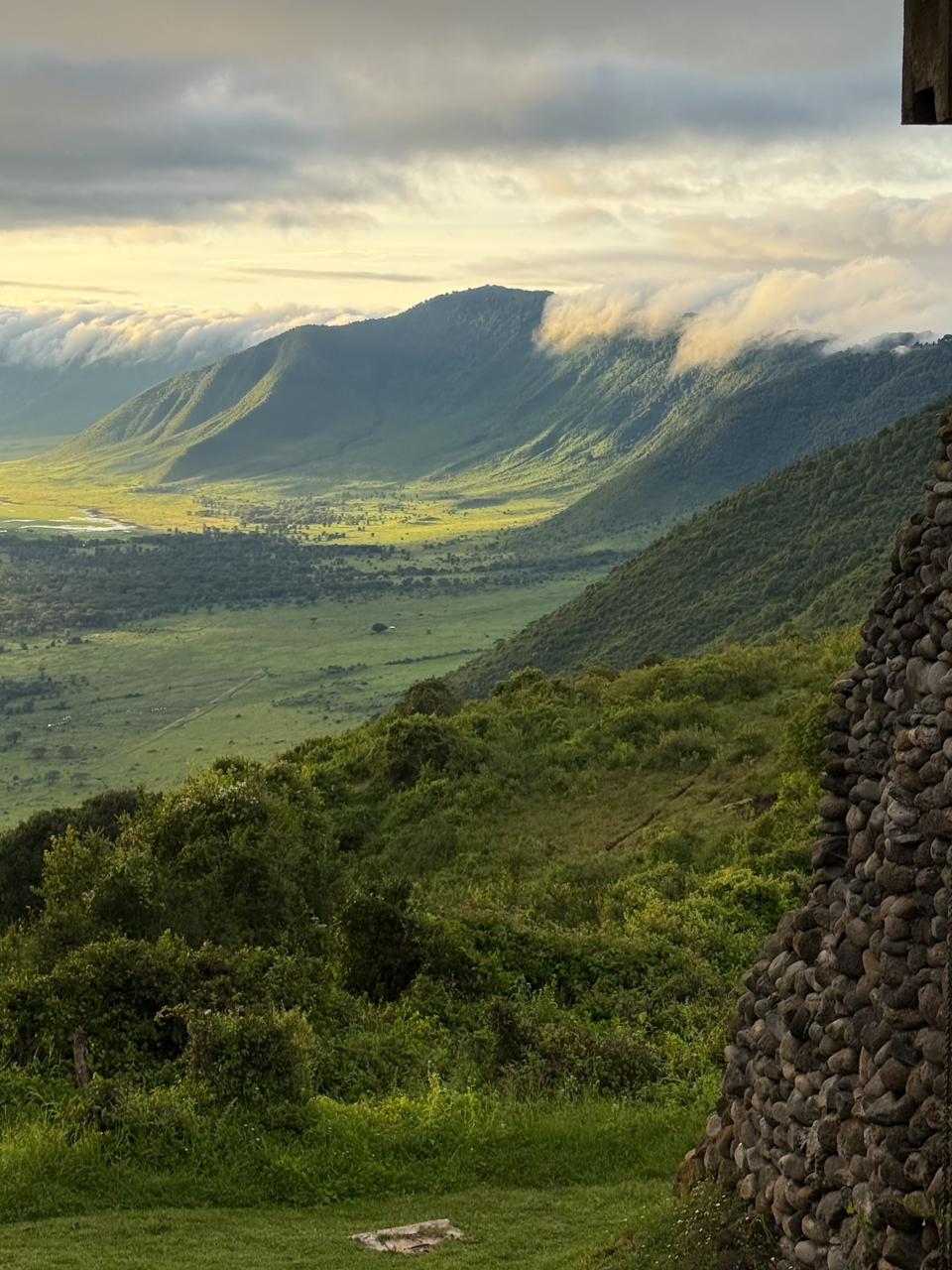
The expedition’s focal point was the Ngorongoro Crater, a UNESCO World Heritage site and the world’s largest inactive, intact, and unfilled volcanic caldera. Standing approximately 600 meters below the mist-draped rim, the crater floor serves as a microcosm of East African ecology. During a single eight-hour observation window, the group recorded 134 distinct species of birds. This high concentration is attributed to the diverse habitats contained within the 260-square-kilometer floor, including alkaline lakes, fever tree forests, and short-grass plains.
For ornithologists, the April timeframe is particularly significant because it coincides with the breeding season for many passerines. The abundance of resources following the onset of the rains triggers the development of nuptial plumage among seed-eating species. Notable observations included multiple species of whydahs, characterized by their elaborate and elongated tail feathers, and a variety of weavers (family Ploceidae) displaying complex yellow and black patterns. The group also documented 11 species of sunbirds and 10 species of swallows, highlighting the evolutionary diversity of these lineages within the African continent.
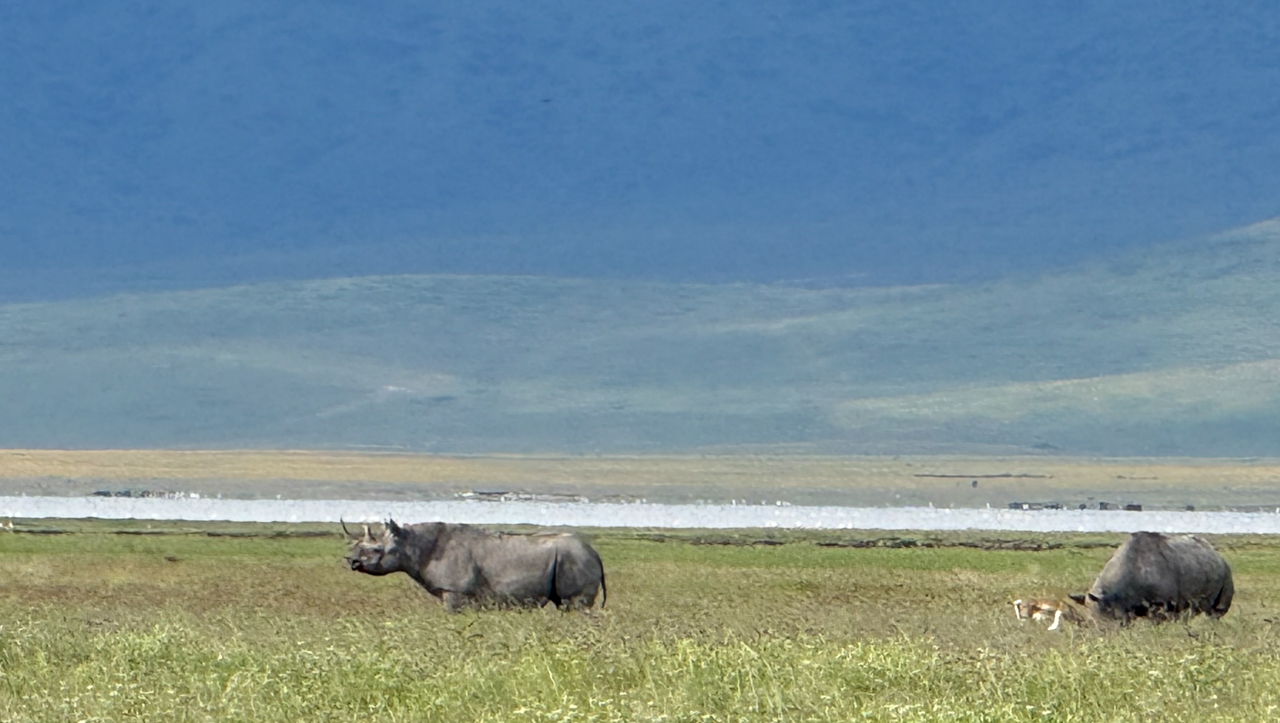
The "Big Day" in the Ngorongoro Crater is often used as a benchmark for the success of a Tanzanian safari. The ability to witness over 130 species in a single day reflects not only the density of the wildlife but also the stability of the crater’s ecosystem, which continues to support large populations of resident birds alongside seasonal migrants.
Mammalian Dynamics and the Elusive Leopard
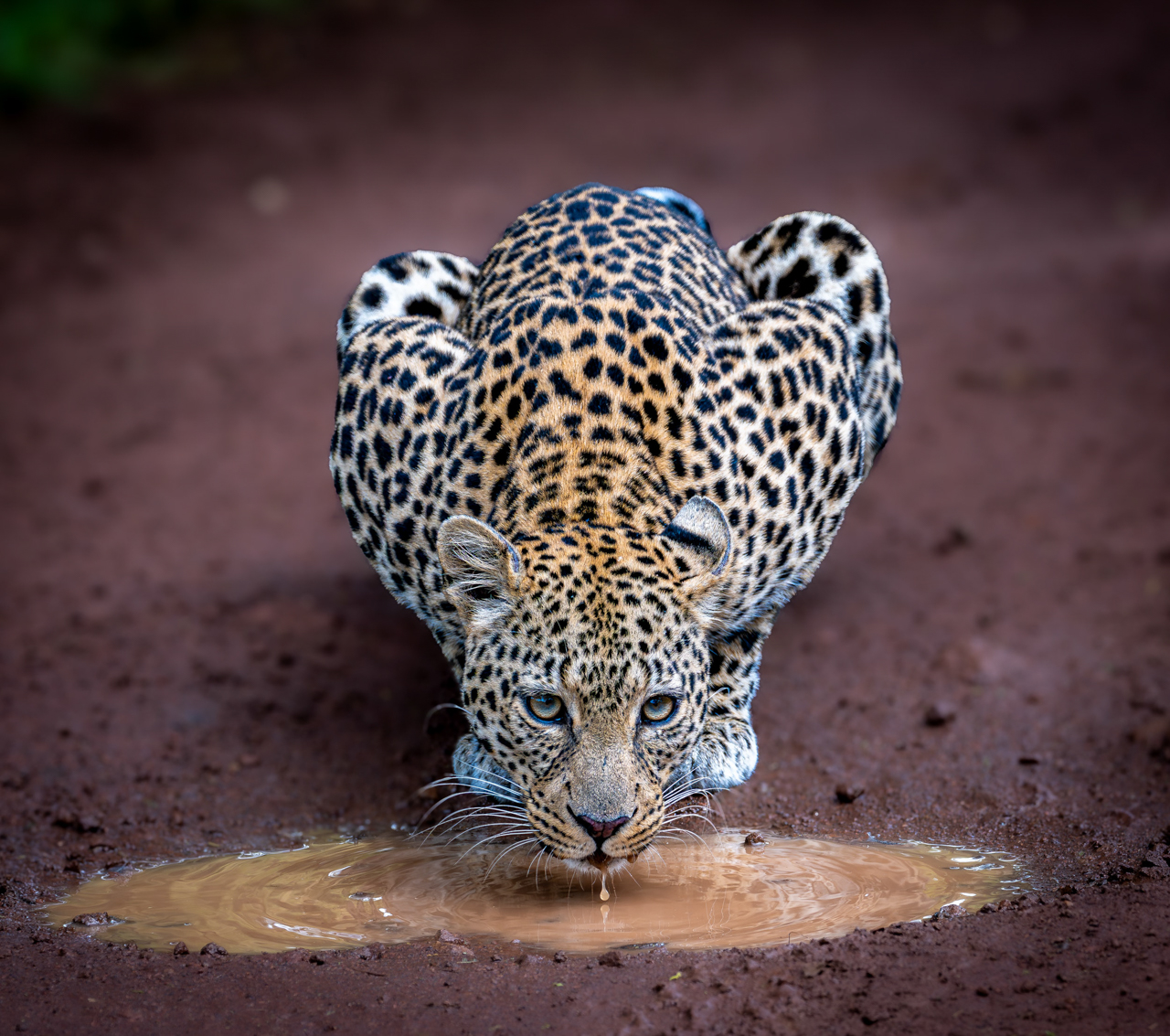
While birding remains a primary draw for specialized tours, the mammalian sightings during the April circuit provided critical data on predator behavior and population health. The expedition recorded 18 lions and five separate leopard sightings. The leopard (Panthera pardus), known for its secretive and solitary nature, is often the most difficult of the "Big Five" to observe. One particularly noteworthy encounter involved a male leopard observed drinking from a rainwater puddle on the road above the Ngorongoro Crater, providing a rare opportunity to document the species outside of its typical dense cover.
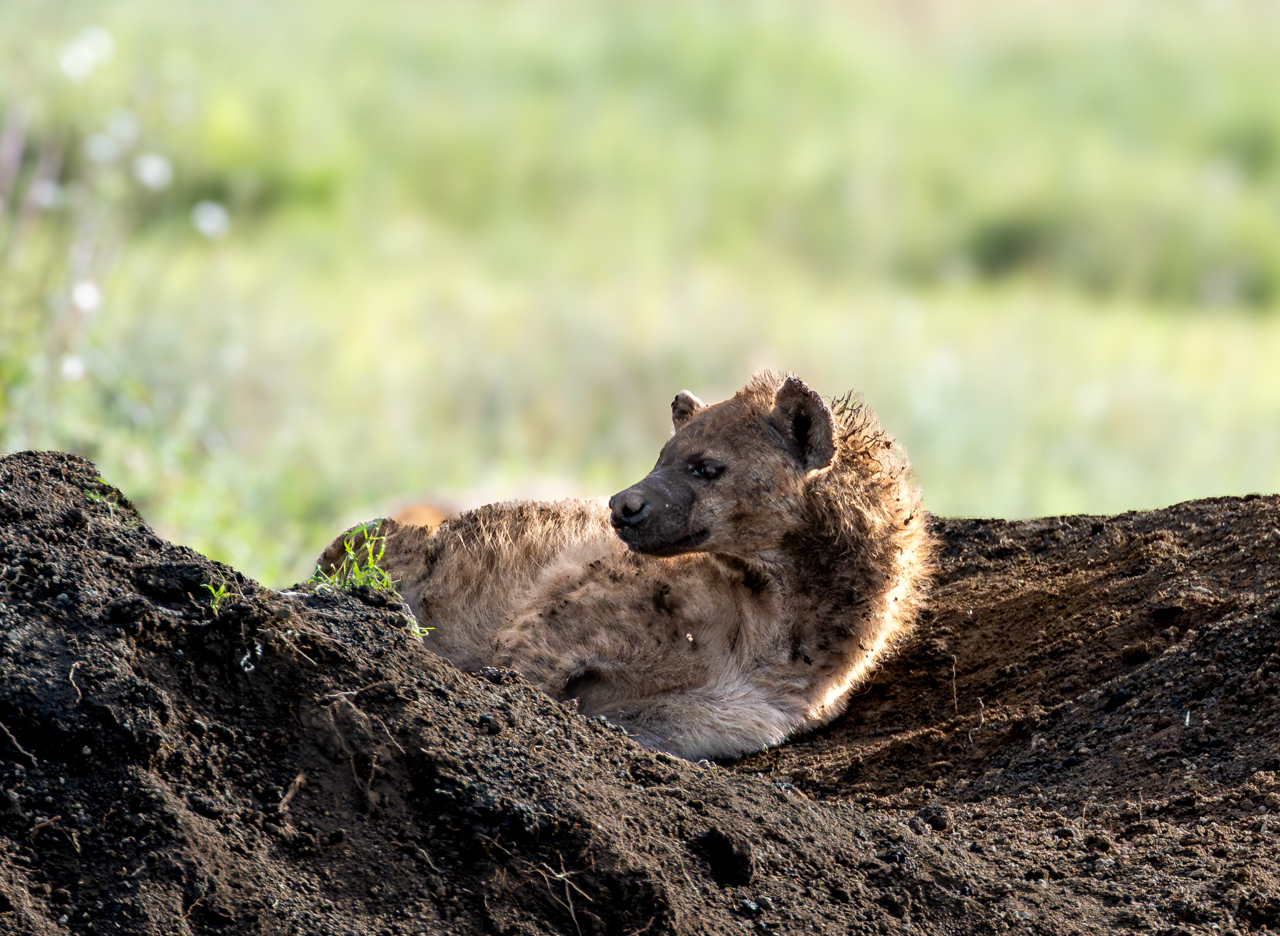
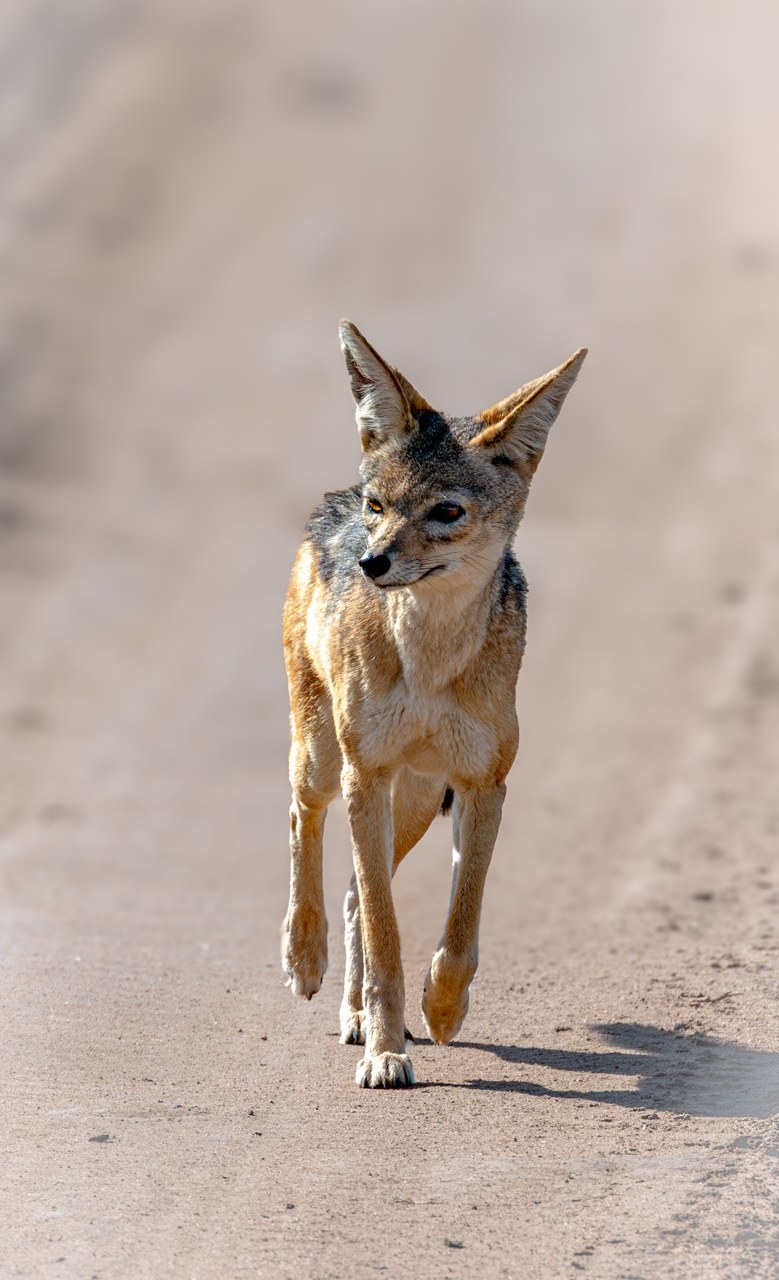
In the Serengeti, the group encountered spotted hyenas foraging near the central camps. The vocalizations and social interactions of these apex predators in the early morning hours offered insights into the competitive hierarchy of the savanna. Other significant mammal sightings included the African Golden Wolf and the Black-backed Jackal, particularly around the Lake Ndutu region on the edge of the Serengeti’s short-grass plains.
The expedition also highlighted the evolutionary curiosities of the region, such as the coexistence of two species of hyraxes near Seronera. Despite their small, rodent-like appearance, hyraxes are the closest living relatives to the elephant (Loxodonta africana), a fact that underscores the complex taxonomic history of Africa’s fauna. The presence of primates, including the pied Colobus monkeys, and secretive cats like the Serval, further illustrated the ecological layers of the northern circuit.
Environmental Context: The Shift to the Green Season
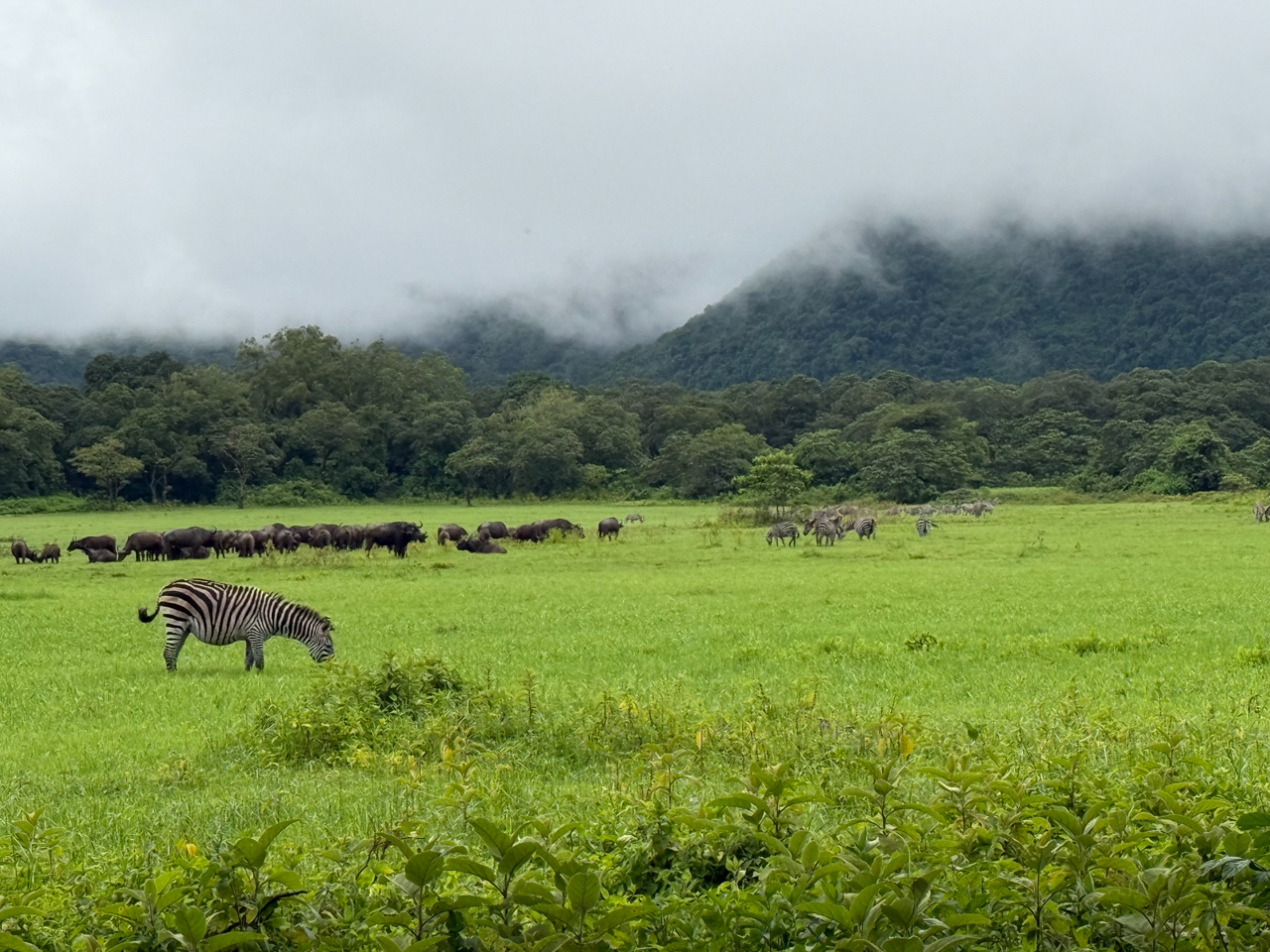
The timing of the safari in late April placed it firmly within the "Green Season." Historically referred to as the "Long Rains," this period has seen increasing unpredictability over the last three decades, a trend that climate scientists attribute to broader shifts in Indian Ocean moisture patterns. On this specific expedition, the rains were reported to have hampered activities on only one morning in the Ndutu region, which prevented the sighting of cheetahs—a species that relies on high-speed chases across dry, short-grass plains.
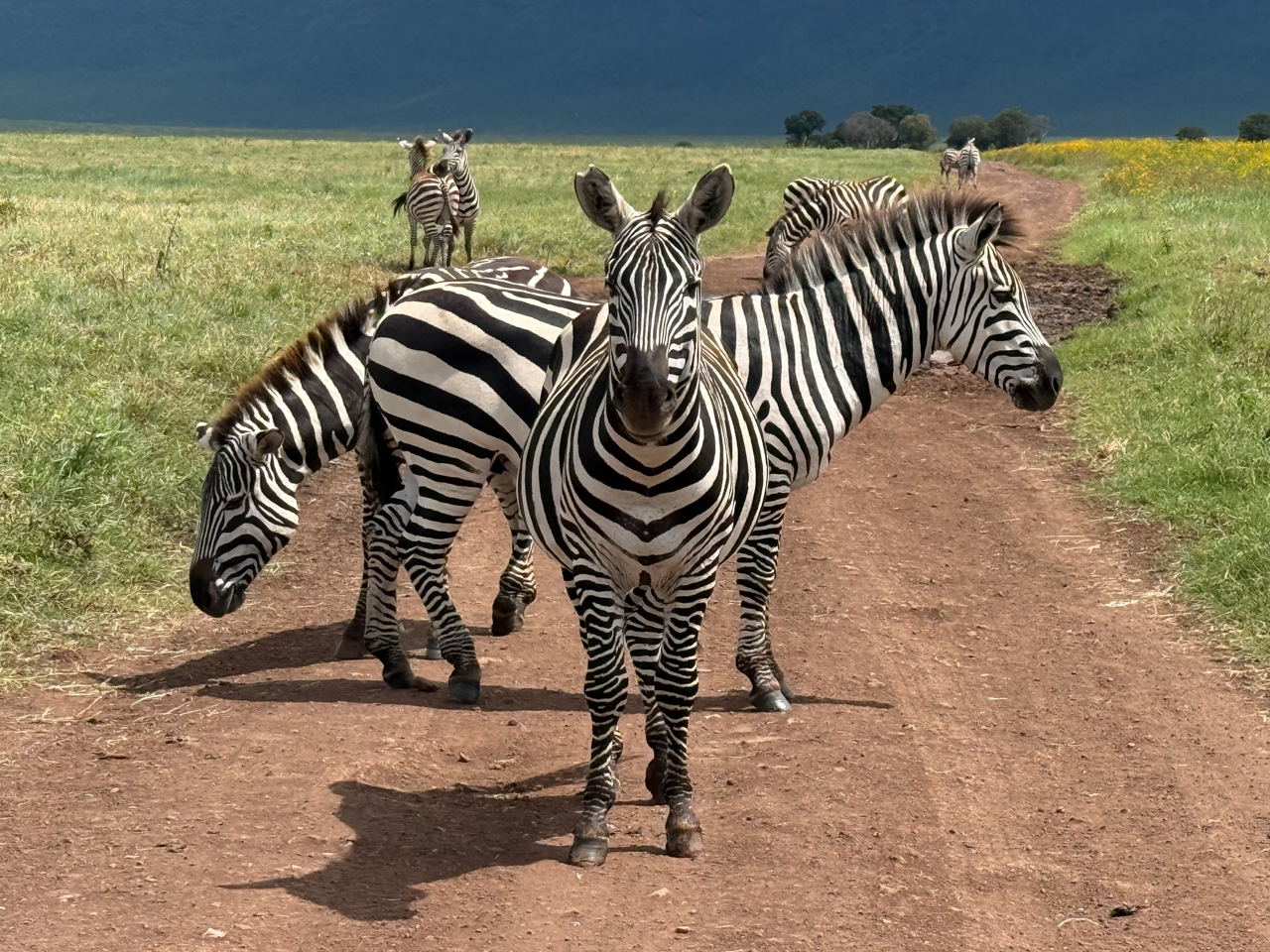
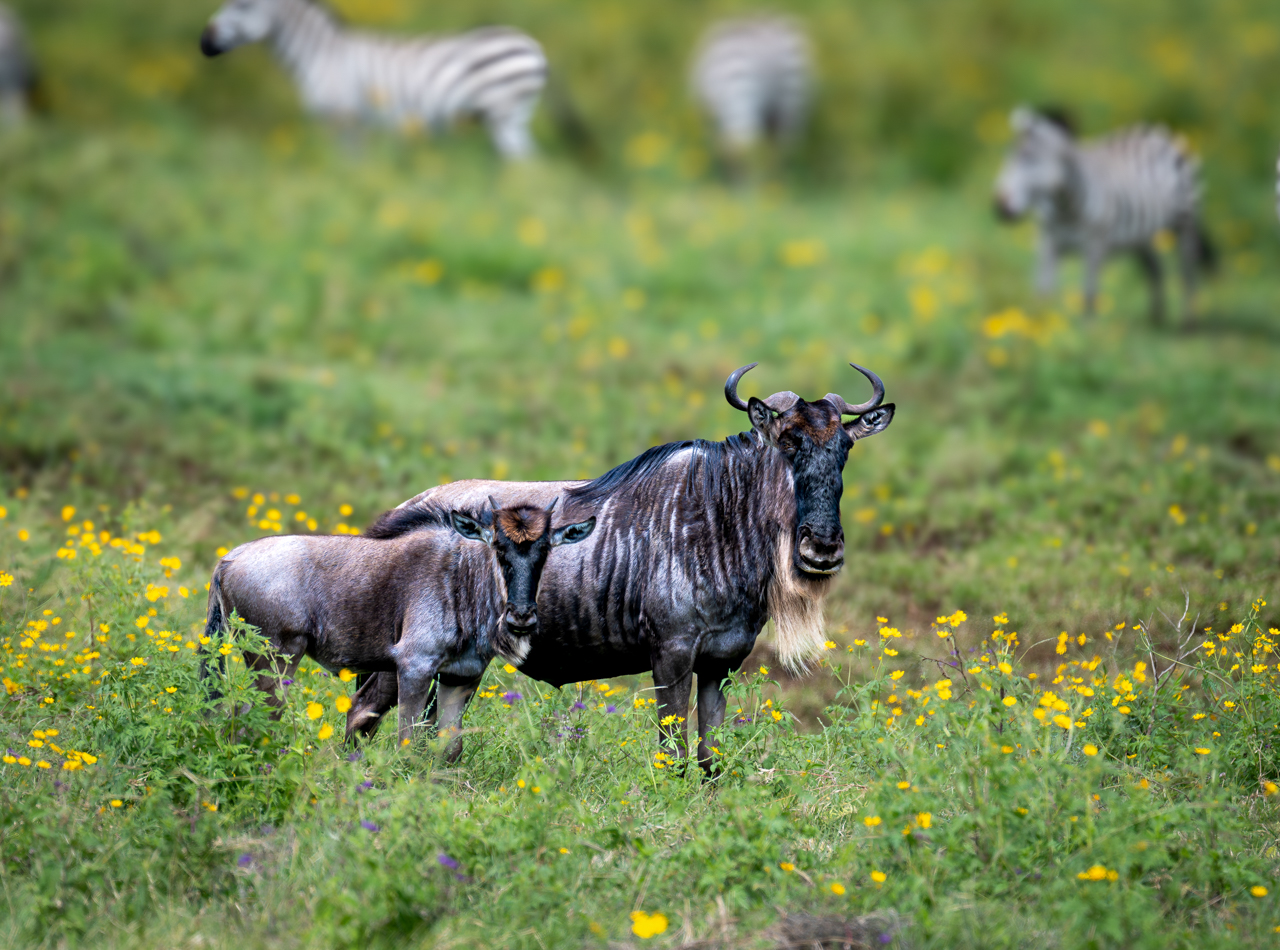
However, the "Green Season" compensations are significant. The influx of moisture revitalizes the landscape, leading to a surge in the populations of butterflies, dragonflies, amphibians, and reptiles. For long-term observers of Tanzanian ecology, these groups provide a "wonder" that is often missing during the dusty, more popular dry season. The landscape becomes a "kaleidoscope of images," with flower-filled grasslands in Tarangire National Park providing a lush backdrop for displaying bustards and other grassland specialists.
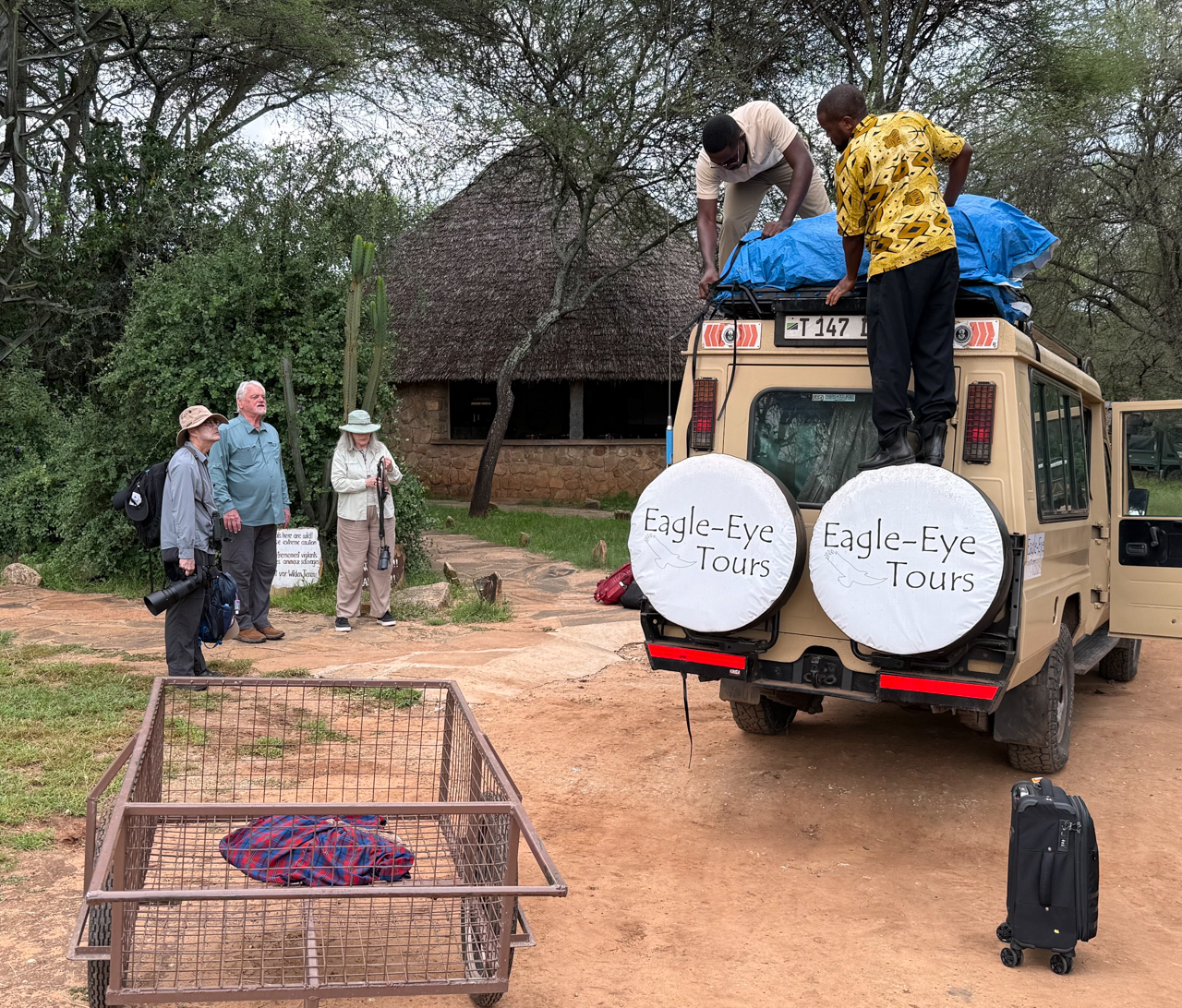
Chronology of the Northern Circuit Expedition
The two-week itinerary followed a strategic path through the major ecological zones of Northern Tanzania:
- Arrival and KIA Lodge: The journey commenced at the Kilimanjaro International Airport (KIA) Lodge. This location serves as an immediate introduction to East African avian life, with species ranging from the tiny Collared Sunbird to the massive Kori Bustard visible on the lodge grounds.
- Arusha and Endoro Forest: Moving into the moist eastern slopes of the Crater Highlands, the group conducted a forest walk in Endoro. This habitat yielded "bird waves"—mixed-species foraging flocks that are characteristic of tropical cloud forests. Notable sightings here included the Narina Trogon.
- The Ngorongoro Crater: Following the highlands, the group descended into the crater for the aforementioned "Big Day" of birding and predator observation.
- The Serengeti and Ndutu: The expedition then moved into the vast Serengeti plains and the Ndutu woodlands. This phase focused on large carnivores and the unique flora of the short-grass plains.
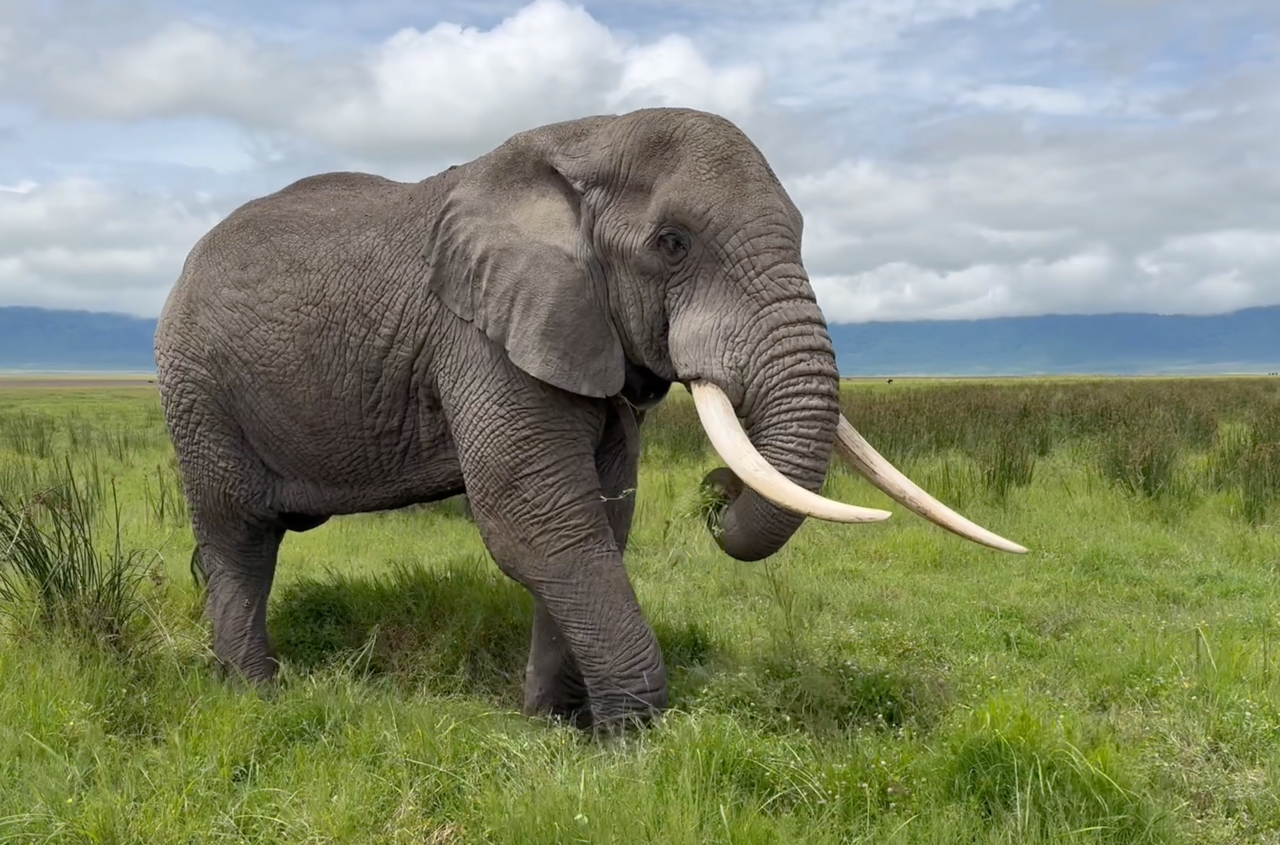
- Tarangire National Park: The circuit concluded in Tarangire, famous for its massive baobab trees and elephant herds. The grasslands here were in full bloom, allowing for close-up views of the Hartlaub’s Bustard in display.
Supporting Data and Species Diversity
The final tally of the expedition reflects the high yield of the northern circuit during the shoulder season:
- Total Bird Species Identified: ~380
- Individual Client Sightings: ~360
- Key Bird Families: Laniidae (8 species of shrikes), Nectariniidae (11 species of sunbirds), Hirundinidae (10 species of swallows), and Accipitridae (numerous eagles, vultures, and goshawks).
- Mammal Species: 40+
- Notable Predators: 18 Lions, 5 Leopards, Spotted Hyenas, Serval, African Golden Wolf, and Black-backed Jackal.
The data suggests that while some "charismatic megafauna" like the cheetah might be harder to spot due to the tall grass and mud, the overall species richness is higher in April due to the presence of breeding birds and active ectotherms (reptiles and insects).
Analysis of Tourism and Conservation Implications
The report from this safari carries broader implications for Tanzania’s tourism industry and conservation efforts. The guide, James Wolstencroft, who lived in Tanzania for twelve years, noted that while "the fingers of human progress" are visible in the form of road development and encroaching settlements, the core national parks remains largely unspoiled.
The shift in marketing from "Long Rains" to "Green Season" is a deliberate move by the Tanzanian tourism sector to stabilize year-round revenue. Historically, tourism dropped significantly in April and May. However, as this expedition proves, the ecological value of the parks during this time is arguably higher for serious naturalists. The reduced number of vehicles in the parks during April also results in a more intimate and less intrusive viewing experience, which is beneficial for both the tourists and the wildlife.
Furthermore, the observation of rare events—such as Secretary-birds nesting in low acacia trees beside public roads in the Grumeti Conservancy—highlights the importance of maintaining buffer zones and conservancies outside the primary national park boundaries. These areas act as critical overflow habitats for birds and mammals alike.
Conclusion: A Unique Window into East African Ecology
The findings from the late April safari confirm that Northern Tanzania remains an unparalleled destination for wildlife observation, even during periods of climatic transition. The combination of high species counts, rare predator encounters, and the vibrant aesthetics of the Green Season offers a "unique adventure" that differs substantially from the traditional dry-season safari.
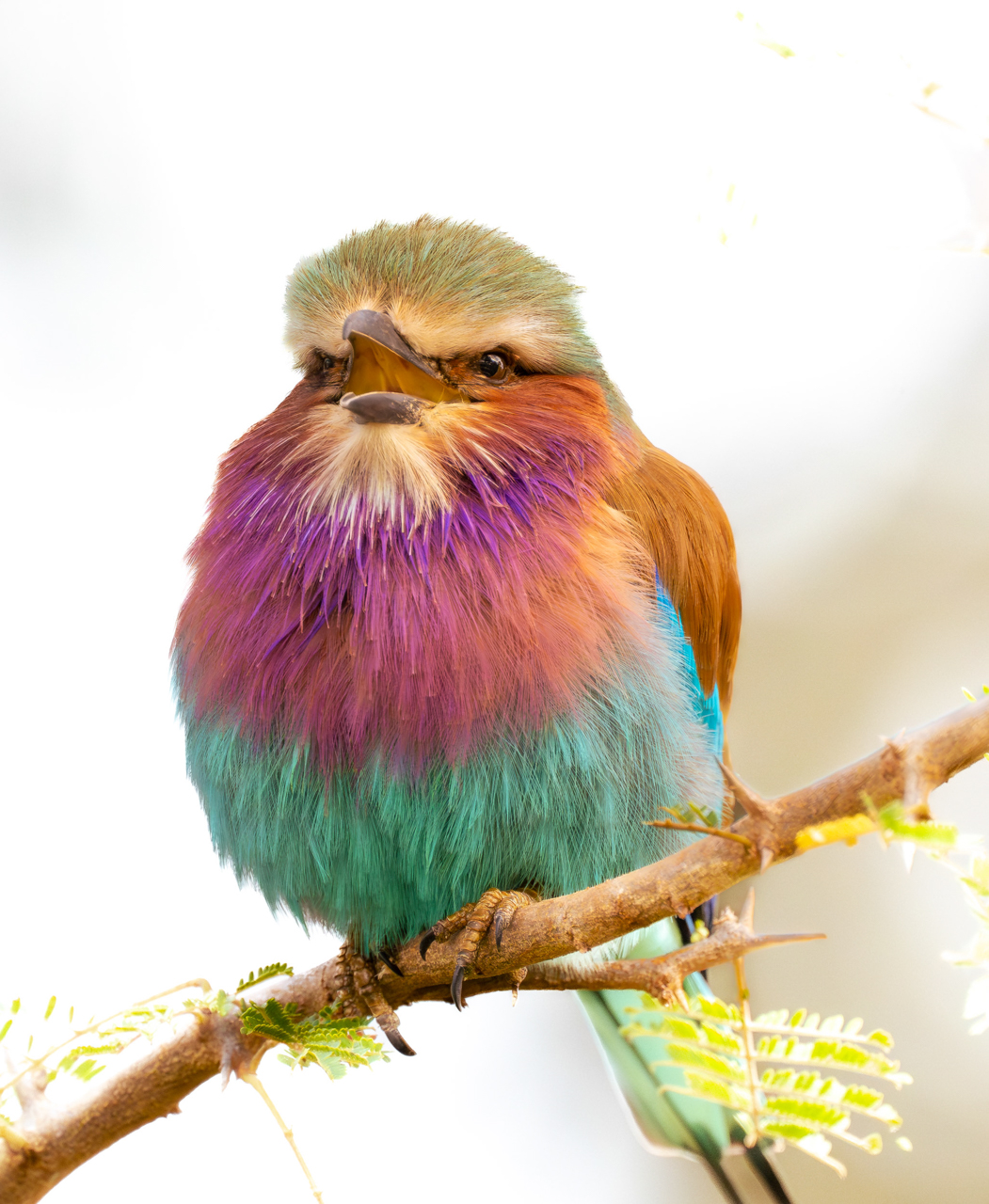
As climate patterns continue to evolve, the ability of guides and tour operators to adapt to the "Green Season" will be crucial. For the participants of this expedition, the result was a "kaleidoscope of images" and a deep data set that reinforces the necessity of protecting the Northern Circuit’s diverse habitats. From the "pom-pom" displays of the Black Bishop to the graceful movements of a leopard in the morning mist, the April safari provides a vivid, high-definition look at the resilience and beauty of the Tanzanian wilderness.
