

The remote regions of southern Argentina and Chile have long served as a primary destination for ecological researchers and landscape photographers, yet the shifting dynamics of global travel and environmental change are redefining the experience of these wilderness areas. A recent expedition through the Santa Cruz Province of Argentina and the Magallanes Region of Chile has highlighted the intersection of extreme weather patterns, avian biodiversity, and the evolving logistics of high-end eco-tourism. Following a period of global health-related travel disruptions, the tourism sector in Patagonia is seeing a rise in highly personalized, small-scale expeditions. This shift was exemplified by a recent photo tour led by veteran guide Steve Ogle, which, due to late-stage cancellations, transitioned into a private technical study of the region’s most iconic landmarks and elusive species.
The Argentine Sector: Glaciology and Montane Ecology
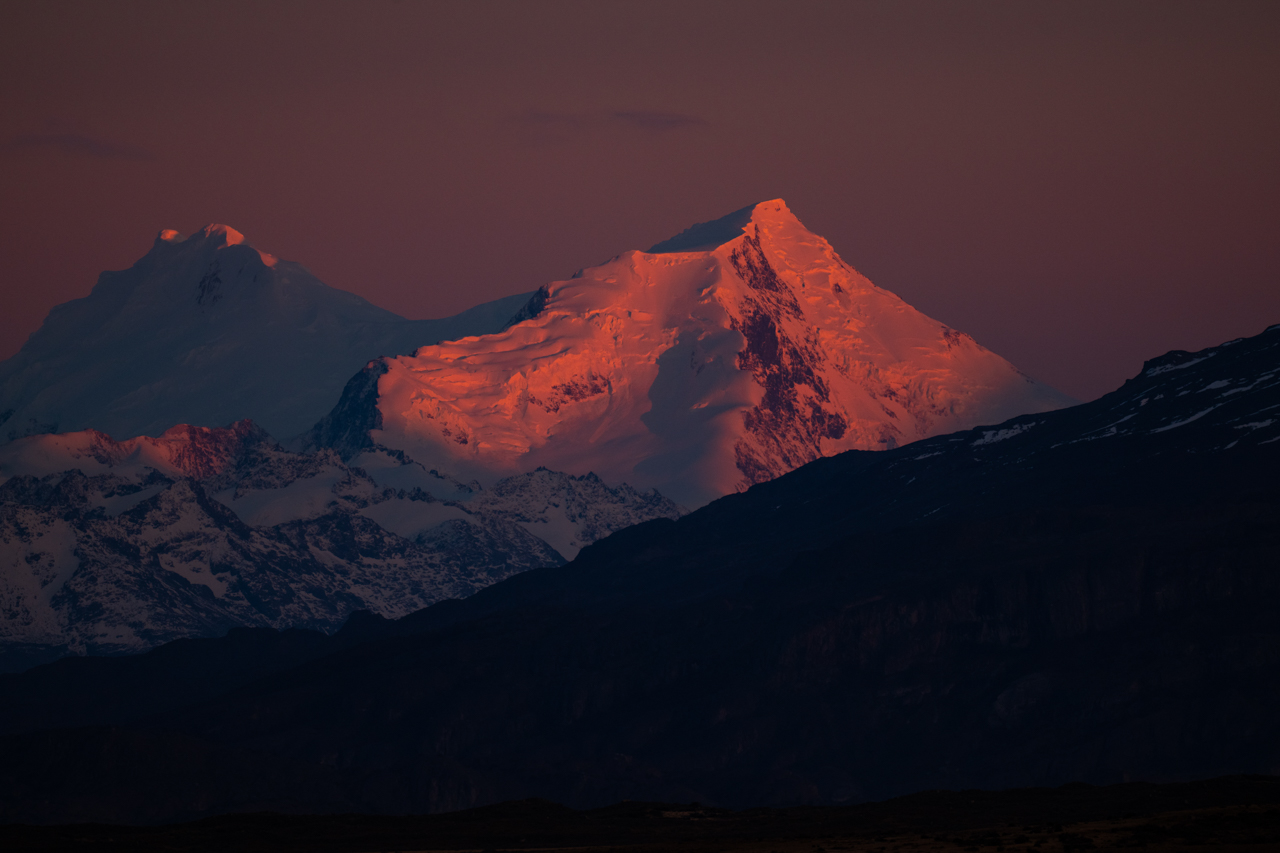
The expedition commenced in El Calafate, the gateway to Los Glaciares National Park. Meteorological data for the region often indicates volatile transitions between heavy precipitation and clear skies, a phenomenon driven by the proximity of the Southern Patagonian Ice Field and the Andean rain shadow. Upon arrival, the landscape exhibited the immediate aftermath of heavy snow and rain, followed by a rapid transition to high-pressure solar conditions. This volatility is a hallmark of the Patagonian climate, which governs both the biological cycles of local fauna and the logistical windows available for professional photography.
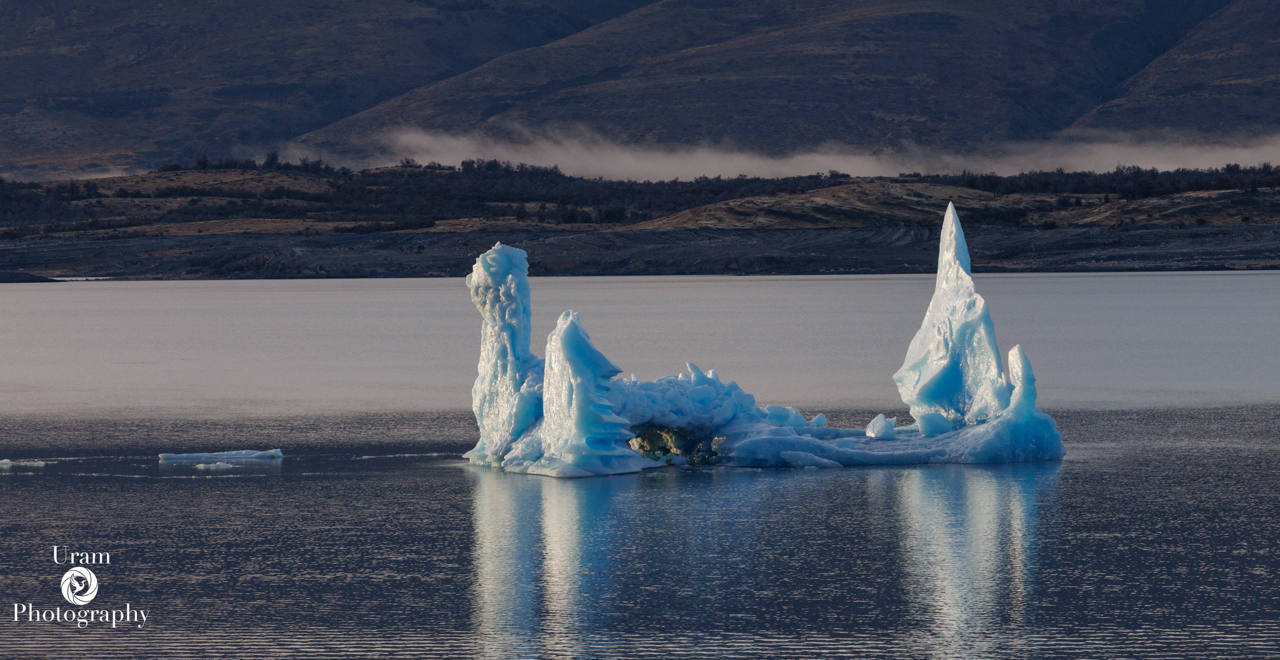
A primary focus of the Argentine leg was the Perito Moreno Glacier. Unlike many of the world’s glaciers, Perito Moreno is historically noted for its relative stability; however, recent observations noted by long-term researchers and guides indicate subtle shifts in its terminus. On this expedition, it was observed that the glacier’s front was at its furthest point from the primary viewing platforms in over two decades. This observation aligns with broader glaciological concerns regarding the long-term impacts of rising temperatures on the Southern Patagonian Ice Field, which is the world’s second-largest contiguous extrapolar ice field.

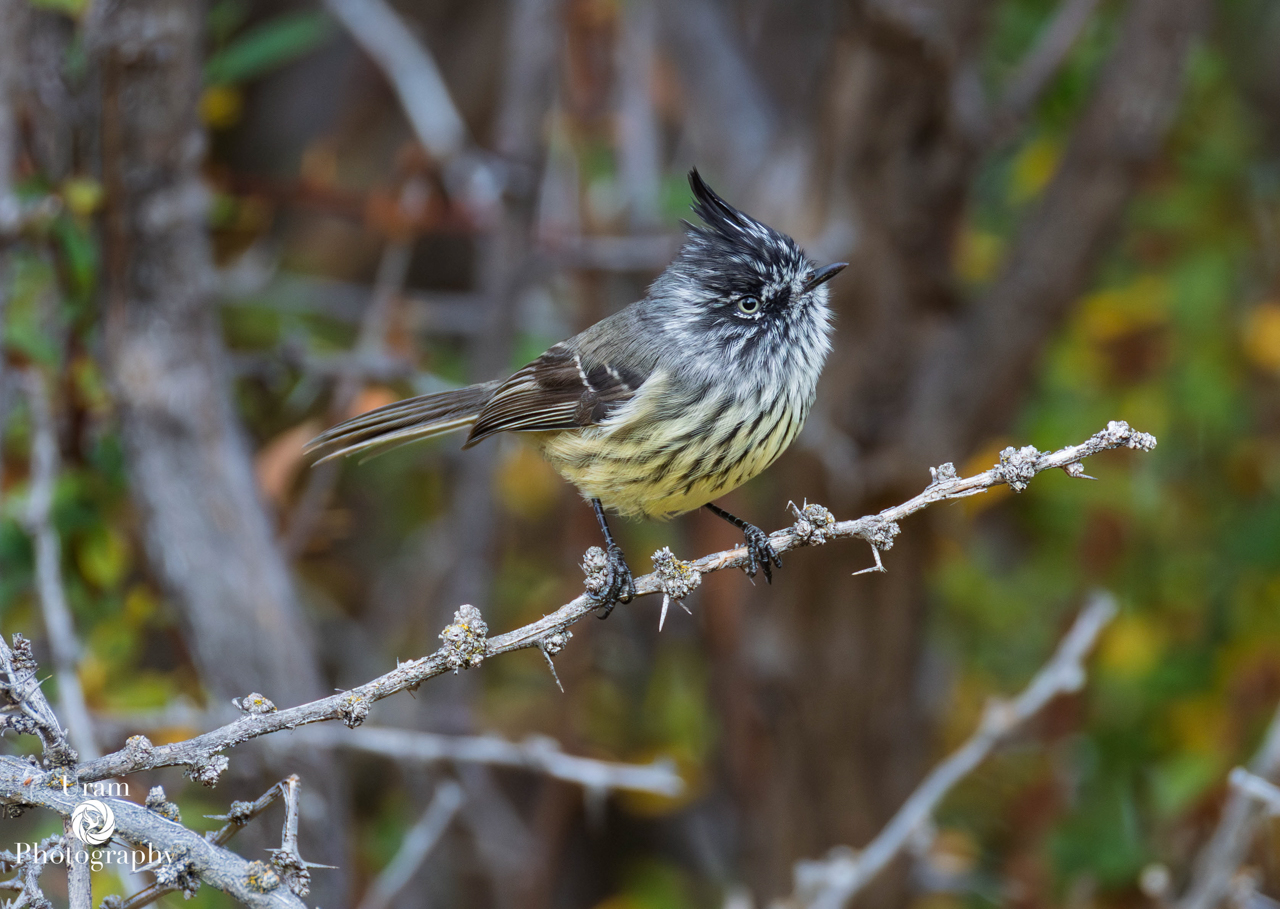
Beyond the ice, the expedition documented significant avian activity. The Patagonian Tyrant (Colorhamphus parvirostris), typically an elusive species, was observed in unusually large flocks. Other notable sightings included the Austral Parakeet (Enicognathus ferrugineus)—the world’s southernmost parrot species—and the Tufted Tit-Tyrant (Anairetes parulus). The presence of these species in the deciduous lenga forests (Nothofagus pumilio) during the peak of autumn provided a unique data set on the timing of seasonal migrations and foraging behaviors.
Chronology of the Northern Ascent to El Chaltén
Following the documentation of Los Glaciares, the expedition moved north to El Chaltén, a village situated at the base of the Fitz Roy massif. The focus here shifted to high-altitude trekking and the documentation of the Cerro Torre spire.
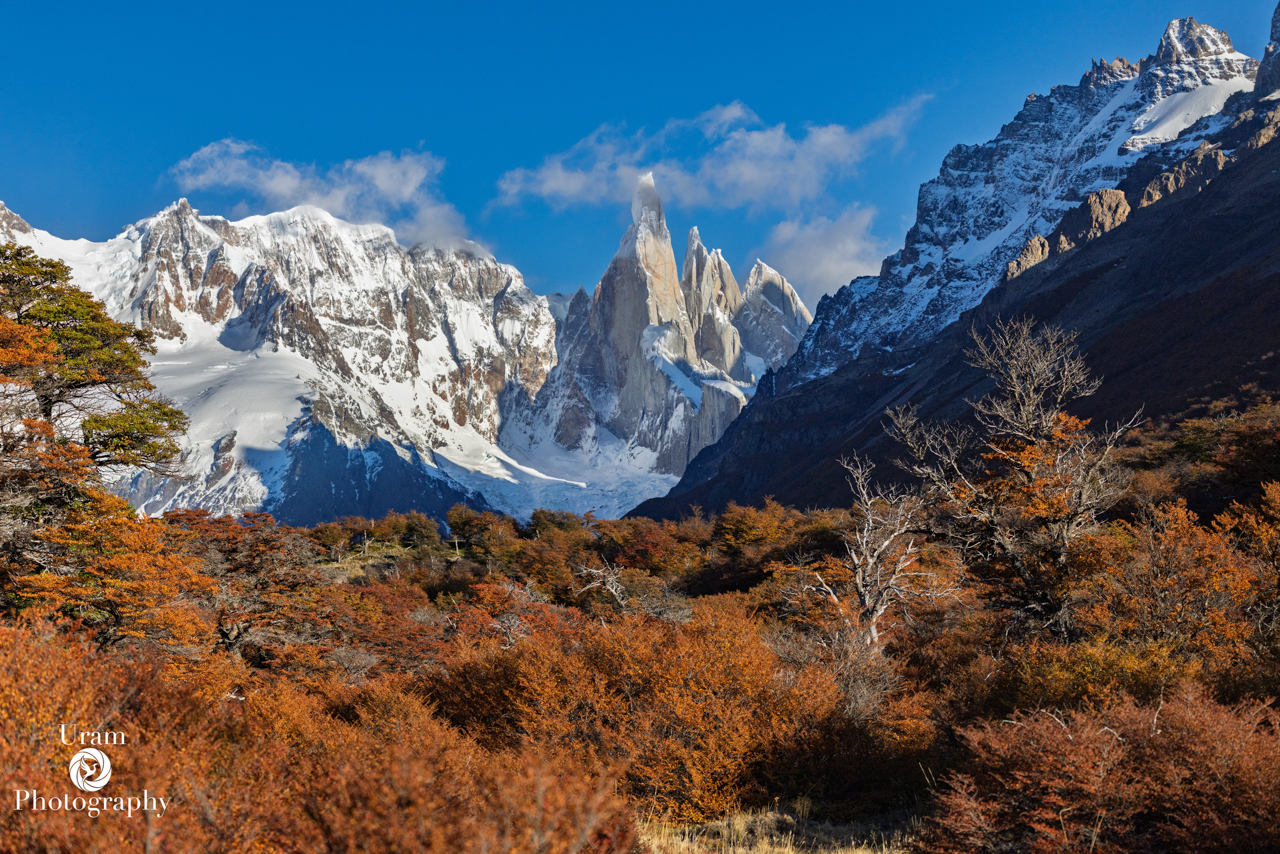
- The Lago Torre Expedition: A 20-kilometer round-trip trek was conducted to Lago Torre to capture the technical details of the Cerro Torre summit. This included the "ice mushroom," a dangerous and ephemeral formation of rime ice at the peak that is a primary subject for mountaineering photography.
- The Estancia Huemul Survey: In an effort to avoid the increasingly crowded public trails, the expedition utilized the private reserve of Estancia Huemul. This area serves as a critical corridor for the Magellanic Woodpecker (Campephilus magellanicus), the largest woodpecker in South America. A pair was successfully documented within the old-growth forests near Laguna Verde and Laguna Azul.
- Logistical Analysis of Tourism Fees: The expedition noted a significant increase in entry fees for foreign nationals, now averaging approximately $50 USD for various national parks and private reserves. This reflects a broader regional policy aimed at leveraging tourism revenue for conservation and infrastructure maintenance amidst Argentina’s fluctuating economic landscape.
Trans-Border Transition and the Chilean Massif
The transition from Argentina to Chile was conducted via a three-hour bus transit to the border, a logistical choice designed to mitigate the complexities of cross-border rental car permits. This segment of the journey provided a rare opportunistic sighting: a puma (Puma concolor) scavenging a guanaco (Lama guanicoe) carcass near the roadside.

In Torres del Paine National Park, the expedition focused on the "Big Five" of Patagonian wildlife. While pumas have become the primary draw for the park, their visibility has decreased recently, leading to a surge in specialized "puma tracking" services. The expedition observed that despite the high density of guides and trackers, sightings remain inconsistent, suggesting a possible shift in puma territorial behavior or a response to increased human pressure within the park’s core zones.

However, the park’s biodiversity remains robust in other sectors. The expedition recorded sightings of:
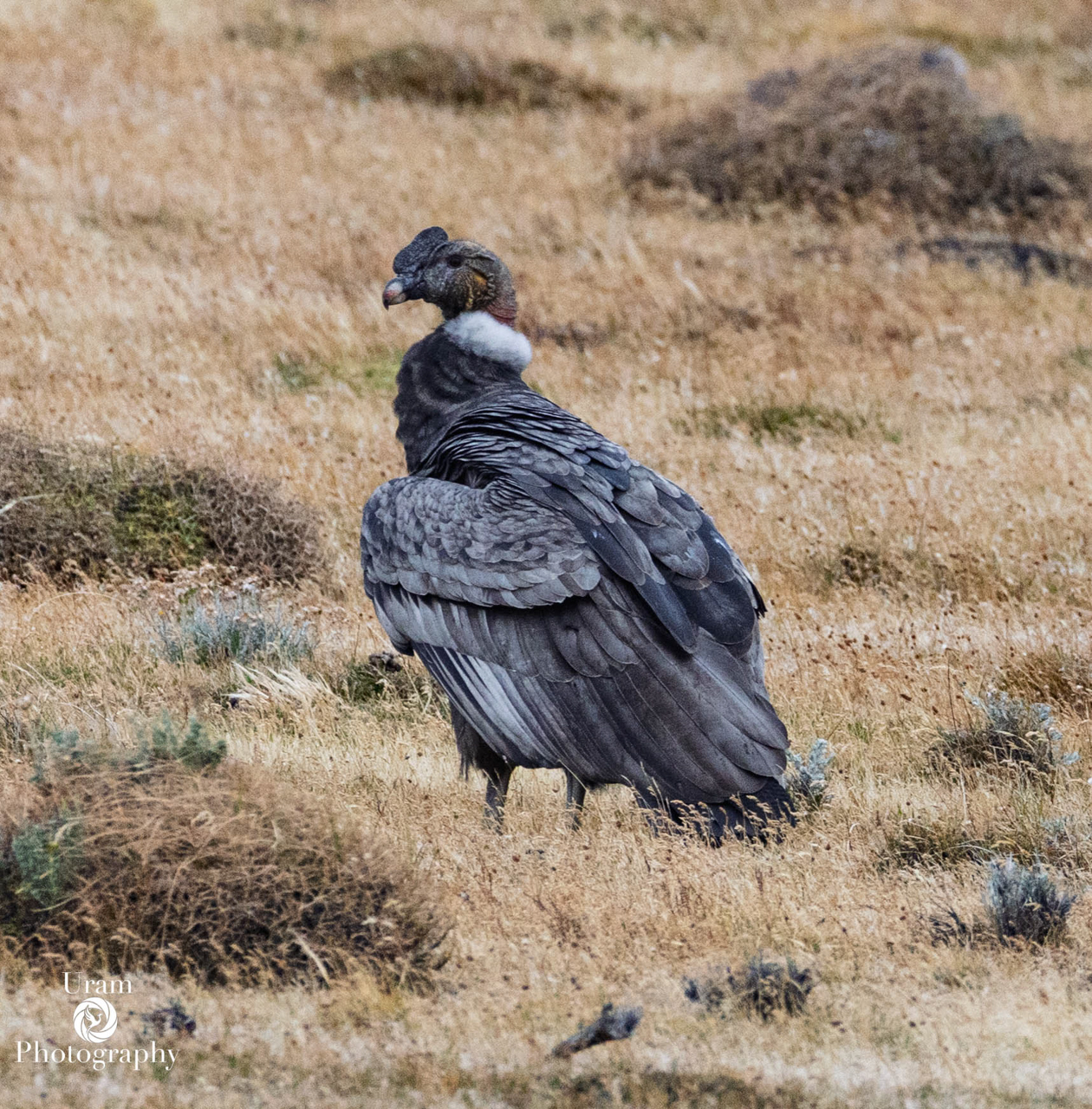
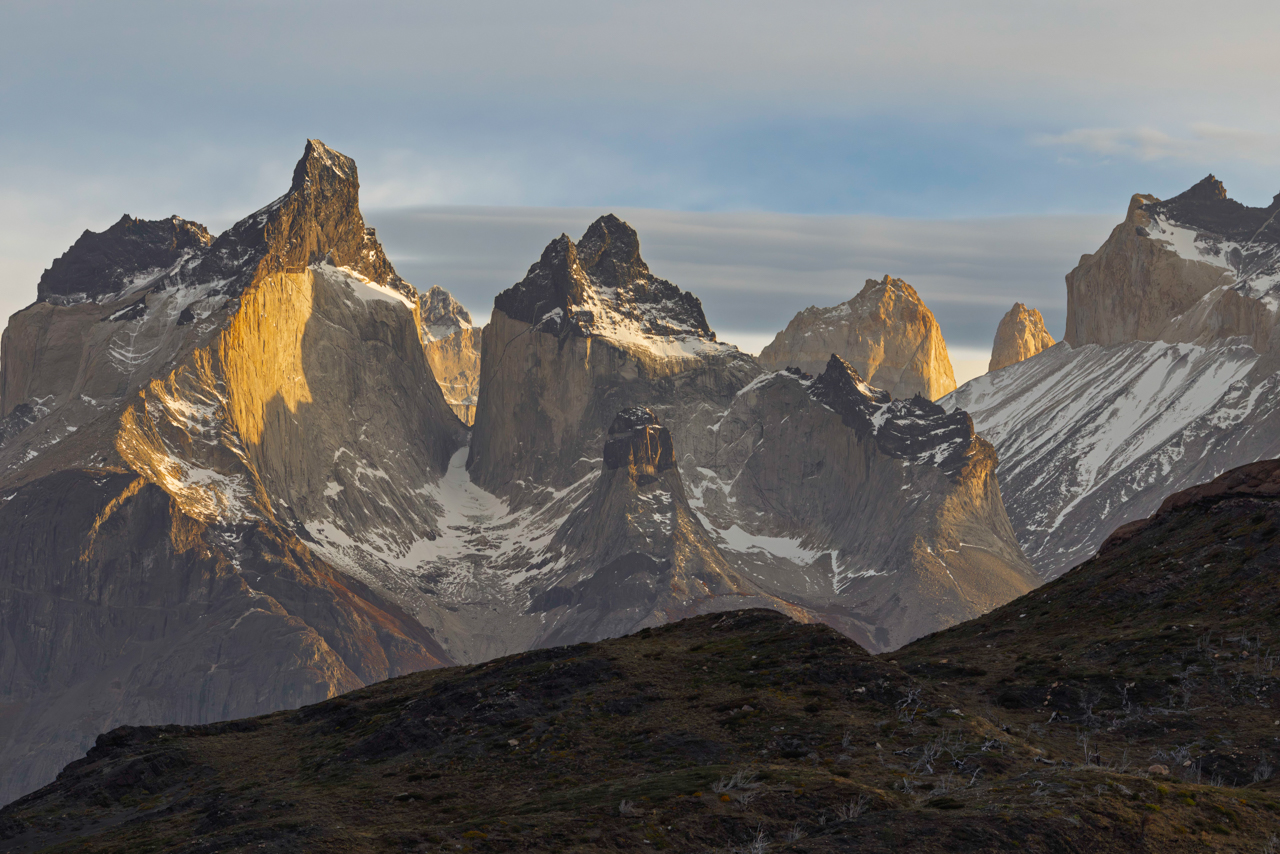
- Andean Condor (Vultur gryphus): Observed utilizing thermals near the Cuernos del Paine.
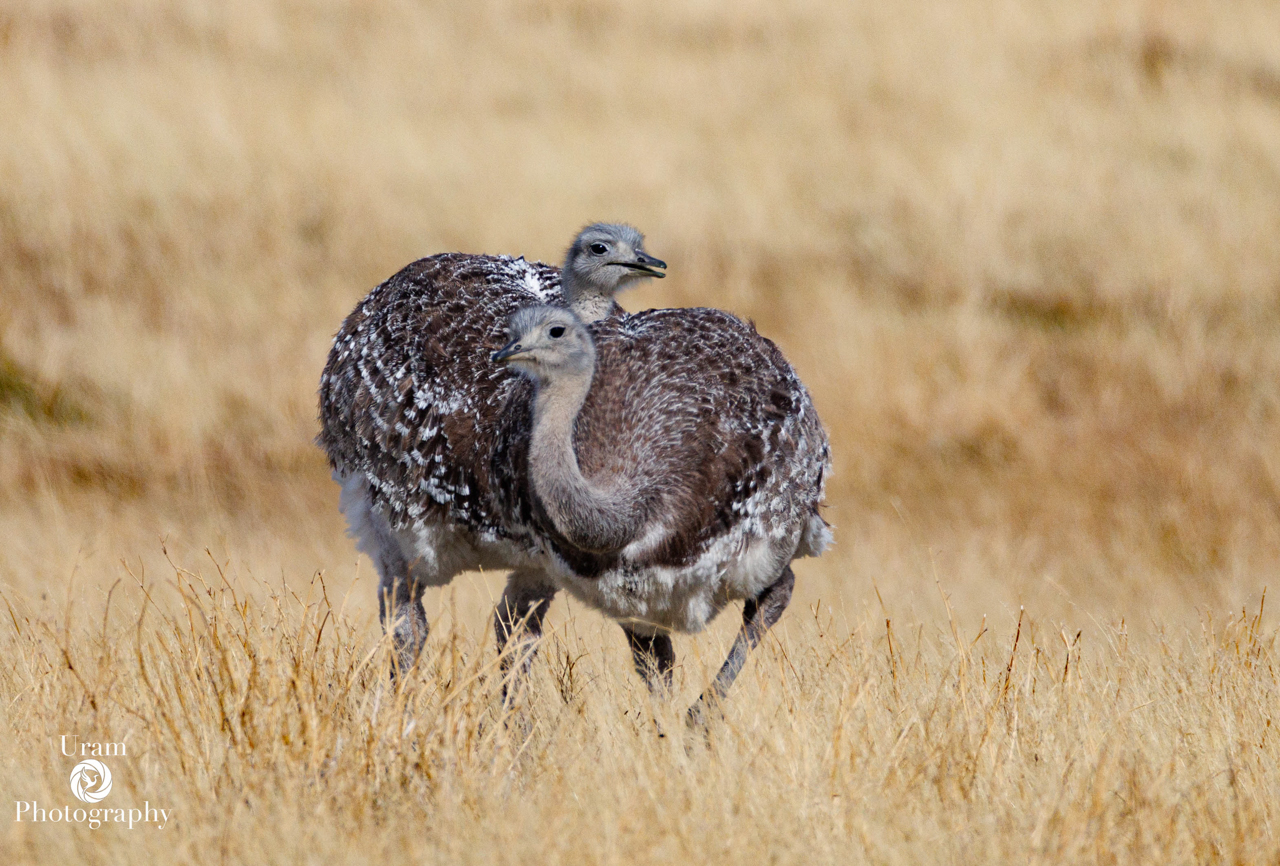
- Lesser Rhea (Rhea pennata): A flightless bird essential to the shrub-steppe ecosystem.
- Great Grebe (Podiceps major): Documented in the park’s glacial lakes.
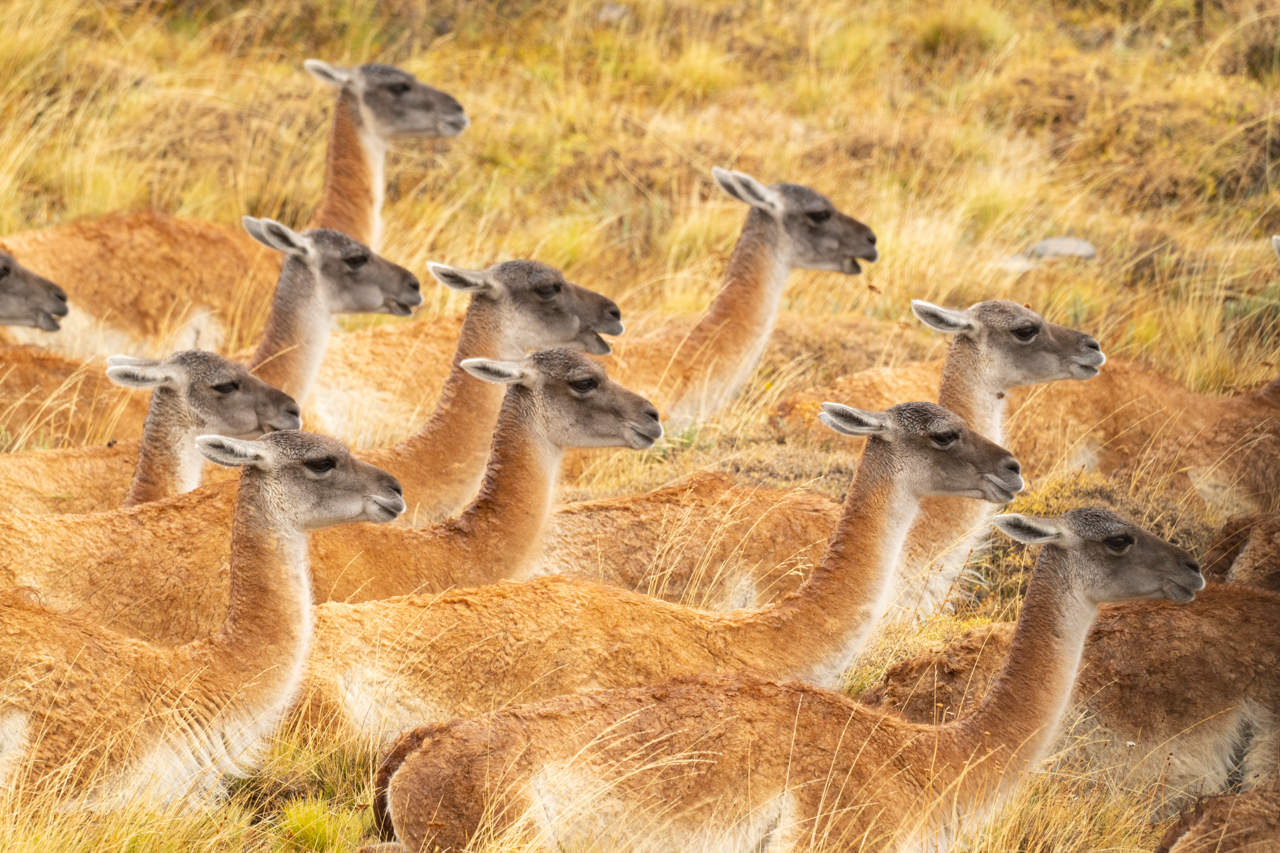
- Guanaco: The primary prey species for the region’s apex predators, found in high concentrations near the Laguna Amarga gateway.
Maritime Operations and Tierra del Fuego
The final phase of the expedition moved toward the Magellanic Strait and the island of Tierra del Fuego. Puerto Natales served as the base for maritime excursions into the Seno de Última Esperanza (Last Hope Sound). A boat expedition to the Serrano Glacier allowed for a close-quarter analysis of tidewater glacier retreat.

The journey then proceeded toward the ferry crossing at Buque Quemado. Low tide conditions permitted a survey of the mudflats, which are critical stopover points for migratory shorebirds. The expedition documented:
- Magellanic Oystercatcher (Haematopus leucopodus)
- Hudsonian Godwit (Limosa haemastica): Approximately 85 individuals were recorded.
- White-rumped Sandpiper (Calidris fuscicollis): A species known for one of the longest migrations of any North American shorebird.
A highlight of the Tierra del Fuego segment was the visit to the King Penguin (Aptenodytes patagonicus) colony at Bahía Inútil. This is the only continental colony of King Penguins in South America and is a site of significant scientific monitoring. The expedition met with lead biologist Aurora, who oversees the protection of the colony. The site is currently managed with strict protocols to prevent avian influenza and human disturbance, ensuring the long-term viability of the breeding group.
Broader Impact and Environmental Implications
The data and photographic evidence gathered during this expedition contribute to a broader understanding of the current state of Patagonian wilderness. Several key implications emerge from this survey:
1. The Privatization of the Wilderness Experience: As national parks like Torres del Paine and Los Glaciares face record numbers of visitors, there is a growing trend toward "private reserve" tourism. This allows for better wildlife documentation and less environmental impact but raises questions about the accessibility of these landscapes.
2. Climate Instability and Glacial Health: The visual evidence of the Perito Moreno Glacier’s receding front, even while it remains "stable" compared to its neighbors, underscores the urgency of monitoring the Southern Patagonian Ice Field. These glaciers are vital freshwater reservoirs and indicators of global climate health.

3. Conservation Successes and Challenges: The thriving King Penguin colony at Bahía Inútil represents a successful private-public conservation model. Conversely, the difficulty in spotting pumas in Torres del Paine highlights the need for sustainable wildlife management policies that balance the needs of photographers and tourists with the biological requirements of apex predators.
4. Avian Indicators: The unusual abundance of species like the Patagonian Tyrant and the presence of endangered Ruddy-headed Geese (Chloephaga rubidiceps) suggest that while some ecosystems are under pressure, the southern wetlands and steppe remain critical habitats that require continued international protection.
The expedition concluded with a crossing of the Magellanic Strait back to Punta Arenas. During the transit, maritime observers recorded Black-browed Albatross, Southern Fulmars, and Magellanic Penguins, confirming that the strait remains a high-productivity marine corridor. As the tour ended with a flight from Punta Arenas to Santiago, the findings underscored a region in transition—one where the majesty of the landscape is increasingly met with the complexities of modern environmental and economic realities. The success of this private expedition demonstrates that despite logistical challenges, Patagonia remains a premier laboratory for the study of the natural world and a pinnacle for global landscape photography.
