
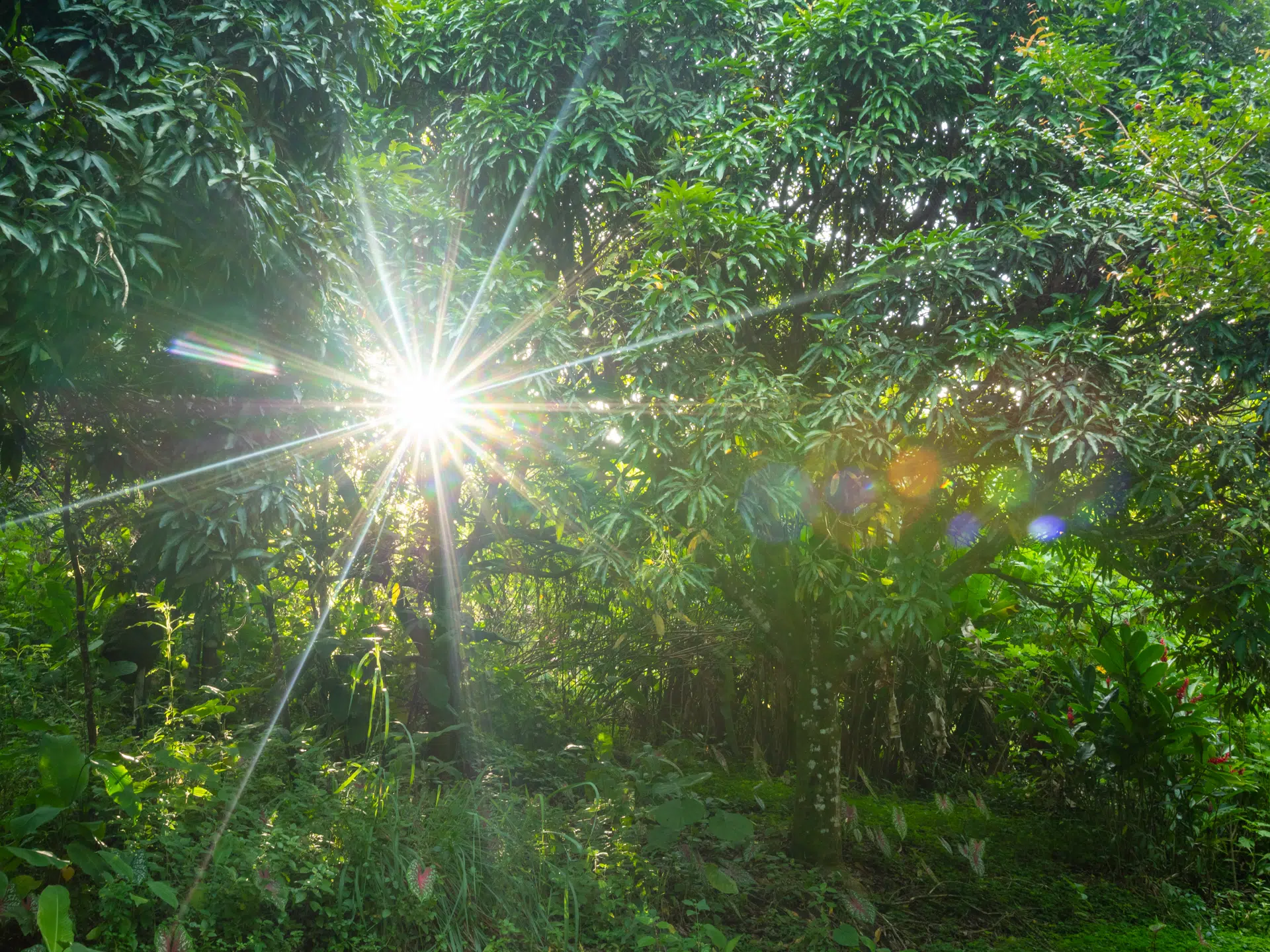
For decades, the Atlantic Forest, a globally significant biodiversity hotspot, has been relentlessly shaped by destructive forces, including rampant deforestation, the unchecked expansion of cattle ranching, intensive sugarcane cultivation, and myriad forms of land-use change. This relentless assault has led to a catastrophic decline, with more than 80% of this once-vast biome having disappeared from its original extent, leaving behind a fragmented landscape of isolated forest remnants. These dwindling pockets of green, however, still shelter an extraordinary wealth of biodiversity, including hundreds of bird species found nowhere else on Earth, a testament to the biome’s unique evolutionary history and ecological importance. Yet, the narrative of the Atlantic Forest is not solely one of profound loss; it is also, critically, a compelling story of remarkable persistence, a narrative increasingly defined by dedicated conservation efforts and the unwavering spirit of those committed to its survival.

The Atlantic Forest, or Mata Atlântica, originally stretched along Brazil’s Atlantic coast, extending inland into parts of Paraguay and Argentina. It is one of the world’s most biodiverse and threatened biomes, recognized as a global conservation priority. Its degradation began with European colonization, as vast tracts were cleared for timber, agriculture, and urban development, accelerating dramatically in the 20th century. Today, estimates suggest that only 12-15% of its original cover remains, fragmented into thousands of small, disconnected patches. This fragmentation severely impacts species survival, restricts genetic flow, and degrades crucial ecosystem services like water regulation, soil fertility, and climate stability. The biome is home to approximately 8% of the world’s plant species and 5% of its vertebrate species, with a high degree of endemism, meaning many species exist nowhere else on Earth. For instance, over 264 mammal species, 340 amphibian species, 200 reptile species, and an astounding 934 bird species have been recorded here, a significant proportion of which are endemic and critically endangered. The ongoing pressures from agricultural expansion, logging, and infrastructure development continue to threaten these remaining fragments, underscoring the urgent need for comprehensive and collaborative conservation strategies.
In a significant stride towards strengthening these critical efforts, BirdLife International recently convened a pivotal regional workshop in northeastern Brazil. This gathering brought together its key regional partners – Aves Argentinas, Guyra Paraguay, and SAVE Brasil – united by a shared commitment to advancing the Atlantic Forest Action Plan. The workshop focused intently on three overarching priorities deemed essential for the biome’s future: robust protection of existing forest fragments, strategic restoration of degraded areas, and the promotion of sustainable land-use practices across the landscape. The choice of northeastern Brazil for this crucial meeting was deliberate, as this region, particularly the states of Alagoas and Pernambuco, represents some of the most critically endangered and fragmented areas of the Atlantic Forest, yet also harbors immense potential for recovery and sustainable development. The collaborative nature of the workshop underscored the understanding that the challenges facing the Atlantic Forest transcend national borders, requiring a coordinated, transboundary approach to achieve lasting impact.

The Atlantic Forest Action Plan itself is a comprehensive framework designed to guide conservation efforts across the biome. It outlines specific objectives for each priority area. Under "protection," the plan emphasizes strengthening existing protected areas, establishing new ones, and supporting private land conservation initiatives. "Restoration" focuses on ecological restoration techniques, including reforestation with native species, promoting natural regeneration, and creating ecological corridors to connect fragmented habitats. Finally, "sustainable land use" aims to integrate conservation with economic development, encouraging practices like agroforestry, sustainable agriculture, and responsible tourism that minimize environmental impact while supporting local livelihoods. The workshop served as a vital platform for these partner organizations to share best practices, identify regional synergies, and refine strategies to implement the action plan effectively, fostering a sense of collective responsibility and shared vision for the future of the Atlantic Forest.
Beyond the conference rooms and technical discussions, the workshop experience was purposefully grounded in the very territory it sought to protect. Participants embarked on immersive field visits across forest fragments in the states of Alagoas and Pernambuco, engaging directly with the people and projects that sustain conservation efforts on the ground every day. These visits were crucial for understanding the practical realities, challenges, and successes of local conservation initiatives, providing invaluable insights that enriched the strategic discussions. The emphasis was on witnessing firsthand how conservation and livelihoods are not mutually exclusive but can, in fact, grow together in a symbiotic relationship. This direct engagement highlighted the indispensable role of local communities as stewards of the land, demonstrating that effective conservation must be deeply rooted in local contexts and empower those living closest to the forest.

Among the inspiring individuals encountered during these visits was João Evangelista, a local producer whose family has profoundly transformed their land into a living example of successful agroforestry. His innovative approach is deeply rooted in his father’s enduring legacy, showcasing a generational commitment to sustainable land management. In a region historically dominated by expansive cattle ranching and vast sugarcane monocultures – practices notorious for their ecological impact – João Evangelista’s work offers a profoundly different and hopeful path forward. His farm demonstrates that production and conservation are not opposing forces, but rather complementary elements of a resilient agricultural system. Here, diverse banana trees flourish alongside carefully integrated native vegetation, while cacao and coffee crops further diversify the land, enhancing ecological complexity and economic stability. Through these integrated practices, the forest gradually reclaims spaces once cleared, creating a mosaic landscape that supports both agricultural productivity and biodiversity.
João Evangelista’s vision extends beyond mere crop cultivation; for him, restoring the land is intrinsically linked to protecting vital water sources, improving crop resilience and yields, and naturally reducing pest infestations through enhanced biodiversity. Crucially, his approach also creates tangible opportunities for younger generations, offering them a viable and sustainable future connected to rural life, thereby countering the rural exodus often driven by conventional, less sustainable farming methods. During the visit, he articulated his philosophy with profound simplicity and wisdom: “Where there are trees, there are birds. And where there are birds, the land becomes healthier.” This statement encapsulates the intricate ecological connections at play, highlighting how a thriving bird population is an indicator of a healthy ecosystem, which in turn supports productive agriculture. His farm stands as a powerful model, demonstrating that economic prosperity and ecological integrity can be harmoniously achieved, inspiring other farmers in the region to adopt similar sustainable practices.

The group also undertook a vital visit to the Reserva Particular do Patrimônio Natural Pedra D’Antas, a private reserve that has been diligently protected by SAVE Brasil for more than two decades. This RPPN, a category of protected area in Brazil that allows private landowners to voluntarily designate their land for conservation, serves as a crucial refuge amidst the severely fragmented landscape of the Atlantic Forest. Hidden among the remaining forest fragments, the reserve is an ecological treasure trove, sheltering an astonishing diversity of life. It is home to more than 250 bird species, an impressive figure that includes 14 globally threatened species, alongside a rich array of mammals, amphibians, and endemic plant life. These species continue to resist the pervasive pressures of habitat loss and fragmentation, their survival a testament to the dedication invested in the reserve’s protection. The long-term stewardship by SAVE Brasil, supported by various funding mechanisms and community engagement, exemplifies how private conservation initiatives can play a pivotal role in safeguarding critical biodiversity hotspots.
At Pedra D’Antas, the workshop participants engaged with a diverse group of stakeholders, including local guides, dedicated park rangers, pioneering researchers, and surrounding communities. These individuals shared invaluable insights into how conservation has become inextricably linked with their livelihoods, sustainable tourism initiatives, ongoing restoration projects, and the long-term stewardship of the territory. The reserve actively promotes ecotourism, providing economic opportunities for local residents as guides and service providers, thus creating a direct economic incentive for conservation. Researchers conduct vital studies within the reserve, contributing to our understanding of the biome’s ecology and informing conservation strategies. The community engagement extends to educational programs and participatory management, ensuring that local knowledge is integrated into conservation practices and that the benefits of the reserve are shared equitably. This holistic approach demonstrates that effective conservation is not an isolated endeavor but a multi-faceted process that integrates ecological, social, and economic dimensions.

In places like Pedra D’Antas, conservation is not an abstract concept or an intermittent effort; it is a daily commitment, a continuous labor of love and dedication carried out by individuals who possess an intimate knowledge of these forests. These local guardians, often with generational ties to the land, continue protecting them with unwavering resolve, even as the pressures on the surrounding landscape intensify. Their deep understanding of the local ecology, coupled with their personal investment in the health of the forest, makes them indispensable actors in the ongoing struggle against environmental degradation. The challenges they face, from illegal logging to agricultural encroachment, are immense, yet their persistence underscores the profound human connection to nature that drives successful conservation. Their efforts highlight that the most effective conservation solutions often emerge from the grassroots, empowered by local expertise and community solidarity.
The Atlantic Forest, though it may survive today in scattered fragments, is far from being a collection of disconnected islands. Instead, these fragments remain deeply interconnected through the tireless efforts of people, the strategic formation of partnerships, and the power of collective action that transcends geographical and political borders. The regional collaboration exemplified by BirdLife International and its partners – Aves Argentinas, Guyra Paraguay, and SAVE Brasil – is a powerful testament to this interconnectedness, demonstrating that shared challenges can be met with shared solutions. Within these persistent fragments, and more importantly, within the hearts and minds of those fighting for its survival, something far larger and more profound than mere biodiversity persists: the unwavering decision to resist further degradation, to restore what has been lost, and to ensure a sustainable future for this irreplaceable biome. This collective resolve, fueled by hope and informed by decades of experience, offers a blueprint for conservation efforts worldwide, emphasizing the critical role of human agency in safeguarding our planet’s natural heritage. The story of the Atlantic Forest is a stark reminder of humanity’s destructive capacity, but also a shining example of our potential for healing and resilience.
