
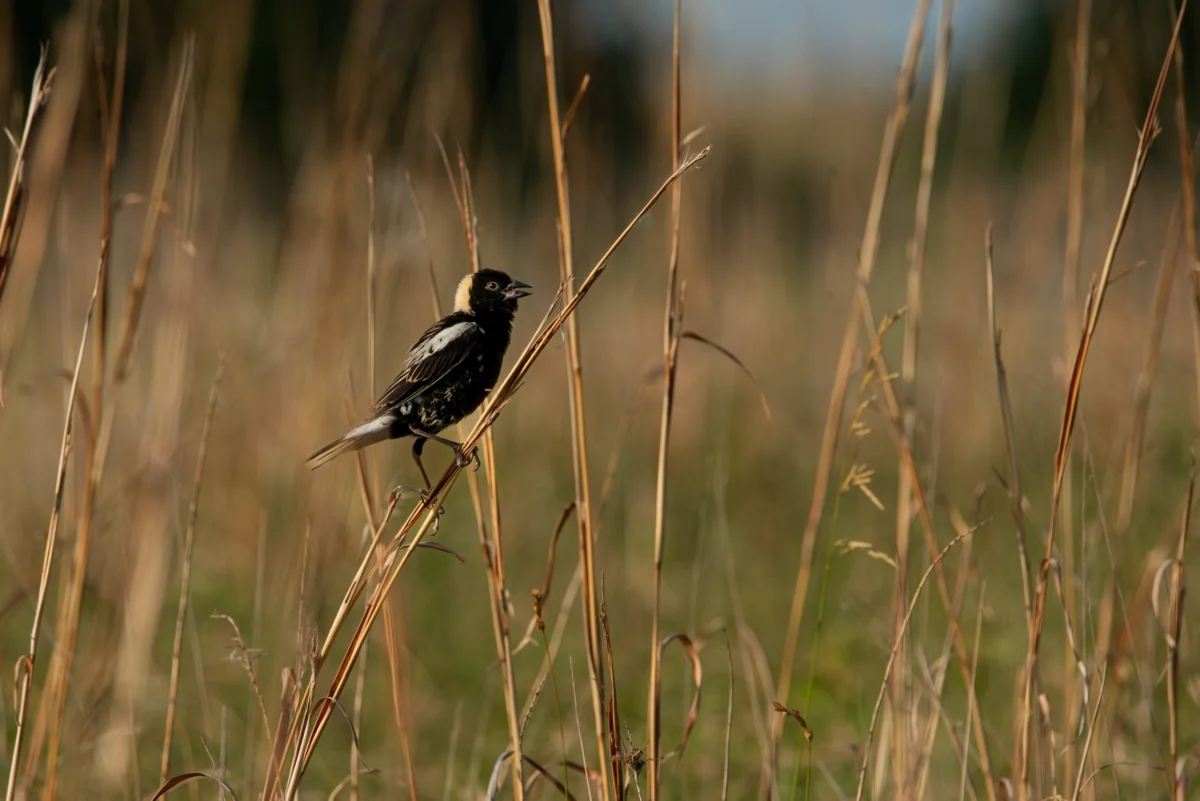
The U.S. House of Representatives recently advanced critical legislation, passing the Farm, Food, and National Security Act of 2026, widely recognized as the Farm Bill. This comprehensive bill, which shapes agricultural and food policy across the nation, includes vital support for voluntary, science-based conservation programs championed by organizations like the National Audubon Society. These programs are instrumental in assisting farmers, ranchers, and forest landowners in stewarding working lands, promoting ecological health alongside agricultural productivity. While the House’s action establishes a foundational framework, conservation advocates are now looking to the Senate to introduce significant improvements, ensuring the final legislation adequately addresses the escalating pressures on agricultural communities and the nation’s precious natural resources.
Understanding the Farm Bill: A National Imperative
The Farm Bill is one of the most significant pieces of legislation passed by Congress, typically renewed every five years. Far more than just an agricultural spending package, it is an omnibus bill that influences everything from crop insurance and commodity prices to nutrition assistance, rural development, energy, and, critically, environmental conservation. Its profound impact stems from its broad scope, affecting nearly every American in some capacity, whether through the food they eat, the landscapes they inhabit, or the economic stability of rural communities.
Historically, the Farm Bill evolved from New Deal-era policies designed to stabilize agricultural markets and support farmers during times of economic hardship. Over decades, its scope expanded dramatically, incorporating elements like food stamps (now SNAP) in the 1970s and robust conservation programs in the 1980s. The conservation title, in particular, has grown to become the nation’s largest investment in voluntary conservation on private working lands, providing crucial financial and technical assistance to landowners. These programs help improve wildlife habitat, enhance soil health, protect water quality, and bolster rural economies by promoting sustainable land management practices.
The urgency for a new Farm Bill is underscored by pressing environmental and economic challenges. Current investments and programs are struggling to keep pace with growing demands, leaving working landowners with insufficient tools to protect or restore vital ecosystems, particularly grasslands and the bird habitats they sustain. Over the past 50 years, the United States has witnessed a staggering 43% decline in grassland bird populations and a 17% decline in forest birds. With nearly half of all U.S. land dedicated to agricultural production, the habitat conservation and restoration programs embedded within the Farm Bill are not merely beneficial; they are absolutely critical to reversing these alarming trends and facilitating species recovery.
Legislative Journey: From Committee to House Floor
The passage of the Farm, Food, and National Security Act of 2026 in late April marked a significant milestone in a lengthy and often complex legislative process. The journey began months earlier with extensive stakeholder consultations, committee hearings, and the drafting of proposals within the House Agriculture Committee. This phase involves intricate negotiations to balance the diverse interests of commodity groups, conservation organizations, food assistance advocates, and various other agricultural sectors.
Following committee markups, where amendments are debated and adopted, the bill proceeded to the full House for debate and a vote. The discussions on the House floor often highlight the deep divisions and compromises inherent in crafting such a sweeping piece of legislation. While the bill garnered sufficient votes for passage, the debate itself provided a clear indication of the areas that remain contentious and those where broad consensus exists. For conservationists, the House bill represents a crucial step forward by maintaining essential funding and program structures, yet it also presented missed opportunities for more aggressive, modernizing reforms. The baton now passes to the Senate, which will undertake its own committee process, often drafting a separate version of the bill before eventual conference committee negotiations to reconcile differences between the two chambers. This multi-stage process, typically spanning well over a year, aims to produce a final, bipartisan bill that can be signed into law by the President.
Key Provisions of the House-Passed Bill: A Foundation for Conservation
The House-passed Farm Bill contains several provisions that conservation groups commend as essential for continuing and strengthening efforts on private lands:
-
Robust USDA Conservation Funding: The bill upholds the longstanding tradition of maintaining conservation funding within the dedicated Conservation Title, safeguarding these critical resources from being diverted to other agricultural priorities. Crucially, it ensures that the historic investments in agricultural conservation provided by the Inflation Reduction Act (IRA) are sustained. These IRA funds, which amounted to billions of dollars, represented an unprecedented commitment to climate-smart agriculture and conservation. Their permanence, as established by the "One Big Beautiful Bill Act" (a legislative vehicle designed to solidify these investments), is vital for long-term planning and impact. Furthermore, the bill introduces new authority for the Natural Resources Conservation Service (NRCS) to utilize expedited hiring procedures. This seemingly administrative detail has profound implications for conservation delivery, as increased NRCS staff capacity in the field is essential to assist more landowners with program applications, planning, and implementation. Without sufficient technical assistance, even well-funded programs can struggle to achieve their full potential.
-
Preservation of the Conservation Reserve Program (CRP): The House bill reauthorizes the Conservation Reserve Program (CRP) through 2031, providing stability for one of the nation’s most successful conservation initiatives. CRP supports voluntary conservation by paying landowners to remove environmentally sensitive land from agricultural production and establish long-term, resource-conserving covers. This helps to restore and manage lands for wildlife habitat, reduce soil erosion, improve water quality, and enhance other conservation values. The reauthorization is a critical step to ensure the program continues uninterrupted, allowing for the enrollment of new acres and providing fair compensation to producers for implementing vital conservation practices. Since its inception in 1985, CRP has enrolled millions of acres, playing a significant role in grassland and wetland restoration, providing habitat for countless species, and sequestering carbon.
-
Improvements in Conservation Implementation in Fields, Forests, and Rangelands: Beyond direct funding, the bill includes several "quiet improvements" designed to make popular conservation programs more effective and accessible to landowners. These seemingly minor tweaks can have a substantial real-world impact:
- Regional Conservation Partnership Program (RCPP) Enhancements: The bill broadens access to RCPP funding by allowing partner organizations—such as agricultural associations, academic institutions, non-profit organizations, and even for-profit businesses—to provide direct technical support to landowners. This expansion leverages external expertise and capacity, helping to overcome bottlenecks in program delivery. Additionally, the bill seeks to shorten RCPP approval timelines and reduce paperwork, addressing common frustrations among applicants and ensuring projects can get off the ground more quickly.
- Updated Conservation Practice Standards: The legislation mandates updating conservation practice standards to incorporate the latest scientific research and technological advancements. This ensures that landowners are implementing the most effective and efficient conservation methods available, maximizing environmental benefits.
- Prioritizing Habitat Connectivity: The bill encourages the USDA to prioritize habitat connectivity across all conservation programs. Fragmented habitats are a major threat to biodiversity, particularly for migratory species. By promoting connectivity, the Farm Bill aims to create larger, more resilient landscapes that can better support diverse wildlife populations.
- Streamlined Technical Service Provider (TSP) Program: Recognizing the critical need for on-the-ground expertise, the House Farm Bill streamlines USDA’s Technical Service Provider program. TSPs are certified individuals or entities that assist farmers in planning and implementing conservation practices, often filling gaps where NRCS staff are limited. Improving access to TSPs means more farmers can receive the tailored guidance needed to adopt complex conservation measures.
- New Forest Conservation Easement Program: A significant new addition is the creation of a Forest Conservation Easement Program. This program will provide funding for voluntary easements, allowing landowners to keep their forests working and sustainable for generations to come, while simultaneously preventing the conversion of private forestland to non-forest uses, such as development. This is crucial for maintaining forest ecosystems, which are vital for carbon sequestration, water quality, and wildlife habitat.
-
Comprehensive Forestry The bill’s Forestry Title covers key U.S. Forest Service programs that support both public and private forest lands, acknowledging the recreational, economic, and environmental benefits they provide. The Audubon Society has a strong interest in supporting bird-friendly forest management, which offers a multitude of co-benefits: it protects vital water supplies, reduces the risk of catastrophic wildfires, and supports sustainable rural economies and forest product markets. Specific provisions within this title bolster federal support for privately-owned, working forests:
- Forest Inventory and Analysis Program Updates: Improvements to this program will enhance access to reliable scientific data, which is essential for informed forest management decisions, enabling better planning for conservation and sustainable timber harvests.
- Reauthorization of Joint Chiefs’ Landscape Restoration Program: This program promotes continued collaboration between federal and state forestry agencies, non-governmental organizations, and private landowners. Its reauthorization will help scale up sustainable forest management across vast public and private lands, fostering landscape-level conservation efforts.
Audubon’s Assessment and Calls for Senate Improvement: Towards a Bird-Friendly Farm Bill
While the House bill lays a solid foundation, the National Audubon Society views its passage as a critical juncture, presenting key opportunities for the Senate to make important improvements that will ensure a truly bird-friendly Farm Bill.
-
Scaling Conservation Forage through Modernizing CRP:
- Audubon highlights that while CRP reauthorization is necessary, it represents a missed opportunity to introduce sorely needed updates to the program itself. A primary area for improvement is leveraging CRP to establish perennial forage and integrate livestock on working lands.
- The North Dakota Conservation Forage Program (CFP) Model: This innovative program, successfully replicated in South Dakota, provides a blueprint for what federal conservation programs focused on restoring working grasslands could look like. Through CFP, Audubon and partner organizations—including North Dakota Game and Fish, Ducks Unlimited, and Delta Waterfowl—provide technical and financial assistance to landowners. These landowners are incentivized to return marginal croplands to native grasslands, which can then be sustainably grazed by livestock. This approach delivers real conservation outcomes, such as boosted soil health, protected water quality, reduced erosion, and enhanced wildlife habitat, all while providing economic returns for producers. It represents a practical grassland restoration option to establish permanent cover on the landscape.
- Win-Win Outcomes: By scaling proven approaches like CFP, the Farm Bill can deliver "win-win" outcomes for ranchers, foster resilient working lands, and provide critical habitat for the birds that depend on them. Discussions are ongoing among Audubon, ranching groups, other conservation organizations, and congressional champions to explore mechanisms for strengthening federal tools that support grazing on marginal cropland. These mechanisms could include modernizing the Soil Health and Income Protection Program (SHIPP) or adding an additional working lands component to CRP, giving producers an opportunity to improve profitability while restoring critical habitat.
-
Additional Efforts to Strengthen the Conservation Reserve Program:
- The Senate has the opportunity to include the CRP Improvement and Flexibility Act (H.R.5111 / S.2608) within its Farm Bill text. This popular, bipartisan bill directly supports sustainable grazing practices by providing cost-share assistance for essential infrastructure like fencing or water distribution. It also proposes to increase the annual payment limitation for CRP, which would more appropriately compensate farmers for their efforts in conserving wildlife habitat, making the program more attractive and financially viable for landowners.
- Another key bipartisan bill the Senate should consider is the Pacific Flyway Habitat Enhancement Act (H.R. 1420). This legislation would expand the lands eligible for the Conservation Reserve Enhancement Program (CREP), a subprogram within CRP, to include at-risk or degraded wetlands. These wetlands provide critical habitat for migrating waterfowl and other avian species along the Pacific Flyway. The bill would also incentivize farmers to manage working croplands in ways that best support wildlife habitat, creating a mosaic of productive agriculture and vital conservation areas.
-
Expand Support for Small-Scale Foresters:
- To bolster the Farm Bill’s support for privately owned forests—which provide essential habitat for many migratory bird species—the Senate can include permanent authorization for the Forest Landowner Support Program (FLSP). Originally created in the Inflation Reduction Act, FLSP ensures that private forest landowners, particularly those with small acreages and underserved landowners, have consistent and reliable access to the technical and financial assistance needed to maintain working forests.
- An excellent example of FLSP’s impact is Audubon’s Bird-Friendly Maple Program. This initiative incentivizes maple producers to manage their sugarbushes in ways that not only support maple syrup production but also enhance bird habitat and overall forest health. Permanent authorization for FLSP would provide the long-term certainty necessary for such programs to thrive and expand.
Broader Implications and The Road Ahead
The ongoing consideration of the Farm Bill on Capitol Hill carries profound implications for the environment, the economy, and rural communities across the United States.
Environmental Impact: A robust, conservation-focused Farm Bill is crucial for reversing the alarming declines in bird populations, particularly grassland and forest birds. By promoting practices such as establishing perennial cover, restoring native grasslands, improving soil health, and maintaining healthy forests, the bill directly contributes to biodiversity conservation. These actions also have significant co-benefits, including enhanced water quality by reducing nutrient runoff and sediment, increased carbon sequestration in soils and forests to mitigate climate change, and greater ecosystem resilience in the face of extreme weather events. The integration of habitat connectivity and bird-friendly management practices ensures that conservation efforts are strategic and impactful on a landscape scale.
Economic Impact: For farmers and ranchers, the Farm Bill’s conservation programs offer substantial economic benefits. Financial incentives and technical assistance reduce the financial burden of adopting sustainable practices, which can otherwise be costly upfront. Improved soil health can lead to reduced input costs (fertilizers, pesticides) and increased crop resilience, boosting long-term profitability. Diversification opportunities, such as integrating livestock into perennial forage systems, can create new revenue streams. Conservation easements and other programs also contribute to the long-term value and sustainability of agricultural operations, supporting the economic vitality of rural communities.
Social Impact: Beyond direct economic and environmental gains, the Farm Bill fosters community resilience. By supporting sustainable agriculture and healthy ecosystems, it contributes to food security, ensures access to clean water, and preserves the natural heritage that defines many rural areas. The bill’s emphasis on technical assistance and partnership building also strengthens local capacity for conservation and promotes a collaborative approach to land stewardship.
Challenges and Opportunities: The path to a final Farm Bill is rarely smooth. Political divisions, budgetary constraints, and the competing demands of various agricultural sectors often lead to complex negotiations. However, the bipartisan support for conservation programs highlights a shared understanding of their value. The Senate’s role in building on the momentum from the House, through continued bipartisan negotiations, is crucial for getting a comprehensive and effective Farm Bill across the finish line. Audubon, alongside a coalition of conservation and agricultural groups, will continue to actively engage with lawmakers from across the country, advocating for policies that create the conditions for birds, people, and the planet to thrive together in a sustainable future. The decisions made in this legislative cycle will shape the American landscape and its inhabitants for years to come.
