
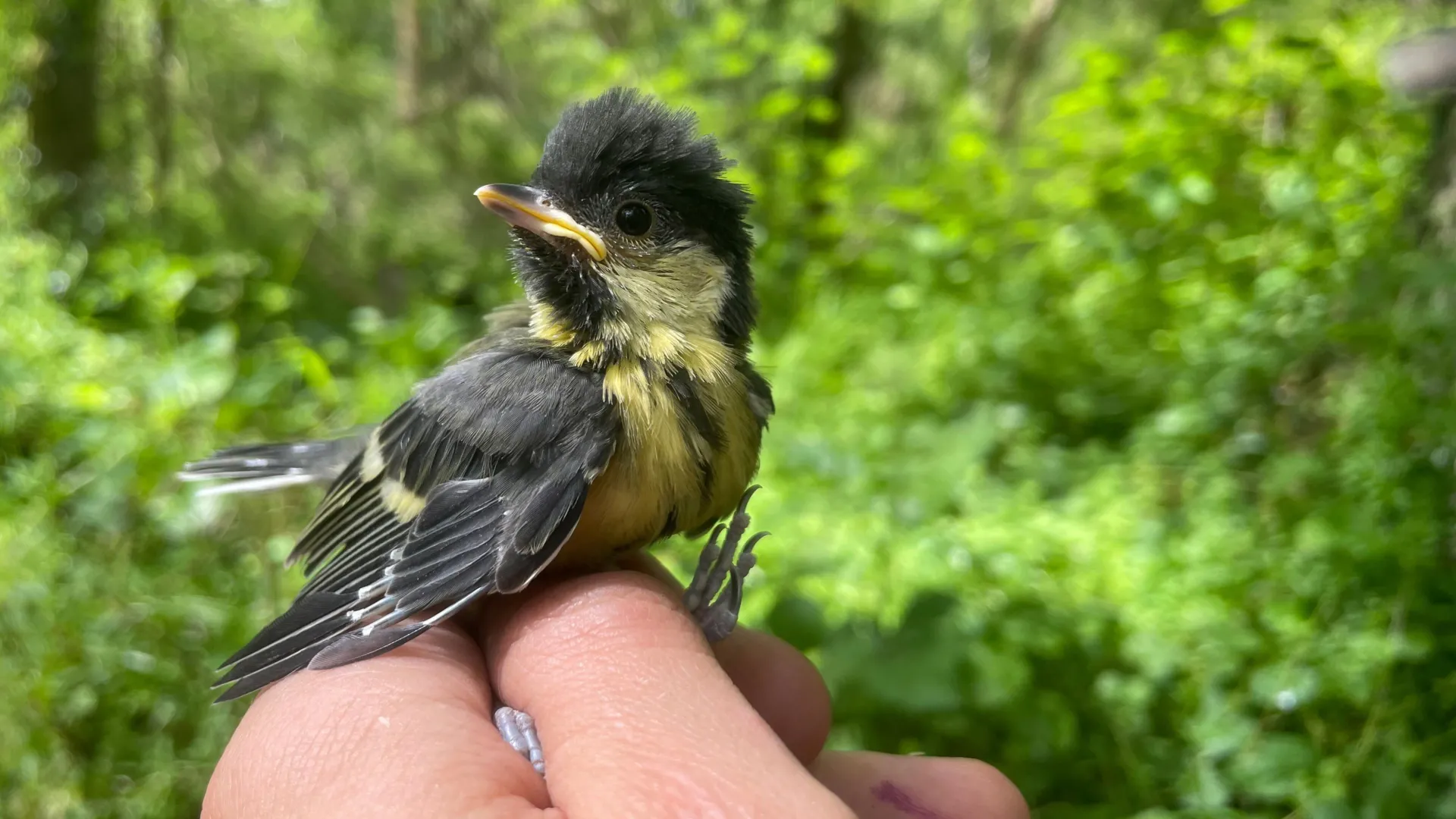
A new study from the University of Oxford, published March 11 in a leading peer-reviewed journal, has uncovered critical insights into how extreme weather events are impacting the survival and growth of young great tits (Parus major) across the UK. The comprehensive research, drawing on an unparalleled six-decade dataset, highlights that sudden cold spells and heavy rainfall significantly impede the growth and reduce the survival chances of nestlings. Crucially, the findings also suggest that birds initiating their breeding cycles earlier in the season may possess a vital advantage, potentially mitigating many of the detrimental effects associated with these increasingly frequent weather extremes. This adaptation, while beneficial in some aspects, also exposes earlier broods to unique vulnerabilities, painting a complex picture of avian resilience in a changing climate.
An Unprecedented Glimpse into Avian Life: The Wytham Woods Dataset
The robustness of these findings stems from an unusually long and meticulous dataset, a testament to decades of dedicated ecological research. Scientists meticulously analyzed 60 years of continuous records, encompassing over 80,000 individual wild great tits within the venerable Wytham Woods, a renowned ecological research site managed by the University of Oxford. Located just west of Oxford city, Wytham Woods has served as a living laboratory since 1942, providing an undisturbed natural environment for long-term studies on diverse flora and fauna, making it one of the most thoroughly studied woodlands in the world. This sustained monitoring effort, a rarity in ecological research, allowed the team to track demographic changes, breeding patterns, and individual life histories with exceptional precision.
This wealth of biological data was then meticulously cross-referenced with equally detailed daily weather records spanning the same period. By precisely identifying the coldest, wettest, and hottest days within each annual breeding season, researchers were able to quantify the frequency and intensity of these extreme events. More importantly, they could pinpoint exactly when these extremes occurred during the critical stages of chick development—from hatching to fledging. The primary metric for assessing impact was the body mass of nestlings at the point of fledging, an established and potent predictor of their subsequent survival rates into adulthood. A healthy fledging mass indicates robust development and a greater likelihood of navigating the challenges of independence, while a reduced mass signals compromised health and diminished survival prospects.
The Peril of Early-Life Extremes: Cold and Rain’s Dual Threat
The study illuminated a nuanced but significant vulnerability in great tit nestlings to specific weather conditions at different developmental stages. It revealed that severe cold during the initial week following hatching is particularly devastating. Newly hatched chicks, lacking the insulating feathers of their adult counterparts, possess a limited capacity to regulate their own body temperature (thermoregulation). During cold snaps, a disproportionate amount of their metabolic energy, which would otherwise be channeled into growth and development, must be expended simply to stay warm. This energetic diversion results in stunted growth and weakened physical condition.
As the chicks mature beyond their first week, the nature of the threat shifts. While cold remains a factor, heavy rainfall emerges as the greater peril for older nestlings. Both types of extreme weather events were found to reduce body mass at fledging by as much as 3%. While this percentage might appear modest at first glance, for a tiny great tit chick weighing only a few grams, a 3% reduction in body mass can represent a critical threshold, significantly impairing muscle development, fat reserves, and overall physiological fitness crucial for post-fledging survival.
The situation escalates dramatically when intense heat coincides with heavy rain, creating a compounding negative effect. In these particularly severe conditions, the reduction in fledging mass can plummet by up to 27%. This synergistic impact is especially pronounced for broods that hatch later in the breeding season, when temperatures are generally higher and the likelihood of such combined extremes increases. This late-season vulnerability suggests a critical window where environmental stressors can inflict maximum damage.
Why Weather Wreaks Havoc: Unpacking the Ecological Mechanisms
Understanding why these weather extremes are so detrimental requires a closer look at both the physiological vulnerabilities of young birds and the ecological dynamics of their food sources.
As previously noted, the inability of newly hatched chicks to effectively regulate their body temperature due to a lack of insulating feathers makes them highly susceptible to cold. They are entirely dependent on their parents for brooding (keeping them warm). When temperatures drop, parents must spend more time on the nest, huddling over their chicks, which in turn reduces the time available for foraging for food. This creates a dual energetic drain: chicks burn more energy to stay warm, and receive less food to fuel that energy expenditure and growth.
Bad weather further exacerbates the food shortage. Extreme cold and heavy rain can severely limit the frequency and success of parental foraging trips. Adult great tits, despite their resilience, face increased energetic costs when foraging in adverse weather, and the availability of their primary food source—caterpillars—is directly impacted. Heavy rainfall, for instance, can physically dislodge caterpillars from leaves and branches, washing them away or making them less accessible. Simultaneously, cold weather can reduce caterpillar activity, making them harder for parent birds to locate and capture. Given the high energy demands of rapidly growing chicks—which can consume their own body weight in food daily—any disruption to this critical food supply can have immediate and severe consequences for their development. The caterpillars themselves are highly sensitive to temperature and humidity, with their life cycles and abundance closely tied to specific climatic conditions. A mismatch between the peak availability of these protein-rich larvae and the great tits’ breeding schedule, a phenomenon known as ‘trophic mismatch,’ is a growing concern for many insectivorous birds in a warming world.
The Nuance of Heat: A Double-Edged Sword for Nestlings
One of the more unexpected and intriguing findings of the study concerned the impact of warmer extremes. Counterintuitively, these periods were sometimes linked to heavier fledging weights during the nestling stage. This finding initially appears to contradict the general understanding that high temperatures can lead to heat stress in birds. However, Devi Satarkar, the lead researcher from the Department of Biology at the University of Oxford, provided crucial context. She explained that the warmer periods observed in Oxfordshire, while extreme relative to average local conditions, appear to be relatively mild when compared with the scorching heatwaves experienced in southern Europe, where temperatures can routinely exceed 35°C (95°F) and are demonstrably harmful to nestlings.
Satarkar elaborated: "Extreme weather events are affecting wild bird populations in complex ways. The level of warmth we see in these heat extremes in Oxfordshire might boost growth because it can increase insect activity and visibility—making caterpillars easier to find—while letting parents forage more and reducing nestlings’ thermoregulatory costs. The high water content in caterpillars also helps against dehydration." This suggests a "sweet spot" of warmth where conditions optimize foraging efficiency and minimize energetic demands on chicks, leading to better outcomes. This contrasts sharply with hotter regions like the Mediterranean, where similar events can exceed 35°C and result in severe dehydration, overheating, and ultimately, mortality for nestlings. The physiological tolerance limits of great tit chicks, therefore, appear to be locally tuned, highlighting the importance of studying specific regional impacts of climate change.
An Adaptive Strategy: Early Breeding as a Climate Buffer
The study also shed light on a crucial adaptive strategy employed by the great tit population in Wytham Woods: adjusting breeding timing. Satarkar noted: "In the Wytham population, great tits have adjusted to warmer springs by breeding earlier to track peak abundance of their main prey, caterpillars. This overall earlier laying is beneficial, buffering them against many impacts of extreme weather—but it also exposes them to cold spells early in the season. Even small early-life deficits can have large implications for survival."
This earlier onset of breeding appears to be a direct evolutionary response to climate change, allowing great tits to synchronize their most energy-intensive period (raising chicks) with the peak availability of caterpillars. Broods that hatch earlier in spring tend to benefit from occasional warm spells, when caterpillar populations are robust and temperatures remain within safe, beneficial limits. These early breeders often experience a period of relative stability before the more intense and unpredictable weather patterns of late spring and early summer set in.
In stark contrast, birds that breed later in the season face tougher conditions. Their fledglings were found to be approximately one third lighter, even though the warmest days they experienced reached similar temperatures of about 16-17°C (61-63°F). This suggests that it is not just the absolute temperature, but the combination of temperature, rainfall, and prey availability that defines the "tougher conditions" for later broods. By the time late broods hatch, caterpillar populations may have already peaked and begun to decline, leading to food scarcity, and the likelihood of severe combined heat and rain events increases.
Over longer periods, the study confirmed that extreme cold and rainfall slightly reduce the odds that young birds will survive to adulthood. Conversely, the "mild warm extremes" had small but positive effects on overall survival. This implies a selective pressure favoring earlier breeding. Overall, the strategy of breeding earlier within a season appears to shield many birds from the worst consequences of increasingly unpredictable weather, offering a temporary but significant buffer against environmental volatility. However, this adaptation comes with its own trade-offs, particularly the increased exposure to early-season cold snaps.
Broader Implications for UK Wildlife and Conservation Strategies
The findings from Wytham Woods extend beyond the great tit population, offering vital insights into how climate change is broadly affecting UK wildlife. As climate change intensifies, the frequency and intensity of extreme weather events—be it heatwaves, prolonged droughts, or torrential downpours—are projected to increase. This study provides a compelling example of how these changes can cascade through ecosystems, impacting species at fundamental stages of their life cycle. Great tits, being a common and well-studied species, often serve as an indicator species for broader ecological health, meaning their responses can signal trends in other avian populations and even broader ecosystem shifts.
The study underscores the urgent need for nuanced conservation strategies. Scientists emphasize that it will become increasingly important to monitor small-scale environmental conditions, such as microclimates and habitat differences within a woodland. For instance, north-facing slopes or areas with dense canopy cover might offer cooler, more sheltered microclimates during heatwaves, while south-facing clearings might provide warmer spots for foraging during cold spells.
This type of detailed research can directly inform practical conservation measures. For example, understanding the microclimatic preferences and vulnerabilities of nesting birds could guide strategic nestbox placement. Positioning nestboxes in areas that offer protection from extreme winds, heavy rain, or direct sun exposure during critical development stages could significantly improve chick survival rates. Similarly, woodland management practices, such as promoting a diverse understory or maintaining specific tree densities, could help create more resilient habitats that buffer against weather extremes and support robust insect populations. For example, maintaining a mix of tree species and ages can ensure a more continuous supply of different caterpillar species throughout the breeding season, reducing the impact of a single prey species’ population crash due to adverse weather.
Dr. Fiona Davies, a conservation ecologist with the Royal Society for the Protection of Birds (RSPB), who was not directly involved in the study but is familiar with the challenges facing UK birds, commented on the broader significance: "This Oxford research beautifully illustrates the intricate dance between climate and wildlife. The long-term data from Wytham Woods is invaluable, showing us that while birds can adapt by shifting breeding times, there are limits. As extreme weather becomes the norm, conservation efforts must become more sophisticated, focusing on creating resilient landscapes that provide refugia and stable food sources."
Researchers plan to continue their meticulous monitoring of the great tit population in Wytham Woods to understand how these weather effects may evolve in the future. A key question for ongoing research is whether the heatwaves that are currently considered "moderate" in Oxfordshire and even beneficial in some contexts, could eventually become harmful as global temperatures continue their upward trajectory. As the climate shifts, the "sweet spot" of beneficial warmth might move or disappear entirely, pushing local conditions beyond the physiological tolerance limits of even the most adaptable species. This ongoing research is crucial for providing the foundational knowledge necessary to protect vulnerable wildlife populations in an era of unprecedented environmental change.
