
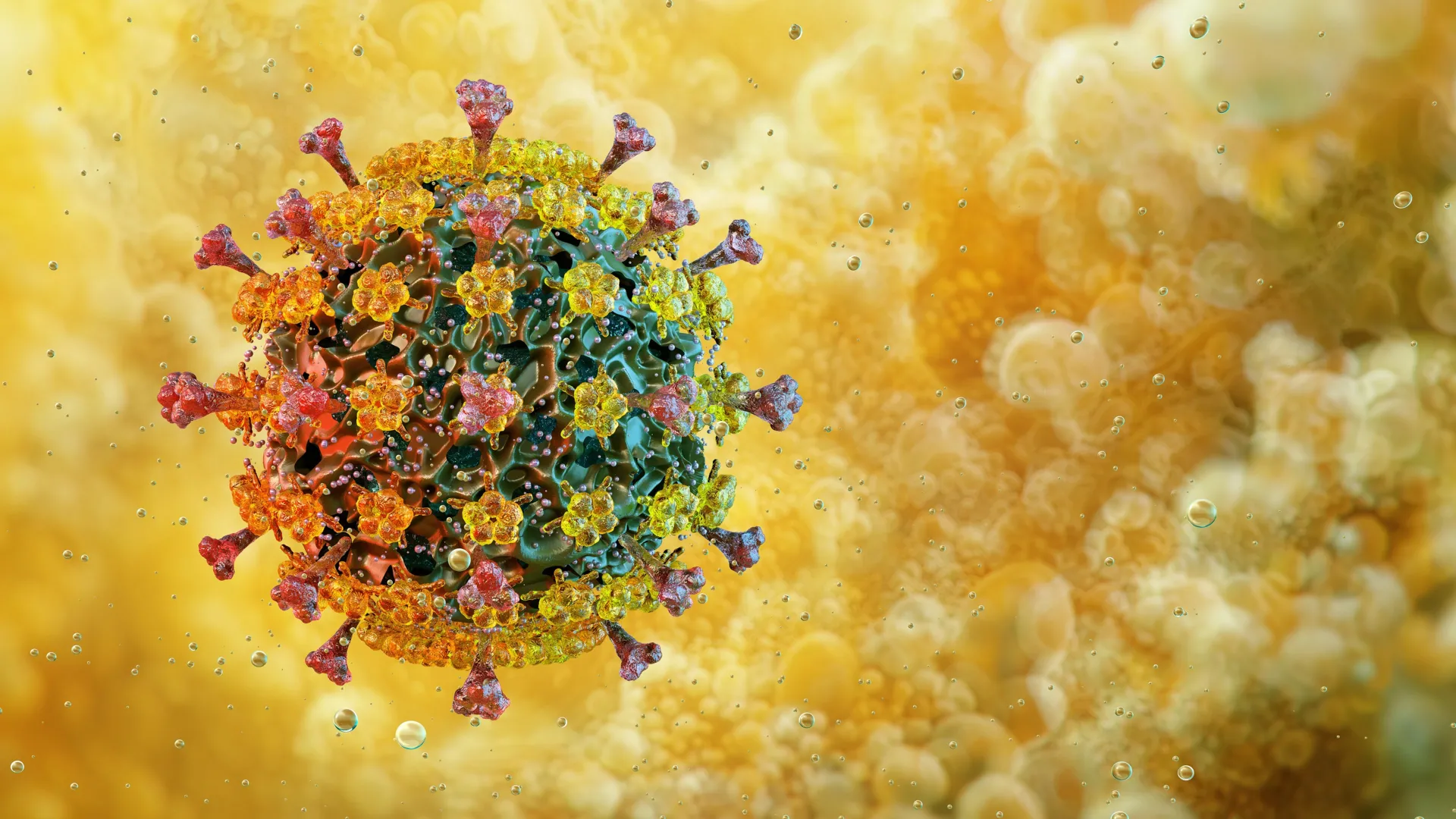
A groundbreaking study led by the universities of Cambridge and Glasgow has unveiled a critical mechanism by which avian influenza viruses pose a profound and persistent danger to human health: their ability to replicate effectively at temperatures significantly warmer than a typical human fever. This discovery challenges the conventional understanding of fever as a universal defense mechanism against viral infections, highlighting that bird flu strains possess an inherent resistance that could facilitate severe disease and enhance their pandemic potential. The research, published on November 28 in the esteemed journal Science, pinpoints a specific gene responsible for this thermal resilience, a gene that historically transferred from avian to human flu strains during major pandemics.
The Science Behind Fever Resistance and Viral Adaptation
The human body’s immune system employs a sophisticated array of defenses against pathogens, with fever being one of its oldest and most effective strategies. An elevated body temperature, typically ranging from 38°C to 41°C, is designed to create an inhospitable environment for many viruses, slowing their replication and allowing immune cells to clear the infection. However, this new research demonstrates that avian influenza viruses, unlike their human counterparts, can circumvent this fundamental protective barrier.
Seasonal human influenza A viruses, responsible for millions of infections annually, are known to thrive primarily in the cooler upper respiratory tract, where temperatures average around 33°C. Their replication efficiency significantly diminishes in the warmer lower respiratory tract, typically maintained at a core body temperature closer to 37°C. This temperature sensitivity helps explain why human flu infections often manifest with symptoms concentrated in the nose and throat. Avian influenza viruses, however, have evolved in hosts like ducks and seagulls, where their primary site of infection is often the gut, an environment that can naturally reach temperatures of 40-42°C. This distinct evolutionary pressure has endowed them with a remarkable heat tolerance.
The study’s central finding revolves around the identification of a gene, known as PB1, which strongly influences a virus’s sensitivity to heat. The researchers discovered that avian-like versions of the PB1 gene confer a significant advantage, allowing viruses to withstand the elevated temperatures associated with fever. This genetic component is critical for copying the viral genome within infected cells, making its thermal stability paramount for viral propagation.
Experimental Validation: Mouse Models and Temperature Control
To precisely understand how fever provides protection against human flu and why it falls short against avian strains, the research team conducted a series of sophisticated in vivo experiments using mouse models. While earlier work had hinted at the thermal tolerance of bird flu in cultured cells, these animal experiments offered a more comprehensive picture of the physiological response.
Mice typically do not develop a fever when infected with common influenza A viruses. To simulate fever conditions, the scientists ingeniously manipulated the ambient temperature of the mice’s environment, thereby elevating their core body temperature. They utilized a laboratory-adapted human-origin influenza strain, PR8, which poses no risk to humans, for comparison.
The results were striking and unequivocal. A modest increase in body temperature, mimicking a fever, proved highly effective in preventing the replication of human-origin flu viruses. A rise of merely 2°C transformed what would normally be a lethal human-origin influenza infection into a mild and manageable one. In stark contrast, similar temperature increases had little to no inhibitory effect on avian influenza viruses. These viruses continued to replicate robustly, leading to serious disease in the mice, effectively bypassing the body’s primary fever defense. This experimental evidence conclusively demonstrated the inherent thermal resilience of avian influenza strains and the pivotal role of specific genetic elements in this resistance.
Historical Echoes: Pandemics Forged by Avian Genes
The significance of the PB1 gene extends beyond its role in current avian strains; it carries historical implications for past human pandemics. The study highlights that during two of the most devastating influenza pandemics of the 20th century – those of 1957 (Asian Flu, H2N2) and 1968 (Hong Kong Flu, H3N2) – the PB1 gene from avian influenza viruses migrated into circulating human flu strains through a process known as reassortment.
Influenza viruses are segmented RNA viruses, meaning their genetic material is divided into several distinct segments. When two different influenza viruses co-infect the same host cell (a common occurrence in "mixing vessels" like pigs), they can exchange these segments, creating entirely new viral strains. This genetic reassortment, also known as antigenic shift, can lead to the emergence of novel viruses against which the human population has little to no pre-existing immunity.
Dr. Matt Turnbull, the study’s first author from the Medical Research Council Centre for Virus Research at the University of Glasgow, emphasized this point: "The ability of viruses to swap genes is a continued source of threat for emerging flu viruses. We’ve seen it happen before during previous pandemics, such as in 1957 and 1968, where a human virus swapped its PB1 gene with that from an avian strain. This may help explain why these pandemics caused serious illness in people." These historical events underscore the potent danger posed when avian genes, particularly those conferring thermal resistance, integrate into human-adapted flu viruses, potentially leading to widespread, severe illness. The 1957 pandemic, for instance, is estimated to have caused between 1 and 4 million deaths globally, while the 1968 pandemic resulted in approximately 1 million fatalities.
The Persistent Threat of Avian Influenza: A Global Concern
Avian influenza viruses, particularly the highly pathogenic avian influenza (HPAI) A(H5N1) and A(H7N9) subtypes, represent a persistent and escalating global health threat. While human infections remain relatively rare, the severity of these cases is a major cause for concern.
Current Landscape of Avian Flu Outbreaks
In recent years, the world has witnessed an unprecedented surge in H5N1 outbreaks among wild bird populations and domestic poultry across continents, including Europe, Asia, Africa, and the Americas. This epizootic has led to the culling of hundreds of millions of birds and has increasingly spilled over into various mammal species, including seals, bears, foxes, and even dairy cattle in the United States. Each spillover event increases the opportunities for the virus to adapt to mammalian hosts, potentially bringing it closer to acquiring the necessary mutations for efficient human-to-human transmission.
Why H5N1 Raises Alarms
Senior author Professor Sam Wilson, from the Cambridge Institute of Therapeutic Immunology and Infectious Disease at the University of Cambridge, highlighted the alarming mortality rates associated with historical H5N1 infections in humans: "Thankfully, humans don’t tend to get infected by bird flu viruses very frequently, but we still see dozens of human cases a year. Bird flu fatality rates in humans have traditionally been worryingly high, such as in historic H5N1 infections that caused more than 40% mortality." For context, the 1918 Spanish Flu pandemic, considered one of the deadliest in human history, had an estimated case fatality rate of around 2-3%. The significantly higher mortality rates observed in human H5N1 cases underscore the inherent virulence of these avian strains and the potential catastrophic impact should they gain pandemic potential. As of early 2024, the World Health Organization (WHO) reported over 880 human cases of H5N1 since 2003, with more than 460 deaths, translating to a case fatality rate exceeding 50%. This stark figure underscores the urgent need for enhanced surveillance and preparedness.
The ability of avian influenza viruses to thrive at higher temperatures, as revealed by this study, provides a crucial piece of the puzzle in understanding their inherent pathogenicity in humans. If the body’s natural fever response is compromised, the virus can replicate unchecked in the warmer lower respiratory tract, leading to more severe pneumonia and systemic complications, which are hallmarks of severe bird flu infections.
Implications for Public Health and Pandemic Preparedness
The findings of this study carry profound implications for public health strategies, pandemic preparedness efforts, and even the clinical management of influenza.
Rethinking Fever Management
Traditionally, fever is often treated with antipyretic medications such as ibuprofen, acetaminophen (paracetamol), and aspirin, aimed at alleviating discomfort. However, some clinical evidence, predating this study, has suggested that suppressing fever might not always be beneficial for influenza patients and could even prolong viral shedding or enhance viral spread. This new research provides a strong scientific rationale for re-evaluating fever management in the context of emerging influenza strains. If fever is a crucial defense against human-adapted flu but ineffective against avian strains, then the decision to suppress it could inadvertently aid the virus, particularly if the circulating strain has acquired avian thermal resilience genes. According to the researchers, "the findings may eventually affect treatment recommendations, although more studies will be necessary before any changes are made." This necessitates a careful balancing act between patient comfort and optimizing the body’s natural immune response. Public health bodies like the Centers for Disease Control and Prevention (CDC) and WHO will likely review such recommendations in light of this and future research.
Strengthening Global Surveillance
Professor Wilson stressed the importance of these insights for future preparedness: "Understanding what makes bird flu viruses cause serious illness in humans is crucial for surveillance and pandemic preparedness efforts. This is especially important because of the pandemic threat posed by avian H5N1 viruses." This study provides a concrete molecular marker – the avian-like PB1 gene – that can be monitored in circulating avian and human flu strains. Dr. Turnbull added, "It’s crucial that we monitor bird flu strains to help us prepare for potential outbreaks. Testing potential spillover viruses for how resistant they are likely to be to fever may help us identify more virulent strains."
This means that influenza surveillance networks, such as the WHO Global Influenza Surveillance and Response System (GISRS), should prioritize genomic sequencing of emergent avian influenza viruses and human cases of avian flu. Identifying the presence of the avian-like PB1 gene in novel strains could serve as an early warning signal for increased pandemic risk, allowing for more targeted vaccine development and antiviral stockpiling. Early detection of such genetic features could also inform risk assessments, triggering higher alert levels and more stringent public health interventions.
Vaccine Development and Antiviral Strategies
The research also indirectly informs vaccine development. Current seasonal flu vaccines are formulated annually based on predictions of circulating strains. If a new pandemic strain emerges with avian-like thermal resistance, existing vaccine approaches might need to be rapidly adapted. Furthermore, antiviral drugs like oseltamivir (Tamiflu) and zanamivir (Relenza) target different aspects of the viral life cycle, such as neuraminidase activity. While these drugs remain critical, understanding the virus’s ability to replicate in warmer temperatures could spur research into novel antiviral targets or combination therapies that specifically address this thermal resilience.
Funding and Future Research Directions
This pivotal research received primary funding from the Medical Research Council, a key UK government body supporting medical research. Additional crucial support was provided by a consortium of prominent international and national organizations, including the Wellcome Trust, a global charitable foundation; the Biotechnology and Biological Sciences Research Council (BBSRC); the European Research Council (ERC); the European Union Horizon 2020 program; the UK Department for Environment, Food & Rural Affairs (DEFRA); and the US Department of Agriculture (USDA). This broad base of funding underscores the international recognition of avian influenza as a significant global threat and the collaborative effort required to address it.
Future research will undoubtedly delve deeper into the precise molecular mechanisms by which the PB1 gene confers thermal resistance. Scientists will also explore whether other viral genes contribute to this phenotype and how this thermal resilience might interact with other viral factors influencing virulence and transmissibility. Further studies are also needed to translate these findings from mouse models to human clinical settings, particularly concerning the optimal management of fever in influenza patients. The insights gained from this study will be instrumental in fortifying global defenses against future influenza pandemics, offering a clearer roadmap for surveillance, risk assessment, and the development of effective countermeasures against these formidable and ever-evolving pathogens.
