
Ecuador, a nation representing just 0.2% of the Earth’s landmass yet harboring nearly 15% of its bird species, recently served as the backdrop for a comprehensive two-week biological and photographic survey through its northern corridor. From April 20 to May 3, a group of naturalists and wildlife photographers traversed a series of distinct ecological zones, including the lowland Amazonian rainforest, the eastern and western slopes of the Andes, and the high-altitude páramo. This expedition highlighted not only the staggering biodiversity of the region—where over 1,600 bird species have been recorded—but also the critical role of community-led conservation and ecotourism in preserving these fragile habitats.
The Amazonian Prelude: Biodiversity in the Napo River Basin
The expedition commenced on April 21 with a transition from the capital, Quito, to the heart of the Amazon Basin. To access the remote regions of the Napo River, the team utilized a 30-minute flight to Puerto Francisco de Orellana (Coca), followed by a motorized canoe journey. The primary focus of the first five days was the Sani Isla Kichwa community reserve, situated near the Yasuní National Park. Yasuní is widely regarded by biologists as one of the most biodiverse places on the planet, containing more species of trees, amphibians, and reptiles per hectare than almost anywhere else on Earth.
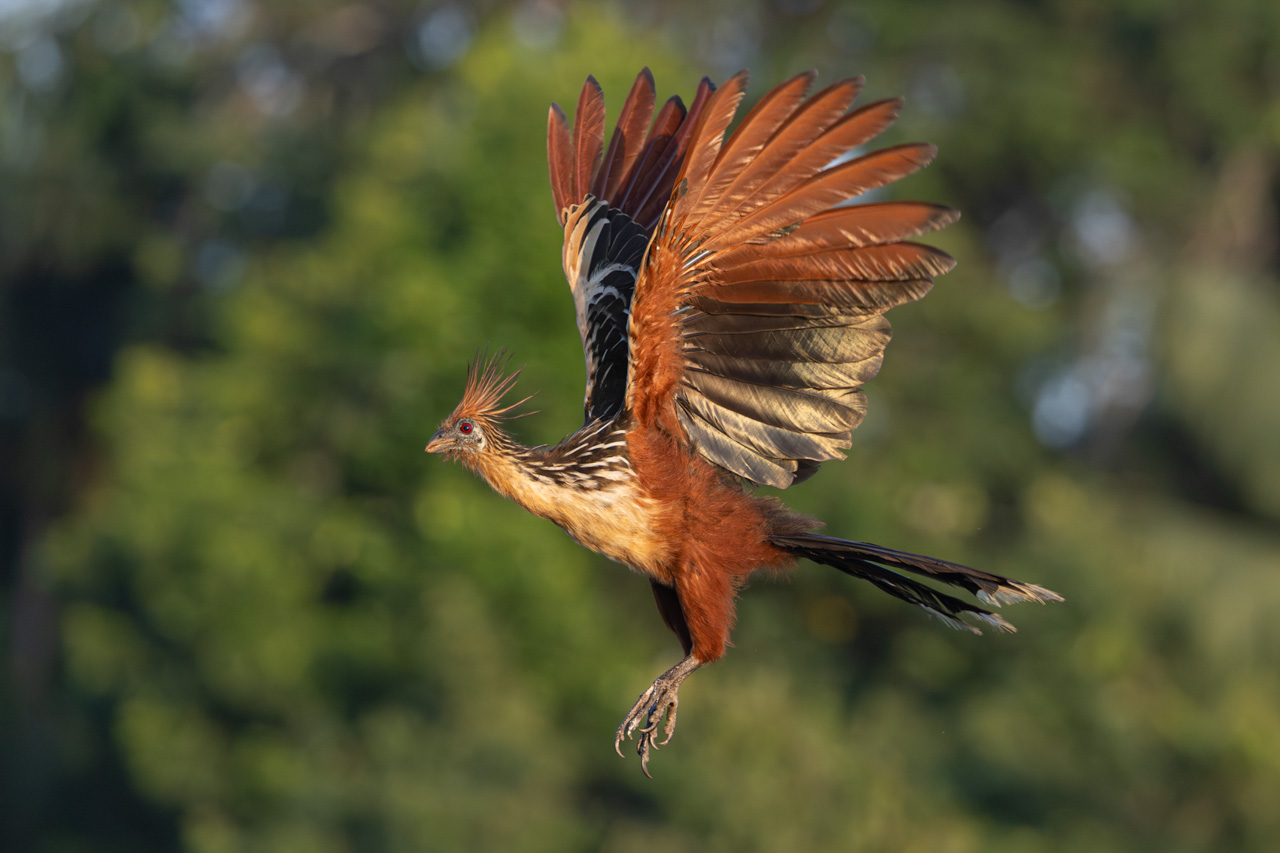
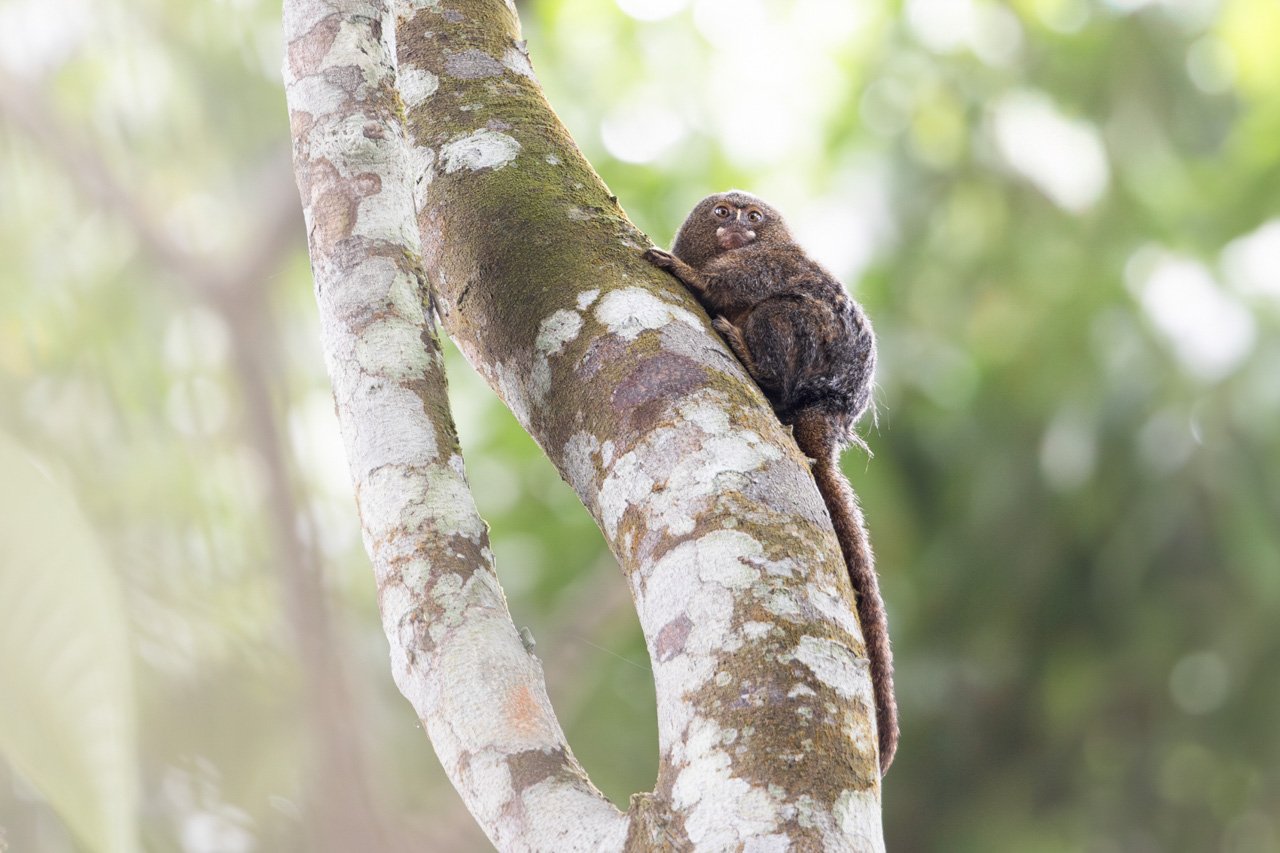
Led by local Kichwa guide Carlos, the group navigated narrow blackwater channels to reach a secluded lagoon. Early observations included the Hoatzin (Opisthocomus hoazin), a phylogenetically isolated species known for its unique digestive system and prehistoric appearance. The lagoon environment also yielded sightings of the Black-capped Donacobius and the Black Caiman, the latter being the largest predator in the Amazonian ecosystem.
Canopy Dynamics and Clay Licks
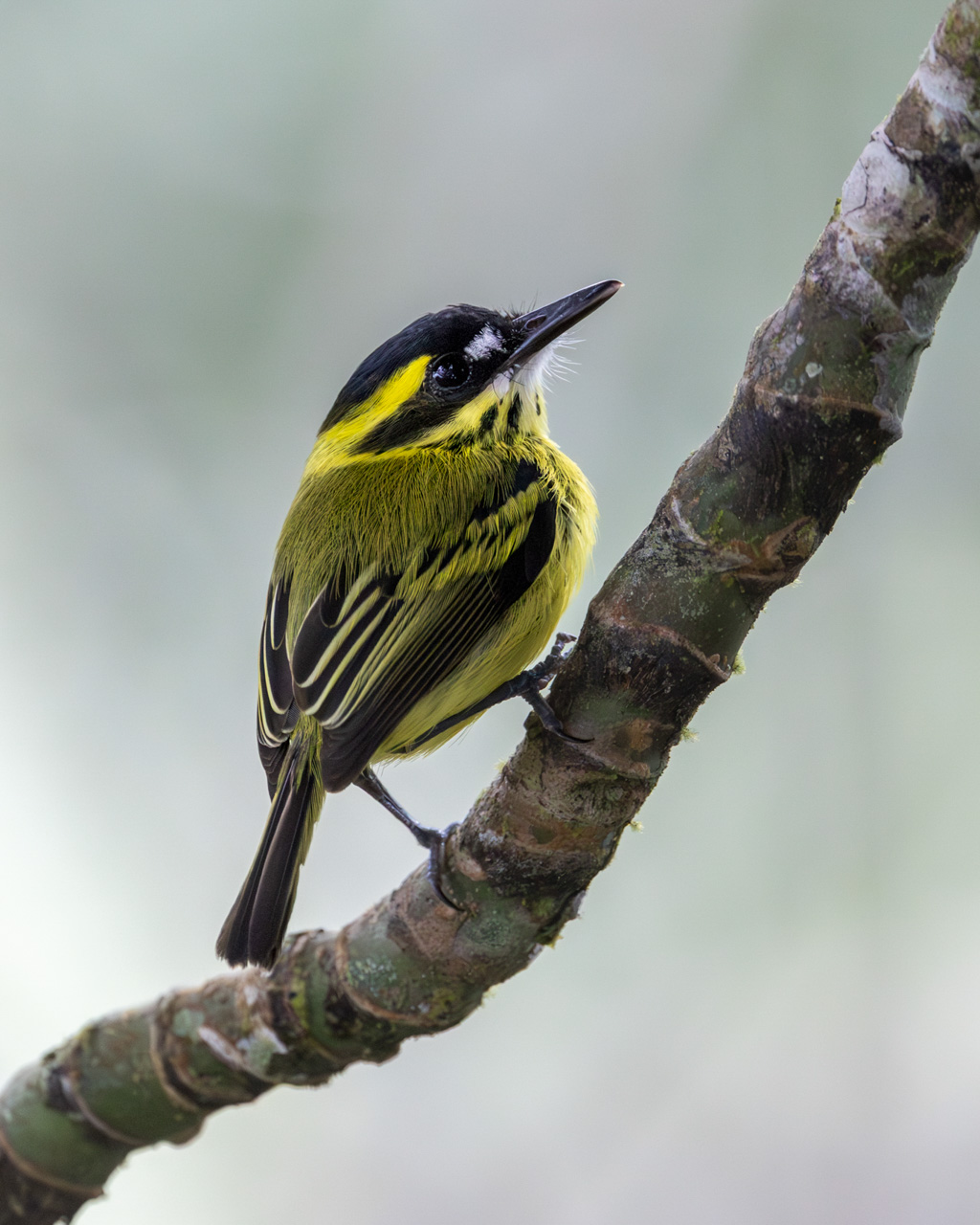
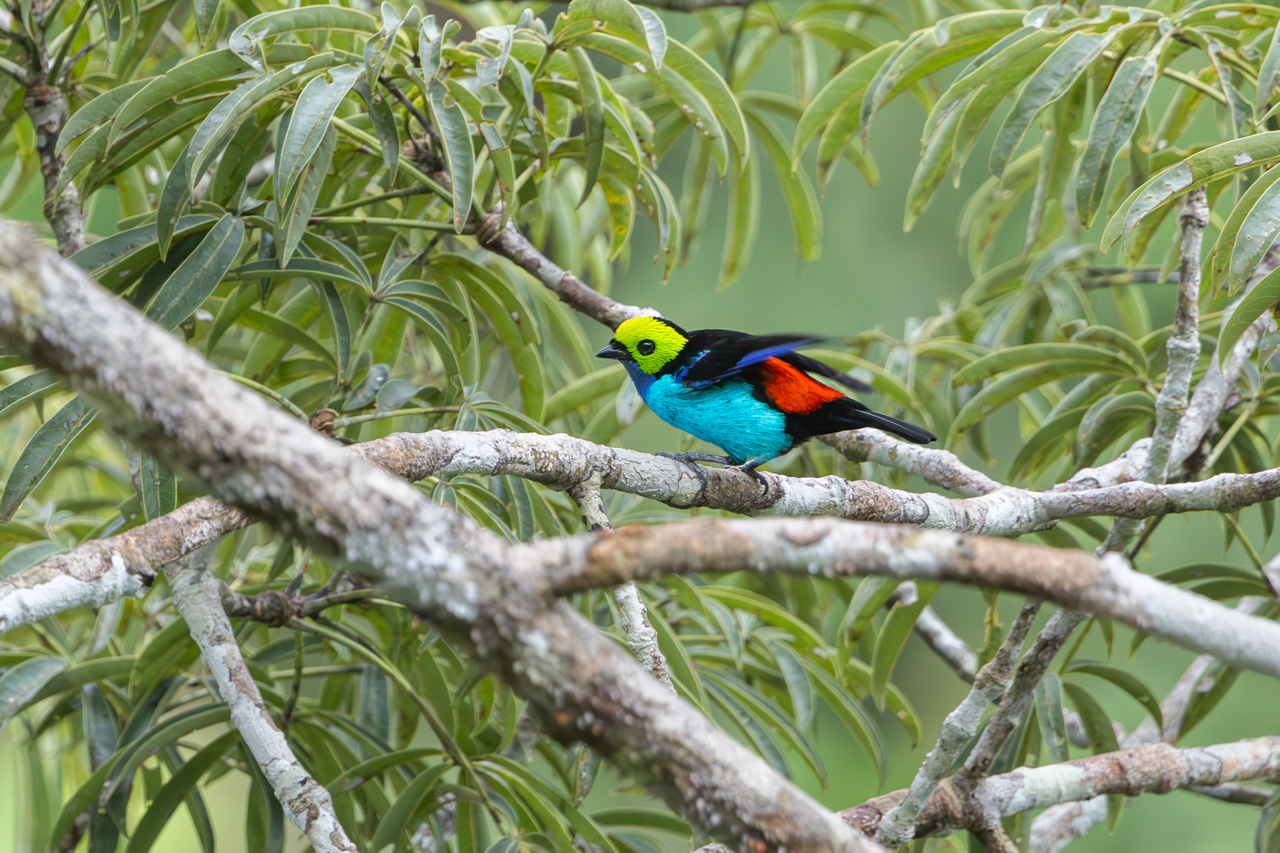
A pivotal component of the Amazonian leg was the utilization of a canopy tower built into a towering Ceiba (Kapok) tree. In the stratified layers of the rainforest, the majority of biological activity occurs in the canopy, often 30 to 40 meters above the forest floor. From this vantage point, the team documented the Yellow-browed Tody-Flycatcher, White-throated Toucans, and various tanagers. Such observations are critical for understanding the distribution of species that rarely descend to the lower understory.
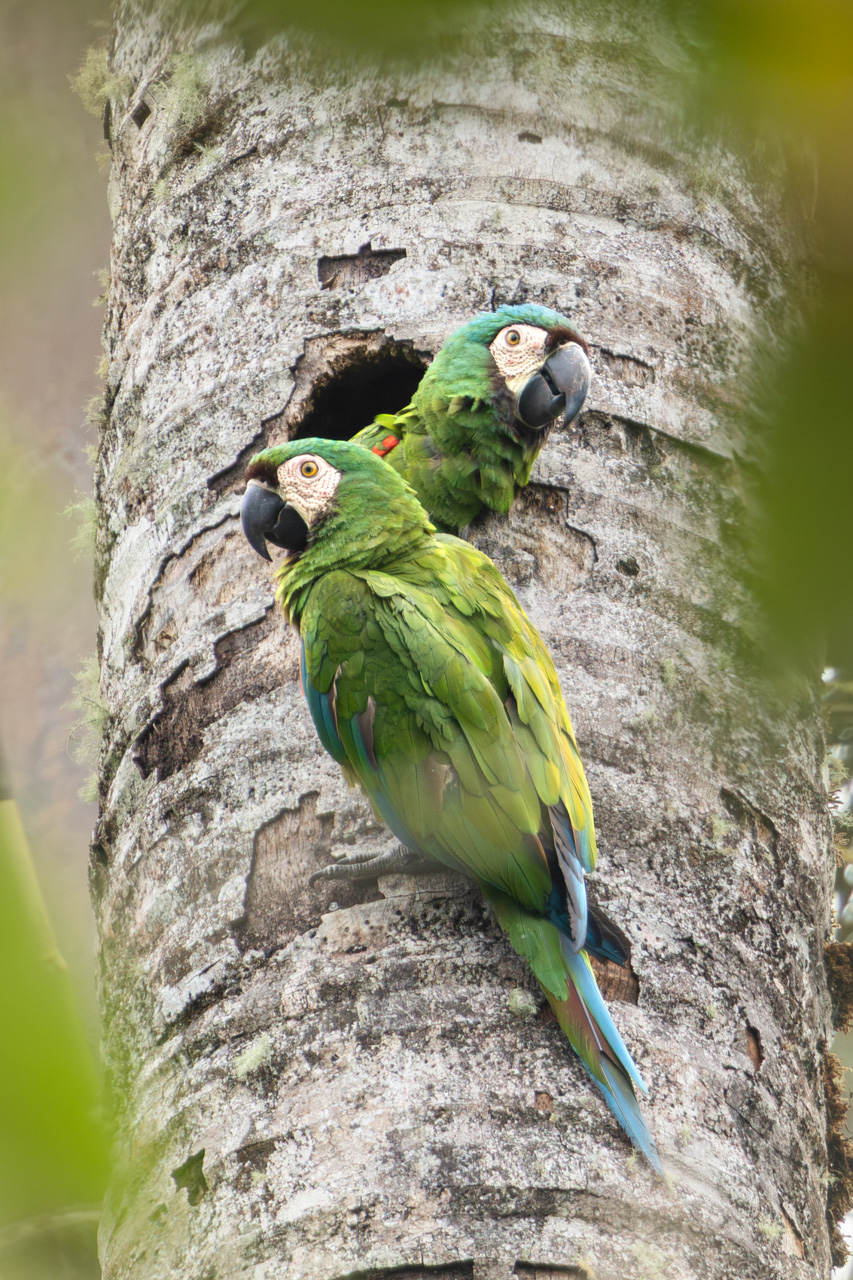
On April 23, the expedition visited the riverine clay licks, a geological phenomenon where psittacines—including Blue-headed Parrots and Mealy Amazons—gather to ingest mineral-rich soil. This behavior, known as geophagy, is essential for these birds to neutralize toxins found in the seeds and unripened fruits that constitute their diet. The presence of a Slate-colored Hawk during the visit illustrated the constant predatory pressure that dictates the behavior of these avian assemblies.
Ascending the Eastern Andes: From Foothills to Cloud Forests
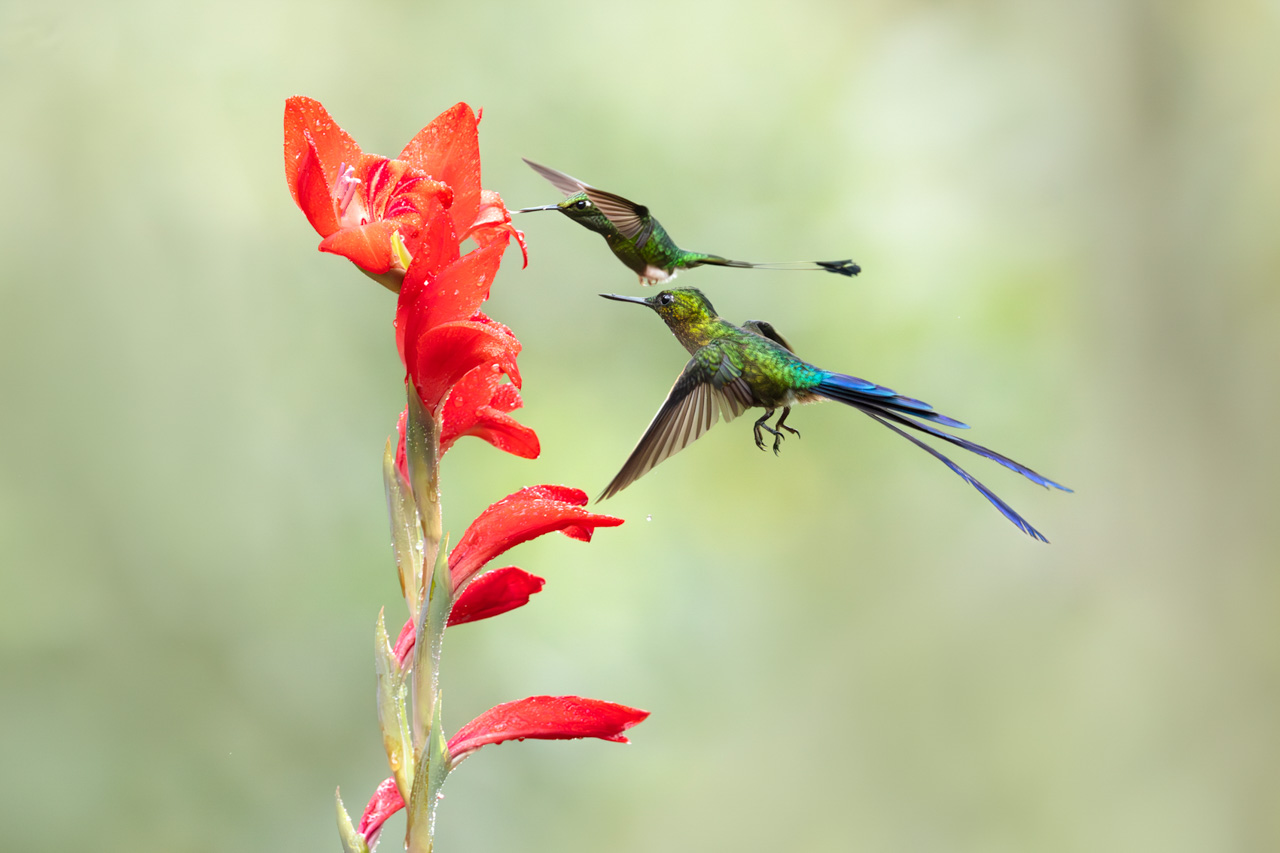
On April 25, the expedition shifted its focus toward the Andean foothills, moving from the lowland heat to the temperate cloud forests of the eastern slope. This transition zone is characterized by high endemism and rapid changes in species composition over short altitudinal distances. A stop at Wildsumaco revealed the diversity of the Trochilidae (hummingbird) family, with 15 species recorded at a single location, including the Wire-crested Thorntail and the Napo Sabrewing.
The San Isidro and Guango Corridor
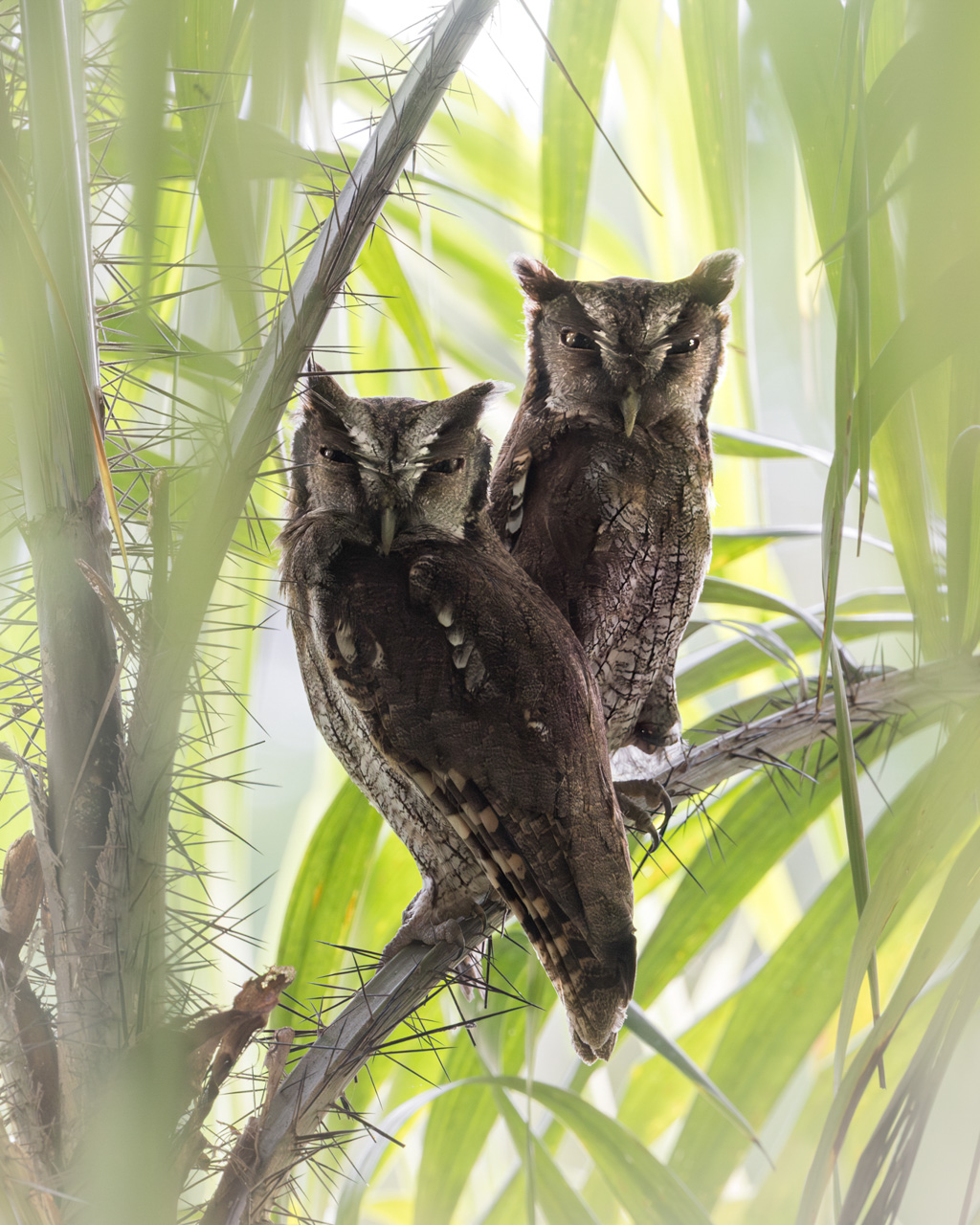
The group established a base at San Isidro Lodge, a site renowned for its "mystery" owl—a population of Black-banded Owls (Strix nigrolineata) that exhibits unusual plumage and vocalizations, suggesting a potential new subspecies or a significant range extension. The lodge also provided a rare encounter with the Mountain Tapir (Tapirus pinchaque), a "vulnerable" species according to the IUCN. With fewer than 2,500 individuals remaining in the wild, the sighting of an adult female with a calf highlights the importance of private reserves in providing corridors for megafauna.
By April 27, the team reached Guango Lodge, located at a higher elevation where the flora is dominated by orchids and bromeliads. The avian highlights here included the Torrent Duck (Merganetta armata), a species specialized for life in high-velocity mountain streams. Their presence is often used by ecologists as an indicator of high water quality and healthy riparian ecosystems.
The High Andes and the National National Park System
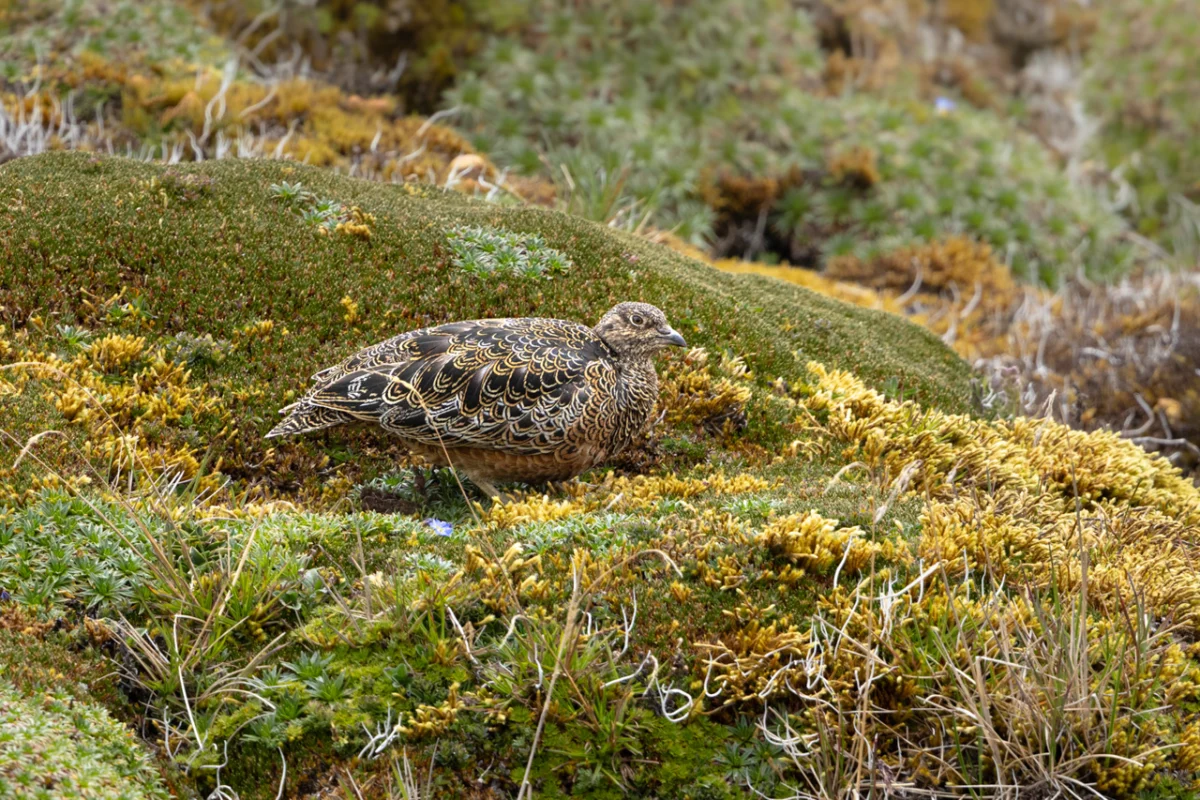
The expedition reached its highest altitudinal point on April 28, surpassing 4,000 meters in the windswept páramo. This alpine tundra ecosystem is vital for Quito’s water supply, acting as a giant sponge that regulates runoff from glacial melt and rainfall. Here, the team located the Rufous-bellied Seedsnipe, a shorebird relative that has evolved to survive in the harsh, low-oxygen environment of the high Andes.
The Andean Condor and Conservation Efforts
A visit to Antisana National Park on April 29 provided a significant encounter with the Andean Condor (Vultur gryphus). As the national symbol of Ecuador, the condor is currently listed as "Critically Endangered" within the country, with a national census estimating a population of only 150 individuals. The observation of several condors soaring over the páramo underscores the success of the Antisana reserve in protecting the large territories required by these scavengers. The group also documented the interaction between Carunculated Caracaras and Andean Ibises, providing photographic evidence of interspecies competition in the high-altitude grasslands.
The Western Slope: The Chocó-Andean Corridor
The final phase of the journey, beginning April 30, took the team to the Tandayapa Valley on the western slope of the Andes. This region is part of the Chocó-Andean corridor, a global biodiversity hotspot characterized by extremely high rainfall and a unique set of species distinct from those on the eastern slope.
The "Angel Paz" Phenomenon and Ecotourism Models
On May 1, the group visited Refugio Paz de las Aves, a site of immense significance in the history of Neotropical birding. The reserve’s founder, Angel Paz, gained international recognition for developing a method to habituate elusive antpittas—specifically the Giant Antpitta—using earthworms. Historically, antpittas were among the most difficult birds to observe due to their shy nature and dense forest habitat. This site serves as a primary case study for how small-scale landowners can transition from subsistence farming to high-value ecotourism, providing a sustainable economic incentive for forest preservation.
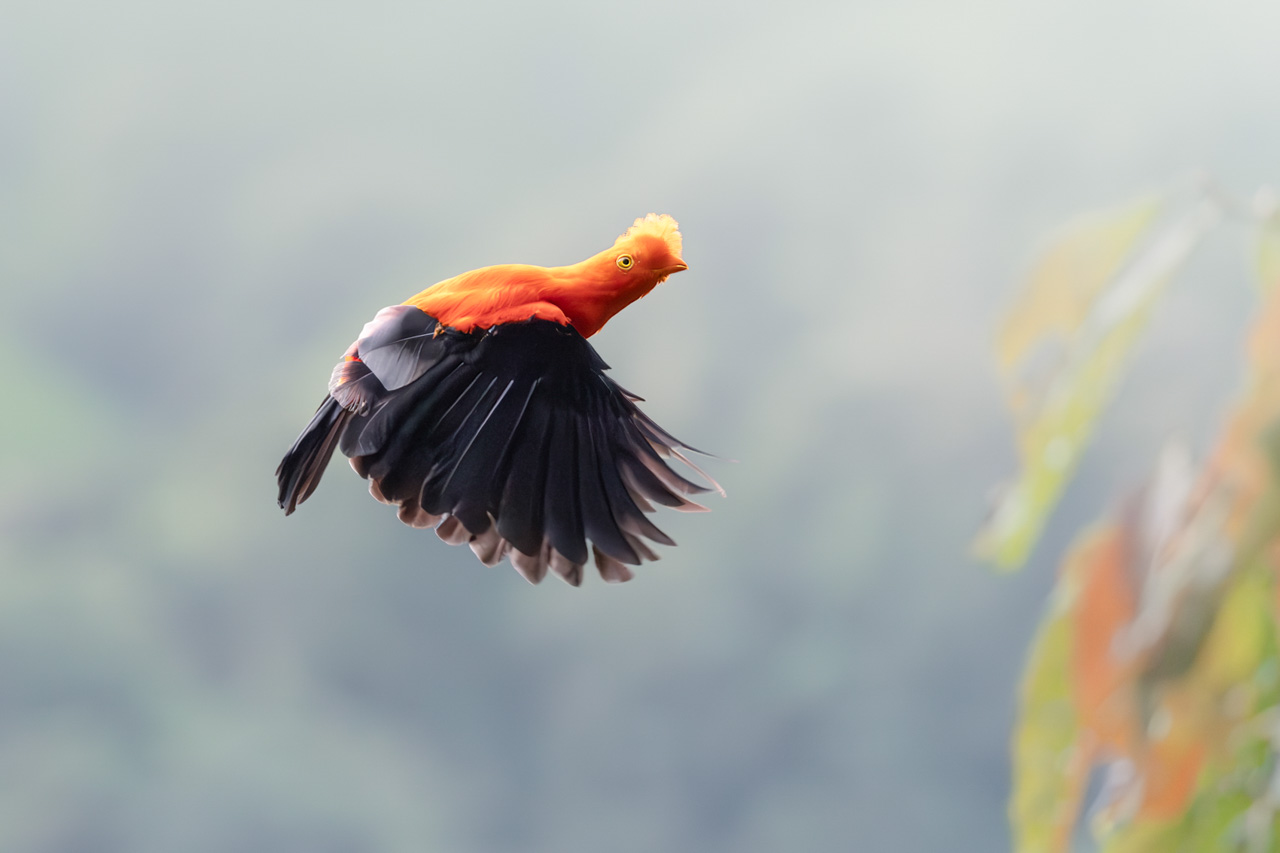
The team also documented the Andean Cock-of-the-rock at a "lek"—a communal display ground where males perform elaborate rituals to attract females. Such sites are critical for the reproductive success of the species and are often the first habitats lost to deforestation or human encroachment.
Final Observations and Biological Significance
The expedition concluded with a survey of the high-elevation forests near the Pichincha Volcano. At the Zuro Loma and Yanacocha reserves, the team focused on the Sword-billed Hummingbird (Ensifera ensifera). This species possesses the longest bill relative to body size of any bird in the world, a unique evolutionary adaptation that allows it to pollinate deep-throated flowers like those of the Passiflora mixta.
Throughout the 14-day period, the expedition recorded several hundred species of birds and numerous mammals, contributing to the ongoing documentation of Ecuador’s avian distribution. The data gathered supports several key conclusions:
- Altitudinal Zonation: The expedition demonstrated that avian diversity in Ecuador is strictly partitioned by altitude, with almost entirely different species assemblages found at 500m, 2,000m, and 4,000m.
- Community Impact: The success of the Sani Isla Kichwa community and the Paz family demonstrates that local stewardship is the most effective tool for preventing the expansion of the agricultural frontier.
- Economic Value of Biodiversity: The continued interest from international photography groups provides the foreign exchange necessary to maintain private reserves that act as buffers for state-run national parks.
As the team returned to Quito on May 3, the expedition served as a reminder of the fragility of these ecosystems. While Ecuador remains a premier destination for naturalists, the habitats visited face ongoing threats from climate change, which is pushing high-altitude species further up the mountains, and infrastructure development in the Amazon. The photographic record and species lists generated during this journey provide a snapshot of a landscape that is as biologically precious as it is vulnerable.
