
Colombia continues to solidify its reputation as the world’s premier destination for avian biodiversity, a fact recently underscored by a comprehensive 14-day expedition across the Colombian Andes. The survey, which traversed the Eastern, Central, and Western ranges, documented a staggering 419 bird species, highlighting the ecological importance of the region’s diverse habitats, ranging from high-altitude páramos to lush cloud forests. This expedition comes at a time when Colombia is aggressively promoting ecotourism as a sustainable economic alternative, leveraging its status as the country with the highest number of bird species on Earth—currently exceeding 1,900.
The expedition served as a critical observation of habitat health and the success of local conservation initiatives. Participants and researchers engaged with a network of private reserves and national parks, documenting rare endemics and assessing the impact of community-led "feeder tourism," a model that has transformed local economies while providing a lifeline for endangered species.
The Eastern Andes and the High-Altitude Páramo
The survey commenced in the capital city of Bogotá, situated on a high plateau in the Eastern Andes. The initial phase focused on the unique páramo ecosystem, an alpine tundra habitat found only in the northern Andes. This ecosystem is often referred to as a "water factory" due to its role in capturing and regulating water for millions of citizens.
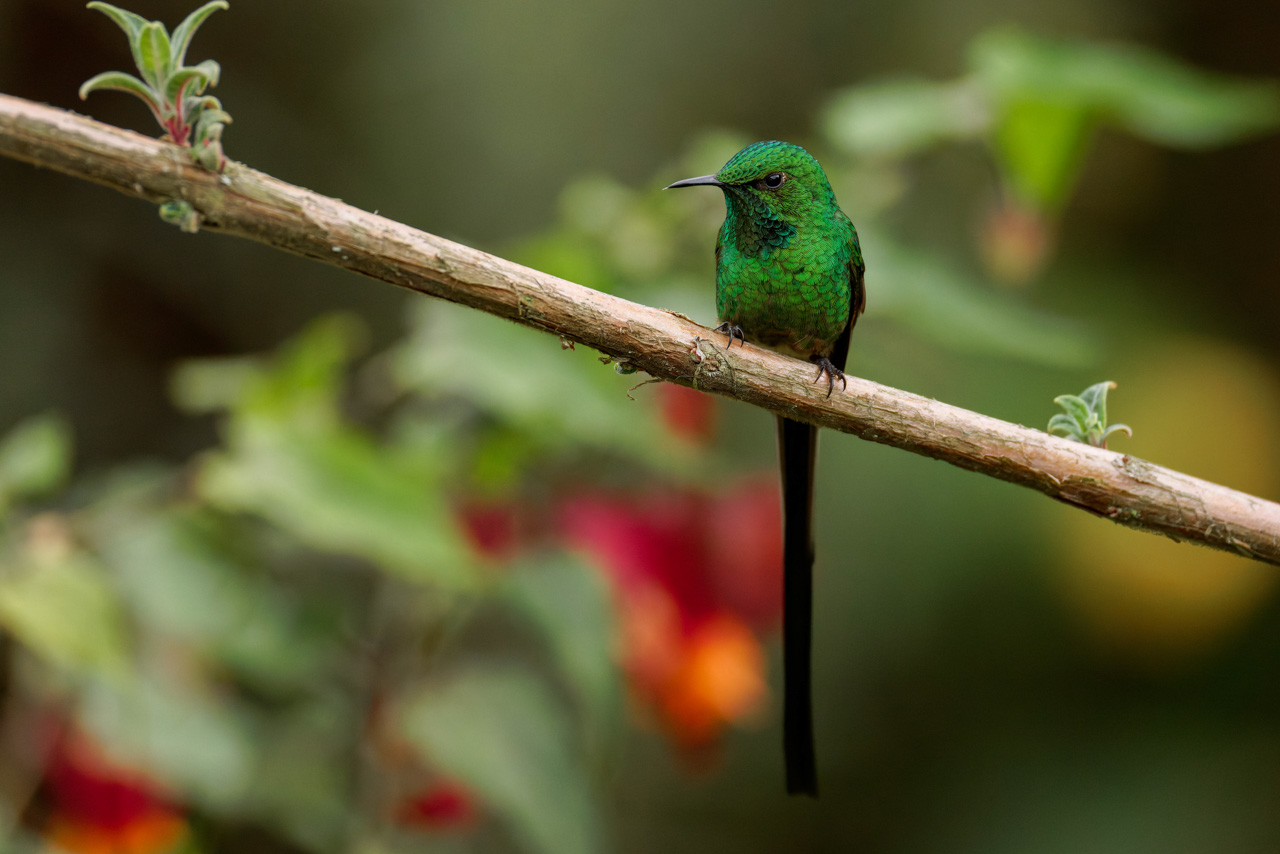
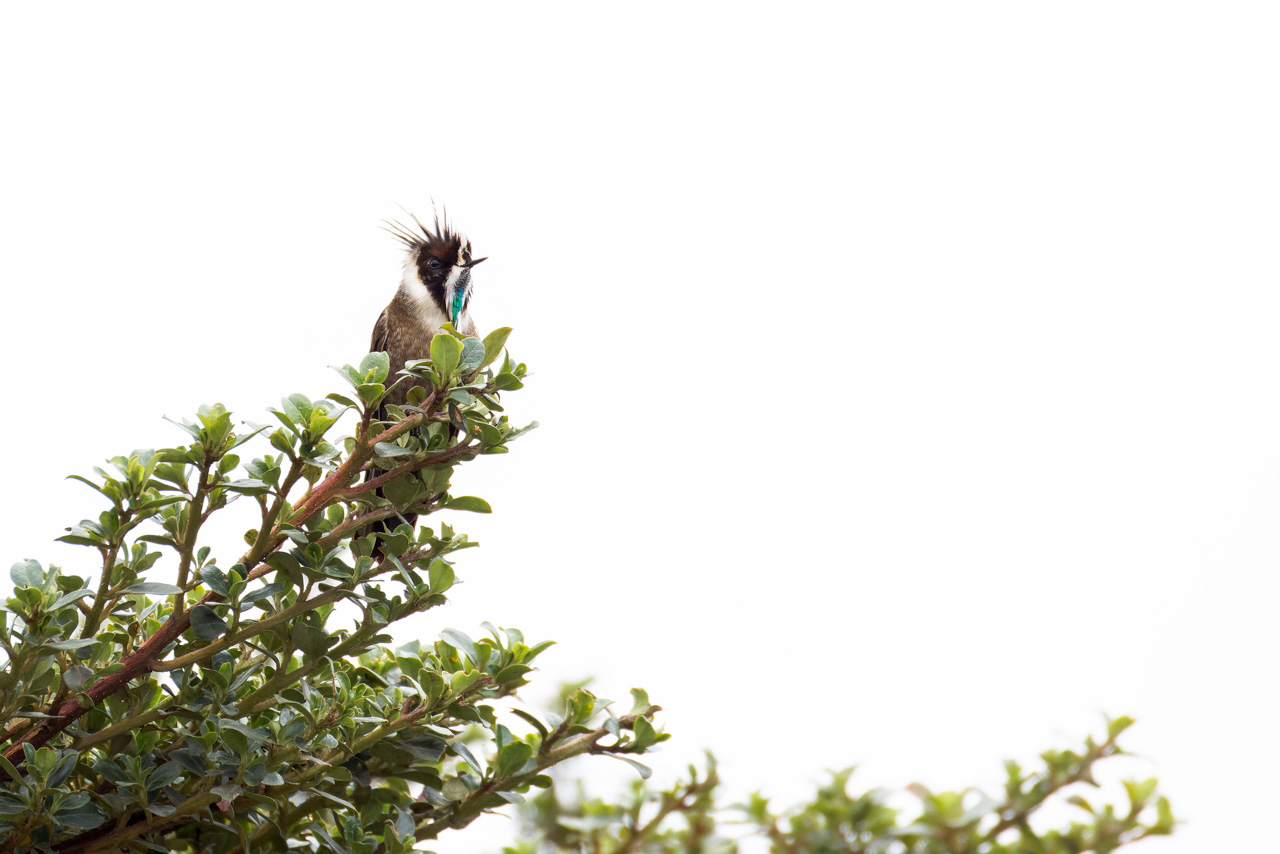
On the second day, the team moved through Reserva Chiguaza, an area characterized by edge habitats and local agriculture. Early observations included the Black-backed Grosbeak and the Green-tailed Trainbearer, a hummingbird noted for its exceptionally long tail feathers. However, the primary objective was the Sumapaz páramo, located at approximately 3,500 meters (11,500 feet). Here, the team successfully documented the Green-bearded Helmetcrest, an endemic hummingbird specifically adapted to the high-altitude flowering plants known as Espeletia. The presence of the Apolinar’s Wren and the Black-chested Buzzard-Eagle further confirmed the ecological stability of this fragile environment.
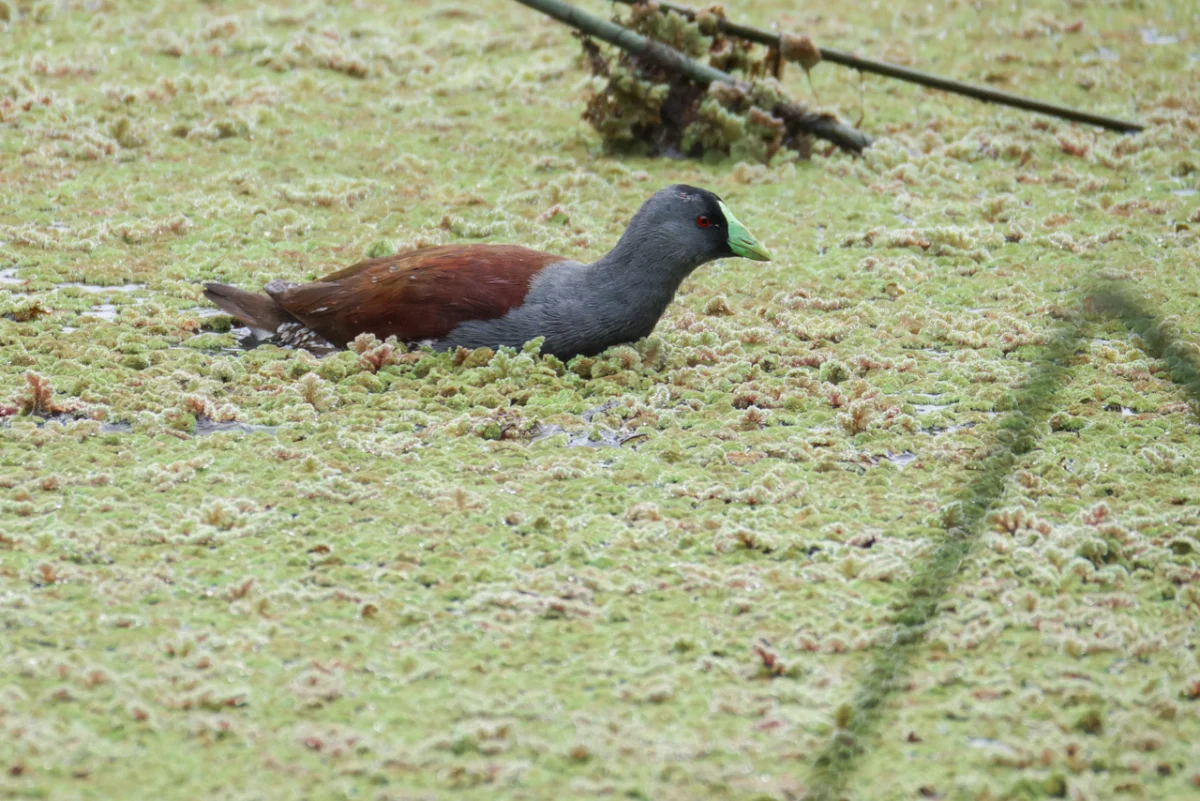
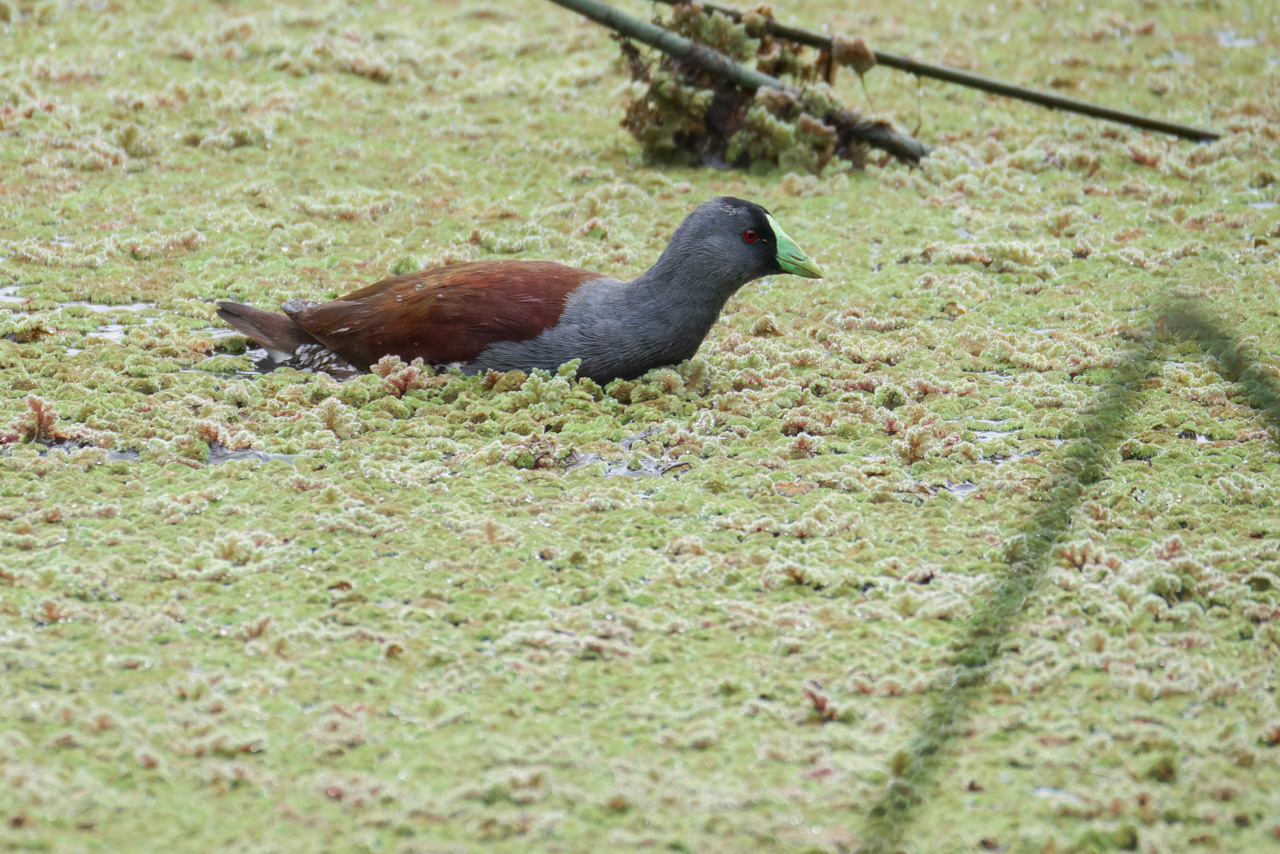
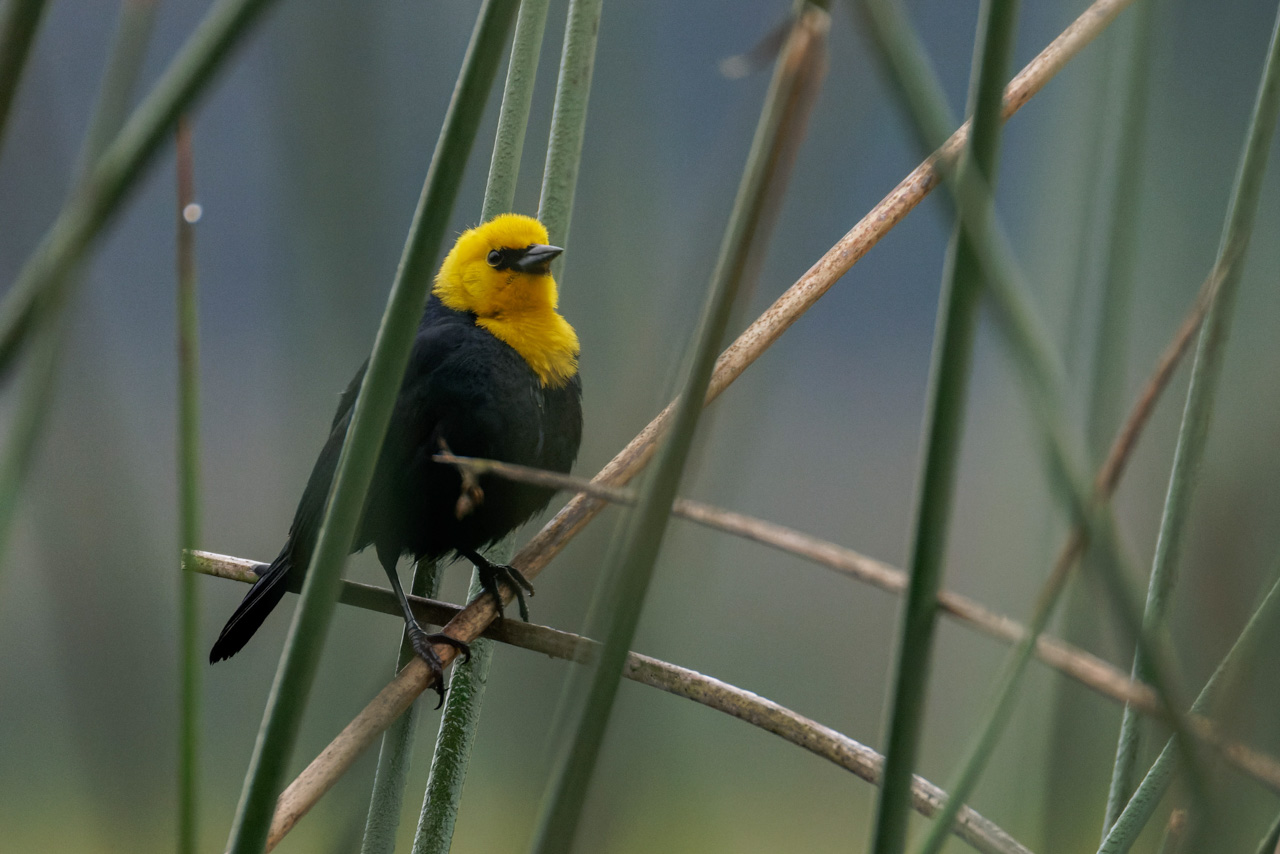
The transition from the Eastern to the Central Andes involved a stop at Parque La Florida. This urban wetland is vital for the survival of the endemic Bogotá Rail. Although the species is notoriously shy, its vocal presence indicates that even fragmented urban wetlands can support specialized avian life if managed correctly. The survey also recorded the Yellow-hooded Blackbird and the Torrent Tyrannulet, the latter of which is a specialist of fast-flowing mountain streams.
Central Andes: Conservation Success Stories
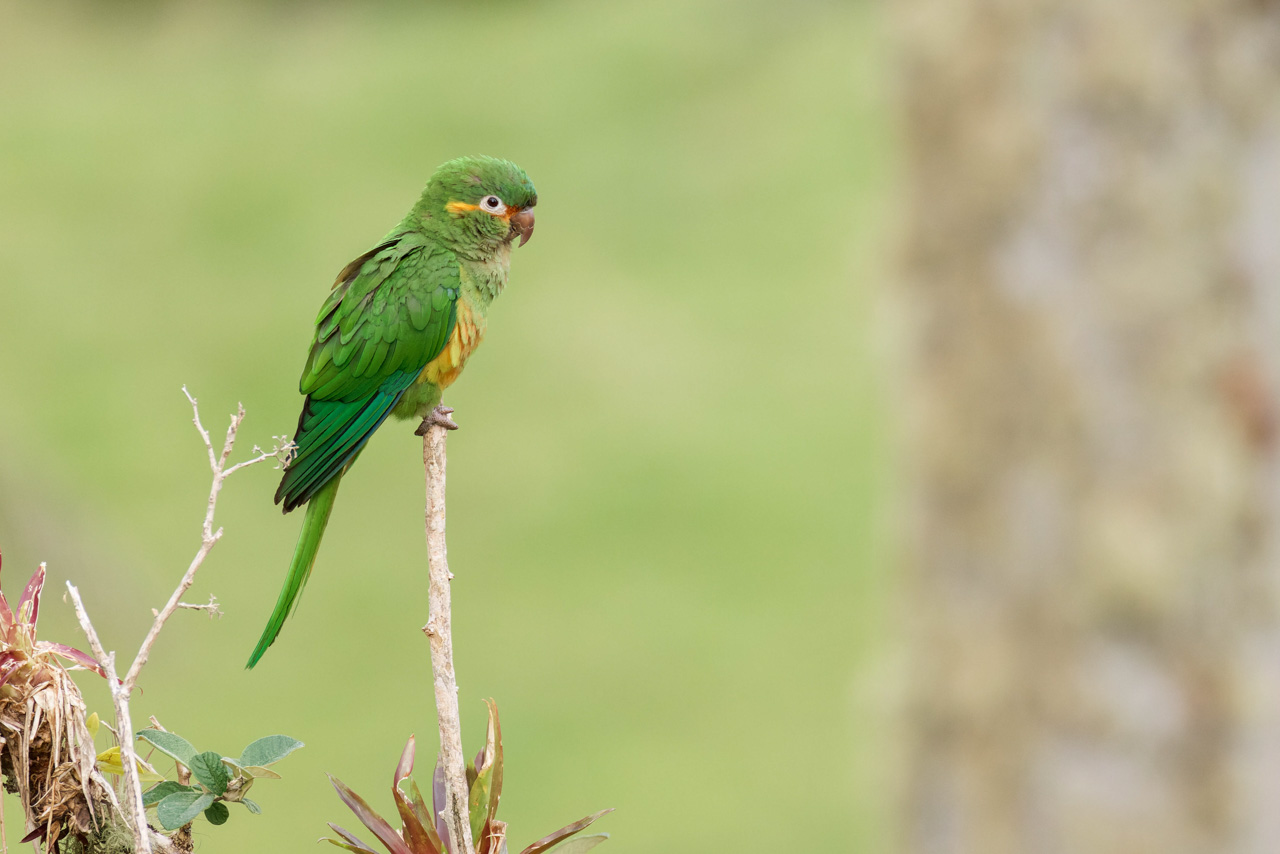
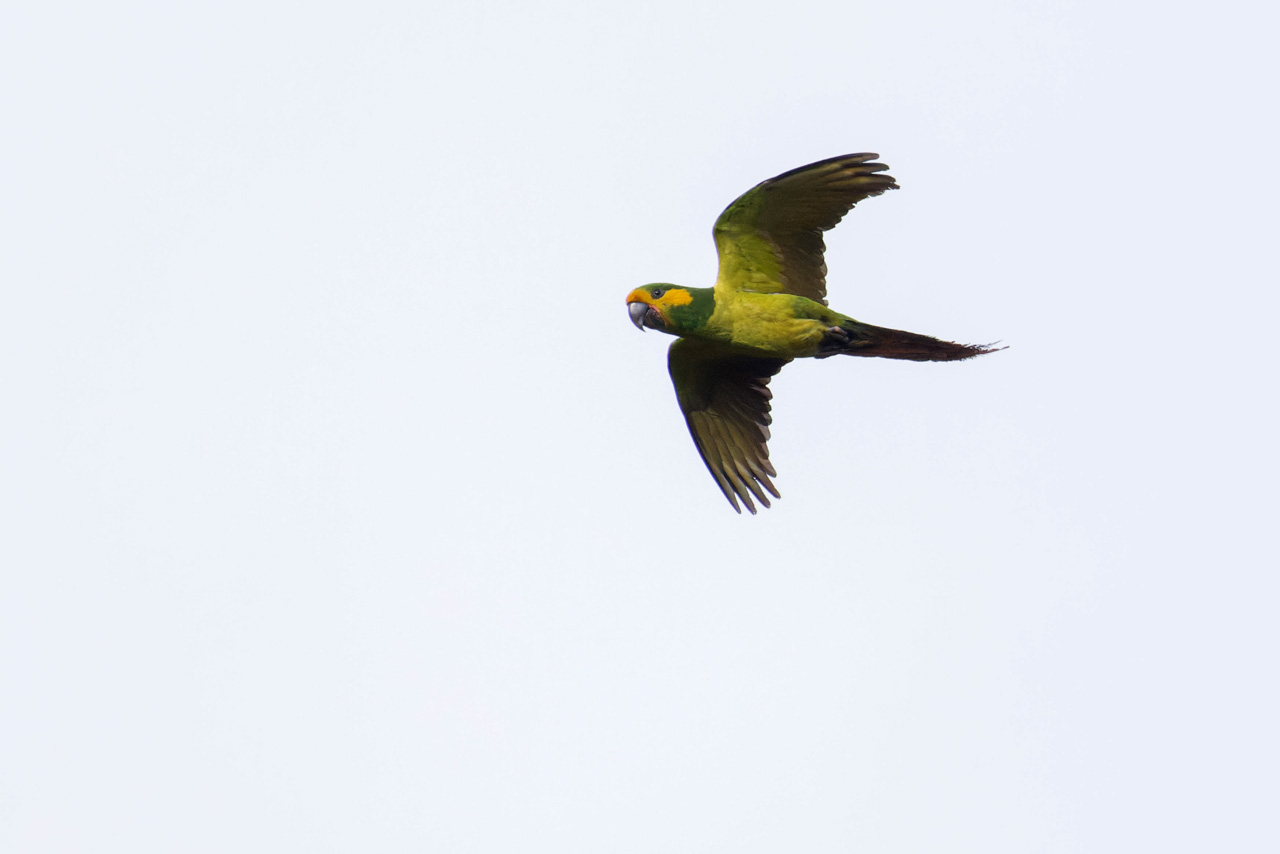
As the expedition moved into the Central Andes, the focus shifted toward some of Colombia’s most significant conservation success stories. At Vereda Potosí, the team observed the Yellow-eared Parrot (Ognorhynchus icterotis). This species was once on the brink of extinction due to the destruction of the Quindío wax palm, its primary nesting site. Intense conservation efforts over the last two decades have seen its population rebound, and its presence during this survey serves as a testament to the efficacy of targeted habitat protection.
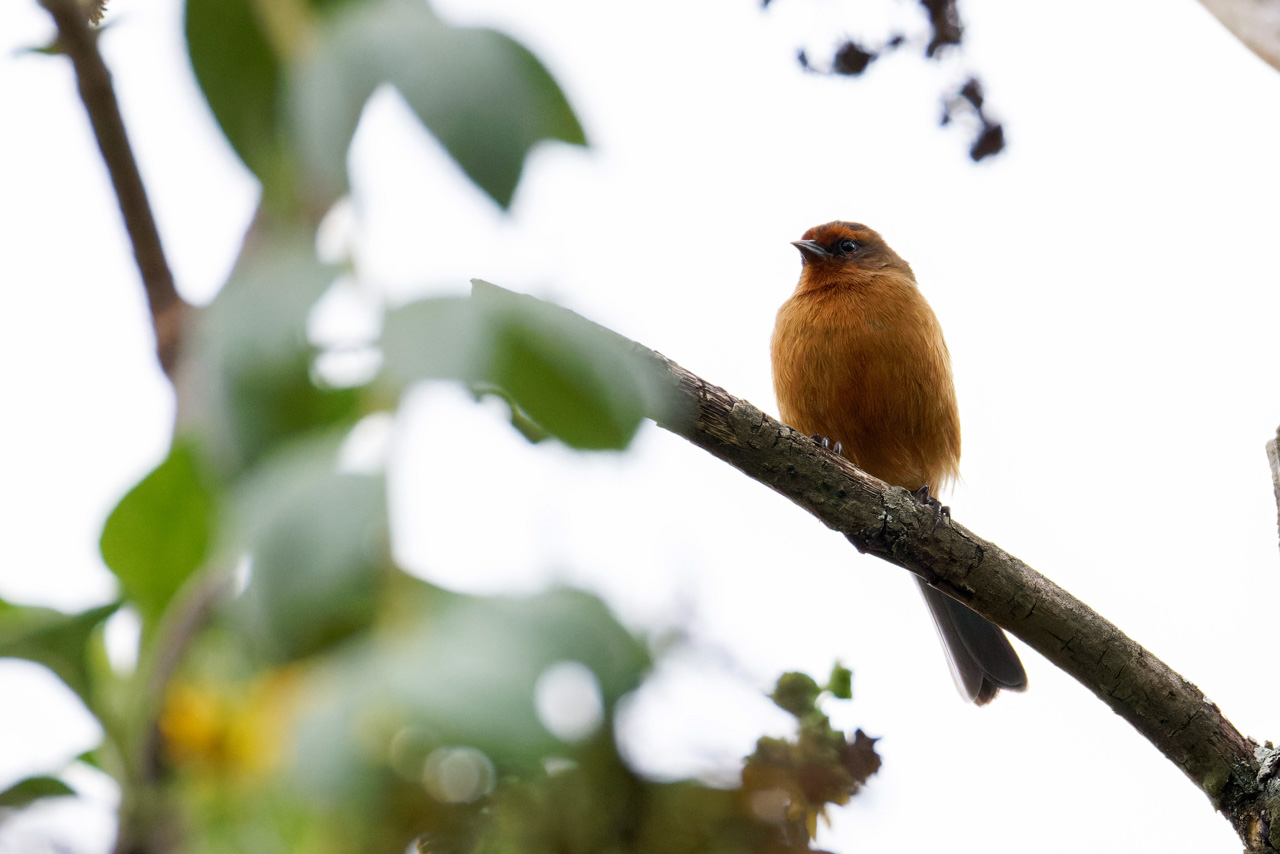
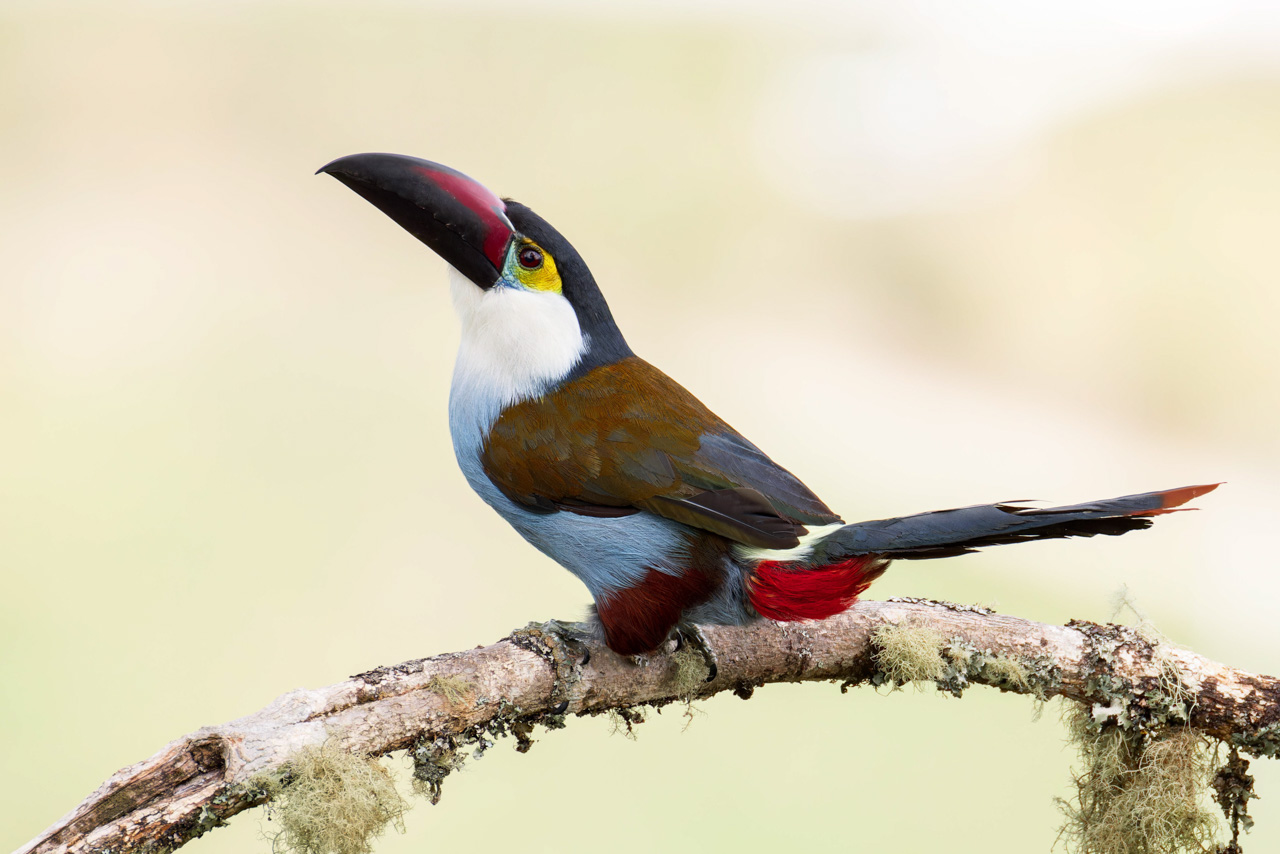
Another highlight of the Central Andes was the sighting of the Black-billed Mountain-Toucan and the Gray-breasted Mountain-Toucan. These large, colorful birds are indicators of healthy, high-altitude cloud forests. The survey also utilized specialized feeding stations at Hacienda El Bosque and Reserva Ecológica Río Blanco. These locations are world-renowned for their "Antpitta feeding" programs. Antpittas are elusive, ground-dwelling birds that were historically almost impossible to see. By habituating individual birds to mealworms, these reserves have created a sustainable tourism model that funds forest protection. The team successfully recorded the Chestnut-crowned, Brown-banded, and Slate-crowned Antpittas, providing rare photographic documentation of these "skulkers."
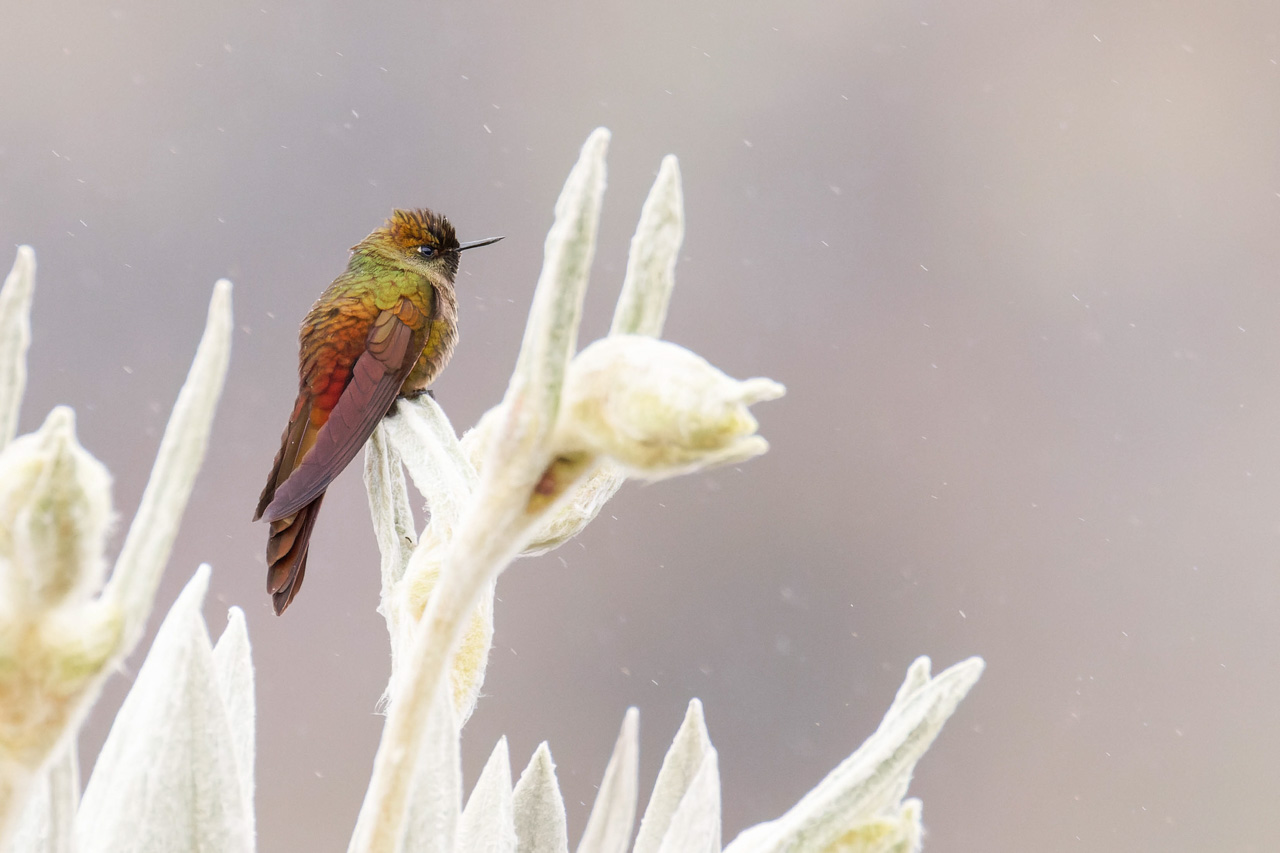
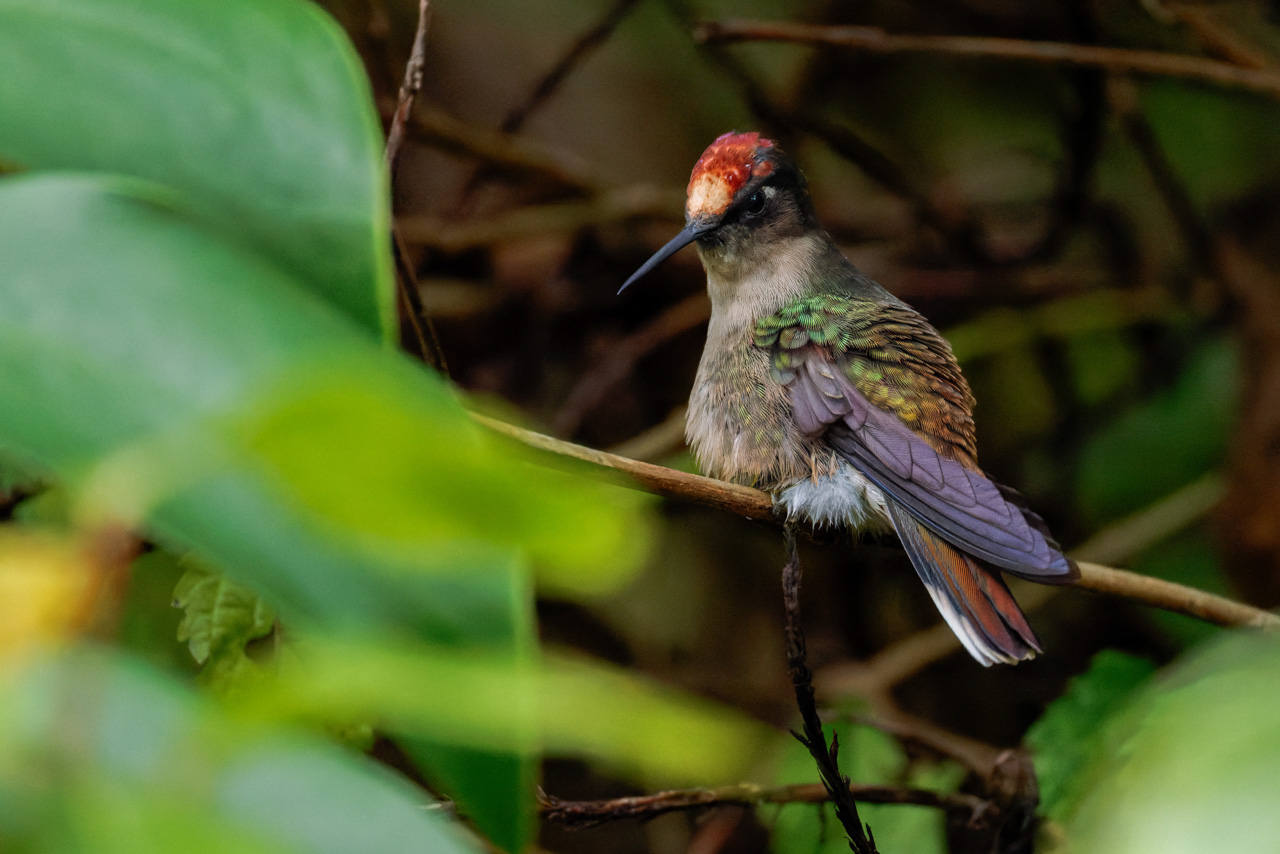
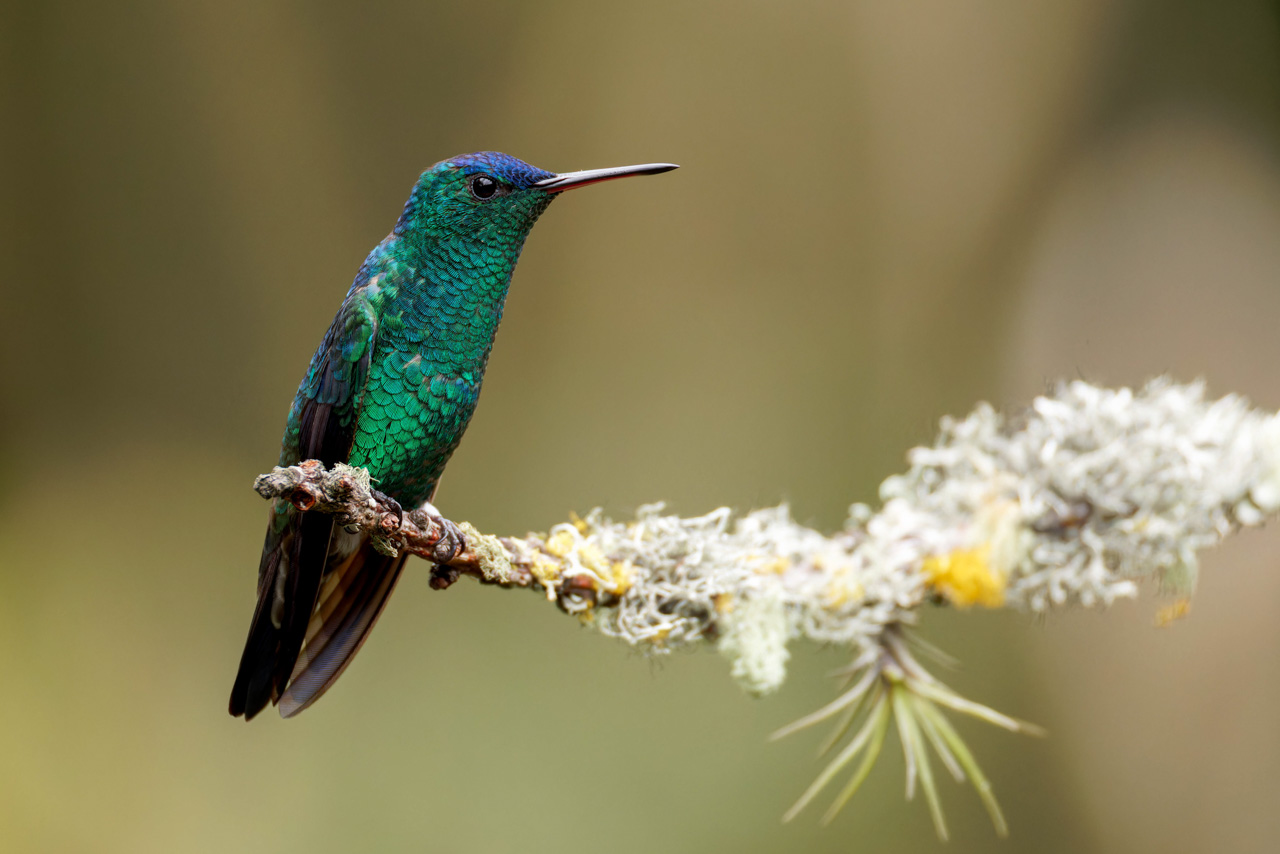
The Central Andes leg concluded at Parque Nacional Natural (PNN) Los Nevados, reaching an altitude of 4,200 meters (13,800 feet). Despite the thin air and harsh conditions, the team located the Buffy Helmetcrest, another high-altitude specialist. The diversity of hummingbirds in this region—including the Great Sapphirewing, the world’s second-largest hummingbird, and the Sword-billed Hummingbird—highlights the intense niche specialization occurring in the Andean cordilleras.
The Western Andes: Endemism and the Chocó Influence
The final third of the expedition focused on the Western Andes, specifically the Montezuma area within the PNN Tatamá. This region is influenced by the Chocó bioregion, one of the wettest and most biodiverse places on the planet. The Montezuma road is famous among ornithologists for its high concentration of endemic species—birds found nowhere else on earth.
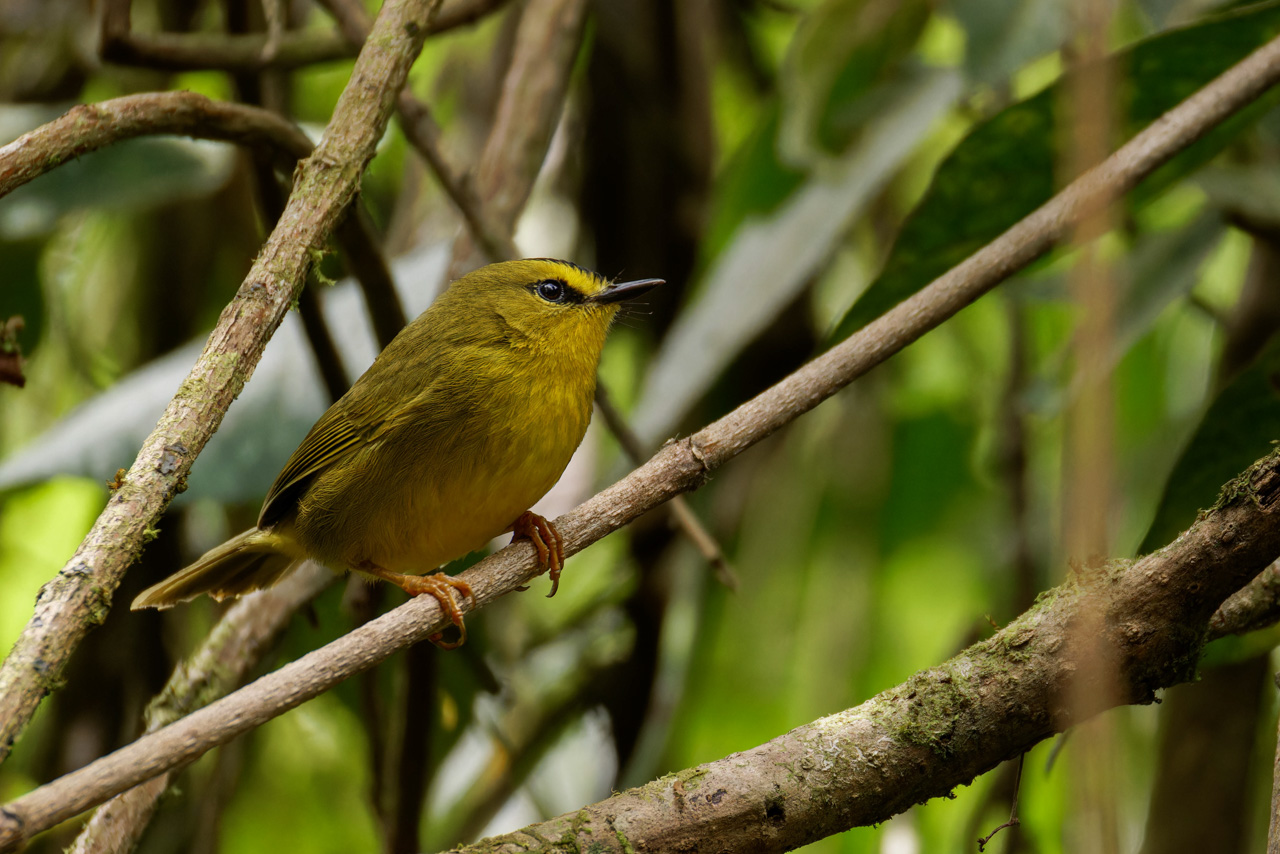
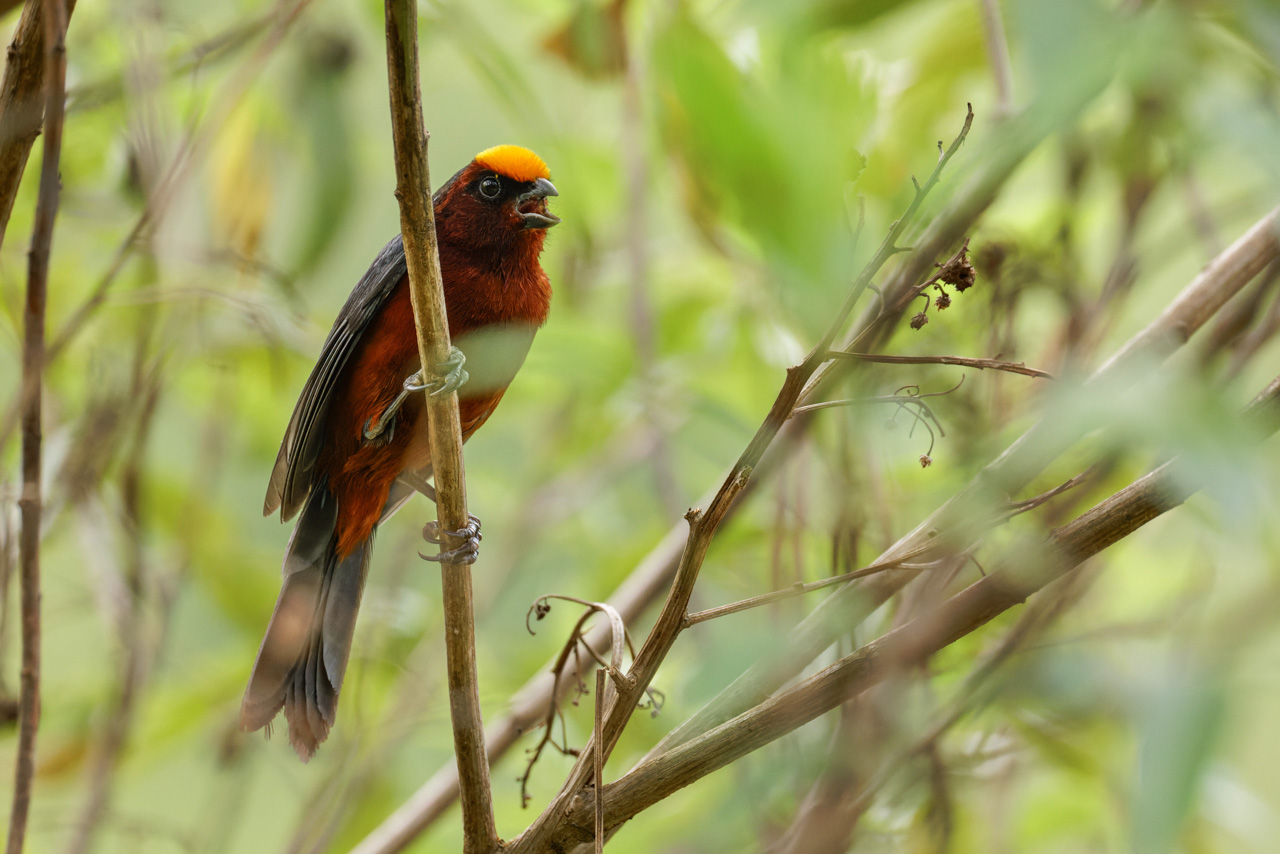
Over three days in Montezuma, the survey recorded the Gold-ringed Tanager, the Black-and-gold Tanager, and the Munchique Wood-Wren. These species are restricted to very narrow elevational bands, making them highly vulnerable to climate change. The observation of the Toucan Barbet and the Glistening-green Tanager underscored the vibrant plumage diversity that characterizes the Western Andes.
A significant observation in this region was the presence of the Cauca Guan. Once feared extinct, this species has seen a localized recovery in protected areas like Parque Regional Ucumarí. The team’s encounter with these birds, alongside Red-ruffed Fruitcrows, suggests that the corridor between the Western and Central Andes remains a viable pathway for large, fruit-eating birds that require extensive forest cover.
Lowland Riparian Habitats and the Cauca Valley
Descending from the rugged mountains, the expedition surveyed the Laguna de Sonso, a critical wetland complex in the Cauca Valley. Unlike the cloud forests, this area consists of lowland riparian habitats and open water. Here, the biodiversity shifted toward aquatic and open-country species.
The team documented five Common Potoos—nocturnal birds known for their masterful camouflage—roosting in broad daylight. Other significant sightings included the Horned Screamer, a large, primitive-looking bird related to ducks, and the Spectacled Parrotlet. A canoe survey of the canals yielded three species of Kingfishers (Ringed, Green, and Amazon) and the Roseate Spoonbill, illustrating the connectivity between the Andean watersheds and the valley floor.
Final Observations and the "Lek" Phenomenon
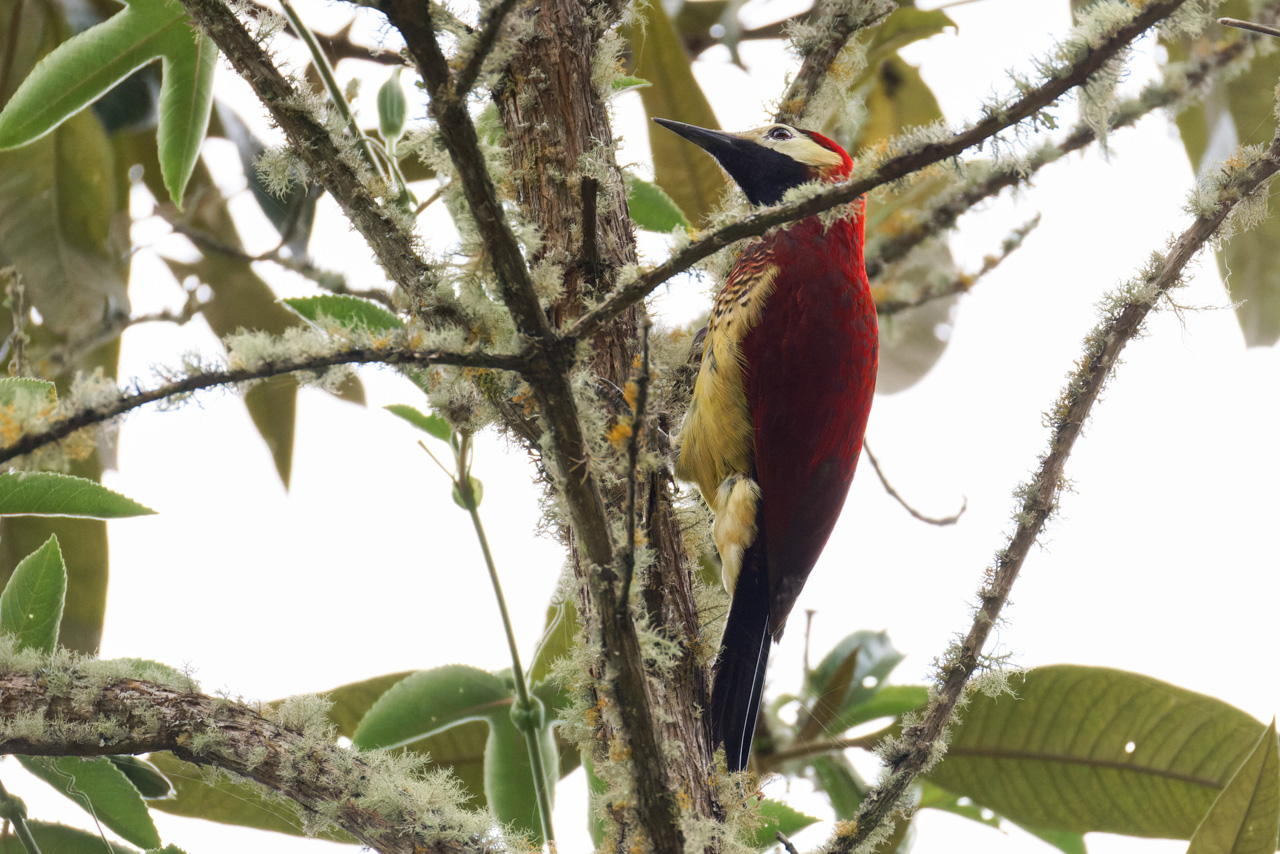
The expedition’s final days were spent in the cloud forests above Cali at locations like Doña Dora and La Florida Bosque de Las Aves. A primary objective was the observation of an Andean Cock-of-the-Rock "lek." A lek is a communal display area where males perform elaborate dances and vocalizations to attract females. The team observed at least six brilliant red males engaged in this competitive display, a behavioral highlight that remains one of the most spectacular sights in the Neotropics.

The survey concluded with a focus on the Multicolored Tanager, a bird that embodies the aesthetic appeal of Colombian birding. This species, along with the Chestnut Wood-Quail, visited feeders at La Florida, allowing for close-range study. The ability of these species to coexist with small-scale eco-lodges suggests that "garden-based" conservation can play a major role in protecting biodiversity in agricultural landscapes.
Implications for Ecotourism and Science
The recording of 419 species over 14 days is more than a recreational achievement; it provides a snapshot of the current state of Colombian biodiversity. The data gathered contributes to "citizen science" databases like eBird, which researchers use to track migration patterns and population shifts.
From a socio-economic perspective, the expedition highlights the growing infrastructure for nature tourism in Colombia. The transition from general agriculture to specialized birding tourism in places like Montezuma and Río Blanco has provided local communities with a sustainable income that relies on keeping forests standing rather than clearing them for cattle or crops.

However, the survey also identified potential threats. The "horrendous traffic" noted leaving Bogotá and the encroachment of farms near high-altitude reserves serve as reminders of the constant pressure from human expansion. The survival of specialists like the Green-bearded Helmetcrest or the Munchique Wood-Wren depends entirely on the preservation of their specific, narrow habitats.

Conclusion
The 14-day trek across the Colombian Andes confirms that the country remains a vital bastion for global avian life. With 419 species identified, the expedition showcased the incredible variety of the Eastern, Central, and Western ranges. As Colombia continues to develop its ecological infrastructure, the collaboration between international observers and local guides—such as the "Luz and Pablo" mentioned by participants—will be essential in ensuring that these "flying jewels" of the Andes continue to thrive for future generations. The success of this survey reinforces the narrative that in the realm of biodiversity, Colombia is not just a participant, but a global leader.
