
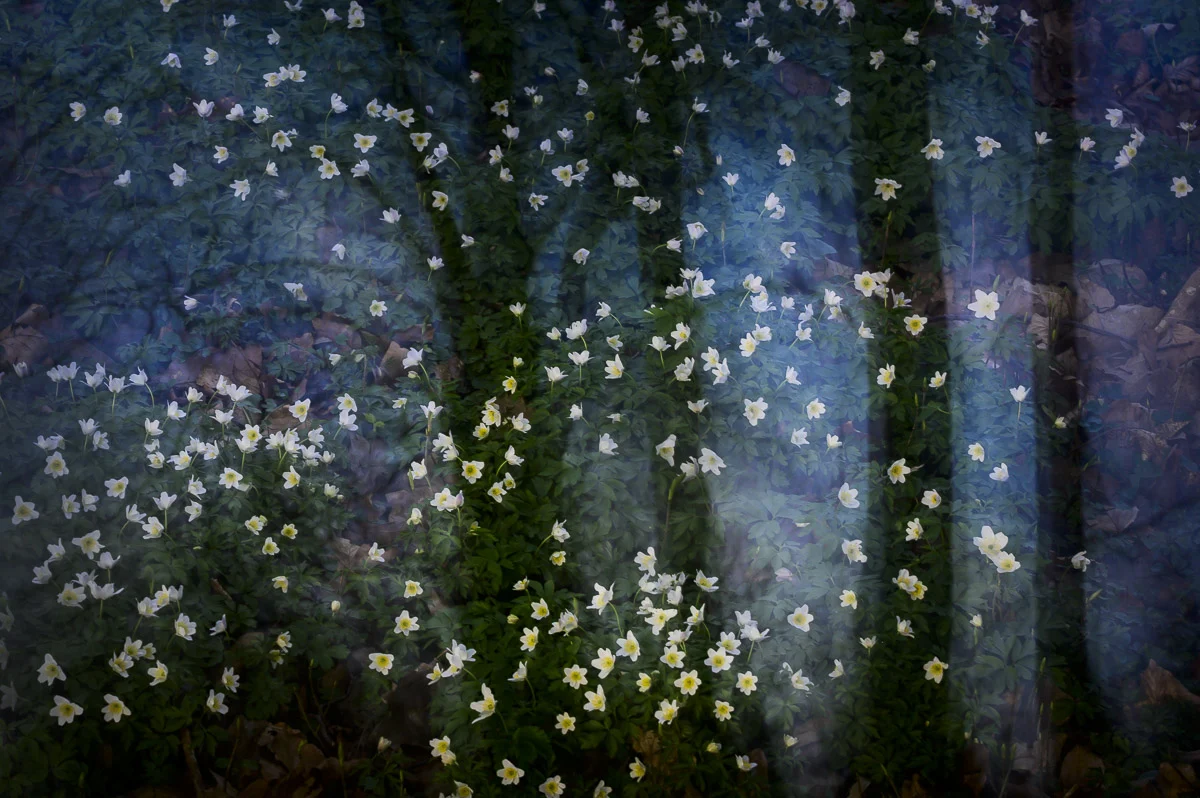
In the pursuit of capturing a compelling photograph, many individuals instinctively focus on the final output: the sharpness of detail, the strength of composition, the harmonious palette of colors. While these elements undeniably contribute to a visually pleasing image, a growing number of seasoned practitioners, including a prominent nature photographer, argue that the true essence of a powerful photograph emerges long before the shutter clicks, deep within the immersive process on location. This philosophy champions receptivity, adaptability, and an interactive dialogue with the environment, rather than the rigid pursuit of a predefined "target photo."
The Shifting Paradigm in Photographic Practice
The conventional wisdom in photography often steers aspiring artists towards a checklist approach, emphasizing technical settings, compositional rules, and pre-visualization techniques. While foundational knowledge of aperture, shutter speed, ISO, and principles like the rule of thirds or leading lines is indispensable, an over-reliance on these can inadvertently stifle spontaneity and genuine connection with the subject. For many, the expectation is to arrive at a scene with a clear mental image of the desired outcome, then execute the necessary steps to achieve it.

However, the natural world rarely conforms to human expectations. Light conditions are ephemeral, wildlife movements are unpredictable, and atmospheric elements can shift in an instant. This inherent variability necessitates a flexible and responsive approach, one that views the photographic journey as an exploration rather than a mere execution of a plan. As the photographer articulates, the critical phase unfolds "out on location, in the moment of working." It involves a profound engagement with the scene, asking not "how do I achieve X?" but "what do I pay attention to, given the conditions as they are?" This subtle yet significant shift redefines the creative act from conquest to communion.
This process-oriented methodology moves beyond a mere technical checklist. It prioritizes being receptive to what the environment offers, allowing the potential image to emerge organically. Initial ideas, often formed during planning or travel, frequently dissolve upon arrival at a site. The anticipated golden hour light might be obscured by clouds, the expected wildlife absent, or an unexpected element within the frame might demand attention. In such scenarios, the photographer’s role transforms into that of a responder, adapting to the scene’s evolving priorities. Experience, technical proficiency, and accumulated knowledge become invaluable tools, ready to be deployed as needed, but they do not dictate the final image. Instead, they facilitate the discovery of what the situation truly presents.
The Interactive Triad: Nature, Perception, and Design
At the heart of this adaptive photographic philosophy lies an interactive triad: nature, perception, and design. Each element plays a distinct yet interconnected role, constantly influencing and refining the photographic outcome.

Nature: The Unscripted Stage
Nature provides the raw, unadulterated situation. It is the canvas upon which the photographic drama unfolds, replete with its own rhythms, light, and serendipitous moments. Unlike a studio setting, where elements can be meticulously controlled, the natural environment is a dynamic, often chaotic, system. This inherent unpredictability is not a hindrance but an invitation for the photographer to surrender to the moment and discover the extraordinary within the ordinary. The photographer must be prepared for anything, from sudden weather changes to unexpected wildlife encounters, understanding that these variables are not disruptions but integral parts of the creative opportunity. The richness of nature lies in its infinite variations, challenging the photographer to see beyond the obvious and delve into the subtle nuances of light, texture, and form.
Perception: The Guiding Gaze
Perception is the filtering mechanism that transforms the raw situation into meaningful visual information. It dictates what catches the photographer’s eye, what details are foregrounded, and what elements recede into the background. In a visually complex scene, perception reduces clutter, condenses information, and constantly shifts the center of visual gravity. It is an active, not passive, process—a cultivated skill that allows the photographer to identify patterns, notice subtle shifts in light, and recognize potential narratives within the landscape. This acute sense of observation is honed through practice, encouraging photographers to look beyond superficial beauty and seek out deeper connections between elements. It’s about developing a keen visual literacy that interprets the world not just as a collection of objects, but as a fluid interplay of light, shadow, and form.
Design: The Responsive Articulation
Design represents the photographer’s active response to the perceived reality. It encompasses the choices made regarding framing, composition, exposure, and the strategic deployment of technical tools. Crucially, in this philosophy, design is not about imposing a preconceived vision but about serving the image that is actively forming through the interaction with nature and perception. Because the photographer remains open to evolving outcomes, chance is given ample room to influence the work. This embrace of serendipity often shapes the final image more profoundly than any initial plan. The photographic process becomes an iterative loop: the first image taken is not a conclusion but immediate feedback. It returns to perception, influencing what the photographer notices next, and nudging subsequent decisions in a continuous cycle of observation, adjustment, and refinement. This iterative process, facilitated by modern digital cameras with instant review capabilities, allows for real-time learning and adaptation, transforming each shot into a stepping stone towards the final, emergent vision.
Case Studies in Adaptive Photography

Three distinct scenarios vividly illustrate this interactive triad in action, demonstrating how responsive engagement leads to unique photographic outcomes. These are not staged exercises but authentic moments from the field, highlighting the power of flexible thinking.
Frost Leaf: Unveiling Hidden Depths
One frigid night, prompted by an instinct rather than a fixed plan, the photographer drove to a park pond adorned with bald cypress. The frozen water presented a complex tapestry of ice, branches, stumps, and snow. Amidst this intricate detail, a single leaf, encased in the icy surface, became a focal point. The initial image, while capturing the delicate crystal structure, failed to establish a strong connection between the leaf and its frozen environment. The leaf felt isolated.
To address this, the photographer introduced artificial light, placing a flash directly on the ice to create low, side illumination. This was not a one-time adjustment but a series of iterative refinements. Small positional changes of the flash dramatically altered the interplay of light and shadow, with each adjustment reviewed on the camera’s display. An LED light was then added to subtly open up shadows. The breakthrough, however, occurred accidentally when the flash slipped, aiming more directly into the ice. This unforeseen angle revealed not only a new separation of the leaf from the surface but also brought forth previously unseen structures beneath the ice. What began as an attempt to photograph "a leaf on ice" transformed into an exploration of an interconnected system of leaf, ice, and light, guided by continuous feedback and an embrace of chance. This demonstrates how technical tools, when used adaptively, can reveal dimensions invisible to the naked eye.
Dragonfly in Backlight: The Art of Focused Waiting
A return to a familiar lake, with memories of previous dragonfly encounters, initially suggested a preconceived outcome. However, the conditions had changed. What truly captivated the photographer was the reed grass, glowing brilliantly in the low, backlit sun. The initial focus shifted to finding an angle where this natural glow could be isolated against a dark background.

As the photographer worked with the reeds, dragonflies repeatedly darted through the scene. This dynamic interplay of light, motion, and natural structure diverted attention, leading to a state of "focused waiting." The frame was intentionally left with space for the insects, and a very fast shutter speed was selected, anticipating the dragonflies’ erratic movements. Initial bursts of continuous shooting revealed a recurring issue: the dragonflies were frequently out of focus. This immediate feedback prompted a crucial adjustment. The photographer switched to manual focus and stopped down the aperture, sacrificing some background blur for a deeper depth of field. This allowed for a wider "corridor" of focus, encompassing both the reeds and the flight paths of the dragonflies. The process then became one of patient observation, softening the gaze to register movement sooner, and firing bursts when motion was sensed. Out of hundreds of frames, a single image eventually materialized, perfectly aligning focus, position, and the ethereal backlight. This case highlights the role of persistence, technical adaptation, and the ability to pivot from an initial idea to an emerging opportunity.
Slime Moulds: Discovery in the Microcosm
In the quiet solitude of autumn woods, not every subject announces itself with grandeur. Initially, the photographer found no compelling subject. Yet, the camera was deployed, capturing various elements—trees, leaves, mushrooms—with constant review of the display. The images provided feedback, but none possessed a distinct "weight" or narrative.
It was within one of these review frames that fine, threadlike structures on a fungus, later identified as slime moulds, became visible. The camera had revealed something the naked eye had missed. This discovery prompted a shift in focus. Moving closer, sitting on the forest floor, the photographer began a deliberate attempt to frame this tiny, intricate world. The sensory experience, including the earthy scent of the forest, deepened the engagement. As time was spent with the subject, small swellings at the ends of the threads emerged as a recurring motif, providing a central point of orientation and tightening the photographer’s attention.
The introduction of an LED light dramatically transformed the scene, creating dynamic shadows and intensifying the interaction between light, blur, and structure. Each adjustment, each frame, pulled the photographer deeper into this microscopic universe. This scenario underscores the power of the camera as an exploratory tool, revealing hidden worlds, and demonstrating how a lack of initial inspiration can lead to profound discovery through persistent engagement and iterative refinement. It also emphasizes the importance of immersing oneself fully in the environment, allowing the subtle details to gradually reveal themselves.

Implications for Photographic Mastery and Artistic Expression
These three diverse situations, though distinct in their subjects and challenges, share a common underlying logic: they illustrate how attention shifts and how photographic decisions organically grow out of that evolving attention. For this photographer, and for a growing number of contemporary artists, the hallmark of a truly impactful photograph is not the faithful adherence to a rigid set of rules, but the symbiotic moment when acute seeing and decisive choosing converge.
Technical competence, far from being an end in itself, serves as a crucial enabler. The more fluent a photographer becomes in the intricacies of composition, exposure, and camera operation, the less conscious effort is required for these elements on location. This technical mastery liberates the mind, creating mental space to respond intuitively and creatively to the unfolding reality. Rules, experience, and established techniques are thus viewed as a toolkit, invaluable when they serve the emerging image, but readily discarded when they become restrictive constraints.
This philosophy has significant implications for both aspiring and experienced photographers. For beginners, it suggests a shift from rote memorization to active experimentation and keen observation. Instead of solely focusing on replicating established styles, it encourages developing a personal visual language through direct engagement with the environment. For seasoned professionals, it offers a pathway to break free from creative plateaus, fostering innovation by embracing the unpredictable nature of the creative process.

In an increasingly saturated visual landscape, where technical perfection is often readily achievable, the ability to imbue photographs with a sense of genuine discovery, artistic spontaneity, and deep personal connection becomes paramount. This process-oriented approach encourages photographers to slow down, observe deeply, and allow the narrative of the scene to unfold through their lens. It underscores the enduring value of being present and receptive in the creative act, particularly within the ever-changing realm of nature. The interactive triad—nature setting the stage, perception guiding the gaze, and design responding with agility—remains central, a testament to the idea that sometimes, the most profound artistic breakthroughs occur when a small piece of chance shifts everything, transforming a mere capture into a truly compelling work of art.
