
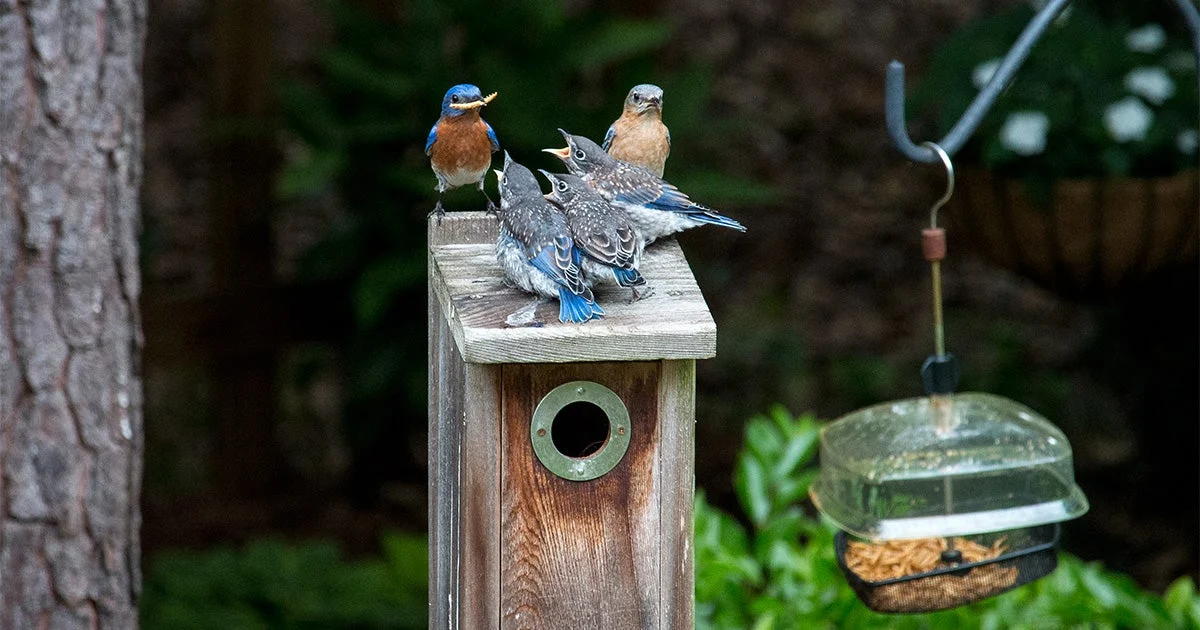
For many nature enthusiasts, the sight of an Eastern Bluebird, with its brilliant azure plumage and rusty breast, is a welcome sign of vitality in the landscape. Beyond their striking beauty, these iconic songbirds play a crucial ecological role, making their presence in our backyards a true privilege. This comprehensive guide, drawing on expert advice and proven strategies, delves into the essential steps homeowners can take to attract, support, and protect bluebirds, transforming their outdoor spaces into thriving havens for these beloved species.
The journey of attracting bluebirds often begins with a single, intentional step, as evidenced by Ben Haywood, Audubon’s director of community science. Upon moving to his South Carolina home in the spring of 2022, Haywood installed a nest box, quickly welcoming a pair of Eastern Bluebirds. Five breeding seasons later, the very same female continues to utilize the box, now with a new mate, a testament to the birds’ loyalty and the effectiveness of Haywood’s sustained efforts. His commitment extends beyond nesting, encompassing year-round provisions of food, water, and native plants, ensuring these avian residents remain close, even outside the breeding season. "They stay here because I feed them, and I have habitat and water sources and native plants, so even in the winter, they’re hanging around, even when they don’t have babies," Haywood explains, highlighting the holistic approach necessary for fostering a lasting relationship with bluebirds.
A Glimpse into the Bluebird Family: Species and Distribution
North America is home to three distinct species of bluebirds, each with unique preferences and geographical ranges, though all share the characteristic beauty and cavity-nesting habits that make them popular subjects for backyard enthusiasts. Understanding these differences is the first step toward effective attraction and conservation.
The Eastern Bluebird (Sialia sialis), true to its name, predominantly inhabits areas east of the Rocky Mountains. Their range extends from southern Canada down to the southeastern United States, and further south into Central America, reaching Nicaragua. They thrive in open, tree-scattered lands, such as orchards, golf courses, cemeteries, and suburban backyards that mimic these conditions. Males boast a vibrant sky-blue back, rusty throat and breast, and white belly, while females exhibit a duller blue and paler rufous.
On the western side of the continent, the Western Bluebird (Sialia mexicana) can be found from British Columbia down through northern Baja California, and inland from Colorado into Mexico. They prefer open coniferous forests, oak woodlands, and chaparral. Males display a deep blue head, wings, and tail, with a rusty breast that often extends to the back, separated by a patch of blue on the upper back. Females are a muted version of the male.
The Mountain Bluebird (Sialia currucoides) stands apart with its almost entirely cerulean plumage, lacking the rusty breast found in its Eastern and Western cousins. Males are a striking uniform blue, while females are duller gray-blue. They overlap with the Western Bluebird’s range but prefer higher elevations and more expansive, open habitats like meadows, prairies, and alpine tundras. Known for their hovering flight while hunting insects, Mountain Bluebirds are a breathtaking sight against a vast sky.
Despite their individual distinctions, all three bluebird species face common challenges, primarily habitat loss driven by agricultural expansion, commercial development, and suburban sprawl. These activities erase critical foraging grounds and strip the landscape of the natural tree cavities they rely on for nesting. However, the good news is that backyard conservation efforts can significantly mitigate these threats, providing essential resources and contributing to the resurgence of bluebird populations.
Historical Decline and the Resurgence of Bluebirds: A Conservation Success Story
The story of bluebirds in North America is one of dramatic decline followed by remarkable recovery, serving as a powerful testament to the impact of dedicated conservation efforts, particularly at the grassroots level. By the mid-20th century, bluebird populations, especially the Eastern Bluebird, had plummeted across much of their range. This precipitous drop was attributed to several interconnected factors.
Foremost among these was habitat loss and fragmentation. The conversion of open woodlands, orchards, and farmlands into intensive agriculture, commercial zones, and dense residential developments eliminated both nesting sites and foraging grounds. Bluebirds are secondary cavity nesters, meaning they rely on holes excavated by other birds (like woodpeckers) or natural decay in trees. The widespread removal of dead or dying trees, often deemed unsightly or hazardous, further exacerbated the shortage of suitable nesting cavities.
Pesticide use also played a devastating role. The advent of broad-spectrum pesticides, particularly DDT in the mid-20th century, decimated insect populations, which are the primary food source for bluebirds, especially during the crucial breeding season when parents are feeding their young. These chemicals also accumulated in the food chain, potentially harming the birds directly.
Adding to these pressures was competition from invasive species. The introduction of European Starlings and House Sparrows to North America in the late 19th and early 20th centuries created intense competition for the limited nesting cavities. These aggressive invaders often outcompete native birds, destroying their nests, eggs, and even killing adult bluebirds to claim a cavity.
The alarming decline spurred a widespread citizen-led conservation movement. Organizations like the North American Bluebird Society (NABS), founded in 1978, emerged to coordinate and champion bluebird recovery efforts. A key strategy was the widespread deployment of specially designed bluebird nest boxes. These boxes, built to specific dimensions to deter larger competitors and provide optimal conditions for bluebirds, became a cornerstone of their comeback. Citizen scientists established "bluebird trails," networks of monitored nest boxes, and diligently recorded data, contributing invaluable information to researchers and conservationists.
Through these concerted efforts – habitat restoration, reduced pesticide use, and the provision of artificial nesting sites – bluebird populations began to stabilize and, in many areas, significantly recover. Today, bluebirds are often cited as a conservation success story, demonstrating that targeted interventions and community engagement can make a profound difference in protecting vulnerable species. However, ongoing vigilance is crucial, as modern challenges like continued habitat fragmentation and climate change present new threats.
How to Attract Bluebirds: A Comprehensive Guide to Backyard Stewardship
Attracting bluebirds requires a multi-faceted approach that addresses their fundamental needs: shelter, food, and water. By strategically implementing the following recommendations, homeowners can create an irresistible environment for these captivating songbirds.
1. Erect—and Protect—a Nest Box: The Foundation of Attraction
While bluebirds may visit a yard for food, a properly designed and protected nest box is often the ultimate enticement for them to establish residence. These birds are cavity nesters, and natural cavities can be scarce.
- Design and Specifications: Bluebird-specific nest boxes are crucial. They should be constructed from untreated wood (cedar or pine are good choices) for durability and insulation. Key dimensions, often based on NABS standards, include an entrance hole of 1 ½ inches in diameter (round) or 1 1/8 inches high by 2 ¼ inches wide (oval) to admit bluebirds while deterring larger species like starlings. The floor dimensions should be approximately 4×4 or 5×5 inches, and the box depth from the bottom of the entrance hole to the floor should be at least 6 inches. Crucially, the box should lack an external perch, as perches only aid competitors like House Sparrows. Proper ventilation (small gaps at the top or drilled holes) and drainage holes in the floor are essential to prevent overheating and moisture buildup.
- Optimal Placement:
- Height: Nest boxes should be mounted on a sturdy pole or post at a height of four to six feet above the ground. This height makes them accessible for monitoring but less vulnerable to ground predators.
- Orientation: Face the entrance hole towards the east, or southeast, to provide morning sun exposure while shielding the nestlings from the harsh afternoon sun and prevailing winds.
- Habitat Type: Bluebirds prefer open areas with scattered trees, not dense forests. Position boxes in open lawns, meadows, or at the edge of woodlands.
- Spacing: If installing multiple boxes for bluebirds, maintain a distance of at least 300 feet between them to prevent territorial disputes.
- Addressing Competitors (Tree Swallows): If Tree Swallows are present in your area, they also use bluebird boxes. To mitigate competition, place boxes in pairs, 5 to 10 feet apart. This allows bluebirds to occupy one box and Tree Swallows the other, as they will often tolerate each other at close range but aggressively defend against their own species.
- Predator Protection: Non-Negotiable: This is perhaps the most critical aspect of nest box management. Without effective predator guards, nest boxes can become "death traps."
- Raccoons and Snakes: A wobbling stovepipe baffle (at least 24 inches long and 6-8 inches in diameter) or a cone-shaped plastic baffle should be installed on the pole directly below the nest box. These slippery, unstable barriers prevent climbing predators from reaching the entrance.
- Squirrels: To prevent squirrels from chewing and enlarging the entrance hole, secure a rectangular piece of sheet metal or a metal "hole guard" with an identical bluebird-sized hole around the entrance.
- House Sparrows: These aggressive invasive birds are a primary threat. Avoiding a perch on the box helps. Some bluebird enthusiasts employ a strategy of drilling a second, adjacent entrance hole, which bluebirds can more effectively guard against sparrows. However, direct intervention, such as trapping and removal of House Sparrows (where legal and humane), may be necessary in persistent cases, as House Sparrows will destroy bluebird nests, eggs, and young.
- Monitoring: Regular, non-intrusive monitoring is vital. Check boxes weekly during the breeding season to ensure nests are safe, clean out old nests between broods, and remove any invasive species’ nests. Ben Haywood emphasizes the convenience of placement: "Fortunately, I can see my nest box from one of my main windows in my front room, and so I’m always kind of keeping an eye on it."
2. Put Out Mealworms and Provide Supplemental Food
Bluebirds are primarily insectivorous, especially during the breeding season, but their diet shifts seasonally. Providing a reliable food source, particularly mealworms, can significantly boost your chances of attracting and retaining them.
- Mealworms: A Bluebird Delicacy: Mealworms, the larvae of darkling beetles, are a favorite food. They are best offered in specialized feeders to prevent larger birds from quickly depleting the supply.
- Feeder Types: Hopper-style feeders dispense freeze-dried worms through small holes, limiting access to smaller birds. Cage-style feeders enclose the worms (live or dried) on a platform or in a cup within a wire cage, with holes large enough for bluebirds but too small for larger species like jays or starlings.
- Live vs. Freeze-Dried: During breeding season, live mealworms are highly recommended. They contain essential moisture that nestlings need for hydration, which freeze-dried worms lack. Both types can be purchased from local bird supply stores, pet stores, or online.
- Nutritional Considerations: While a favorite, mealworms are not nutritionally complete, being low in calcium. Therefore, they should be offered as a supplement, not the sole food source.
- Other Feeder Foods: Bluebirds will also consume other feeder foods, particularly during colder months when insects are scarce. "I have seed out for other types of birds, and they will eat sunflower seeds that are hulled," says Haywood. Hulled sunflower seeds are preferred as they leave no mess and are easier for bluebirds to consume. Suet, especially in winter, can also provide essential fats and energy.
- Eliminate Pesticides: This is paramount. Bluebirds rely heavily on ground-dwelling insects like crickets, caterpillars, and beetles. The use of broad-spectrum lawn pesticides not only removes their food source but can also introduce harmful chemicals into their diet, either directly or indirectly through contaminated prey. A healthy, pesticide-free lawn and garden are vital for a thriving bluebird population.
3. Provide Water and Native Plants: A Holistic Habitat
Beyond shelter and supplemental food, a complete bluebird habitat includes natural food sources and readily available water.
- Native Plants for Natural Foraging: Bluebirds’ diets shift seasonally. While insects dominate in spring and summer, fall and winter necessitate a diet rich in berries. Planting native berry-producing shrubs and trees is a highly effective way to provide natural sustenance. Examples include:
- American Holly (Ilex opaca): Produces bright red berries that persist into winter.
- Flowering Dogwood (Cornus florida): Offers vibrant red berries in the fall.
- Eastern Red Cedar (Juniperus virginiana): Provides small, bluish berries that are a winter staple for many birds.
- Serviceberry (Amelanchier species): Produces edible berries in early summer.
- Virginia Creeper (Parthenocissus quinquefolia): A native vine with dark blue berries.
- Sumac (Rhus species): Clusters of red berries that remain through winter.
These plants not only offer food but also provide shelter and attract the insects that bluebirds feast on during warmer months, creating a self-sustaining ecosystem.
- Water Sources: Like all birds, bluebirds need fresh water for drinking and bathing.
- Bird Baths: A shallow bird bath (no more than 2-3 inches deep) with a rough surface (for better grip) is ideal. Place it in an open area, away from dense cover where predators might lurk, but within sight of perching branches.
- Drippers or Fountains: Bluebirds are particularly attracted to moving water. A bird bath with a dripper, mister, or a small recirculating fountain creates visual and auditory cues that draw birds in. The sound of trickling water can attract them from a distance.
- Maintenance: Regular cleaning of bird baths (daily or every other day) is essential to prevent the spread of diseases and keep the water fresh.
- Open Space and Perches: Bluebirds are "watch-and-wait" hunters, preferring to perch on an exposed branch or wire and scan the ground for insects. Maintaining some open lawn or meadow areas with scattered trees and elevated perching spots is beneficial.
The Broader Impact: Bluebirds as Sentinels of Ecosystem Health
Attracting bluebirds to your backyard is more than just a personal hobby; it’s a direct contribution to biodiversity and ecosystem health. Bluebirds, as insectivores, play a role in natural pest control. Their presence indicates a healthy, balanced environment with a robust insect population and adequate natural resources.
The efforts of individuals like Ben Haywood, who meticulously manage their properties for wildlife, contribute to a larger network of conservation. Haywood, in his role as Audubon’s director of community science, understands this interconnectedness. "Community science" empowers everyday citizens to collect valuable data, which, when aggregated, helps scientists monitor population trends, identify conservation priorities, and assess the effectiveness of various interventions. Each backyard bluebird success story adds to a growing body of evidence that localized, thoughtful stewardship can have a profound, cumulative impact on species recovery.
Beyond the ecological benefits, the presence of bluebirds offers immeasurable personal rewards. Their cheerful warbling, vibrant plumage, and diligent parenting provide endless opportunities for observation and connection with nature. This connection often fosters a deeper appreciation for the environment and inspires further engagement in conservation.
Challenges and the Future of Bluebird Conservation
While bluebird populations have largely rebounded from their mid-20th century lows, they continue to face ongoing threats. Continued habitat loss due to urbanization and intensive agriculture remains a significant concern, particularly in rapidly developing regions. Climate change introduces new variables, potentially altering migration patterns, breeding seasons, and the availability of insect food sources. Moreover, the pervasive use of pesticides in agriculture and residential areas continues to pose a risk to their food supply and overall health.
Therefore, sustained vigilance and adaptation are crucial. Conservation efforts must evolve to address these modern challenges, emphasizing habitat corridors, climate-resilient landscaping, and continued advocacy for reduced chemical use. The success of the bluebird story serves as a powerful reminder that collective action, from establishing nest box trails to advocating for sustainable land use, is essential for ensuring the long-term health of our avian neighbors.
Conclusion: A Friendship for Life
The journey to attract bluebirds is one of patience, observation, and commitment. It involves understanding their needs and actively shaping your outdoor space to meet them. The rewards, however, are deeply fulfilling. As Ben Haywood aptly puts it, "Bluebirds, in my experience, are incredibly loyal, in that once they find a space that they’re excited about, they’ll continue to come back. Maybe you don’t get them originally, right off the bat, but just continue to tweak here and there, and once they do discover it, you will have a friend for life."
By providing proper nesting sites, a consistent food supply, fresh water, and a rich array of native plants, homeowners do more than just attract beautiful birds. They become active participants in a vital conservation movement, contributing to the health of local ecosystems and fostering a profound connection with the natural world. The flash of sapphire across your garden, the soft warble from a nearby branch, and the diligent comings and goings of a nesting pair are daily reminders of this rewarding stewardship, enriching both the landscape and the lives of those who inhabit it.
