
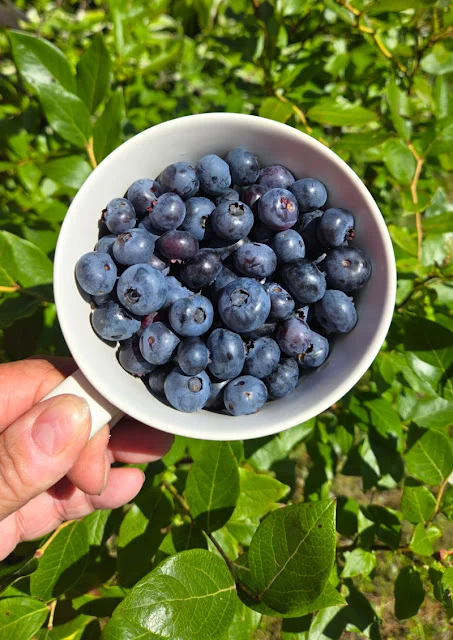
The integration of antioxidant-rich fruits into poultry diets has moved from a niche hobbyist practice to a recognized method of enhancing the physiological well-being of domestic birds. Among the various supplemental foods available to poultry keepers, the blueberry has emerged as a premier "superfood," offering a dense concentration of vitamins, minerals, and phytochemicals that support the long-term health of both chickens and ducks. As the backyard chicken-keeping movement continues to expand across North America and Europe, experts are highlighting the specific nutritional pathways through which these small berries improve immune response, digestive efficiency, and even cognitive function in avian species.
The Nutritional Composition of Blueberries in Avian Diets
The primary appeal of blueberries in a poultry context lies in their complex nutrient profile. Unlike many high-sugar fruits that offer little more than caloric energy, blueberries contain a sophisticated array of compounds that target specific biological systems in birds. They are a significant source of Vitamin K, which is essential for the synthesis of proteins required for blood coagulation and bone metabolism. In chickens, a deficiency in Vitamin K can lead to hemorrhaging and poor skeletal development, making the inclusion of natural sources highly beneficial.

Furthermore, blueberries are rich in Vitamin C. While chickens are capable of synthesizing their own Vitamin C under normal conditions, supplemental intake becomes crucial during periods of heat stress or environmental transition. The fruit also provides a significant amount of dietary fiber, which aids in the movement of food through the digestive tract, and manganese, a trace mineral vital for the prevention of perosis and other leg deformities in growing pullets.
Antioxidants and Anthocyanins: The Defense Against Oxidative Stress
The most notable characteristic of blueberries is their high concentration of antioxidants, particularly anthocyanins—the pigments responsible for the fruit’s deep blue and purple hues. In the context of avian health, these compounds play a critical role in neutralizing free radicals, which are unstable molecules that can cause cellular damage.
Research into poultry science suggests that diets supplemented with high-antioxidant fruits can mitigate the effects of oxidative stress, which is often a precursor to chronic inflammation and various avian diseases. Anthocyanins specifically have been linked to cardiovascular protection in birds, helping to regulate blood pressure and reduce inflammation in the circulatory system. By protecting the heart and vascular health, these nutrients contribute to a longer, more productive lifespan for laying hens, who often face significant physical strain during their peak reproductive years.

Prebiotics and Gut Health: The New Frontier in Poultry Science
One of the most significant recent findings in avian nutrition is the relationship between prebiotics and the poultry microbiome. Blueberries contain specific fibers and compounds that act as prebiotics—non-digestible food ingredients that promote the growth of beneficial bacteria, such as Lactobacillus and Bifidobacterium, in the chicken’s gut.
A healthy gut microbiome is the cornerstone of a bird’s immune system. By providing "food" for probiotics, blueberries help maintain a balanced intestinal environment, which is the first line of defense against pathogens like Salmonella and E. coli. Improved gut health also translates directly to better nutrient absorption from the bird’s primary feed, ensuring that the flock receives the maximum possible benefit from their daily caloric intake.
Comparative Analysis: Native Low Bush vs. Cultivated High Bush Varieties
In regions such as Maine and parts of Eastern Canada, the distinction between native low bush blueberries and cultivated high bush varieties is an important factor for poultry keepers. Native blueberries are often smaller and have a higher skin-to-pulp ratio, which results in a higher concentration of antioxidants per gram. Cultivated varieties, while larger and more accessible in standard retail environments, still offer substantial nutritional value but may contain slightly higher water content.

Expert practitioners, including noted author and poultry specialist Lisa Steele, observe that chickens show a marked preference for both varieties. From a management perspective, the smaller size of native blueberries often eliminates the need for preparation, whereas larger cultivated berries may occasionally require slicing for smaller bantam breeds or younger birds to prevent potential choking hazards.
Integration Protocols and the "Ten Percent Rule"
While the benefits of blueberries are extensive, professional poultry management requires strict adherence to dietary balance. The consensus among avian nutritionists is that supplemental treats, including high-quality fruits like blueberries, should not exceed 10% of a bird’s total daily caloric intake. For an average adult hen, this equates to approximately one to two tablespoons per day.
The rationale behind this limitation is the prevention of nutritional dilution. Commercial poultry feeds are scientifically formulated to provide a precise balance of protein, calcium, and amino acids. Over-supplementing with treats—even nutrient-dense ones—can lead to a decrease in the consumption of primary feed, potentially resulting in soft eggshells, reduced egg production, or fatty liver hemorrhagic syndrome (FLHS) if the treats are excessively high in sugars or fats.

Behavioral Impacts and Cognitive Support
Beyond physical health, the introduction of blueberries into a flock’s environment serves as a form of "nutritional enrichment." Foraging is a natural and essential behavior for chickens; providing berries encourages active movement and pecking, which can reduce instances of boredom-related aggression and feather picking within the coop.
Recent studies into avian cognition suggest that the nutrients found in blueberries may also support brain health. The flavonoids in the fruit have been shown in various animal models to cross the blood-brain barrier, potentially improving memory and cognitive function. In a flock setting, this mental sharpness can assist birds in navigating social hierarchies and recognizing environmental changes more effectively.
Broader Implications for the Poultry Industry and Egg Quality
The shift toward incorporating superfoods like blueberries into chicken diets reflects a broader trend in the agricultural sector toward "functional foods"—ingredients that provide health benefits beyond basic nutrition. For the backyard producer, the primary implication is a hardier flock with lower veterinary requirements. However, there are also implications for the final product: the eggs.

While the direct transfer of blueberry nutrients into the egg yolk is a subject of ongoing study, it is well-documented that a hen’s overall health and stress levels directly impact egg quality. Hens with robust immune systems and optimal gut health tend to produce eggs with stronger shells and more consistent internal quality. Furthermore, the presence of natural pigments in a hen’s diet can contribute to the vibrancy of the yolk color, a trait often prized by consumers and chefs alike.
Safety and Toxicological Considerations
In the interest of factual reporting, it is necessary to distinguish between beneficial supplements like blueberries and hazardous foods. While blueberries are entirely safe and highly recommended, other common household foods can be lethal to poultry. Avocados (containing persin), chocolate, caffeine, and onions are strictly prohibited. The inclusion of blueberries is often cited by experts as a "safe harbor" treat—one that provides maximum benefit with virtually no risk of toxicity, provided they are free from pesticides and served in appropriate quantities.
Chronology of the Superfood Trend in Avian Care
The trajectory of using blueberries in poultry care has followed the general human "wellness" trend over the last two decades.

- Early 2000s: Backyard chicken keeping begins to rise as a response to the local food movement. Feed is largely restricted to standard commercial pellets.
- 2010-2015: Influencers and authors like Lisa Steele begin advocating for "natural chicken keeping," emphasizing herbs and fresh produce to mirror a bird’s ancestral foraging diet.
- 2018-Present: Scientific interest in the avian microbiome leads to a more clinical understanding of how specific fruits like blueberries act as prebiotics, moving the practice from "anecdotal hobbyist advice" to "evidence-based husbandry."
Conclusion: A Staple for the Modern Flock
The evidence supporting the inclusion of blueberries in poultry diets is multifaceted, spanning nutritional, behavioral, and immunological domains. By providing a concentrated source of Vitamins C and K, manganese, and powerful antioxidants, blueberries address several key areas of avian physiology, from bone density to heart health. As the agricultural community continues to refine its understanding of poultry nutrition, the blueberry stands out as a critical tool for keepers aiming to optimize the longevity and productivity of their birds. When managed within the parameters of a balanced diet, this superfood represents one of the most effective interventions for maintaining a healthy, vibrant, and resilient flock.
