
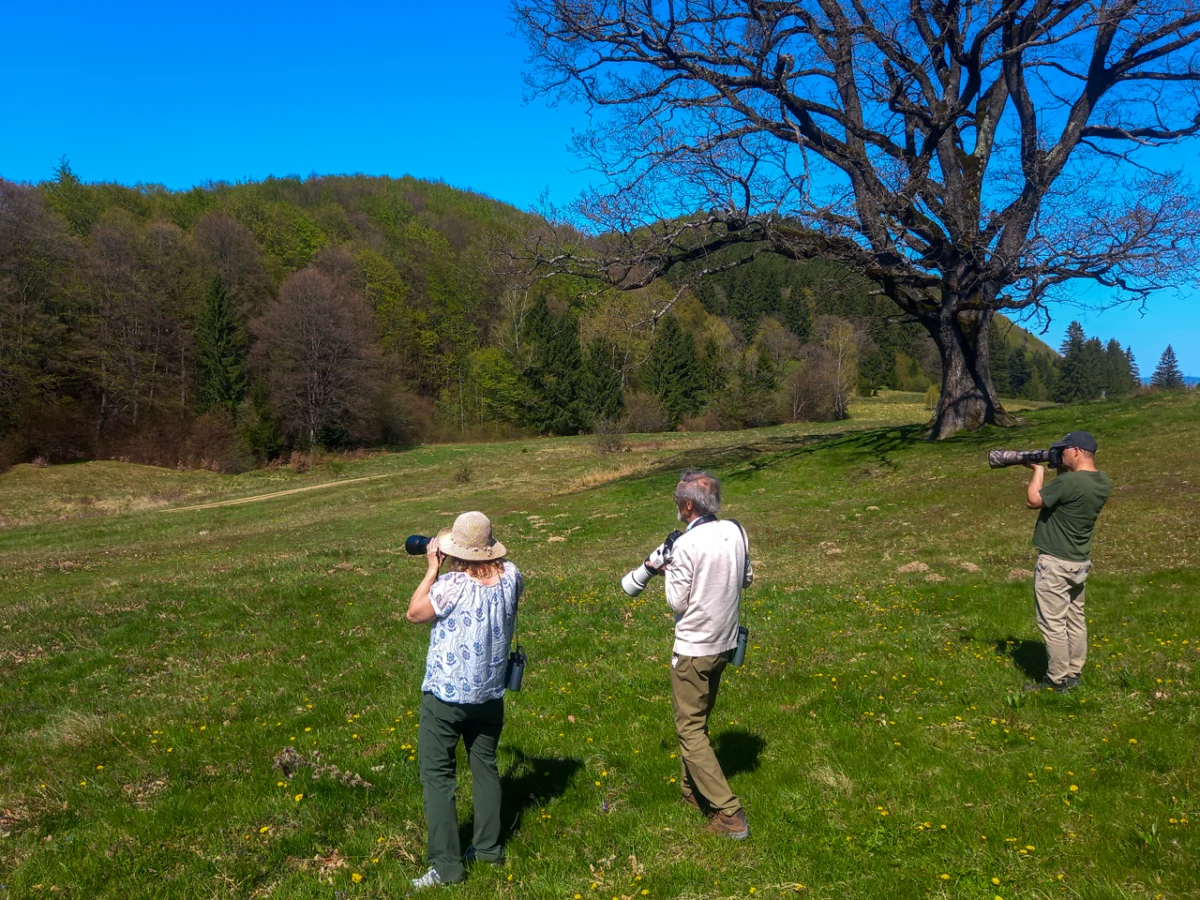
The ecological diversity of Romania was recently underscored by a specialized 13-day ornithological expedition that traversed the nation’s most vital habitats, from the alpine peaks of the Southern Carpathians to the expansive wetlands of the Danube Delta. Concluding in mid-May, the survey identified a total of 203 bird species, providing a comprehensive snapshot of the region’s avian health during the peak spring migration and breeding season. The expedition, which involved a systematic trek through diverse biomes, documented rare sightings, including a national rarity, and highlighted the critical importance of Romania’s protected areas in maintaining European biodiversity.
Scientific and Geographical Scope of the Expedition
The expedition was strategically timed to coincide with the return of migratory songbirds and the active breeding cycles of resident species. Romania occupies a unique position at the intersection of several major migratory flyways, including the East European Flyway. This geographical advantage, combined with the country’s varied topography—ranging from sea-level marshes to peaks exceeding 2,500 meters—makes it one of the most significant birdwatching destinations in the Palearctic realm.
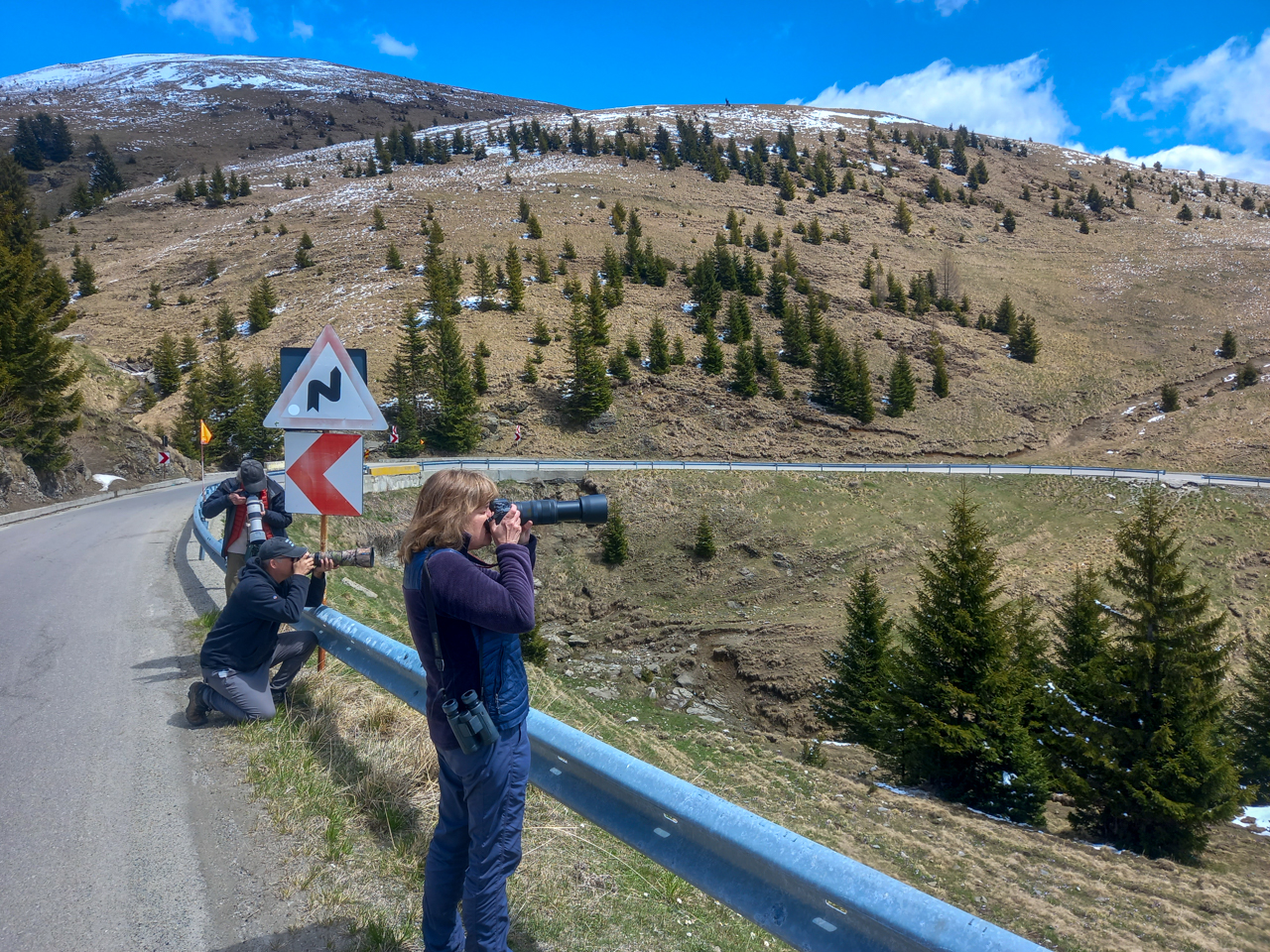
The journey commenced in the Southern Carpathians, a range known for its high degree of endemism and pristine old-growth forests. It then moved toward the Dobruja region, characterized by its steppe-like plateaus and coastal lagoons, before concluding in the Danube Delta, a UNESCO World Heritage site and the best-preserved river delta in Europe.
Chronological Overview of Observations
Phase I: The Alpine and Forest Ecosystems of the Carpathians
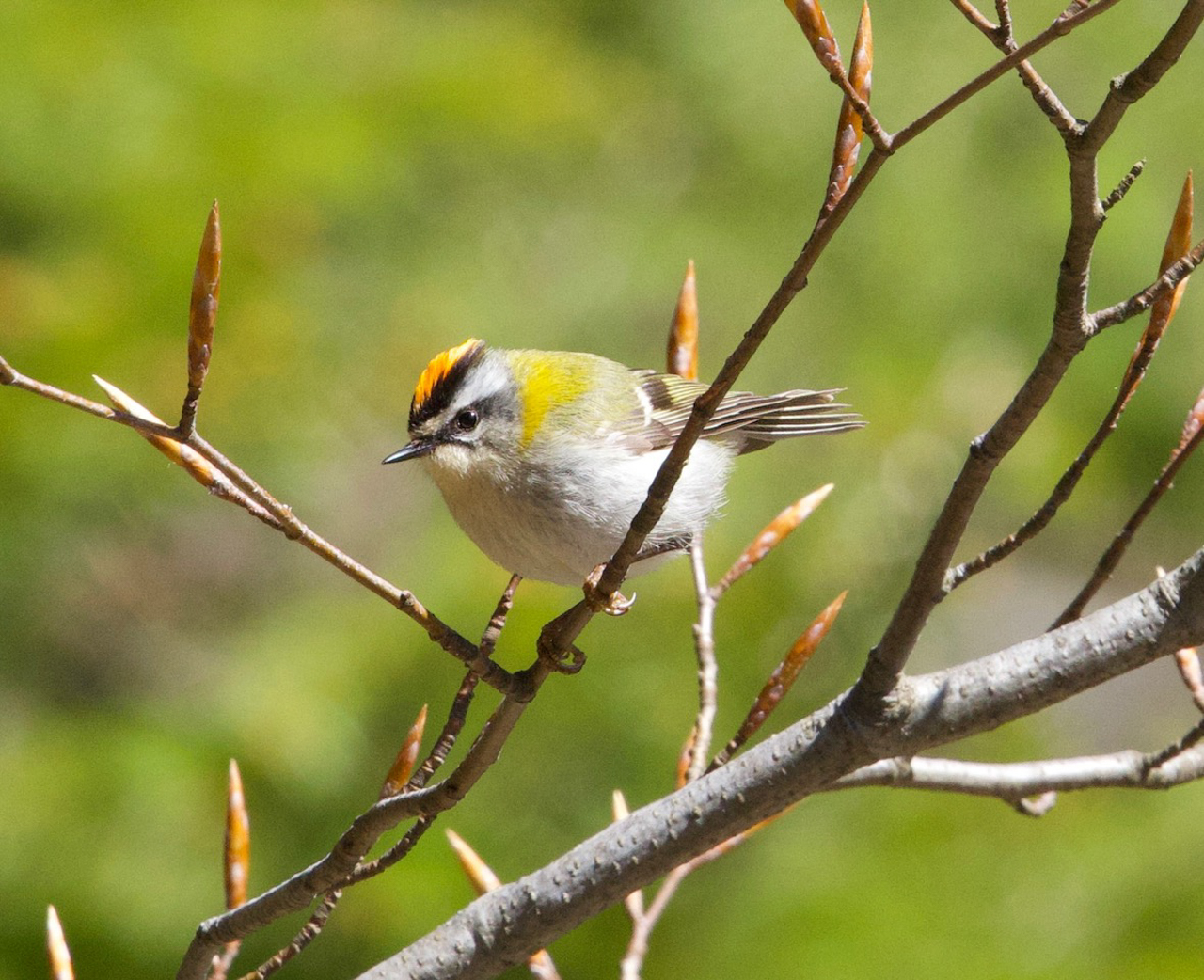
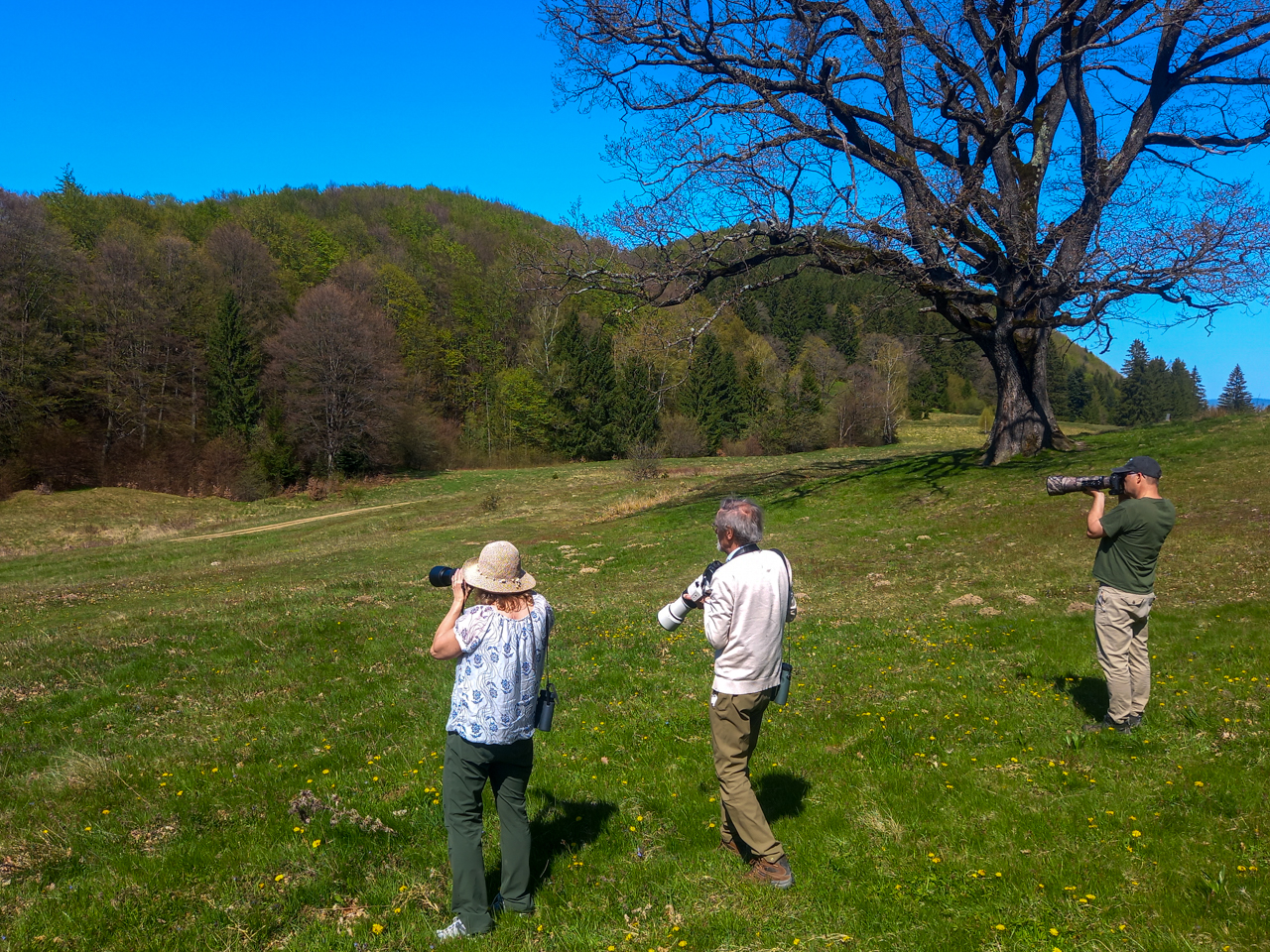
The initial stage of the survey focused on the transition from agricultural lowlands to high-altitude alpine pastures. Early observations in the town of Sinaia and the Bucegi Natural Park revealed a vibrant community of forest-dwelling species. Notable sightings included the Common Firecrest (Regulus ignicapilla), Europe’s smallest bird, and the Collared Flycatcher (Ficedula albicollis).
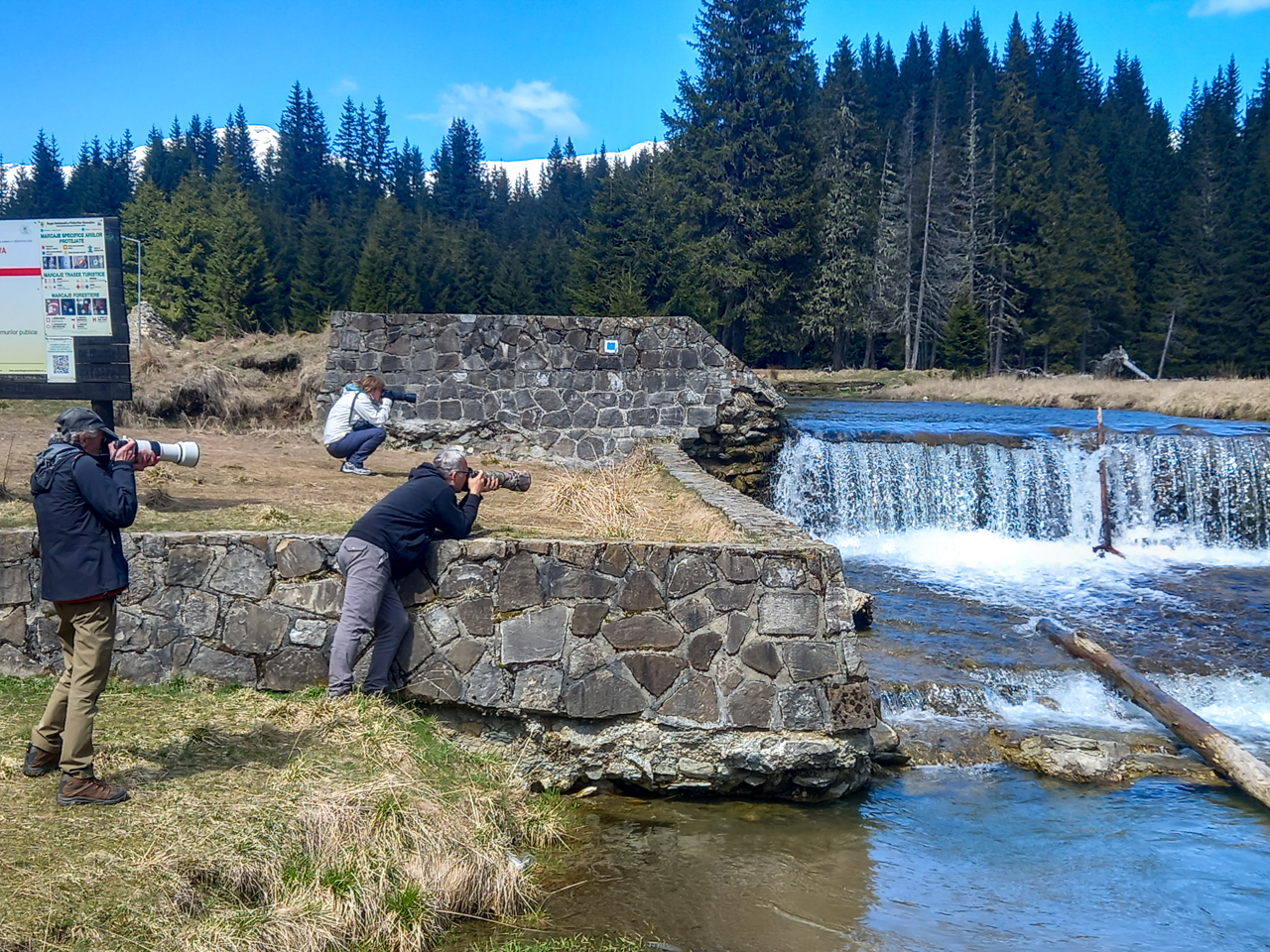
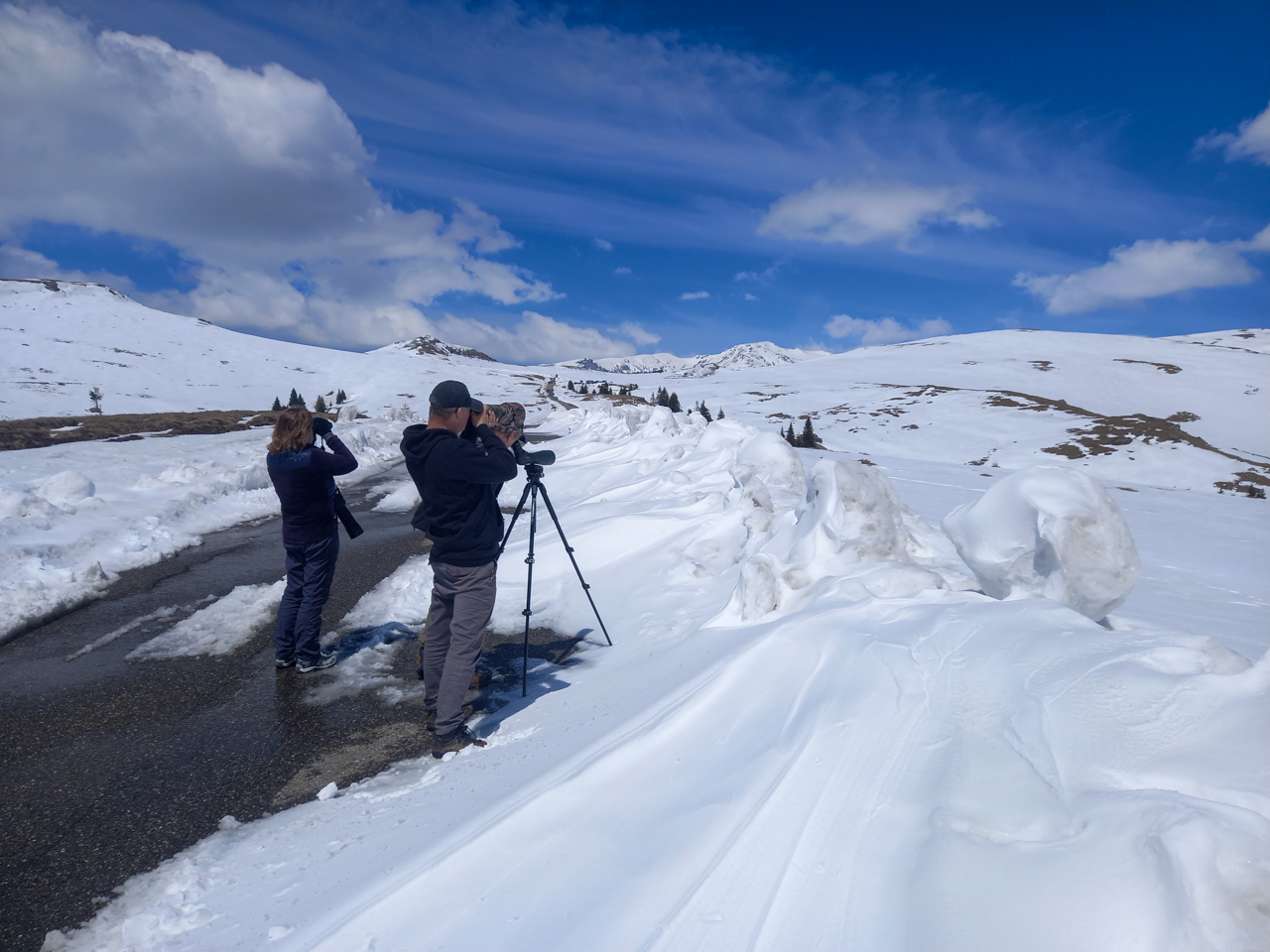
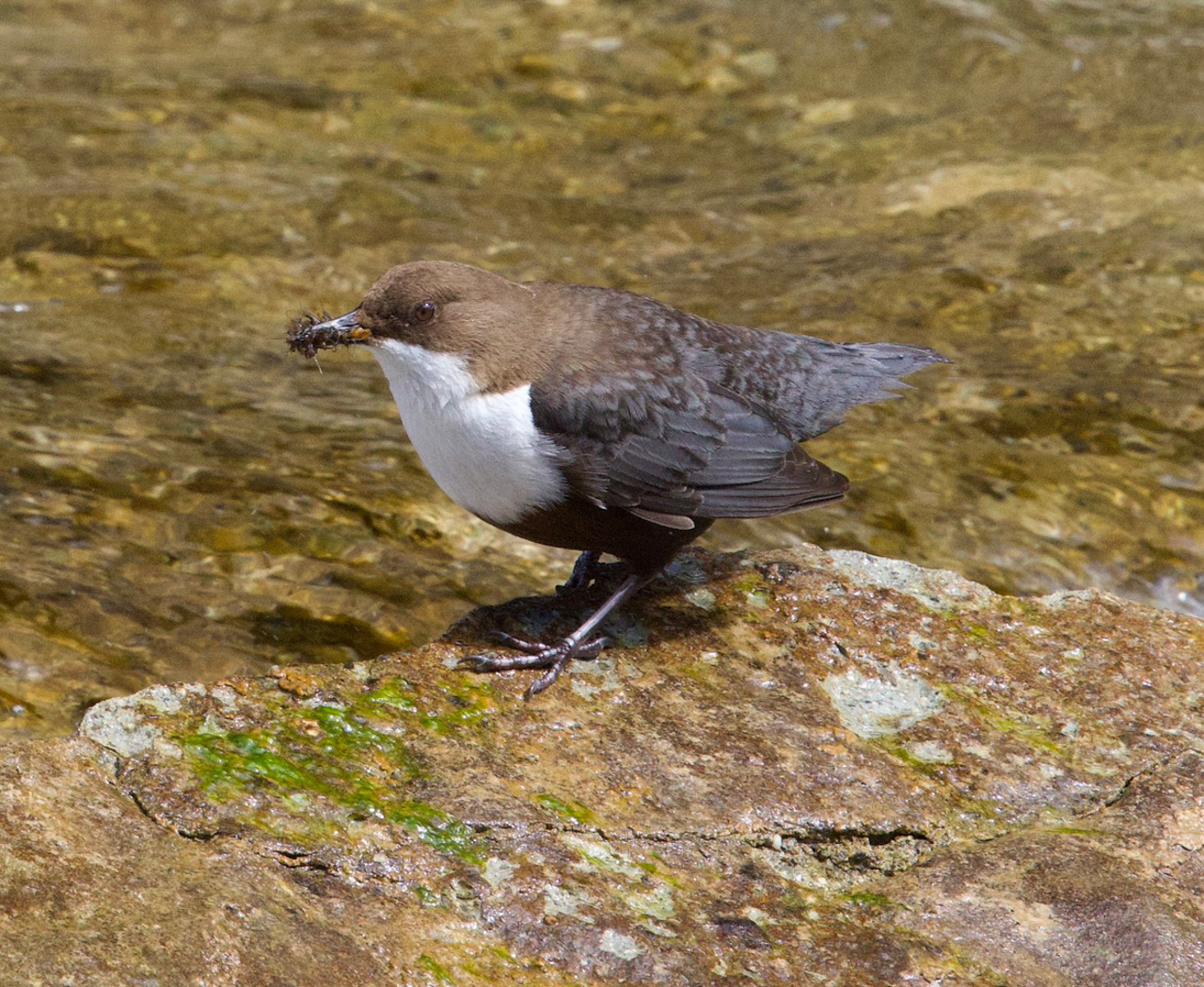
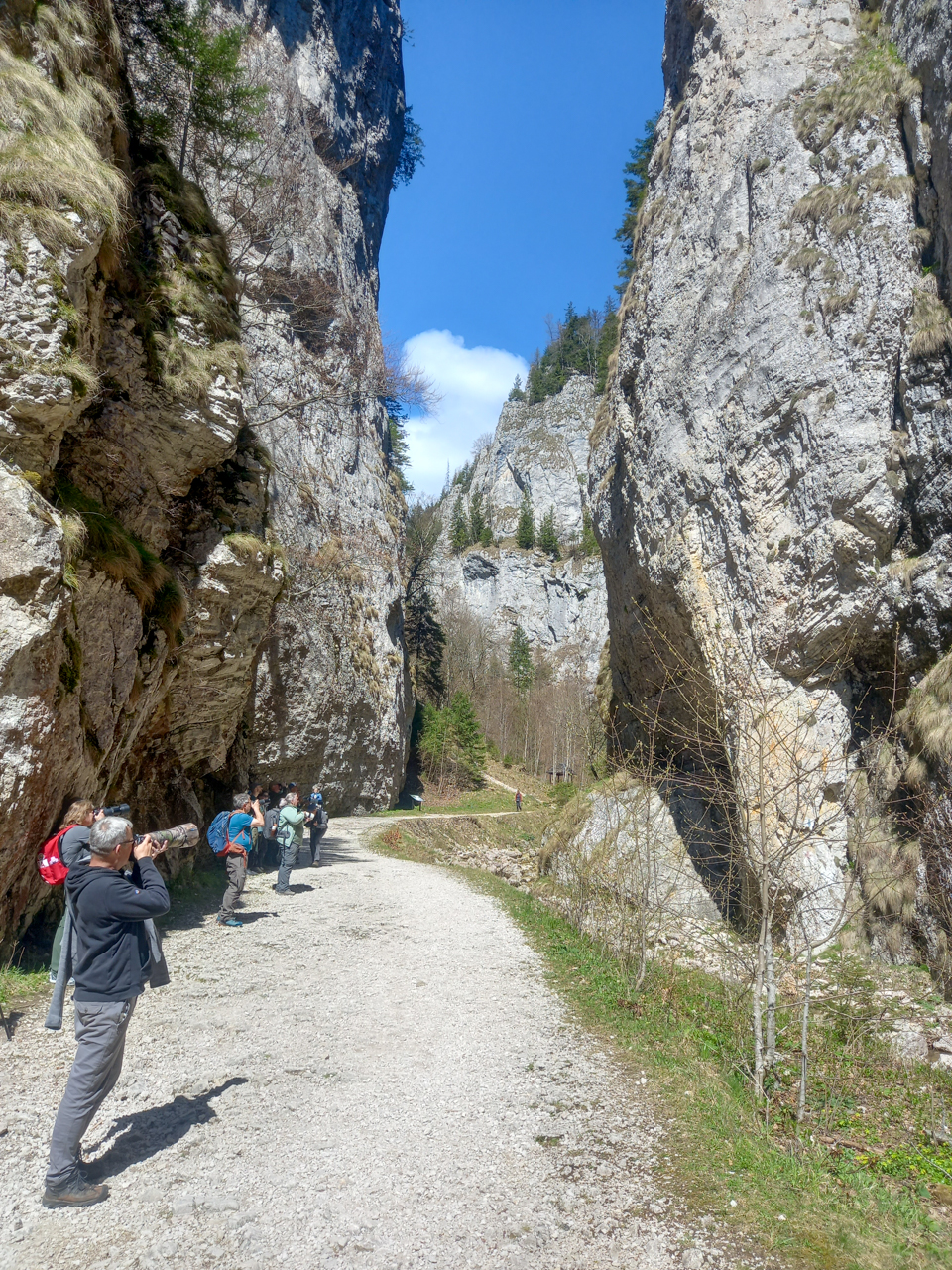
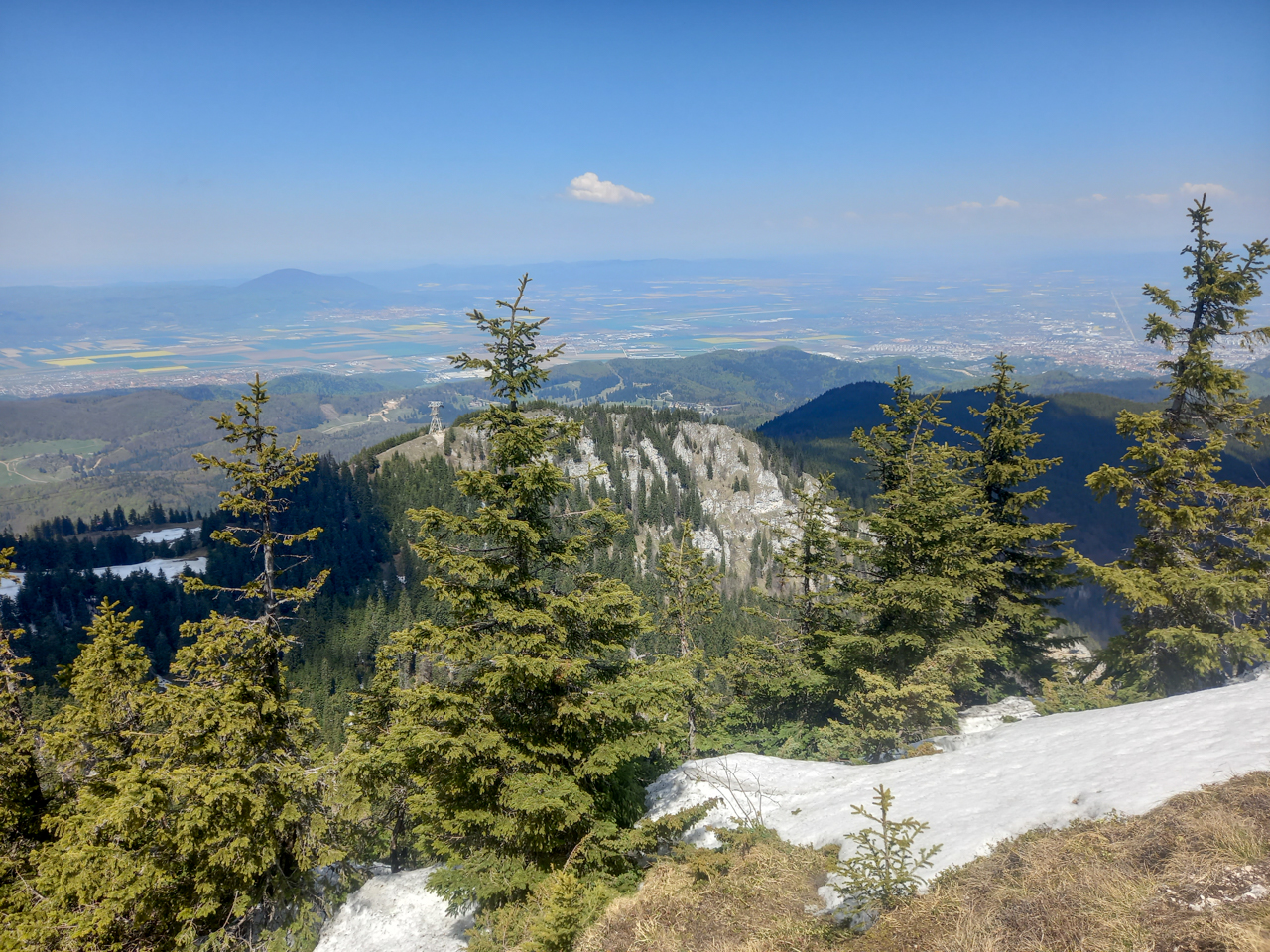
As the altitude increased, the forest composition shifted from deciduous beech to coniferous spruce and finally to the dwarf pine zone. This transition was mirrored in the avian population, with the appearance of Water Pipits and Ring Ouzels feeding near melting snow patches. A significant highlight of this phase occurred in the Zarnesti Gorge, where researchers and participants observed a pair of Wallcreepers (Tichodroma muraria). This species, highly sought after for its unique appearance and specialized habitat requirements on vertical rock faces, was seen bathing and drinking in a mountain creek, a rare behavioral display for observers.
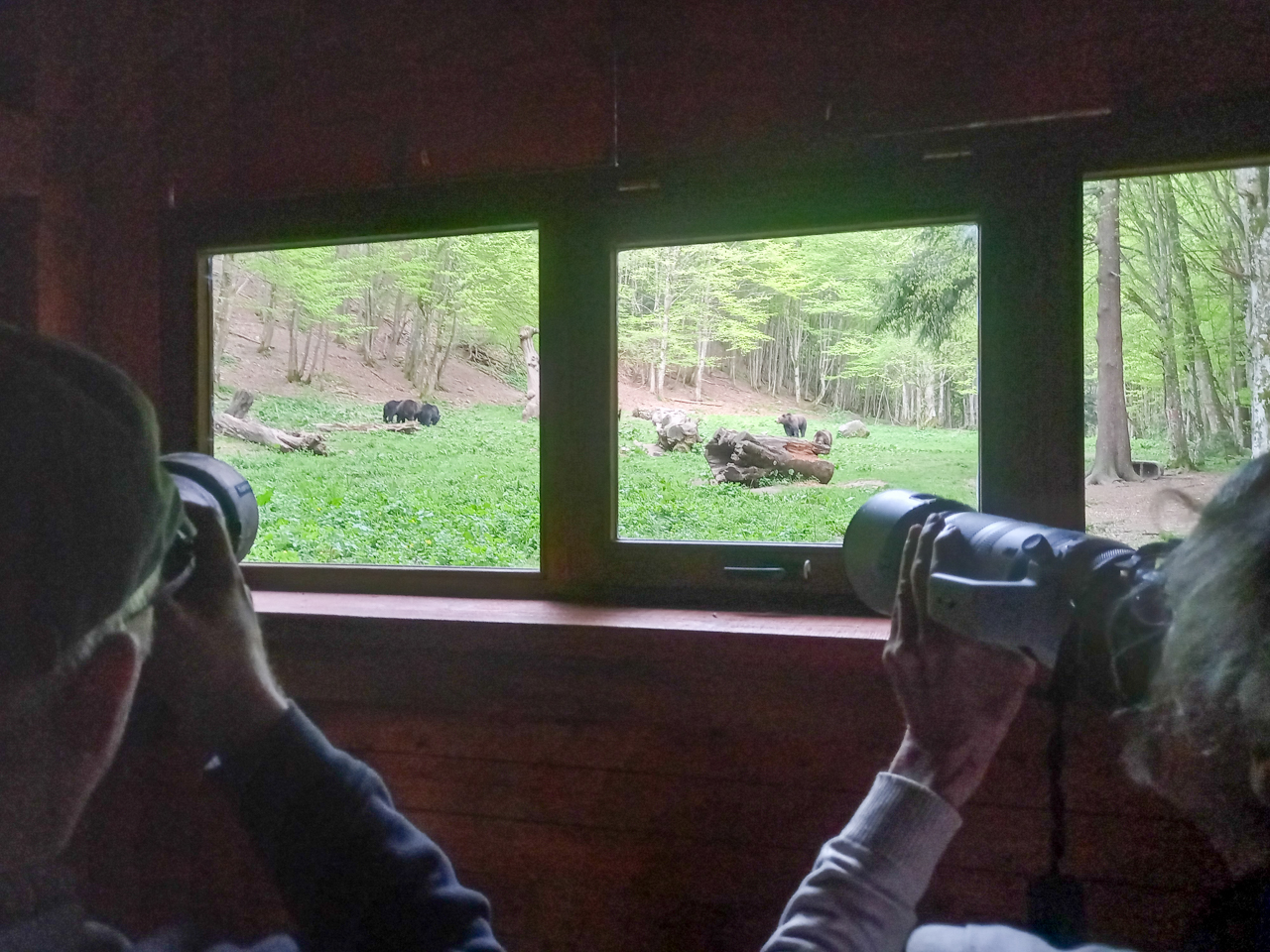
Further ecological data was gathered in the Stramba Valley, where the survey documented a significant presence of large predators. The team observed 10 Brown Bears (Ursus arctos) at a single location, reflecting the high density of large carnivores in the Romanian Carpathians, which host the largest population of the species in Europe outside of Russia.
Phase II: The Central Highlands and Fishpond Habitats
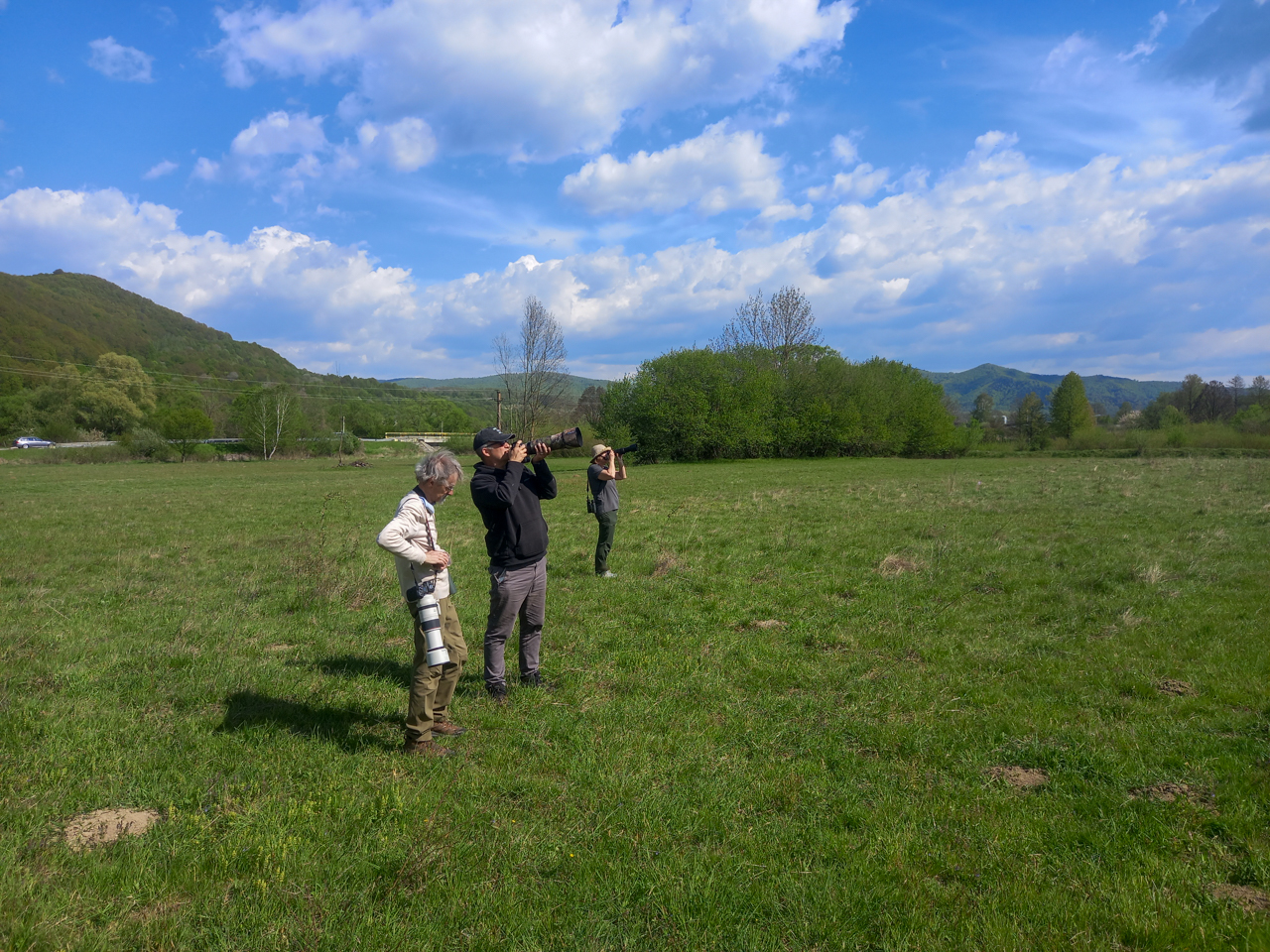
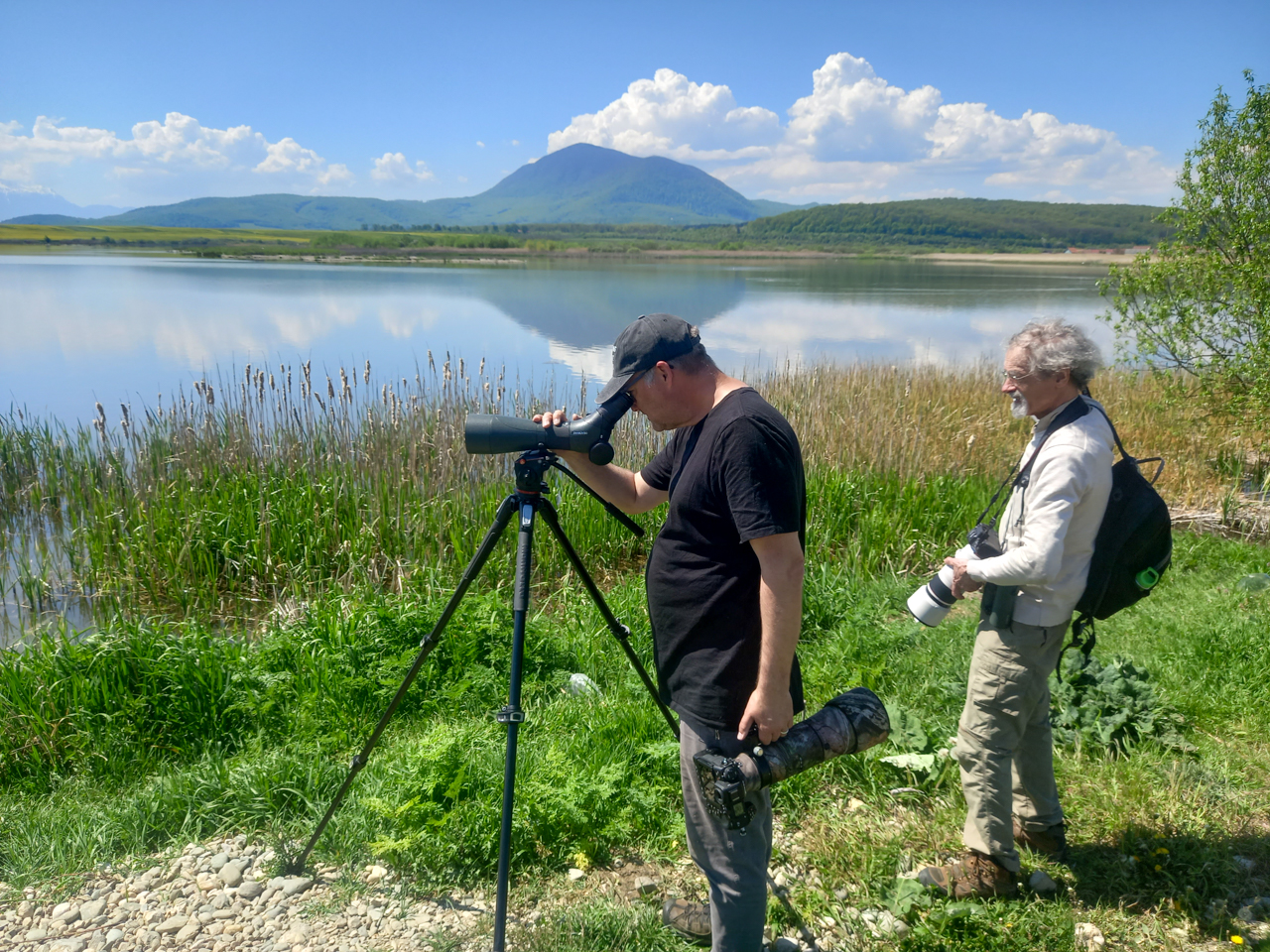
Moving toward Poiana Brasov and the Dumbravita fishponds, the expedition recorded the arrival of late-season migrants. The Dumbravita site proved exceptionally productive, with 64 species identified within a three-hour window. This area serves as a critical stopover for reed-dwelling warblers, including the Great Reed Warbler and Savi’s Warbler. The observation of European Honey Buzzards, returning late from their African wintering grounds, provided valuable data on the timing of spring migration in the region.
Cultural and ecological integration was noted during a visit to Bran’s Castle, where the surrounding parkland supported recently fledged Eurasian Nuthatches, indicating a successful early breeding season for resident passerines.
Phase III: The Steppe and Coastal Wetlands of Dobruja
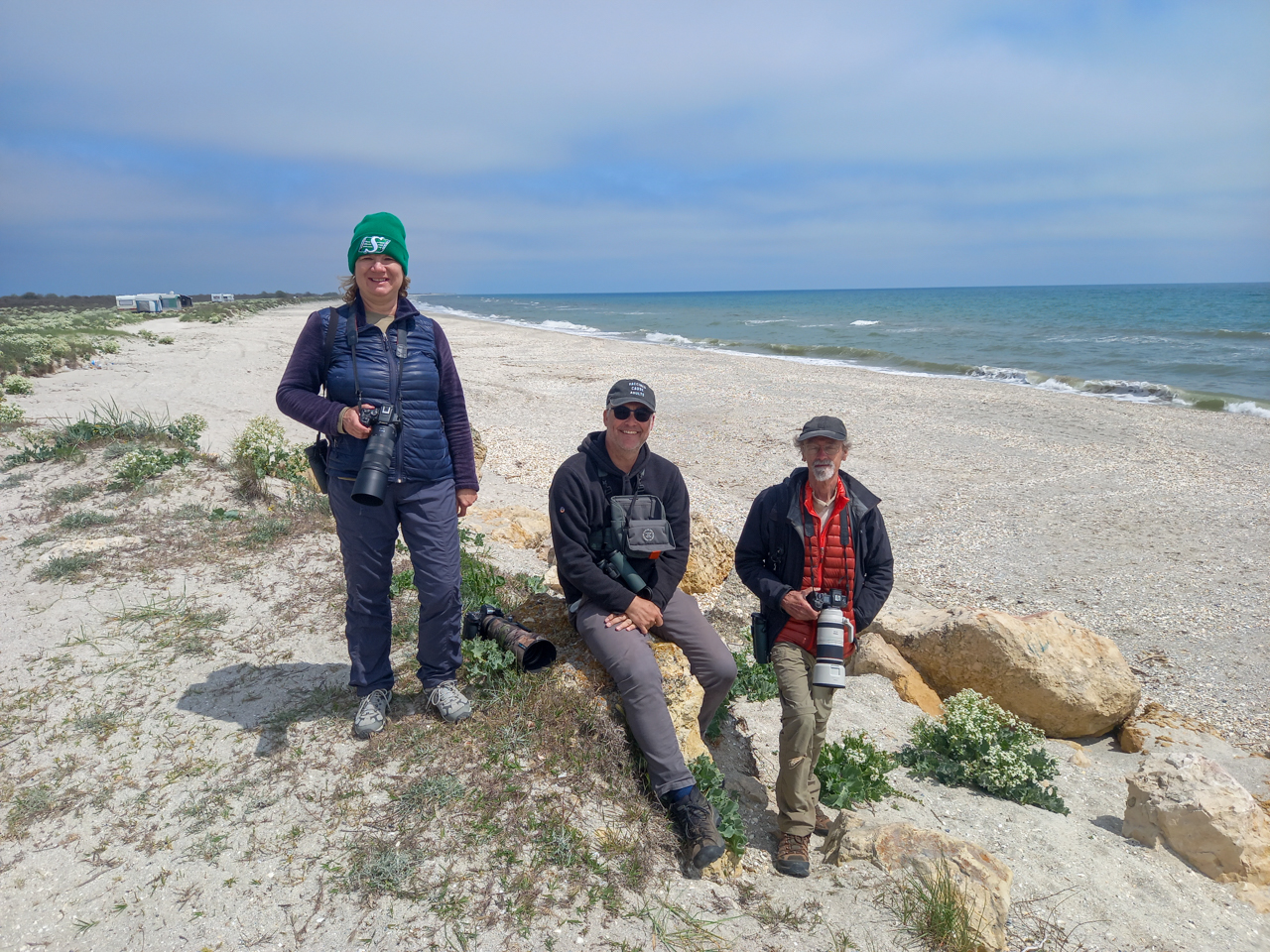
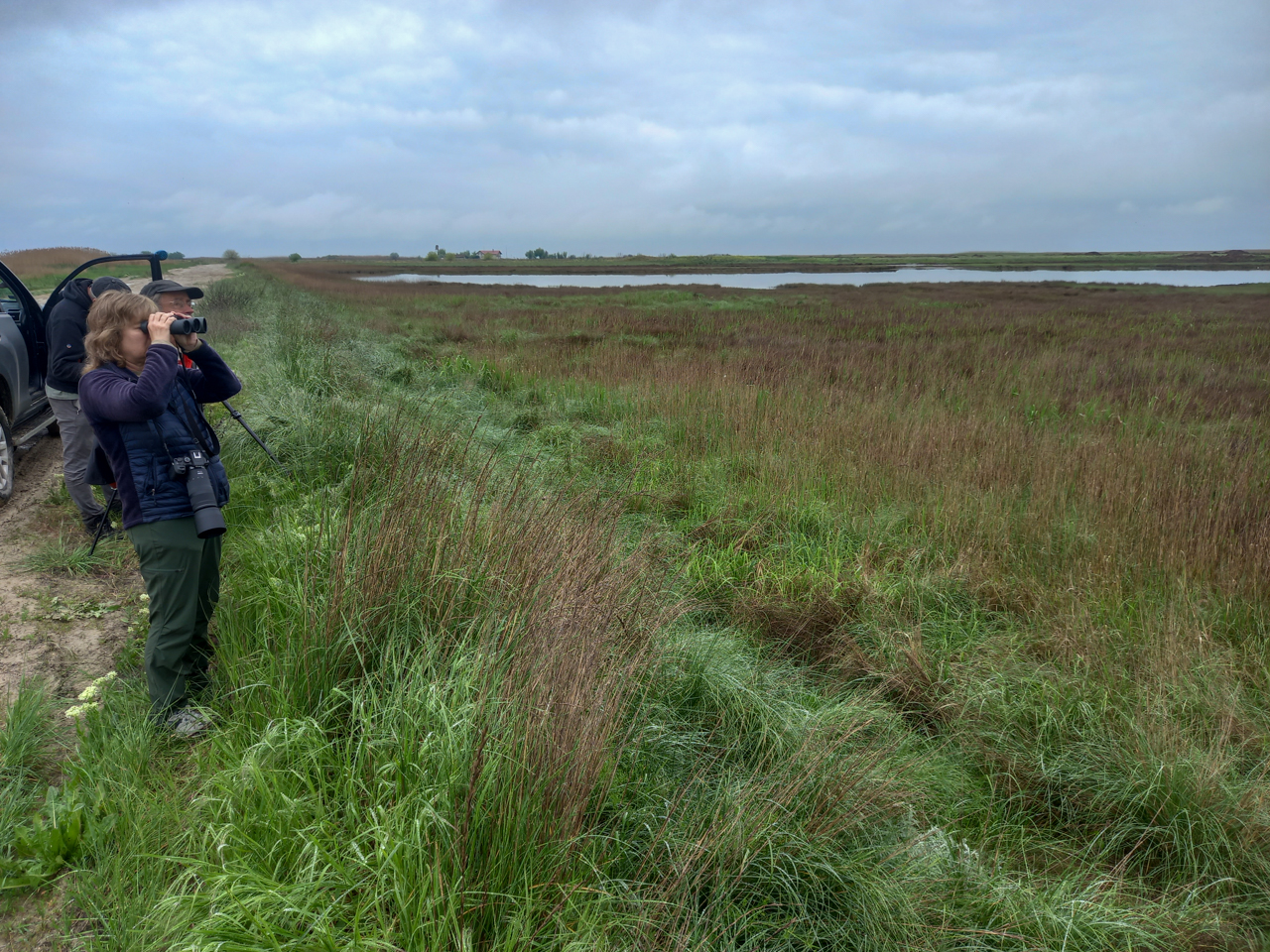
The transition to the Dobruja region marked a dramatic shift in species composition. The salt marshes of Vadu and the Sitorman Quarry offered sightings of steppe specialists. Despite challenging wind conditions, the team identified hundreds of Sand Martins and several Red-rumped Swallows.
The highlight of the entire 13-day period occurred at "Grindul Lupilor" (Wolf’s Island). Here, the expedition documented a White-tailed Lapwing (Vanellus leucurus), a species considered a national rarity in Romania. Typically found in Central Asia and the Middle East, its presence in the Dobruja wetlands underscores the potential for vagrant species to utilize Romanian stopover points during periods of climatic flux.
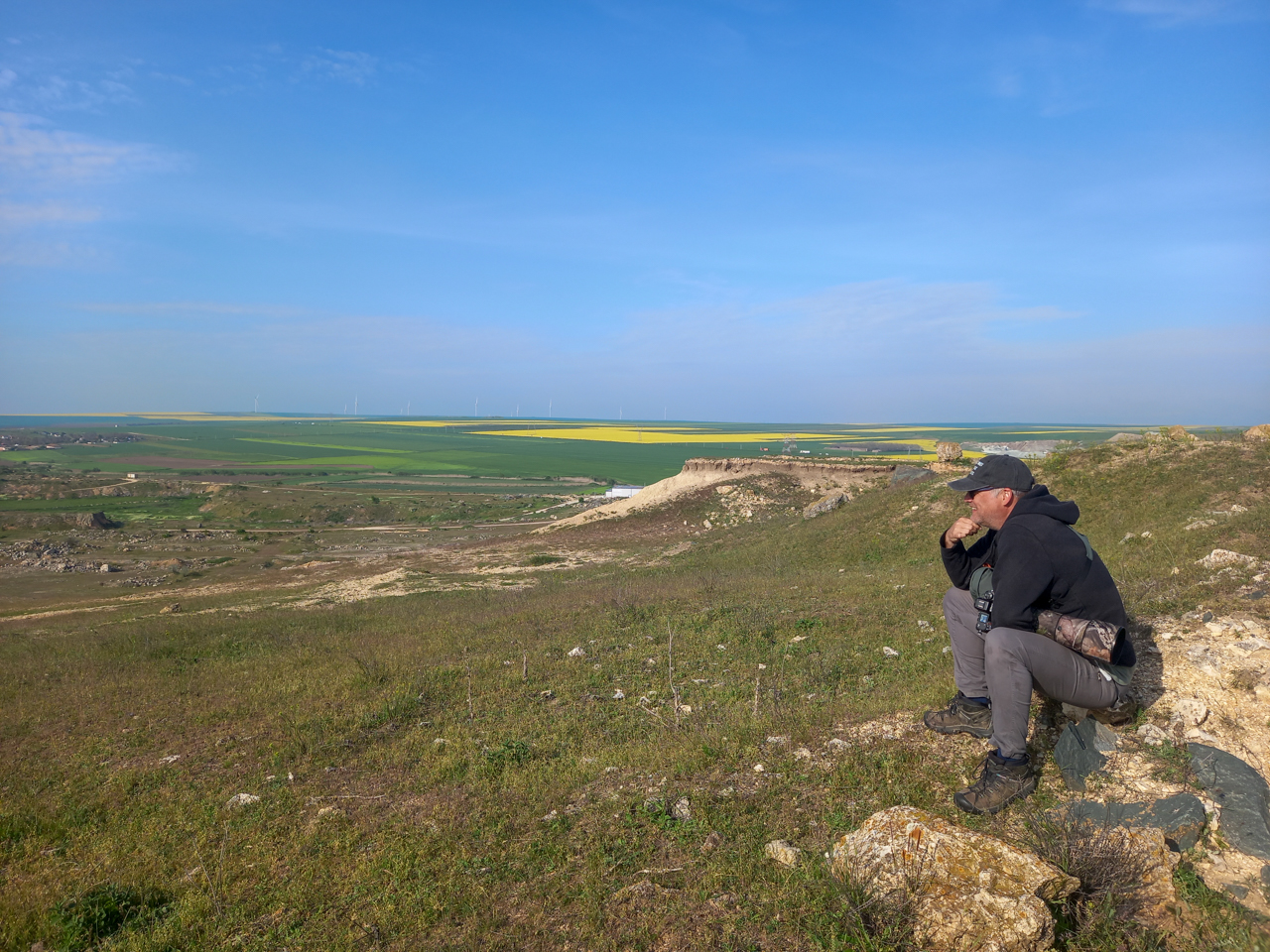
In the Gura Dobrogei steppe, the survey confirmed the presence of four distinct lark species: Greater Short-toed, Calandra, Skylark, and Crested Lark. This diversity highlights the importance of maintaining traditional grazing lands and open steppe habitats, which are increasingly threatened by agricultural intensification across Europe.
Phase IV: The Danube Delta UNESCO World Heritage Site
The final stage of the expedition took place in the Danube Delta, an area of approximately 4,152 square kilometers. Utilizing specialized boat transport to navigate the canal networks of Crisan and Caraorman, the team documented the delta’s massive colonies of White and Dalmatian Pelicans.

The Grey-headed Woodpecker was identified as the dominant woodpecker species in the delta’s riparian forests of willow and poplar. Other significant observations included the Common Kingfisher, found in high densities along the canal banks, and the Eurasian Penduline Tit, whose intricate hanging nests were observed at close range. The delta also served as a stronghold for various herons and egrets, including the Squacco Heron and Black-crowned Night Heron, which were seen in abundance during the twilight hours.
Analysis of Findings and Environmental Implications
The recording of 203 species over 13 days is a testament to Romania’s robust ecosystem services. However, the data also points to several environmental trends:
- Migratory Timing: The observation of species like the European Honey Buzzard and Red-backed Shrike arriving in mid-May suggests that while migration remains consistent, local weather patterns, such as the heavy rains noted in the final days of the tour, can significantly impact bird visibility and activity levels.
- Habitat Connectivity: The success of the expedition in finding a high volume of species across diverse habitats (alpine, forest, steppe, and wetland) emphasizes the need for large-scale landscape connectivity. The "Wolf’s Island" rarity sighting suggests that Romania remains a vital corridor for both common and rare species.
- Ecotourism as a Conservation Tool: The tour participants’ ability to observe species like the Wallcreeper and Brown Bear without disrupting their natural behavior suggests that well-managed ecotourism can provide economic incentives for local communities to protect these habitats.
Official Responses and Participant Perspectives
Ornithologists involved in the expedition noted that the diversity of species seen—ranging from the smallest European bird (Firecrest) to the continent’s largest raptors (White-tailed Eagle)—provides a "high-resolution snapshot" of the region’s biodiversity. "The observation of the White-tailed Lapwing was an exceptional moment that highlights why the Dobruja region is internationally recognized as a birding hotspot," stated one of the lead researchers.
Participants remarked on the "unbelievable azure" of the Kingfishers and the "spectacular landscape" created by the blooming Carpathian Saffron. The consensus among the group was that the expedition provided not only a checklist of species but a deeper understanding of the ecological interdependencies between Romania’s mountains and its waters.
Broader Impact and Future Outlook
The findings of this 13-day survey contribute to the ongoing monitoring of European bird populations. Data gathered during such expeditions is often utilized by conservation organizations to identify Important Bird Areas (IBAs) and to lobby for the protection of critical habitats under the EU’s Natura 2000 network.
As climate change continues to alter migration patterns and habitat suitability, Romania’s role as a sanctuary for avian life becomes increasingly critical. The documentation of 203 species serves as both a celebration of current biodiversity and a reminder of the vigilance required to protect these ecosystems from the pressures of development and environmental degradation. The expedition concluded on May 14, with the data slated for inclusion in regional biodiversity databases, ensuring that these 13 days of observation contribute to long-term scientific knowledge.
