
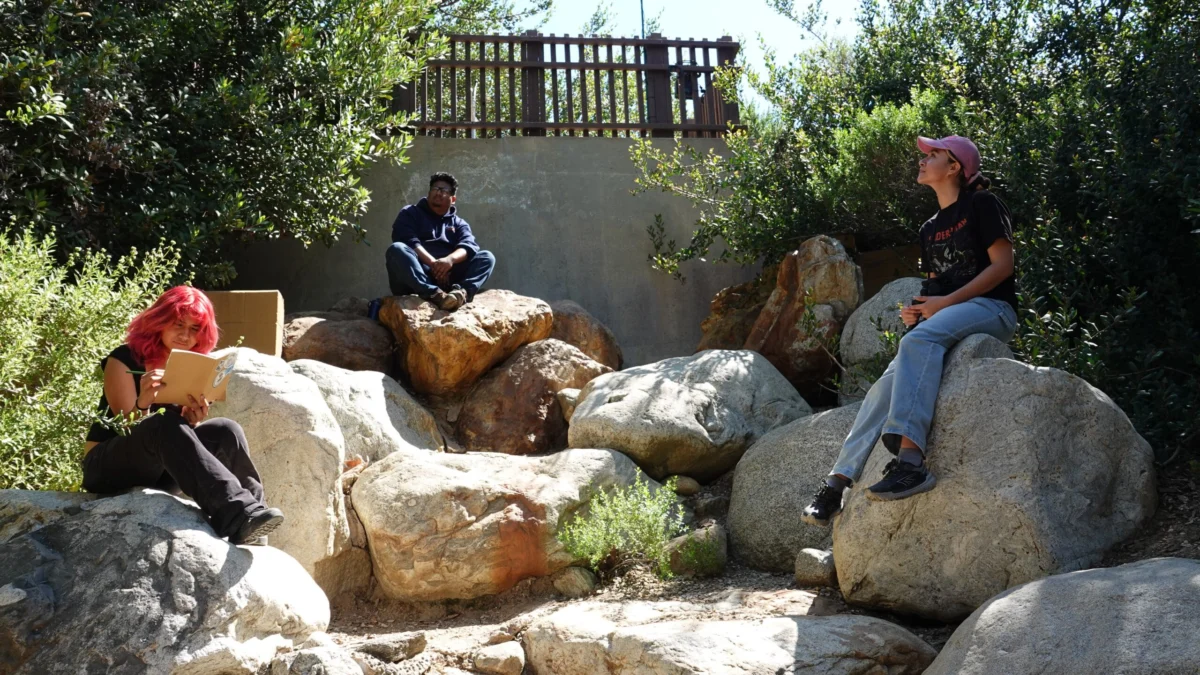
The Audubon Center at Debs Park recently marked a significant milestone with the conclusion of its FLIGHT (Future Leaders Igniting Greater Habitat Transformation) internship program, as its latest cohort of young environmental enthusiasts officially "fledged the nest" after nine months of intensive learning and hands-on conservation work. This year’s program, distinguished by its first-ever structured curriculum, empowered ten interns from across Los Angeles County, many of whom began with limited or no prior exposure to conservation, birds, or even formal employment, to become confident stewards of the environment. Their journey encompassed everything from planting hundreds of native plants and leading community bird walks to embarking on transformative field trips, including a first-time experience watching seabirds from a boat.
A Beacon of Urban Conservation: The Audubon Center at Debs Park
Nestled in Northeast Los Angeles, the Audubon Center at Debs Park stands as a vital green oasis within a densely populated urban landscape. Perched atop the third-largest urban park in Los Angeles, the center serves as a critical hub for environmental education, habitat restoration, and community engagement. Its mission aligns with the broader goals of the National Audubon Society: to protect birds and the places they need, today and tomorrow. For residents of Los Angeles, especially those in historically underserved communities, Debs Park provides invaluable access to nature, offering respite and opportunities for ecological discovery right in their backyard. The park’s diverse habitats, ranging from chaparral and oak woodlands to grasslands, support a rich array of bird species, making it an ideal living laboratory for conservation efforts.
The FLIGHT program is an embodiment of the center’s commitment to nurturing the next generation of environmental leaders. Recognizing that a sustainable future depends on an engaged and knowledgeable populace, FLIGHT strategically targets youth who might otherwise lack pathways into environmental careers. By cultivating skills, fostering a sense of community, and building self-confidence, the program aims to bridge the gap between urban youth and the natural world, transforming participants into passionate advocates for environmental protection. This year’s cohort represented a diverse cross-section of Los Angeles County, reflecting the program’s dedication to inclusivity and equitable access to green job opportunities.
Nine Months of Growth: A Curriculum-Driven Journey
This year’s FLIGHT program distinguished itself through the implementation of its inaugural curriculum-based structure, a development that provided interns with a more formalized and progressive learning experience over their nine-month tenure. Each of the ten interns dedicated approximately 400 hours to the program, culminating in a collective contribution of 4,000 hours towards conservation and community education. This structured approach ensured a comprehensive understanding of ecological principles and practical application.
The curriculum unfolded chronologically, guiding interns through various stages of environmental education and skill development:
-
Months 1-3: Foundational Knowledge and Park Immersion: The initial phase focused on introducing interns to the fundamentals of California native plants, local ecosystems, and the principles of habitat restoration. Interns learned to identify key native species, such as California Sagebrush (Artemisia californica), Toyon (Heteromeles arbutifolia), and various ceanothus species, understanding their ecological roles in supporting local wildlife, particularly pollinators and birds. Safety protocols for fieldwork were also emphasized, alongside an introduction to the daily operations of the Audubon Center. This period laid the groundwork for their subsequent hands-on involvement, fostering a deep appreciation for the unique biodiversity of their immediate surroundings at Debs Park.
-
Months 4-6: Skill Building and Active Restoration: Building on their foundational knowledge, interns transitioned to more intensive hands-on work. They actively participated in habitat restoration projects, which included the meticulous removal of invasive plant species that compete with native flora and alter local ecosystems. A significant achievement during this period was the planting of over 400 California native plants, contributing directly to the enhancement of bird habitat and ecological resilience within Debs Park. Concurrently, interns began developing birding skills, learning to identify local avian species by sight and sound, from the distinctive call of the California Towhee to the acrobatic flights of Anna’s Hummingbirds. These skills were put into practice as they assisted in leading community bird walks, sharing their newfound expertise with park visitors and fostering broader public engagement with bird conservation.
-
Months 7-8: Independent Project and Leadership Development: A highlight of the curriculum was the opportunity for interns to design and launch their own independent mini-restoration site. This project served as a capstone experience, allowing them to apply all the knowledge and skills acquired throughout the program. From site selection and plant palette design to ongoing maintenance and monitoring, the interns took full ownership, experiencing firsthand the challenges and rewards of ecological project management. This initiative not only deepened their practical understanding of restoration ecology but also honed their leadership, problem-solving, and teamwork abilities. The project underscored the program’s commitment to fostering a sense of agency and practical application of conservation principles.
-
Month 9: Capstone Experiences and Program Culmination: The final month brought a series of enriching field trips designed to broaden the interns’ perspectives beyond Debs Park. These excursions provided unparalleled opportunities to connect with diverse conservation professionals and experience different ecosystems, solidifying their understanding of the interconnectedness of environmental issues. The program culminated with reflections on their journey, celebrating their individual and collective accomplishments, and preparing them for their next steps beyond FLIGHT.
Expanding Horizons: Beyond the Urban Oasis
A crucial component of this year’s enhanced FLIGHT curriculum was the expansion of intern experiences beyond the confines of Debs Park, offering exposure to diverse ecosystems and professional networks. These field trips were transformative, providing many interns with their first experiences traveling outside of Los Angeles and venturing onto the open ocean.
-
A Journey to Starr Ranch Sanctuary: The interns embarked on an educational expedition to Audubon California’s Starr Ranch Sanctuary in Orange County. This 4,000-acre protected area is a biodiversity hotspot, encompassing a mosaic of critical habitats including coastal sage scrub, grassland, oak woodland, chaparral, and riparian areas. The visit provided a stark contrast to the urban park environment of Debs Park, illustrating conservation efforts on a larger scale. There, they met with members of Audubon California’s conservation team, including Aimee Alvarenga, Field Manager. Alvarenga, a seasoned conservation professional, shared insights into the complexities of managing a large sanctuary, discussing ecological restoration techniques, wildlife monitoring, and the challenges of preserving biodiversity in a rapidly developing region. For many interns, this was their inaugural journey outside the immediate Los Angeles area, an experience that left a profound impression. It offered a tangible vision of potential career paths in conservation, fostering crucial connections within the professional field and helping them envision their own future roles in environmental stewardship. The direct interaction with professionals like Alvarenga provided invaluable mentorship and demonstrated the diverse opportunities available within the conservation sector.
-
First Voyage: Whale Watching off Long Beach: For their culminating field trip, the interns ventured to the coast of Long Beach for an unforgettable whale watching excursion. This experience was particularly significant as it marked the first time every single intern had ever been out at sea. Accompanied by whale naturalist Brittany Munson, the interns learned about marine ecosystems, migratory patterns of cetaceans, and the identification of various marine life. The expedition offered glimpses of magnificent fin whales, pods of common dolphins, and several species of seabirds, including shearwaters. The excitement on the boat was palpable, with interns eagerly pointing out sightings and capturing moments, a testament to their deep engagement with the natural world. The thrill was so intense that, in their enthusiasm, a few phones reportedly came perilously close to going overboard. This trip not only provided an awe-inspiring encounter with marine megafauna but also highlighted the interconnectedness of terrestrial and aquatic environments, underscoring the broader scope of conservation efforts. It was a powerful reminder of the vastness and wonder of nature that extends far beyond their urban park.
Cultivating Future Leaders: Impact and Implications
The FLIGHT program’s structured approach and diverse experiences have yielded significant impacts on its participants, addressing critical needs in environmental education and workforce development.
-
Comprehensive Skill Acquisition: The interns developed a robust skill set crucial for future environmental careers. These include specialized knowledge in native plant identification, practical habitat restoration techniques, advanced bird identification (both visual and auditory cues), and proficiency in using field equipment. Beyond technical skills, they honed soft skills such as public speaking (leading bird walks), effective teamwork and collaboration, meticulous project management (through their mini-restoration site), and professional conduct in a workplace setting. The mentorship received from Audubon staff and field professionals further enhanced their career readiness.
-
Building Community and Confidence: The program fostered a strong sense of community among the interns, creating a supportive peer network. For many, FLIGHT was their first formal job experience, and the consistent support and encouragement from program staff were instrumental in building their self-efficacy and confidence. This personal growth is vital, especially for youth who may have faced systemic barriers to accessing such opportunities. The program demonstrates how engagement with nature can significantly contribute to personal development and self-esteem.
-
Addressing the Green Workforce Gap and Environmental Equity: FLIGHT serves as a powerful model for addressing the pressing need for a diverse and skilled environmental workforce. By intentionally recruiting youth from Los Angeles County, often those with limited prior exposure to conservation, the program actively works to democratize access to green careers. This initiative is critical for promoting environmental equity, ensuring that the future generation of conservationists reflects the diversity of the communities they serve. Programs like FLIGHT combat the "nature deficit disorder" prevalent in urban areas, reconnecting youth with the natural world and inspiring a lifelong commitment to its protection.
-
Broader Conservation Implications: The work undertaken by the FLIGHT interns contributes directly to the ecological health of Debs Park. Their efforts in planting native species and maintaining restoration sites enhance biodiversity, provide critical habitat for migratory and resident birds, and improve the overall ecological resilience of this vital urban green space. Furthermore, by leading bird walks and engaging with the public, the interns serve as effective ambassadors for conservation, inspiring broader community participation in environmental stewardship. Their personal stories and newfound passion are powerful tools for raising awareness about local and global environmental challenges.
Official Perspectives and Future Outlook
Audubon Center leadership expressed immense pride in the achievements of this year’s FLIGHT cohort. "We are incredibly proud of everything these interns accomplished," stated an Audubon Center representative, reflecting on the program’s success. "Their energy, curiosity, and dedicated care have significantly enriched the Audubon Center at Debs Park. They not only gained invaluable skills but also brought a vibrant spirit to our conservation efforts. We are confident that they will carry their passion for the natural world into whatever path they choose next, becoming powerful advocates for conservation in their communities."
Program coordinators often highlight the symbiotic relationship between the interns and the center. While the interns gain critical skills and experiences, the center benefits from their dedicated labor and fresh perspectives, furthering its mission of habitat restoration and community engagement. Partner organizations that place youth at Debs Park also recognize the profound value of FLIGHT, acknowledging its role in providing meaningful, skill-building employment opportunities that might otherwise be unavailable.
As this cohort of FLIGHT interns "fledges the nest," the Audubon Center at Debs Park looks forward to their continued connection with birds and the natural world. The program stands as a testament to the power of experiential learning and mentorship in cultivating the next generation of environmental leaders. FLIGHT is more than just an internship; it is a transformative journey that instills confidence, fosters community, and ignites a lifelong commitment to habitat transformation, ensuring a brighter, more sustainable future for both people and wildlife. The success of this curriculum-based model also bodes well for the program’s future, potentially serving as a blueprint for similar initiatives aimed at empowering youth in urban conservation efforts nationwide.
