
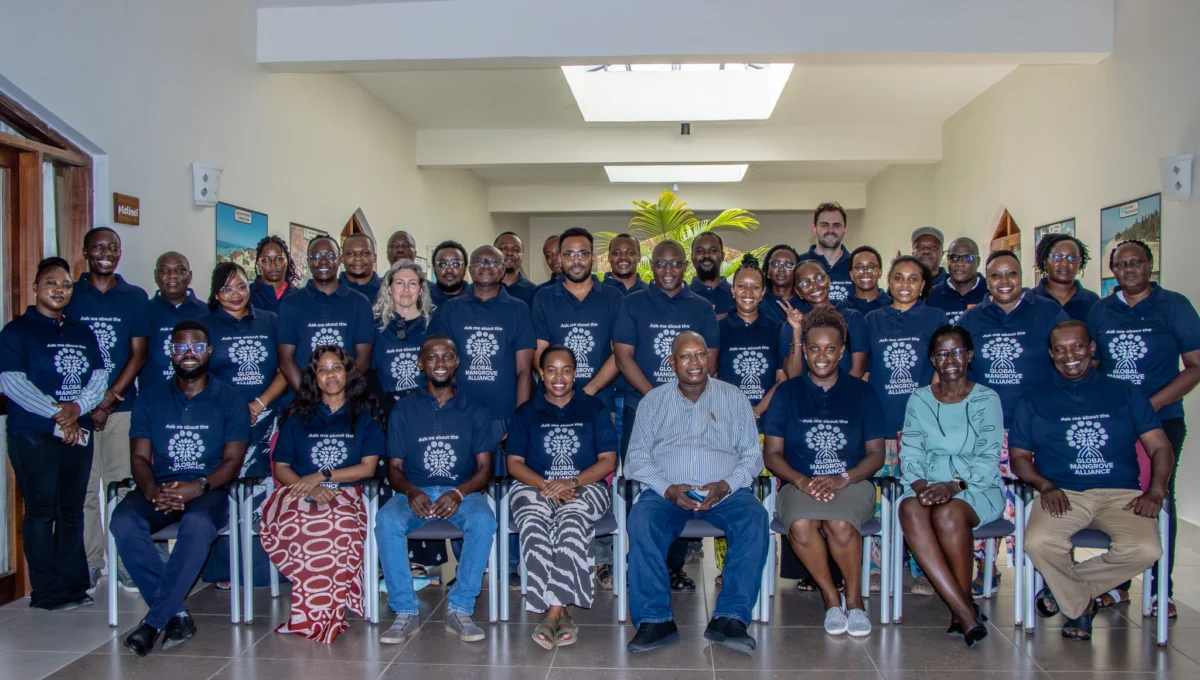
The vibrant coastal region of Kenya recently became the focal point for a groundbreaking initiative aimed at revolutionizing mangrove restoration efforts. Wetlands International and the Global Mangrove Alliance convened a pivotal workshop, bringing together a diverse coalition of mangrove practitioners, community leaders, youth advocates, technical experts, government representatives, and non-governmental organizations. This inaugural gathering, held in April 2026, officially launched the Kenya Mangrove Champions Initiative, signaling a profound commitment to bolstering mangrove conservation through science-based, locally driven strategies.
The workshop emerged at a critical juncture for global mangrove restoration. As international ambition and financial investment surge, the imperative to forge interconnected communities capable of sharing knowledge and accelerating the adoption of effective, ground-level restoration techniques has become paramount. The initiative recognizes that while global targets are essential, the true success of mangrove restoration hinges on the empowerment of those closest to these vital ecosystems – the local communities and their designated champions.
A Collaborative Nexus for Mangrove Restoration Excellence
The core objective of the Kenya Mangrove Champions Initiative is to cultivate a robust, interconnected network of practitioners. This network is designed to transcend fragmented, short-term, or conventional restoration approaches, fostering instead a paradigm shift towards sustainable, community-centric projects. The workshop underscored the fundamental understanding that each mangrove landscape possesses unique ecological, social, economic, and cultural characteristics. Consequently, successful restoration demands bespoke strategies that are deeply rooted in local realities. Participants emphatically stated that mangrove restoration cannot be divorced from the livelihoods, cultural identities, local governance structures, and the immediate priorities of the communities that depend on them.
Central to the initiative’s philosophy is the identification and unwavering support of local leaders, designated as "Mangrove Champions." These individuals are already instrumental in driving positive change within their respective territories. Their invaluable lived experiences, when synergized with scientific knowledge and technical expertise, form the bedrock for designing restoration approaches that are not only effective but also enduring. The challenge, and indeed the significant opportunity, lies in seamlessly integrating these diverse dimensions to achieve lasting ecological and social impact.
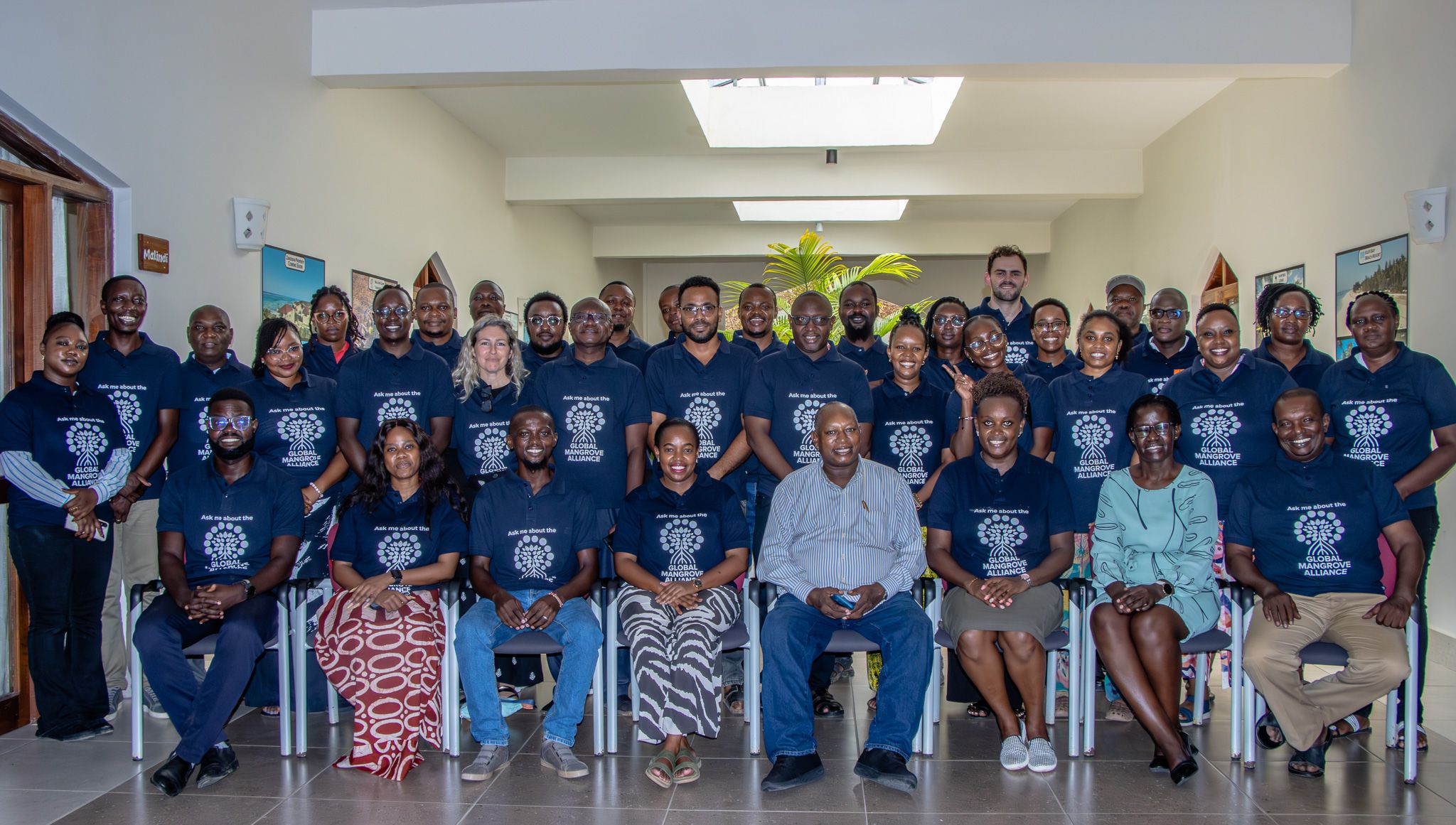
The Global Mangrove Alliance, with its established national chapters worldwide, including a significant presence in Kenya, has been a driving force in effective mangrove conservation and restoration at national scales. The Mangrove Champions Initiative, beginning with Kenya, leverages these existing structures to convene a comprehensive spectrum of stakeholders. This collaborative approach aims to facilitate shared learning and the systematic implementation of best practices in mangrove restoration. The ultimate vision is to forge a connected network of practitioners across various sites, bound by a shared commitment to continuous learning, collaborative action, and the unwavering pursuit of locally rooted solutions.
Elena Roddom, a representative from Wetlands International, articulated the profound value of the workshop: "This experience was so valuable; all participants were so committed and keen to learn from each other. People felt very comfortable to share their local experience and expertise. As a result, established mangrove restoration experts, researchers, and government actors learned from young mangrove champions and community leaders who are testing experimental approaches in the field, and vice versa." This sentiment highlights the reciprocal nature of the learning process, where traditional expertise meets grassroots innovation.
Pioneering Mangrove Restoration Expeditions: Bringing Learning to the Field
A cornerstone of the Kenya Mangrove Champions Initiative is the strategic organization of locally grounded mangrove restoration expeditions. These immersive field-based learning experiences are designed to take place in priority landscapes, bringing the classroom directly to the restoration sites. The inaugural expedition is slated to occur in Kwale County, a region adjacent to the bustling port city of Mombasa, commencing the week following the workshop.
These expeditions will serve as dynamic platforms for collaboration, uniting Mangrove Champions, technical specialists, NGO representatives, and government implementation agencies, such as the Kenya Forest Service. The focus will be on active restoration sites where members of the Global Mangrove Alliance Kenya are already engaged in critical mangrove rehabilitation work. The expeditions are meticulously crafted to be highly participatory and immersive, creating environments where participants feel empowered to openly discuss challenges, uncertainties, and invaluable lessons learned.
During these expeditions, participants will engage in collective analyses of ecological conditions, evaluate diverse restoration methodologies, and dissect implementation hurdles directly within the landscapes undergoing restoration. A significant emphasis will also be placed on exploring effective and respectful engagement strategies with local communities. This includes a deep reflection on local realities, such as power dynamics, the articulation and prioritization of community needs, prevailing governance contexts, and the critical importance of engaging stakeholders beyond immediate community leadership.

The overarching goal of these expeditions is to enhance both ongoing and future mangrove restoration projects in Kenya. Furthermore, they are intended to contribute to broader systemic changes that amplify the impact of mangrove restoration initiatives at scale. This goes beyond mere knowledge exchange; these expeditions are designed to foster behavioral shifts across the restoration sector by elevating the quality of restoration work, promoting collaborative learning, and embedding field-informed decision-making processes.
Laying the Foundation for a Global Movement
Throughout the workshop, participants consistently emphasized the critical importance of ongoing reflection and cross-learning, not only within Kenya but also across different projects and international borders. Key questions emerged, prompting deep consideration: How can teams effectively gather meaningful data in contexts where baseline information is often limited or absent? How can insights gleaned from one expedition be strategically applied to inform another? And crucially, how can compelling storytelling be harnessed to build a broader narrative of impact without sacrificing the intricate nuances of local realities?
The Kenya workshop represents a significant milestone, marking the genesis of a broader endeavor to extend the Mangrove Champions Initiative to other countries and critical mangrove landscapes globally. The ambition is to cultivate a globally interconnected yet locally grounded community of practice. In this envisioned future, restoration knowledge will flow seamlessly across diverse landscapes, and the trajectory of mangrove restoration will be shaped as profoundly by local experience and leadership as it is by scientific advancements and global aspirations.
The Urgency of Mangrove Restoration: Global Context and Data
Mangrove ecosystems, often referred to as "coastal forests," are among the most productive and ecologically significant habitats on Earth. They provide a crucial buffer against coastal erosion, storm surges, and tsunamis, offering invaluable protection to coastal communities. Furthermore, they serve as vital nurseries for a vast array of marine life, supporting biodiversity and underpinning significant fisheries, which are critical for the livelihoods of millions worldwide.

Despite their immense value, mangroves are disappearing at an alarming rate. Globally, it is estimated that between 35% and 50% of mangrove forests have been lost in the last half-century. This degradation is driven by a confluence of factors, including coastal development, aquaculture expansion, pollution, and unsustainable resource extraction. The consequences of this loss are far-reaching, exacerbating climate change vulnerability, diminishing biodiversity, and jeopardizing food security for coastal populations.
The Global Mangrove Alliance estimates that restoring 350 million hectares of degraded mangroves by 2030 is a critical target for achieving global climate and biodiversity goals. The Kenya Mangrove Champions Initiative directly addresses the need for effective, scalable, and locally relevant solutions to meet such ambitious targets. The investment in empowering local champions is a strategic approach to ensure that restoration efforts are not only technically sound but also socially equitable and sustainable in the long term.
Implications and Future Outlook
The establishment of the Kenya Mangrove Champions Initiative carries significant implications for the future of coastal ecosystem management. By prioritizing local leadership and integrating traditional knowledge with scientific expertise, the initiative stands to create more resilient and effective restoration outcomes. The emphasis on building a connected community of practice will foster innovation, accelerate learning curves, and enhance the capacity of practitioners to adapt to the dynamic challenges of mangrove restoration.
The success of this initiative in Kenya could serve as a replicable model for other coastal nations grappling with similar environmental challenges. The focus on practical, field-based learning through expeditions promises to yield tangible results and build a cadre of highly skilled and motivated mangrove restoration professionals. As global efforts to combat climate change and biodiversity loss intensify, initiatives like the Kenya Mangrove Champions Initiative offer a beacon of hope, demonstrating that by empowering local communities and fostering collaborative action, significant progress can be made in safeguarding these invaluable coastal ecosystems for future generations. The commitment to continuous learning and adaptation ensures that the initiative remains responsive to evolving needs and challenges, paving the way for a more sustainable and impactful future for mangrove restoration.
