

Southern Ontario’s unique geography, characterized by its position as the southernmost reach of Canada and its proximity to the Great Lakes, once again served as a critical funnel for millions of migratory birds during the peak window of May 5 to May 16, 2024. This period, widely regarded by ornithologists and conservationists as the "super-peak" of the spring migration, saw a diverse array of species traversing the Mississippi and Atlantic flyways. A dedicated expedition of five avian observers recently completed an 11-day survey of the region’s most vital stopover habitats, ranging from the urban parks of Toronto to the globally rare alvars of Carden and the boreal fringes of Algonquin Provincial Park. The journey provided a comprehensive snapshot of the health and timing of this year’s migration, highlighting both the resilience of common species and the precarious status of rare inhabitants within Ontario’s shifting ecosystems.

The Urban Stopover: Toronto and the Lake Ontario Shoreline
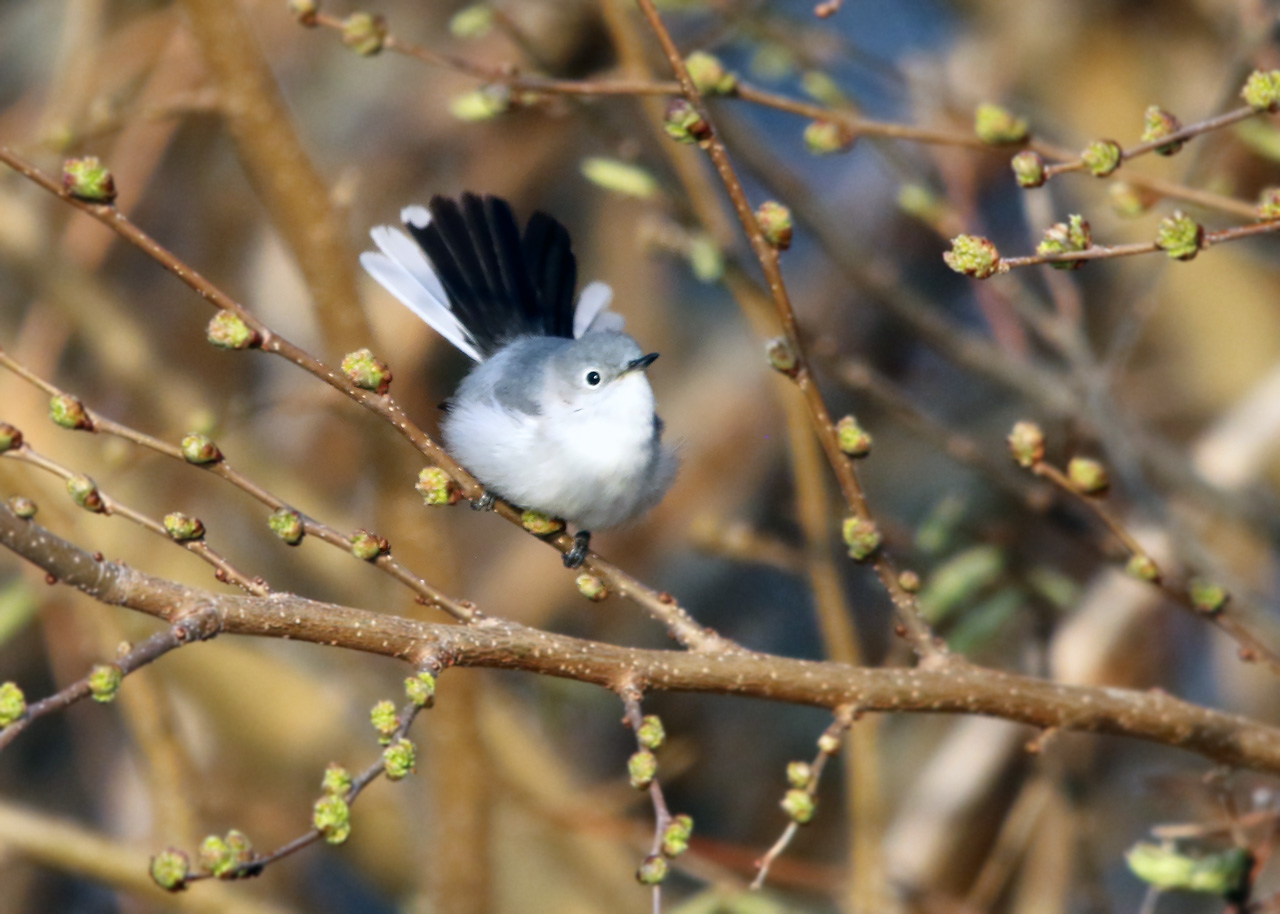
The expedition commenced on May 5 in Toronto, Canada’s largest urban center. While often viewed as a concrete jungle, Toronto’s waterfront parks serve as essential "islands" of habitat for exhausted migrants crossing Lake Ontario. At Colonel Sam Smith Park, observers documented the arrival of early-wave wood-warblers and kinglets. Despite cool, drizzly conditions on the morning of May 6, which typically suppresses bird activity, the group recorded Ruby-crowned Kinglets, Palm Warblers, and Blue-grey Gnatcatchers.
The presence of these species in an urban setting underscores the importance of municipal conservation efforts. Local breeders, including the Northern Cardinal and Yellow Warbler, were already establishing territories. A notable highlight was the sighting of two Black-crowned Night Herons roosting in the park’s foliage—the only encounter with this species during the entire 11-day period. Further west, near the marinas, Red-necked Grebes were observed in vocal nesting displays, while lingering waterfowl such as Long-tailed Ducks and Red-breasted Mergansers indicated that the transition from wintering to breeding populations was still in progress.
Point Pelee National Park: The Epicenter of Migration
From May 7 to May 9, the focus shifted to Point Pelee National Park, a location internationally recognized as the "Warbler Capital of Canada." Situated at the same latitude as Northern California, Point Pelee is a peninsula that extends into Lake Erie, acting as the first point of land for birds crossing the lake from the United States.
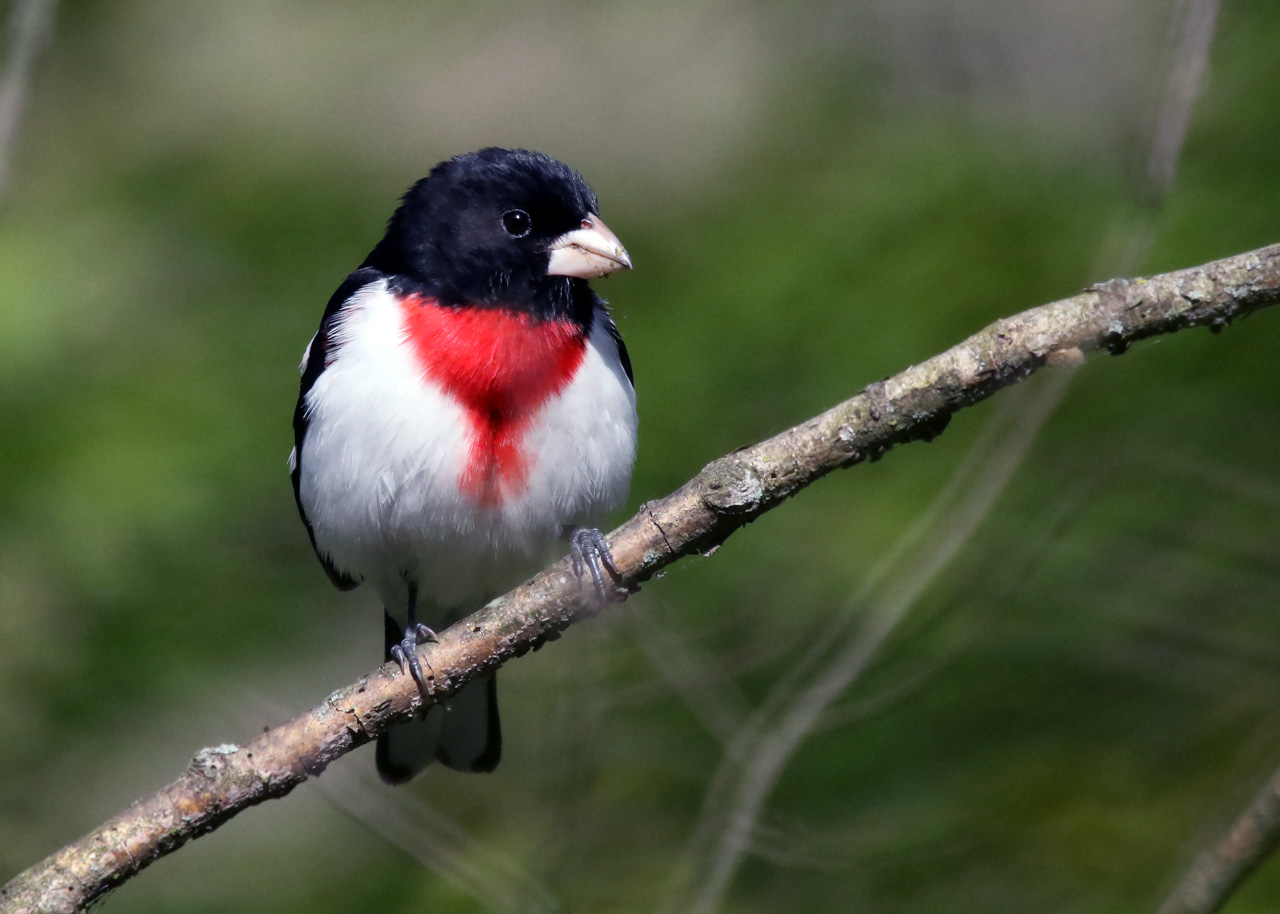
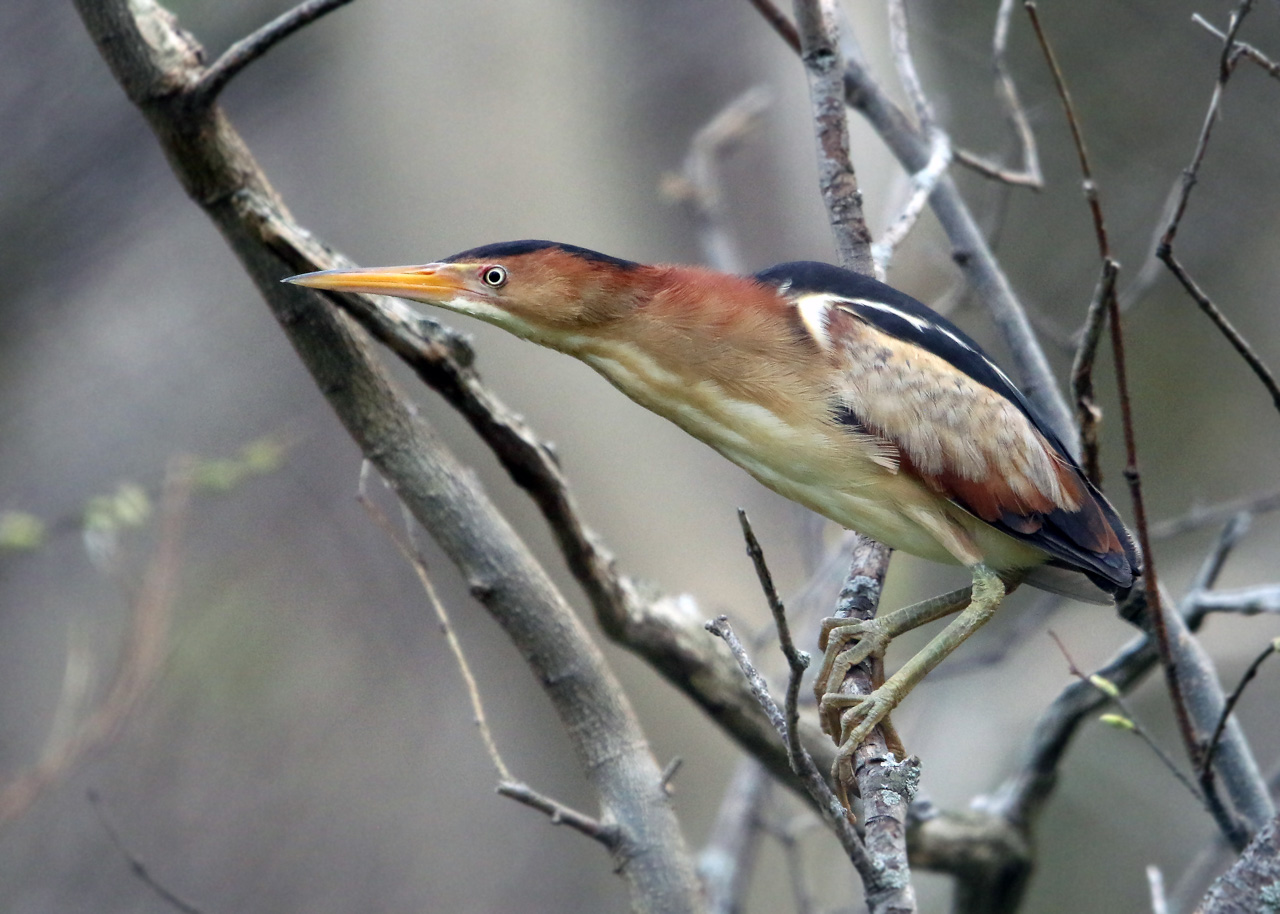
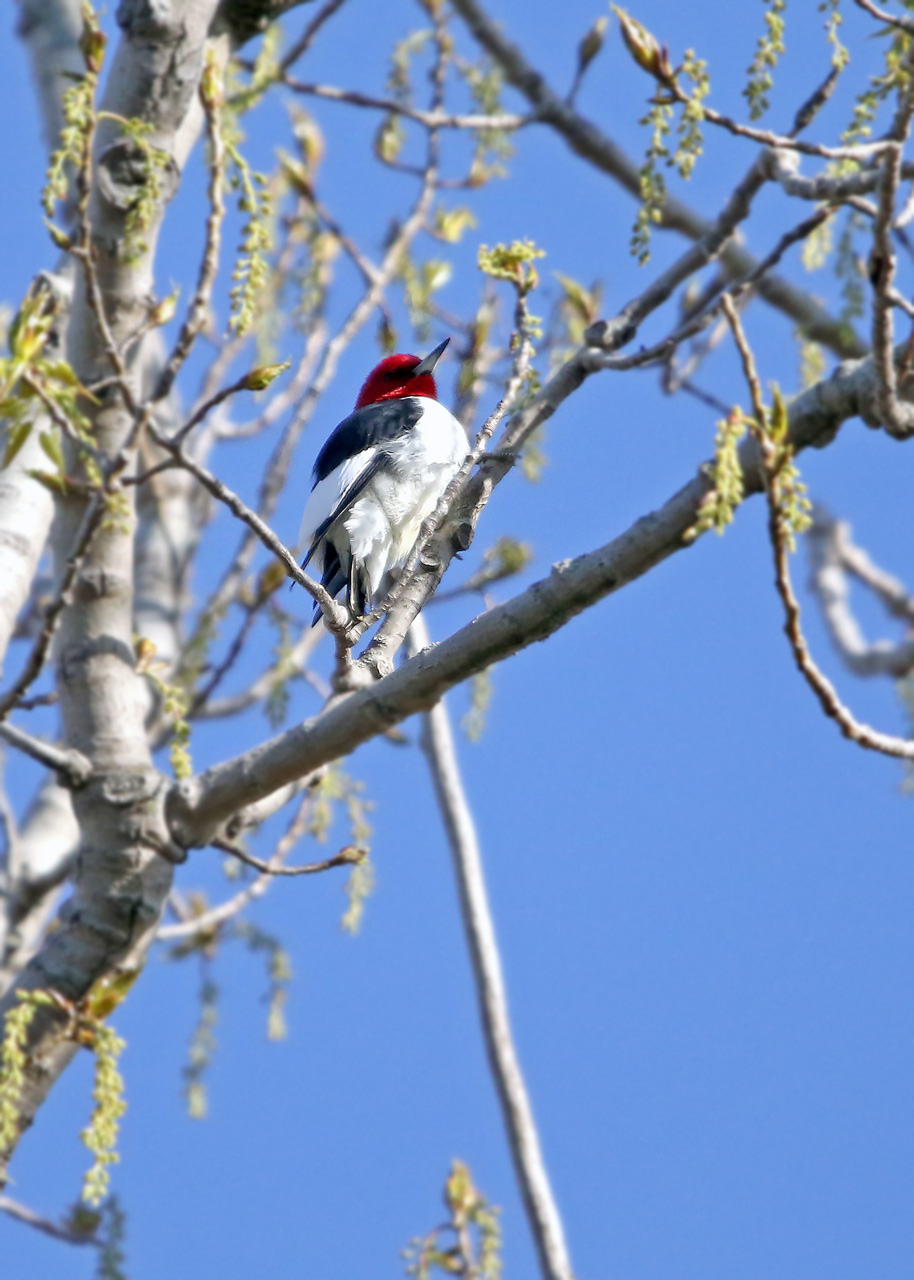
The expedition arrived at the "Tip" before dawn to witness the legendary arrival of nocturnal migrants. While wind conditions were not perfectly aligned for a massive "fallout"—a phenomenon where thousands of birds descend simultaneously due to weather—the diversity of species remained high. Observers recorded Red-headed Woodpeckers, Rose-breasted Grosbeaks, and the elusive Least Bittern. The latter, a secretive marsh bird, provided rare, unobstructed views near the Tip, a find that local experts suggested was a highlight of the season.
A significant behavioral observation made during this period was "reverse migration." This occurs when birds, having reached the tip of the peninsula at night, fly back north or temporarily head back over the lake in the morning as they reorient themselves. The group watched dozens of warblers, orioles, and sparrows participate in this confusing but fascinating display. Scientific interest was also piqued by the sighting of a Black-headed Gull, a rare visitor to Ontario, which drew significant crowds of citizen scientists and researchers to the shoreline.
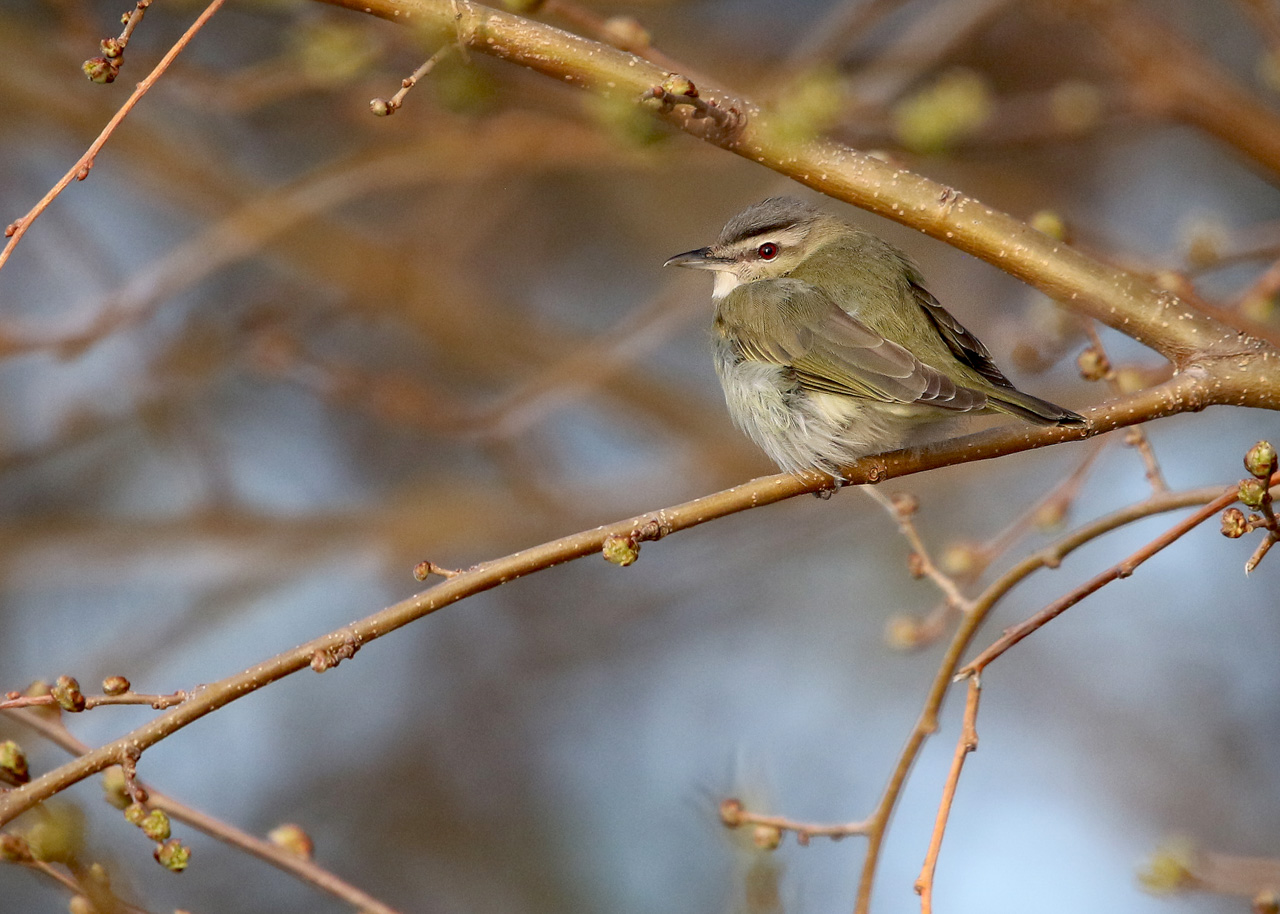
The Carolinian Influence: Hillman Marsh and Rondeau Provincial Park
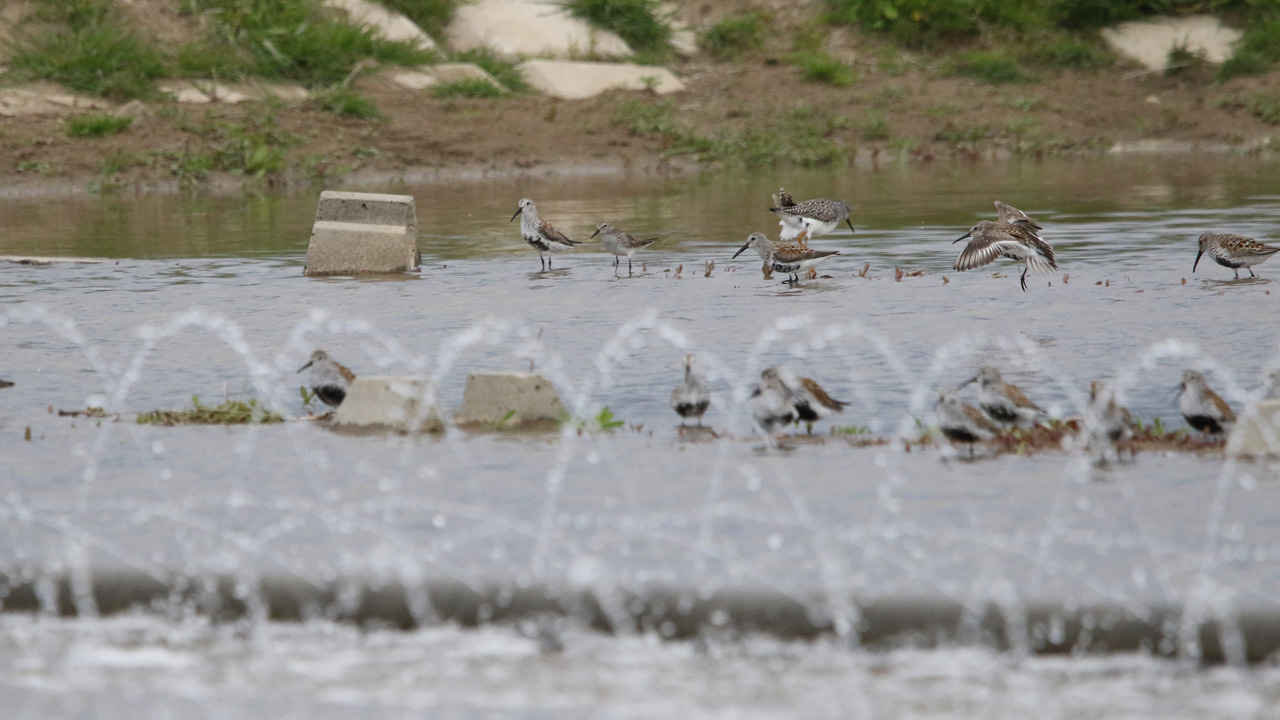
The geography of Southwestern Ontario is dominated by the Carolinian forest zone, a life zone found nowhere else in Canada. On the evening of May 9, the group surveyed Hillman Marsh, a managed wetland that serves as a vital refueling station for shorebirds. The marsh hosted a "swarm" of species, including Wilson’s Snipe, Black-bellied Plover, Dunlin, and both Short-billed and Long-billed Dowitchers.
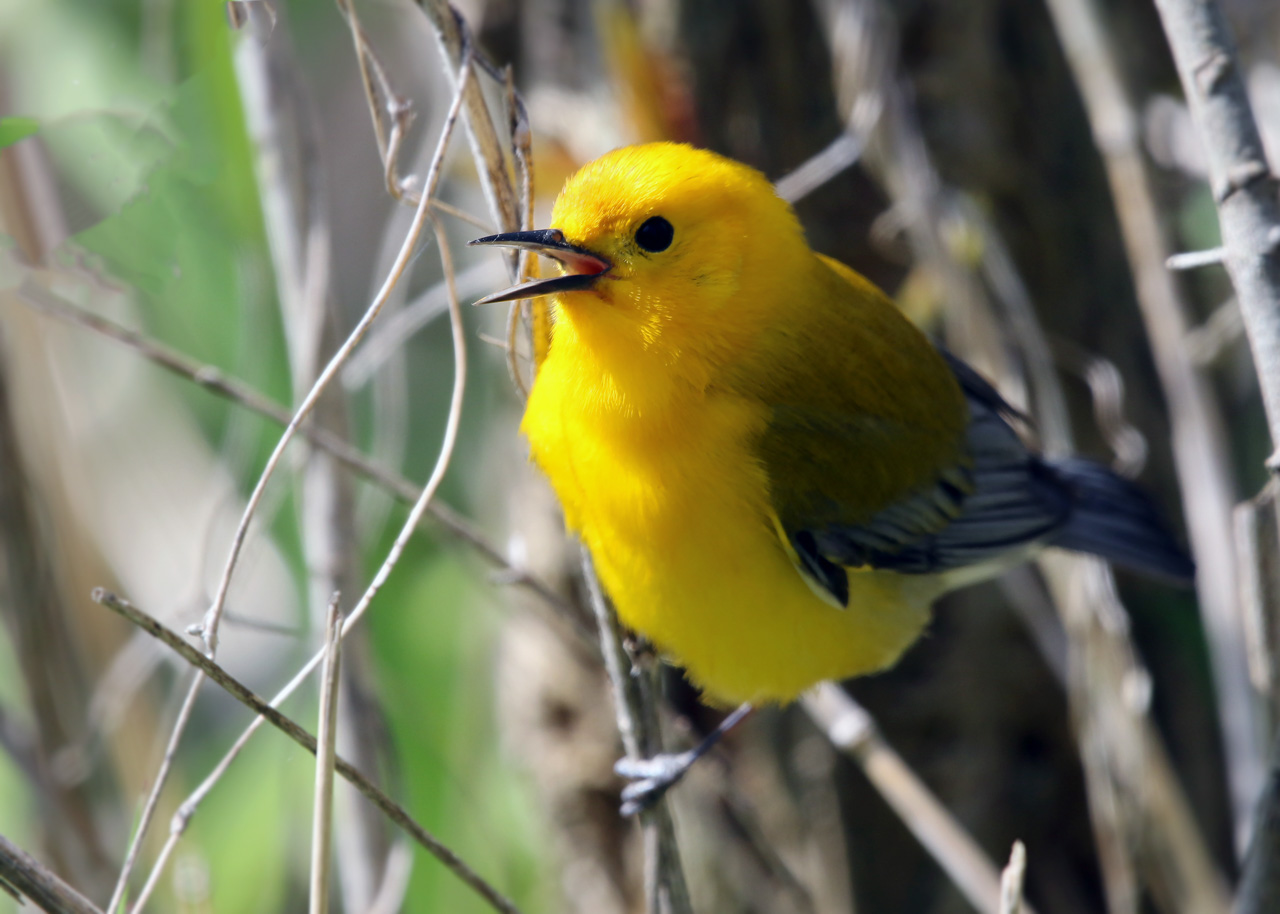
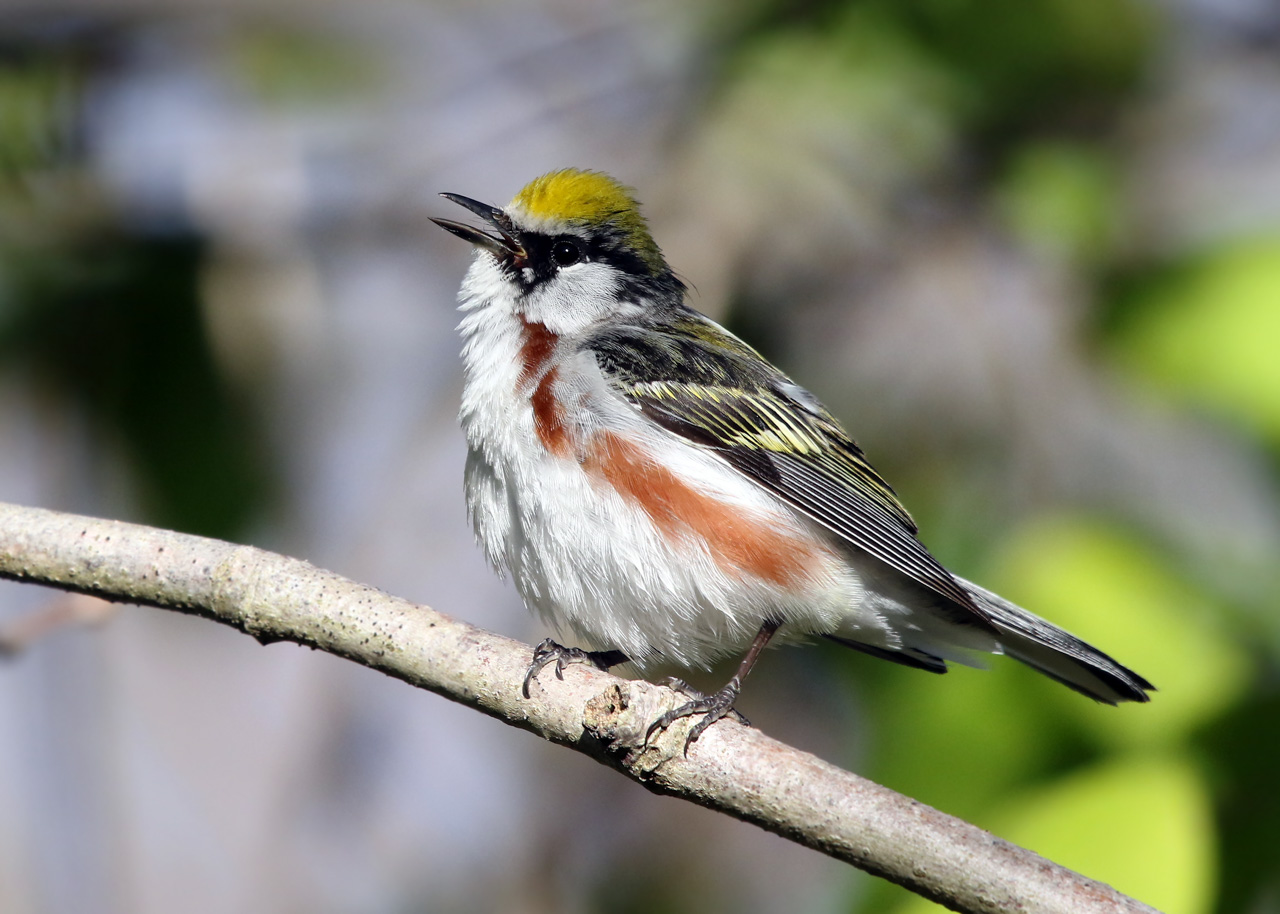
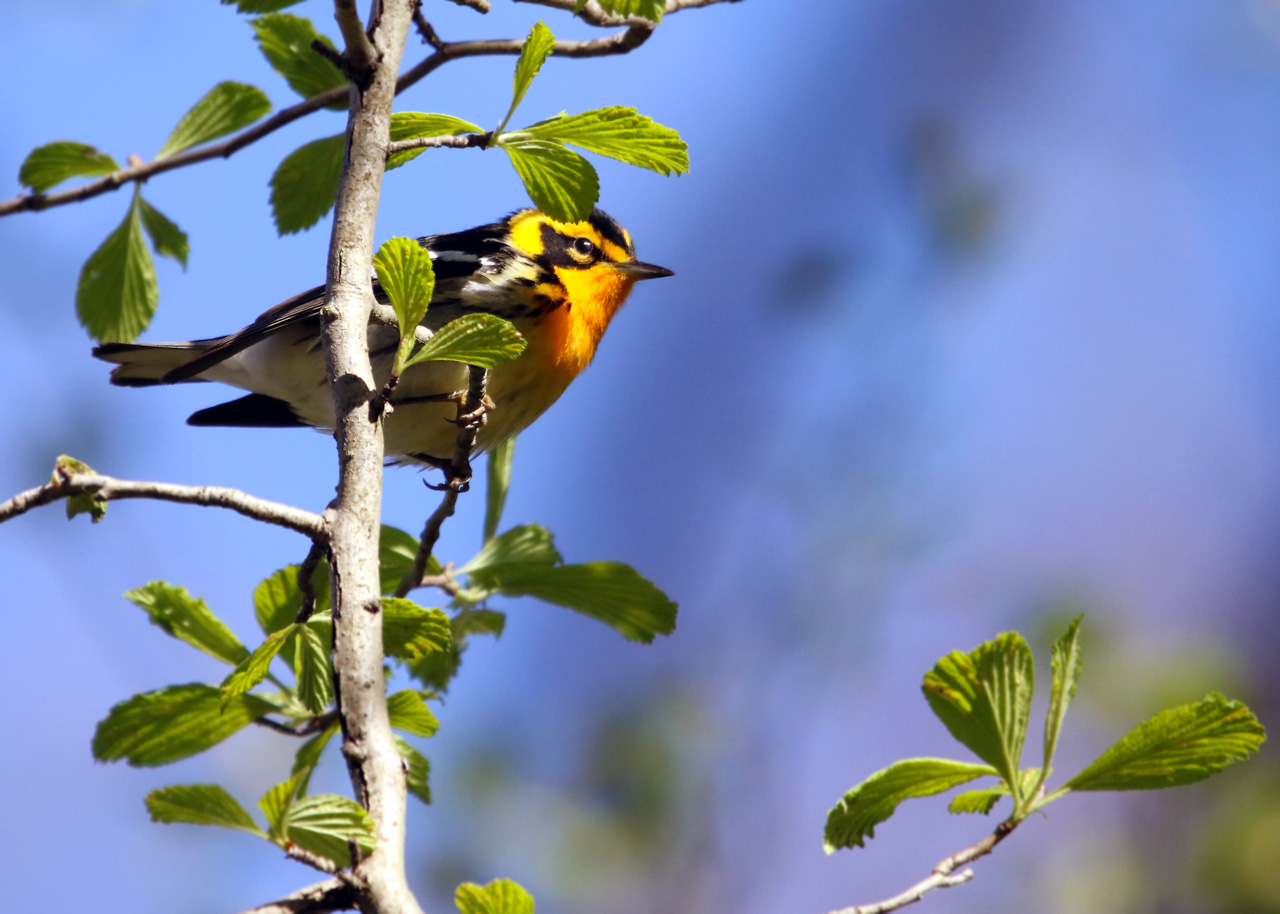
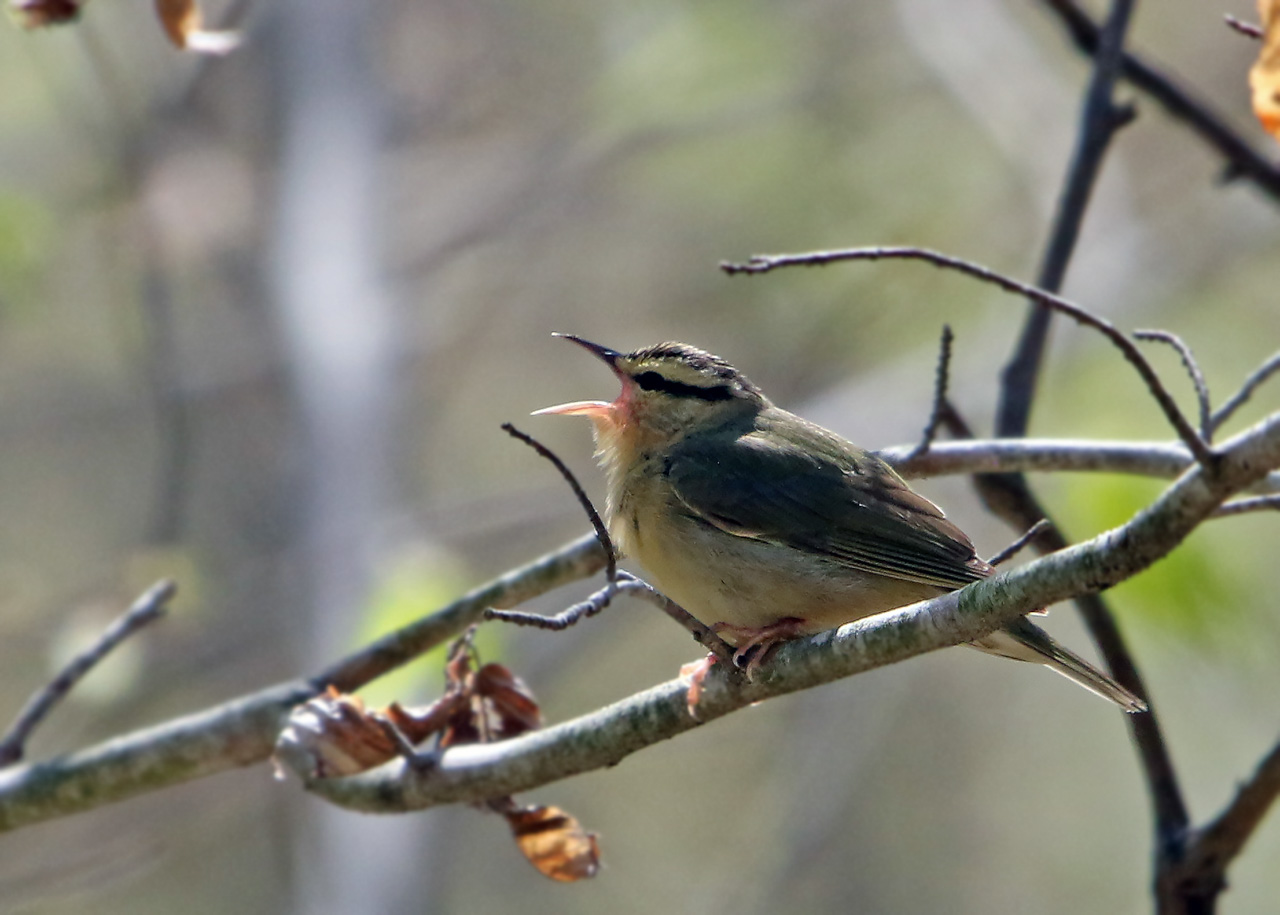
On May 10, the expedition moved to Rondeau Provincial Park. Known for its old-growth Tulip Tree forests, Rondeau provides a different ecological niche than the scrubbier habitats of Pelee. Migration activity intensified significantly overnight, with the group documenting 15 species of warblers in a single morning. Key sightings included the Blackburnian Warbler and the Cape May Warbler. The most scientifically significant find at Rondeau was a Worm-eating Warbler, a species that is locally rare and highly sought after by the birding community. Its presence in the flooded forest of the Tulip Tree Trail suggests that even small pockets of specialized habitat are essential for the survival of rare long-distance migrants.
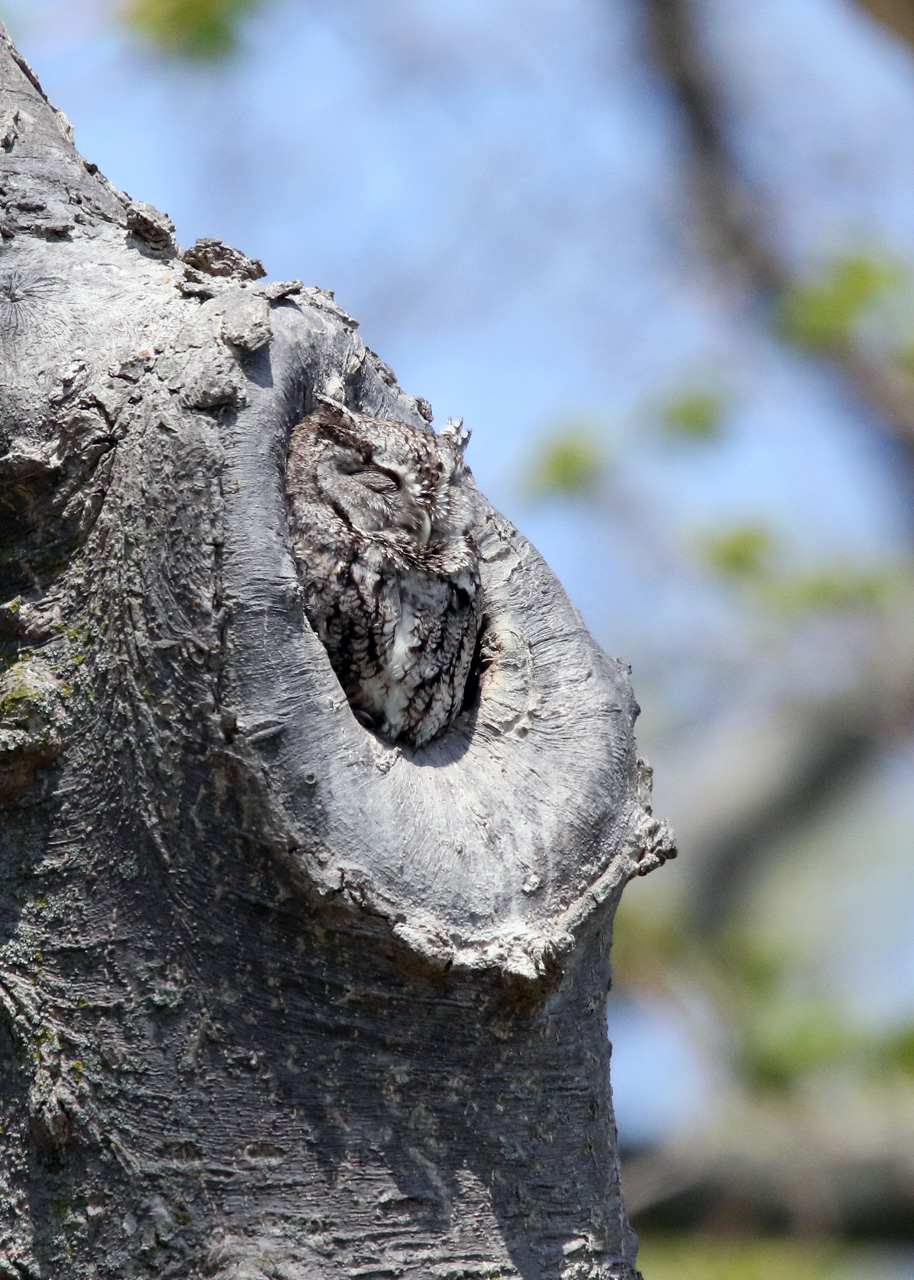
Long Point and the Science of Bird Banding
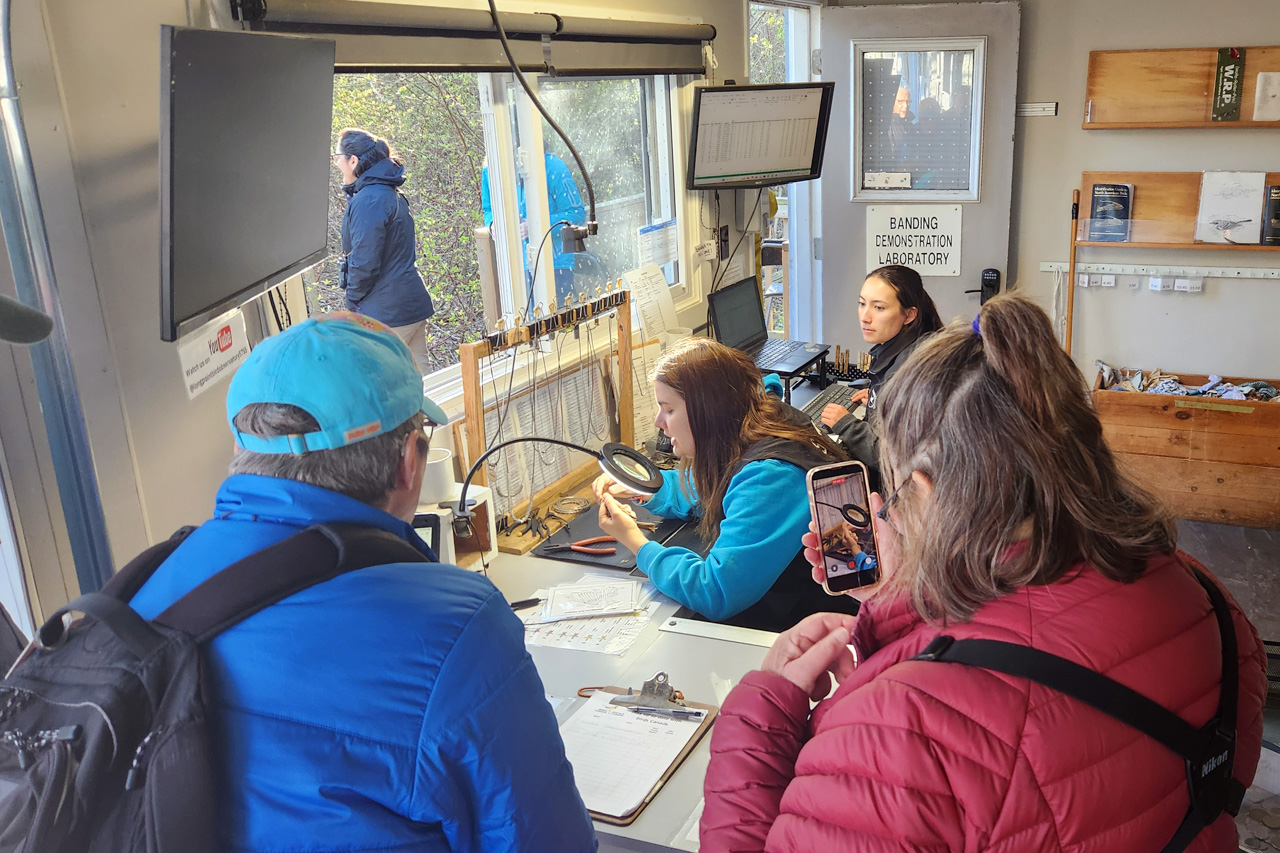
The mid-point of the journey, May 11-12, was spent in the Long Point area, a UNESCO Biosphere Reserve. Long Point is home to one of the oldest bird observatories in the Western Hemisphere. At the Old Cut Banding Station, the group observed the work of Birds Canada, where researchers use mist nets to capture, weigh, and band birds. This data is crucial for tracking population trends and migration timing across decades.
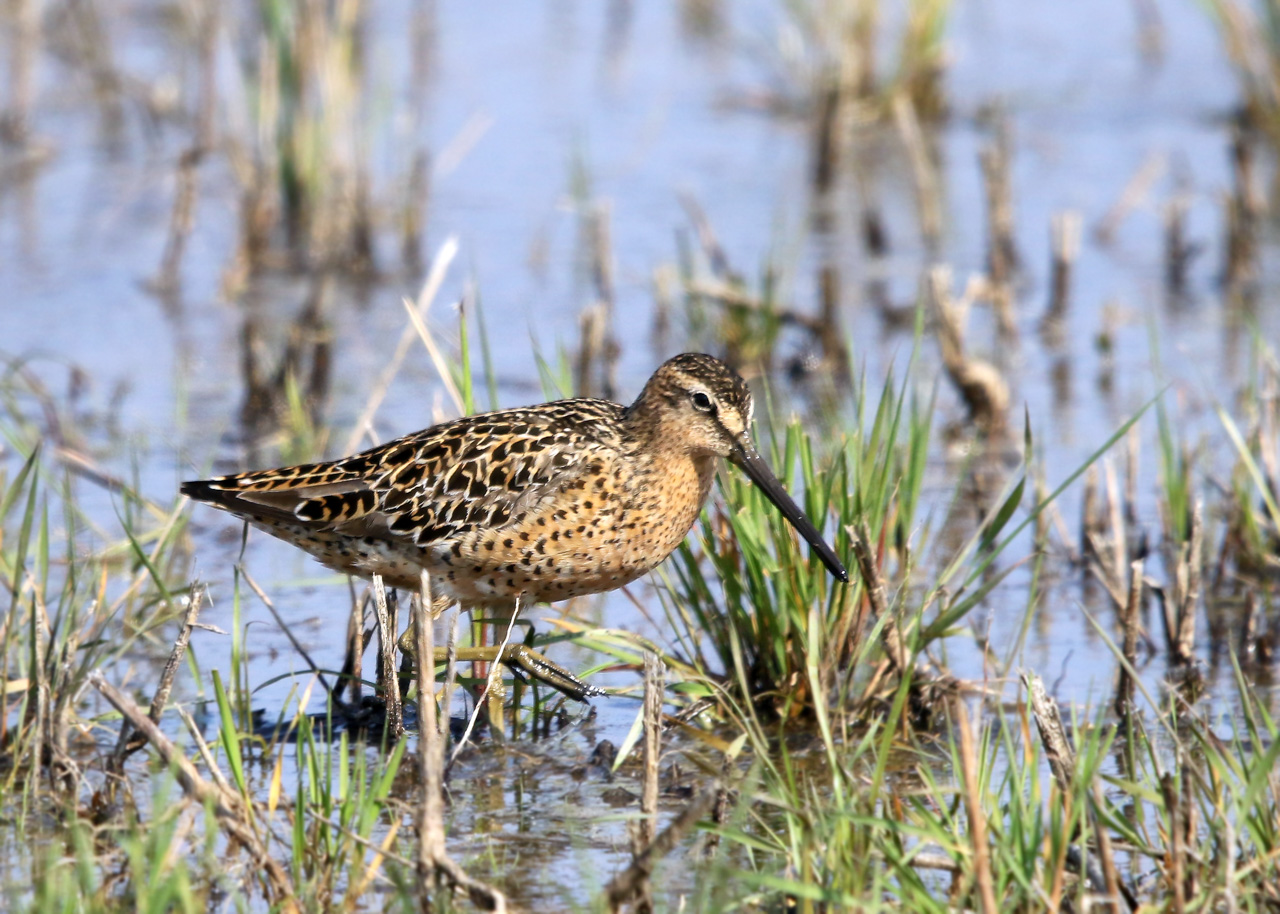
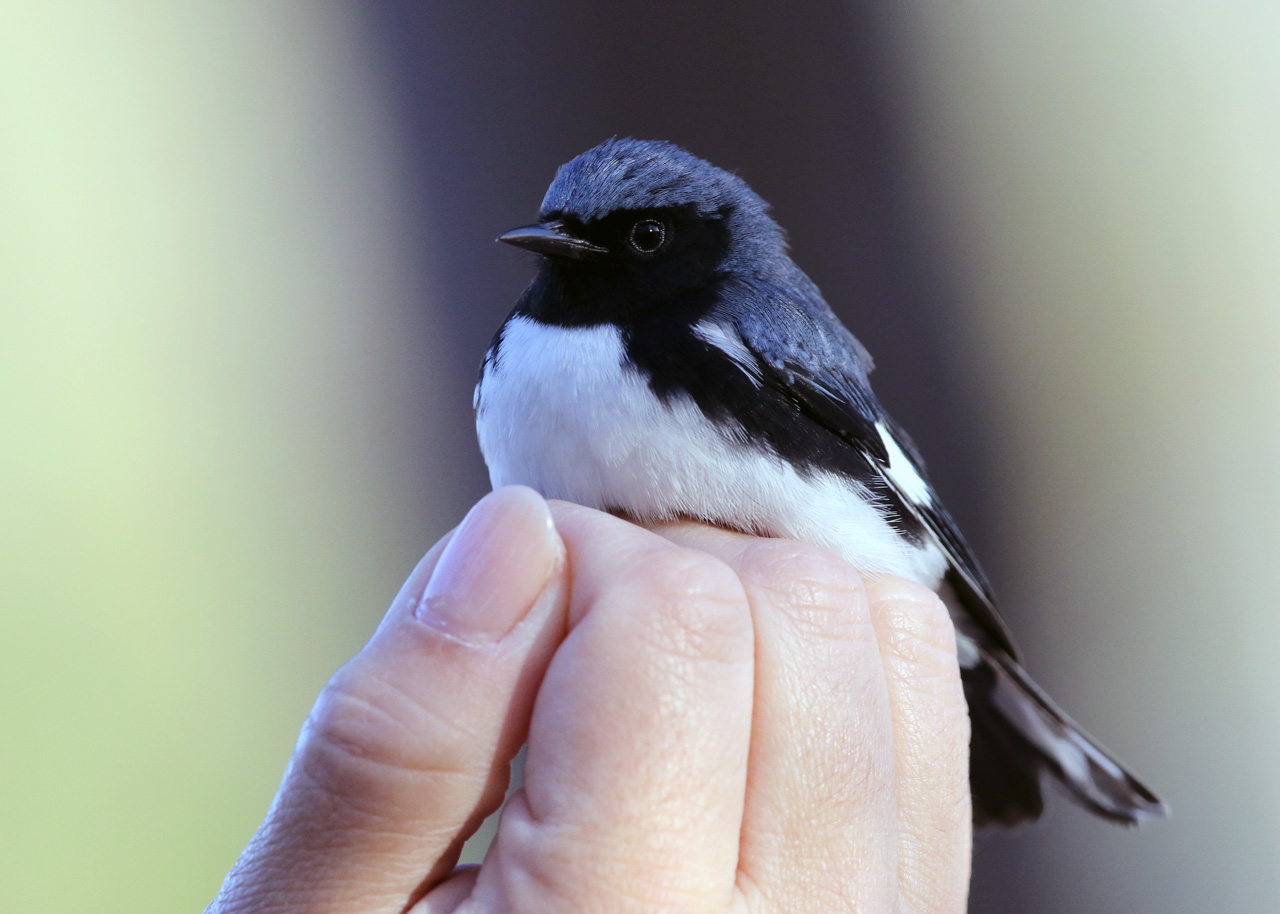
The banding demonstration featured handheld views of Black-throated Blue Warblers and White-crowned Sparrows, offering a rare opportunity to discuss the physiological toll of migration. Conservationists at the site emphasized that while migration is a natural marvel, it is increasingly threatened by habitat loss and light pollution.
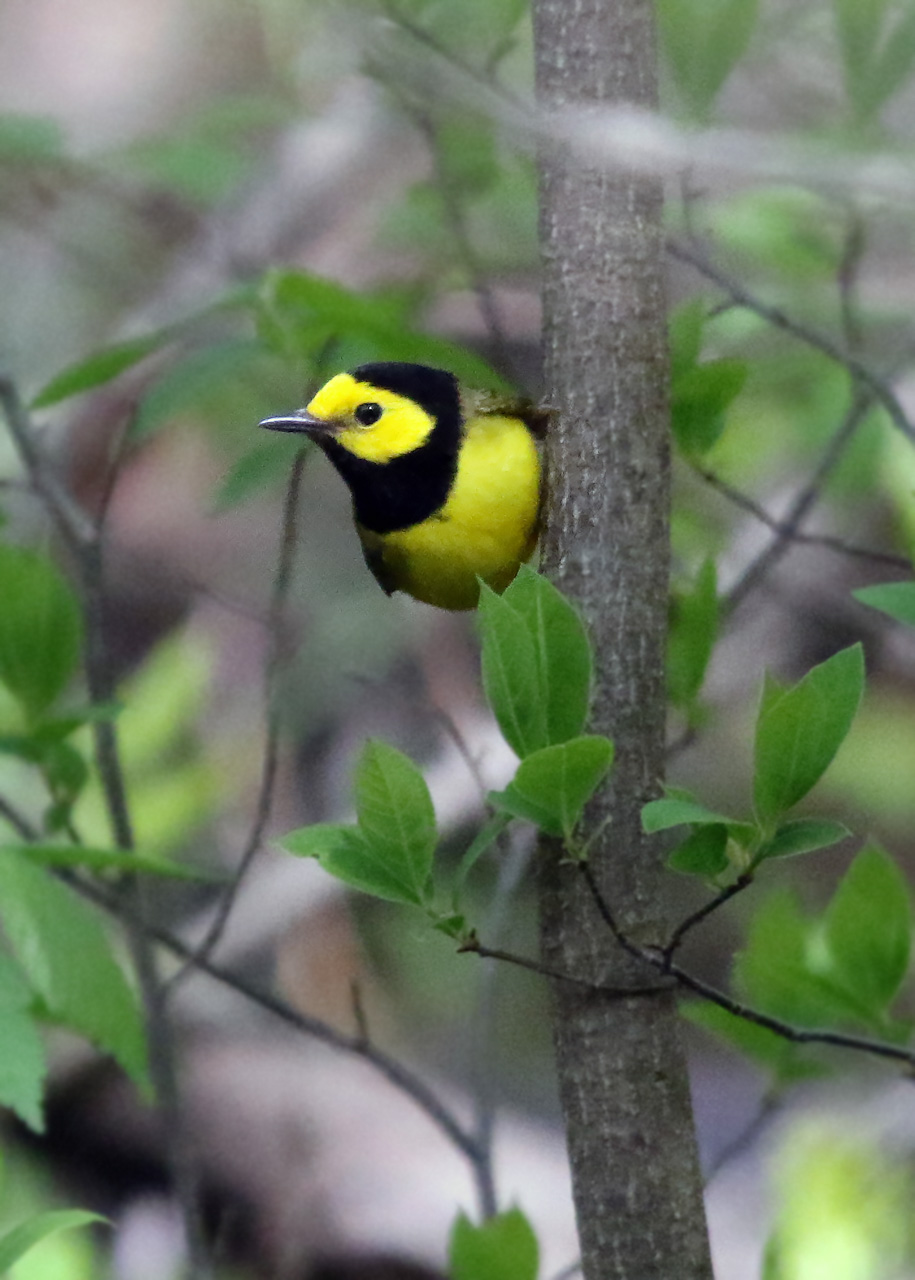
In the nearby Backus Woods, the group encountered a different suite of birds, including the Scarlet Tanager and the Hooded Warbler, a species that has seen a slow northern expansion of its breeding range in recent years. The evening hours provided a glimpse into the life of crepuscular species; the group successfully tracked the "peenting" calls of the American Woodcock and caught a brief glimpse of an Eastern Whip-poor-will, a species currently listed as "Threatened" in Ontario due to insect population declines and habitat fragmentation.
The Transition to the Alvars: Carden Provincial Park
On May 13, the expedition traveled north of the Kawartha Lakes to Carden Alvar Provincial Park. An "alvar" is a globally rare ecosystem characterized by thin soil over a limestone base, creating a grassland-like environment that supports unique flora and fauna.
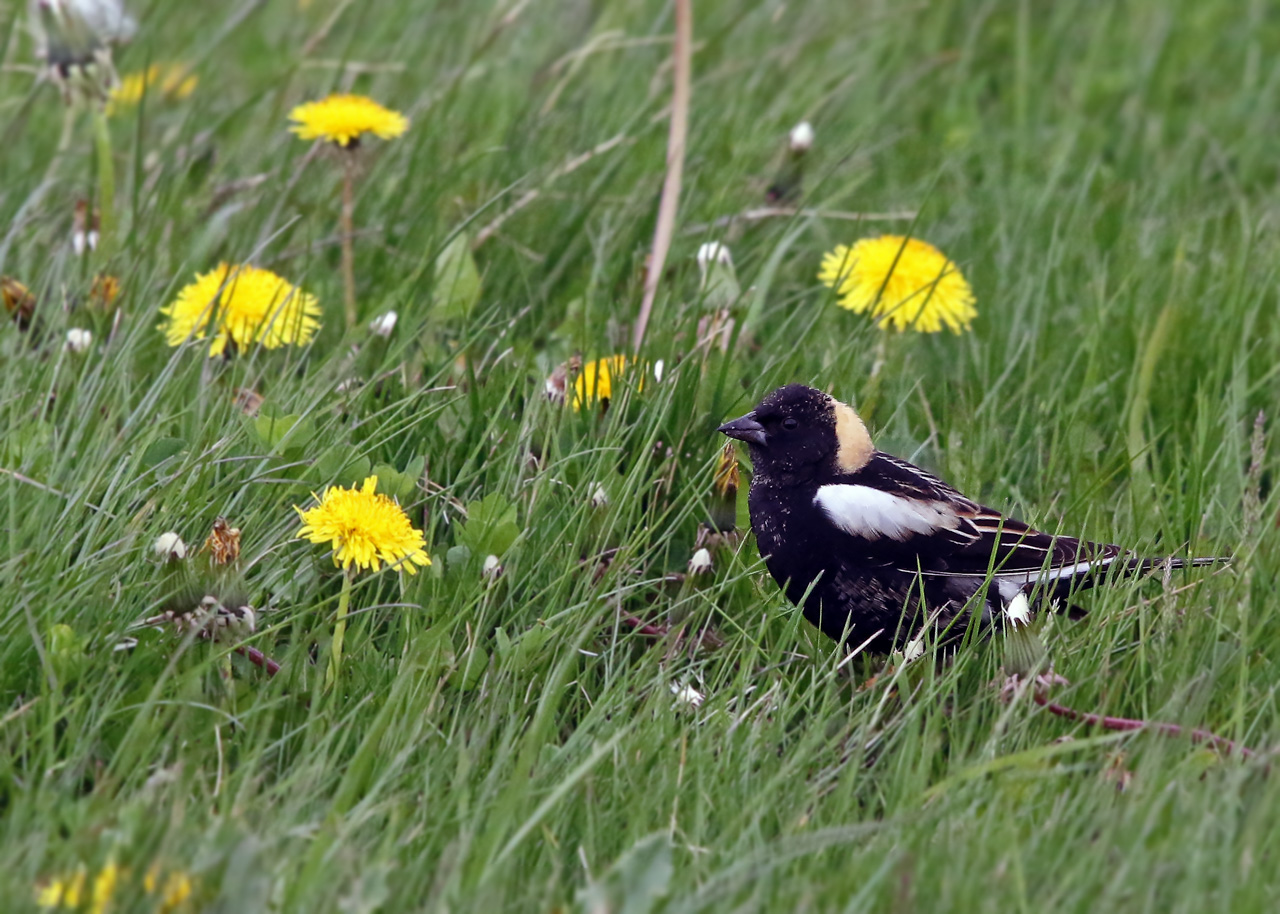
The avian community here differed sharply from the forest-dwellers of Lake Erie. The group documented Eastern Meadowlarks, Bobolinks, and Grasshopper Sparrows—all species that rely on open, undisturbed grasslands. While the group "dipped" (failed to find) the provincially endangered Loggerhead Shrike, they were heartened by the presence of Golden-winged Warblers, another species of high conservation concern. The Carden Alvar represents one of the few remaining strongholds for these birds in Southern Ontario, as many of their traditional habitats have been lost to intensive agriculture or urban sprawl.
The Boreal Finale: Algonquin Provincial Park
The final leg of the journey, May 14-15, took place in Algonquin Provincial Park. Representing the southern edge of the boreal forest, Algonquin offers a starkly different landscape of granite cliffs, spruce bogs, and pine forests.
The group noted that boreal species have become increasingly difficult to locate in Algonquin over the last decade. Ornithologists suggest this may be a result of climate change, as the southern boundary of the boreal forest gradually shifts northward. Despite this, the expedition successfully located the Black-backed Woodpecker and the Boreal Chickadee. A hike on the Mizzy Lake Trail produced sightings of Hooded Mergansers and a foraging American Mink, while the evening brought a close encounter with a roadside Moose, a quintessential symbol of the Canadian wilderness.
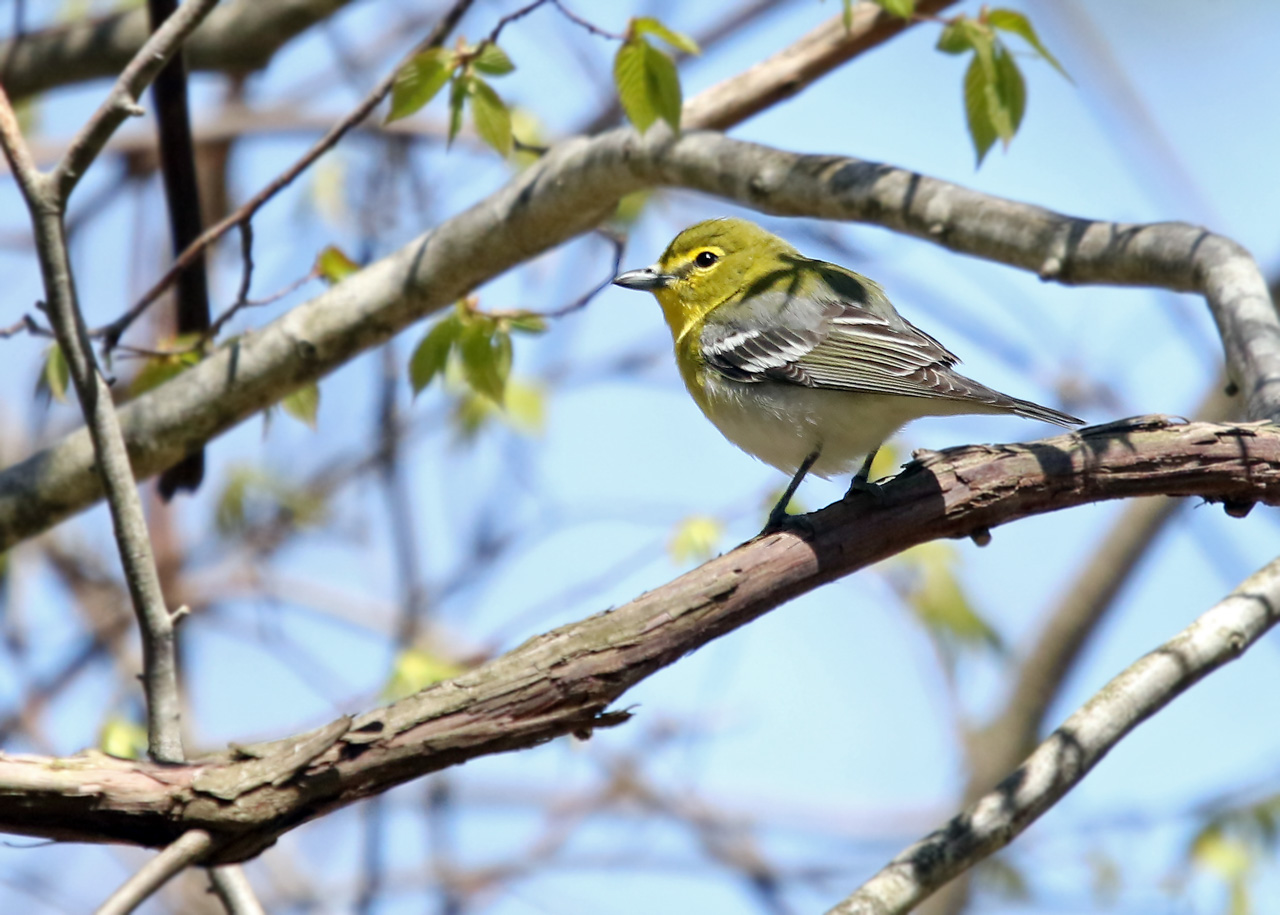
The trip’s final tally of warbler species reached 24 with the addition of the Bay-breasted and Pine Warblers at Spring Lake Resort. This high diversity indicates that while some species are facing range contractions, the migratory corridor remains a robust and essential highway for avian life.
Analysis of Implications and Conservation Outlook
The 11-day survey from May 5 to May 16 highlights several key trends in Ontario’s avian populations. First, the importance of "stopover ecology" cannot be overstated. From the small urban parks of Toronto to the massive protected areas of Algonquin, every patch of green space plays a role in the success of the spring migration.
However, the data gathered by the group also points to ongoing challenges. The scarcity of certain species, such as the Loggerhead Shrike and the Black-crowned Night Heron, mirrors broader national trends of decline among aerial insectivores and wetland specialists. Furthermore, the observations in Algonquin Park support the growing body of evidence that the boreal-deciduous transition zone is in a state of flux, potentially forcing some species to migrate further north to find suitable breeding conditions.
The economic impact of this migration is also significant. Throughout the trip, the group observed thousands of "avitourists" contributing to local economies in Leamington, Port Rowan, and Huntsville. According to provincial data, birdwatching and nature-based tourism generate hundreds of millions of dollars annually in Ontario, providing a powerful economic incentive for habitat preservation.
As the 2024 spring migration concludes, the records from this expedition serve as both a celebration of biodiversity and a reminder of the vigilance required to protect it. The survival of these millions of birds depends on a trans-continental commitment to conservation, ensuring that the "non-stop birds" of Southern Ontario have a place to land for generations to come.
