
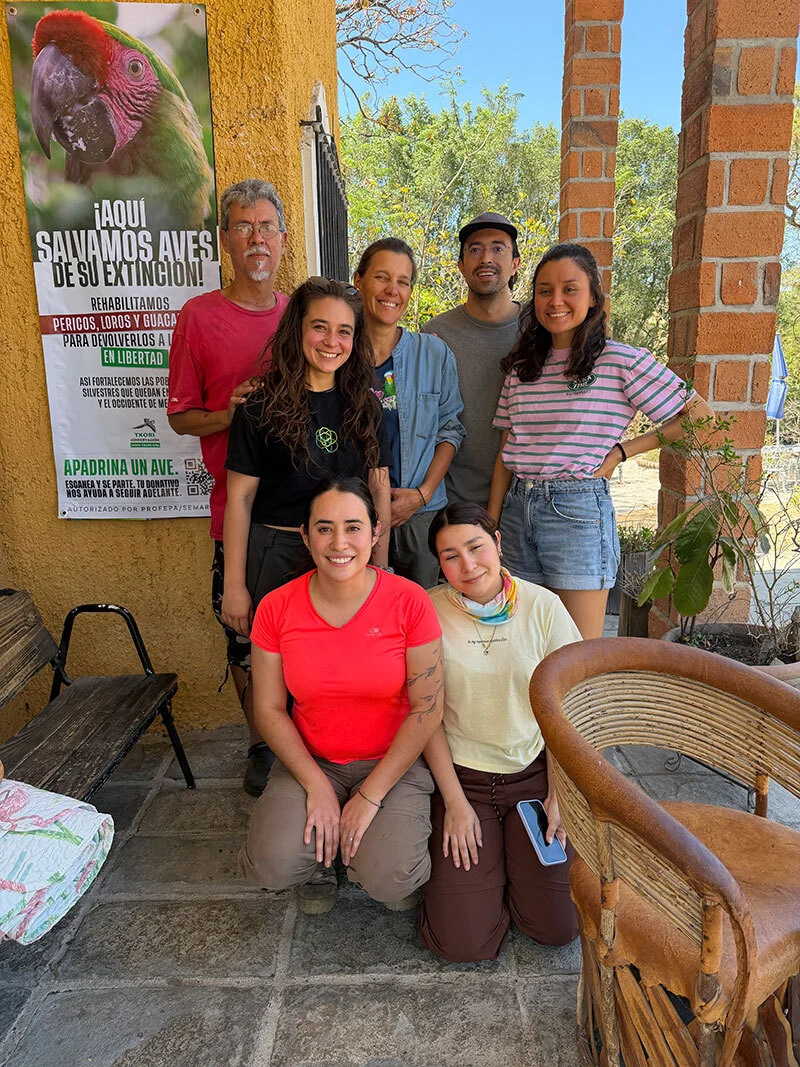
The once vibrant and raucous forests of western Mexico, echoing with the calls of the majestic Military Macaw ( Ara militaris), are now a somber testament to a species teetering on the brink of extinction. For decades, these magnificent birds, characterized by their striking green plumage and bold red and yellow accents, have been systematically decimated by a relentless tide of illegal logging, unchecked urban expansion, and the devastating impact of wildlife trafficking. The consequence is stark: spotting a flock of Military Macaws in their natural habitat has transformed from a common spectacle into an exceedingly rare and poignant event, underscoring the critical status of this species, now classified as endangered. Yet, amidst this ecological crisis, a beacon of hope shines brightly, spearheaded by the unwavering dedication and visionary work of the Txori Foundation.
A Legacy of Conservation: The Txori Foundation’s Enduring Mission
Founded in 1989, the Txori Foundation emerged from a profound recognition of Mexico’s escalating environmental challenges. Their commitment to safeguarding wildlife is not a recent endeavor; it represents a deeply ingrained, multi-generational mission. For well over a century, the foundation has been at the forefront of conservation efforts, tirelessly advocating for the preservation of Mexico’s rich biodiversity. Their most urgent and critical undertaking at present focuses on a select flock of 16 Military Macaws housed at their specialized sanctuary. These birds are not merely residents; they are the vanguard of a monumental endeavor: a meticulously planned and rigorously executed release back into the wild, aiming to re-establish a thriving wild population.
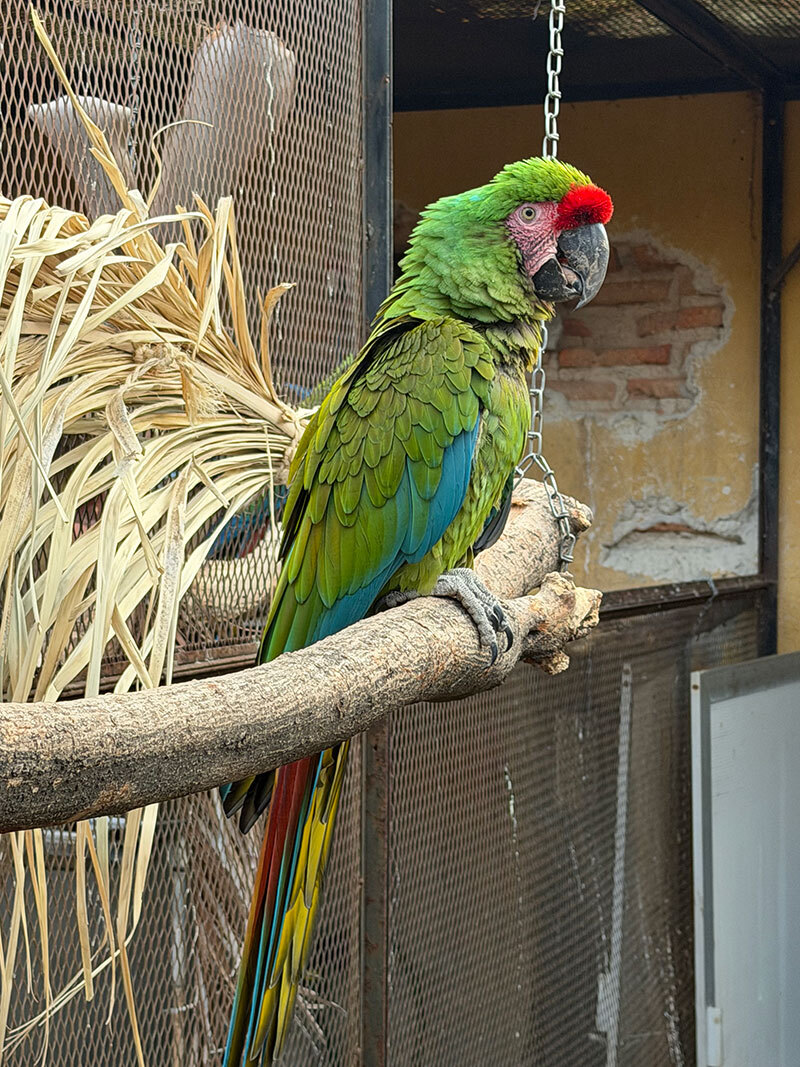
The rehabilitation process for these 16 Military Macaws is nothing short of extraordinary. A highly specialized, multidisciplinary team of experts is overseeing every facet of their daily care and training. This dedicated network comprises individuals with a profound understanding of avian behavior, veterinary science, ecological restoration, and wildlife rehabilitation. Their collective expertise is directed towards equipping the macaws with the essential survival skills necessary to navigate the complexities of their natural environment. This includes foraging techniques, predator avoidance strategies, and the social dynamics crucial for flock cohesion and survival in the wild. The ultimate objective of this ambitious initiative is to reintegrate these birds into their ancestral biological corridors, thereby initiating a natural repopulation process and igniting a genuine recovery for Mexico’s wild macaw populations, which have been decimated by human activities.
The Ticking Clock: Countdown to March 2027
The ambitious release of these 16 Military Macaws is tentatively scheduled for March 2027, a date that represents both a beacon of hope and a significant fundraising target. This ambitious conservation project, however, operates as a privately funded initiative, presenting the Txori Foundation with the persistent and formidable challenge of securing consistent and adequate financial resources. Before the sanctuary’s aviary doors can swing open to grant these birds their freedom, the foundation must successfully achieve its fundraising benchmarks. These funds are critical for covering a spectrum of essential, non-negotiable costs that underpin the entire reintroduction program.
These vital expenses include the ongoing provision of specialized, nutrient-rich diets tailored to mimic natural food sources, ensuring the macaws maintain optimal health and strength for their eventual release. Significant resources are also allocated to advanced veterinary care, encompassing regular health assessments, necessary treatments, and the development of preventative health strategies to mitigate any potential risks of disease transmission or susceptibility in the wild. Furthermore, the maintenance and enhancement of the rehabilitation enclosures are paramount. These spacious, naturalistic environments are designed to simulate the macaws’ future wild habitat, allowing them to adapt to natural stimuli, practice flight in expansive spaces, and develop the agility and stamina required for survival. The costs associated with specialized training equipment and the deployment of skilled rehabilitation staff to oversee the complex behavioral conditioning are also substantial. Finally, post-release monitoring infrastructure, including GPS tracking devices and observational protocols, will be crucial for assessing the flock’s adaptation to the wild and ensuring their continued well-being.
A Cascade of Hope: A Second Chance for More Rescues
The anticipated success of the March 2027 release extends far beyond the immediate liberation of these 16 Military Macaws. Upon their successful reintegration into the wild, the sanctuary will experience a crucial opening of aviary space. This newly available capacity will enable the Txori Foundation to extend its vital rehabilitation services to a new cohort of birds that have been tragically victimized by trafficking and abuse. This expansion of their rescue operations means that even more macaws, silenced by the illegal pet trade and the destruction of their natural homes, will be given a chance at recovery, rehabilitation, and ultimately, their own return to the wild.
The implications of this project are profound, representing a crucial step in the broader conservation strategy for endangered parrot species. Military Macaws, like many large parrots, are slow to reproduce and have long lifespans, making their recovery a protracted and challenging process. The illegal wildlife trade, driven by demand for exotic pets, has had a devastating impact on wild populations, often involving the brutal capture of adults and chicks, leading to immense suffering and mortality. Releasing rehabilitated birds back into protected biological corridors not only helps to bolster wild numbers but also serves as a powerful statement against the illegal trade.
Supporting the Cause: A Call to Action for Conservation
The road to successful wildlife conservation is inherently arduous, marked by numerous obstacles and requiring sustained dedication. However, the Txori Foundation remains resolutely optimistic, buoyed by the increasing community interest and a growing willingness among individuals and organizations to collaborate on this vital mission. By lending their support to these conservation efforts, parrot enthusiasts and environmentally conscious individuals worldwide can play a direct and meaningful role in the resurgence of the Military Macaw in the Mexican skies.
This month, Lafeber, a prominent name in avian nutrition and care, has announced a significant donation to support the Txori Foundation’s efforts, specifically targeting the preparation of these 16 macaws for their return to their native habitat. This contribution underscores the importance of partnerships between conservation organizations and corporate entities in addressing critical environmental issues.
For those inspired by this extraordinary initiative and wishing to contribute to the Military Macaw’s fight for survival, there are several avenues for engagement. Sharing this article widely can amplify awareness about the upcoming 2027 release, educating a broader audience about the plight of these magnificent birds and the critical work being done by the Txori Foundation. Furthermore, direct financial contributions to the Txori Foundation are invaluable in helping them meet their ambitious fundraising goals and continue their indispensable conservation work. Every donation, regardless of size, represents a tangible investment in the future of the Military Macaw and the ecological health of western Mexico. The collective effort of dedicated individuals, passionate organizations, and supportive communities is what will ultimately ensure that the vibrant colors and jubilant calls of the Military Macaw once again fill the Mexican forests, a testament to resilience and the enduring power of conservation.
