
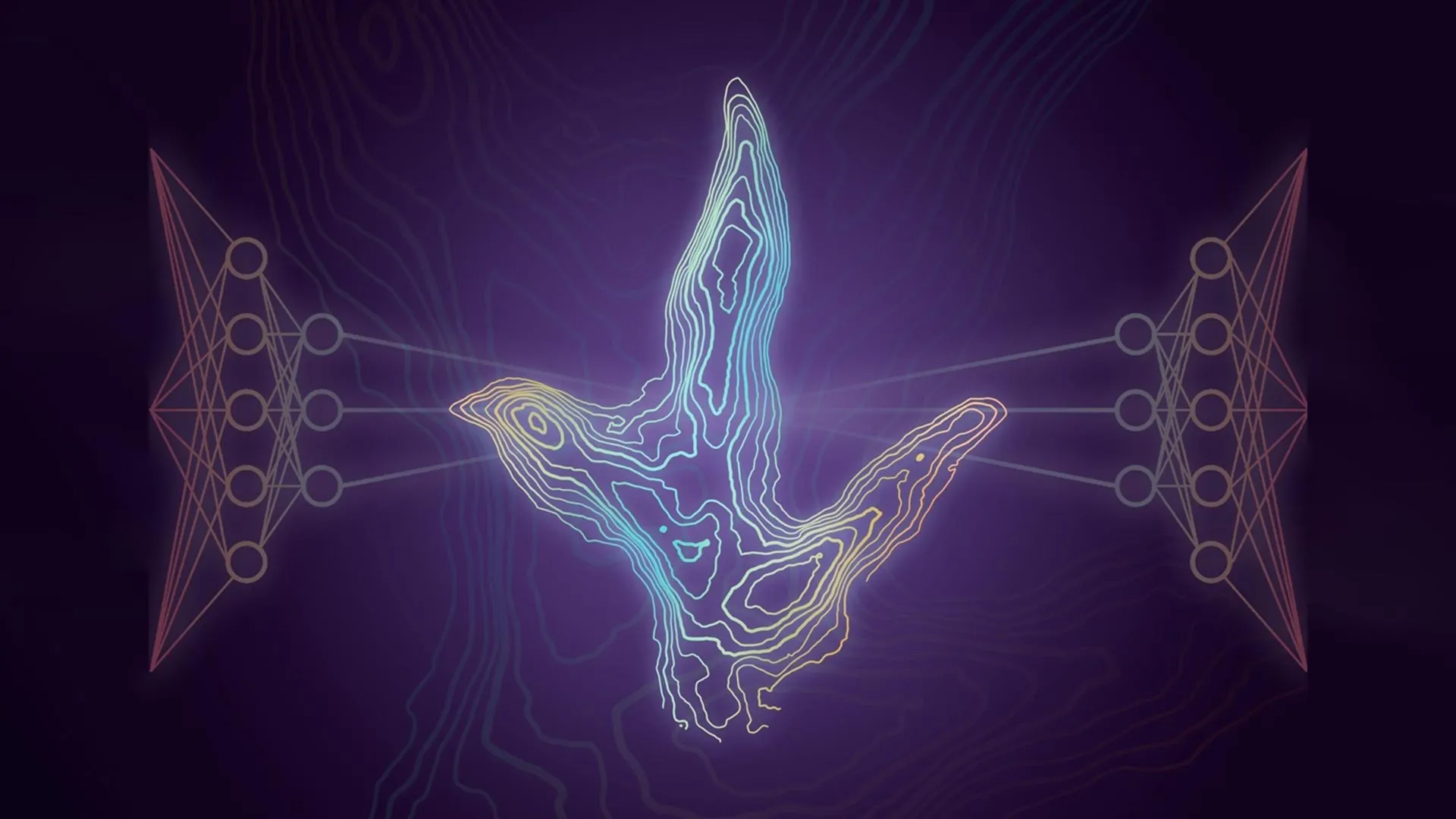
A groundbreaking artificial intelligence (AI) powered application is poised to redefine the field of ichnology, offering scientists and the public an unprecedented tool to accurately identify dinosaur footprints dating back millions of years. This innovative technology, detailed in a recent study, promises to unravel long-standing mysteries surrounding fossil tracks that have historically presented significant challenges to researchers. By analyzing photographic or drawn representations of these ancient imprints, the app provides immediate analysis, estimating the likely creator and offering new perspectives on prehistoric locomotion, behavior, and even evolutionary timelines.
The Enduring Challenge of Ichnology: Deciphering Ancient Traces
For centuries, paleontologists have meticulously studied fossilized footprints, known as ichnofossils, as invaluable windows into the lives of creatures that roamed Earth eons ago. Unlike skeletal remains, which offer insights into anatomy, trace fossils provide dynamic evidence of movement, gait, speed, and even social interactions. However, interpreting these ancient imprints is fraught with complexity. The original shape of a foot can be significantly altered by the substrate it pressed into (mud, sand, clay), the animal’s speed and weight distribution, and subsequent geological processes like erosion, compression, and sediment infill over millions of years.
Paleontologists have long engaged in rigorous debates over the identity of track-makers. Some enigmatic tracks might belong to formidable carnivorous predators, while others point to massive herbivorous dinosaurs. Critically, some imprints have even sparked discussions about the involvement of early bird species, pushing the boundaries of known avian evolutionary timelines. The inherent ambiguity in many fossil trackways has often led to subjective interpretations, where expert opinion, while informed, could introduce bias, particularly when evidence was sparse or contradictory. Traditional methods often involved comparing new finds to manually curated databases of known footprints, a laborious and sometimes inconclusive process.
The Birth of DinoTracker: A Paradigm Shift in Paleontological Analysis
To address these interpretive hurdles and introduce a new level of objectivity, a collaborative research team spearheaded by the Helmholtz-Zentrum research centre in Berlin, in conjunction with the University of Edinburgh, embarked on developing a sophisticated AI system. Their goal was to create advanced algorithms capable of autonomously learning the intricate variations in dinosaur footprint shapes, thereby moving beyond the limitations of human-biased comparisons. This initiative represents a significant leap forward, leveraging the power of machine learning to tackle one of paleontology’s most persistent puzzles.
The result of this ambitious project is the DinoTracker app. Designed for accessibility, it allows both seasoned researchers and amateur enthusiasts to upload a simple photograph or drawing of a footprint using a mobile device. The app then instantly processes the image, evaluating the unique morphological characteristics of the track to suggest the type of dinosaur that most likely left the impression. This democratization of paleontological analysis not only accelerates research but also opens avenues for citizen science, enabling a broader community to contribute to scientific discovery.
A Deep Dive into the Algorithm: How AI Learns Ancient Footprints
The robustness of the DinoTracker AI system lies in its extensive and meticulously curated training regimen. The core of the AI’s learning process involved exposure to an enormous dataset, comprising nearly 2,000 authentic fossil footprints collected from various sites around the globe. These real-world examples provided the foundational understanding of actual dinosaur track morphology.
However, recognizing that real fossil tracks often present imperfect and altered forms, the researchers significantly augmented this dataset with millions of additional simulated examples. This innovative approach was crucial. These synthetic footprints were not merely random variations but were meticulously generated to reflect realistic geological and taphonomic changes that occur as footprints are preserved over geological timescales. These included:
- Compression: Simulating the flattening and widening of a track due to overlying sediment weight.
- Edge Displacement: Modeling how the original sharp edges of a footprint might become blurred or distorted as sediment shifts or deforms.
- Erosion: Mimicking the gradual wearing away of features.
- Infill Variation: Accounting for how different sediments fill a track, subtly altering its perceived shape.
By training on this comprehensive dataset – a blend of genuine fossil evidence and intelligently simulated alterations – the AI system developed an unparalleled capacity to recognize fundamental footprint characteristics, even when obscured or modified. The model was specifically engineered to identify and interpret eight critical features that serve as key discriminators between different track-makers. These include:
- Toe Spread: The angle and distance between individual digit impressions.
- Heel Position: The location and prominence of the heel impression relative to the toes.
- Surface Area Contact: The total area of the foot that made contact with the ground.
- Weight Distribution: How pressure was exerted across different parts of the foot, indicative of posture and gait.
- Digit Length and Shape: The specific morphology of individual toe impressions.
- Claw Marks: Presence or absence, and specific shape, if preserved.
- Overall Track Outline: The general perimeter and symmetry of the footprint.
- Stride and Pace: While not directly from a single print, the context of multiple prints informs the AI’s understanding of likely track-makers.
Once these features were meticulously analyzed, the system cross-referenced new, unidentified footprints with its vast database of known fossil examples, employing sophisticated pattern-matching algorithms to predict the most probable dinosaur species or group responsible for the tracks.
Validating the AI: Accuracy, Objectivity, and Unprecedented Reliability
The true test of any scientific tool lies in its accuracy and reliability. When rigorously evaluated against classifications made by seasoned human experts, the DinoTracker algorithm achieved an impressive concordance rate of approximately 90 percent. This high level of agreement is particularly significant given the inherent challenges in ichnological identification, especially for species whose tracks are considered controversial or notoriously difficult to attribute. This robust validation underscores the AI’s capability to provide objective, data-driven classifications, potentially reducing the subjective biases that have sometimes influenced traditional paleontological interpretations.
Professor Steve Brusatte, Personal Chair of Palaeontology and Evolution at the School of GeoSciences, University of Edinburgh, lauded the development, stating, "This study is an exciting contribution for paleontology and an objective, data-driven way to classify dinosaur footprints — something that has stumped experts for over a century." His assessment highlights the long-standing need for such a tool in the scientific community.
Groundbreaking Discoveries: Rewriting Avian Evolutionary History
Beyond its practical application, the DinoTracker AI has already yielded astonishing scientific insights, challenging long-held theories about the timeline of avian evolution. One of the most surprising findings emerged from the analysis of tracks estimated to be more than 200 million years old, dating back to the Triassic period. The AI detected striking similarities between certain dinosaur footprints from this ancient era and the feet of both extinct and modern birds.
The prevailing scientific consensus, largely supported by fossil evidence like Archaeopteryx (often considered the earliest bird), places the emergence of birds firmly in the Jurassic period, around 150 million years ago. However, the AI’s analysis suggests two intriguing possibilities:
- Earlier Avian Emergence: This could imply that birds, or at least bird-like dinosaurs with highly specialized feet, emerged tens of millions of years earlier than currently believed. Such a discovery would necessitate a significant re-evaluation of the avian evolutionary tree and the environmental pressures that drove such adaptations.
- Convergent Evolution: Alternatively, it is possible that some early dinosaur species, entirely unrelated to the direct lineage of birds, happened to evolve feet that bore a remarkable, coincidental resemblance to avian feet. This phenomenon, known as convergent evolution, occurs when different species independently evolve similar traits in response to similar environmental niches or selective pressures.
Regardless of which hypothesis ultimately proves correct, this finding underscores the power of AI to unearth subtle patterns that might escape human observation, thereby sparking new lines of inquiry and potentially revolutionizing our understanding of ancient life. Professor Brusatte commented on this potential, suggesting, "This computer network might have identified the world’s oldest birds, which I think is a fantastic and fruitful use for AI."
Unlocking Scotland’s Ancient Mysteries: New Clues from the Isle of Skye
The DinoTracker system has also shed new light on another persistent paleontological enigma: a collection of mysterious footprints found on the remote Isle of Skye in Scotland. These tracks, preserved on the muddy edge of an ancient lagoon approximately 170 million years ago during the Middle Jurassic period, have puzzled scientists for decades due to their ambiguous morphology. The Isle of Skye is a globally significant site for Middle Jurassic dinosaur footprints, but many of its finds have defied definitive classification.
The AI’s advanced analytical capabilities suggest that these intriguing footprints may have been left by some of the oldest known relatives of duck-billed dinosaurs, scientifically known as hadrosaurs. Hadrosaurs were a highly successful group of herbivorous dinosaurs that flourished during the Late Cretaceous, known for their distinctive "duck bills" and large herds. Identifying their early ancestors on the Isle of Skye, if confirmed, would make these among the earliest examples of this globally widespread and ecologically important dinosaur group identified anywhere in the world. This finding provides crucial evidence for understanding the early diversification and geographical distribution of ornithischian dinosaurs.
The Broader Impact: Democratizing Paleontology and Advancing Citizen Science
The implications of the DinoTracker app extend far beyond academic research. Researchers emphasize that this technology creates unprecedented opportunities to study how dinosaurs lived, moved, and interacted across the ancient Earth with a new level of precision. More profoundly, it democratizes access to scientific inquiry, enabling the public to actively participate in fossil research.
Citizen science initiatives, where non-professional scientists contribute to data collection and analysis, are gaining increasing traction in various scientific fields. The DinoTracker app is perfectly positioned to foster such engagement in paleontology. Imagine amateur enthusiasts discovering a potential footprint while hiking, snapping a photo, and contributing valuable data to a global scientific endeavor. This not only enriches the public’s understanding and appreciation of science but also significantly expands the geographical reach and volume of data available for analysis. Such a collaborative approach could lead to the identification of countless previously overlooked or misidentified tracks, accelerating the pace of discovery.
Dr. Gregor Hartmann of the Helmholtz-Zentrum research centre underscored this dual benefit, stating, "Our method provides an unbiased way to recognize variation in footprints and test hypotheses about their makers. It’s an excellent tool for research, education, and even fieldwork." The portable and immediate nature of the app makes it ideal for use in the field, allowing researchers to get instant preliminary analyses, guiding further excavation or preservation efforts.
Future Directions and the Evolving Role of AI in Scientific Discovery
The successful development and validation of DinoTracker mark a significant milestone in the application of artificial intelligence to paleontological research. Looking ahead, this technology could pave the way for numerous future advancements:
- Re-evaluation of Existing Collections: The AI could be used to re-analyze vast existing collections of unidentified or ambiguously classified fossil footprints in museums and research institutions worldwide, potentially uncovering new species or revising evolutionary timelines.
- Global Ichnological Database: The app could contribute to the creation of a more comprehensive and objectively classified global database of dinosaur footprints, fostering international collaboration and comparative studies.
- Behavioral Insights: With more refined data, AI might eventually be trained to infer more nuanced behavioral aspects from trackways, such as hunting strategies, herd dynamics, or parental care.
- Integration with Other AI Tools: Future iterations could integrate with other AI systems capable of analyzing geological data, environmental conditions, or even correlating trackways with skeletal fossil distributions.
The project was made possible through crucial funding from various prestigious organizations, including the innovations pool of the BMBF-Project: Data-X, the Helmholtz project ROCK-IT, the Helmholtz-AI project NorMImag, the National Geographic Society, and the Leverhulme Trust. This collaborative spirit, combining cutting-edge AI research with deep paleontological expertise and robust funding, highlights the synergistic potential of interdisciplinary science in unraveling the Earth’s ancient past. As AI continues to mature, its role in accelerating discovery across all scientific disciplines is set to become increasingly central, transforming how we understand the natural world.
