
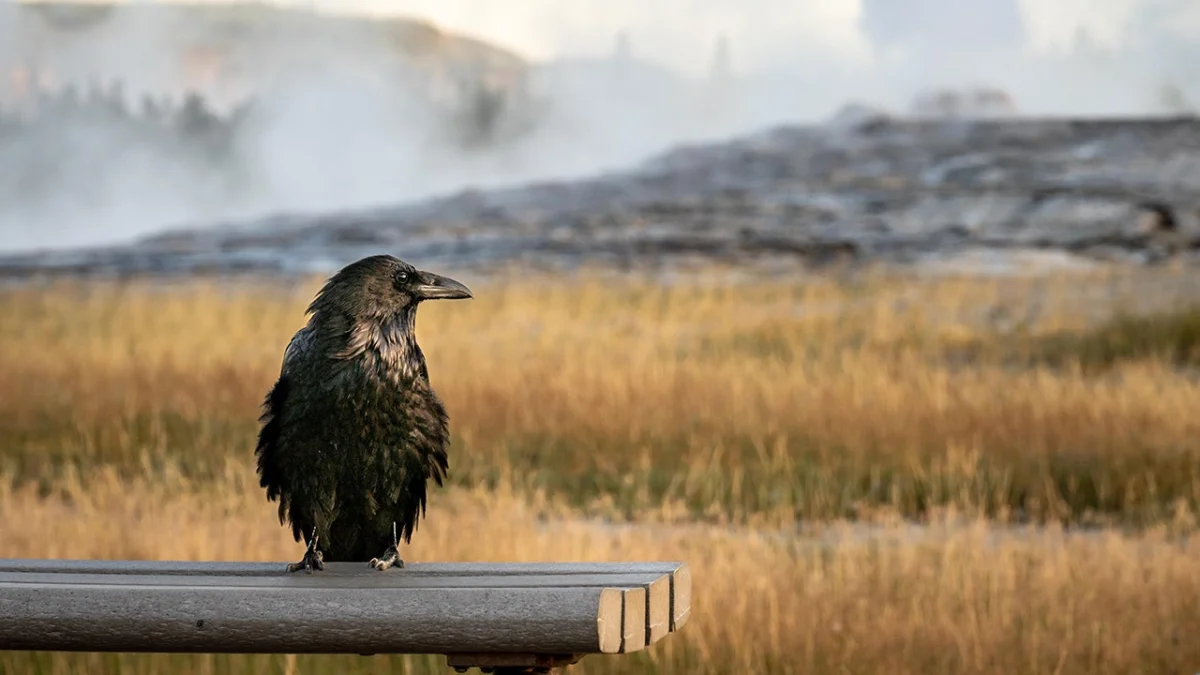
(Washington D.C.—June 10, 2026) A significant bipartisan legislative effort, the Great American Outdoors Act 250, was introduced today in the House of Representatives, aiming to extend and expand upon the foundational success of the National Parks and Public Land Legacy Restoration Fund. Spearheaded by House Natural Resources Committee Chair Bruce Westerman (R-Ark.) and Ranking Member Jared Huffman (D-Calif.), this proposed legislation signifies a renewed commitment to America’s cherished public lands and waters, proposing a substantial investment of $1.9 billion over five years. The bill seeks to continue the vital work of restoring and improving public land infrastructure while simultaneously bolstering the long-term stewardship of these invaluable natural assets.
The Enduring Challenge of Deferred Maintenance on Public Lands
The introduction of the Great American Outdoors Act 250 arrives at a crucial juncture, underscoring the persistent and escalating challenge of deferred maintenance across America’s vast network of public lands. Deferred maintenance refers to the postponement of maintenance activities that are necessary to keep infrastructure and facilities in good working order. Over decades, underfunding and resource constraints have led to a staggering backlog of repairs and upgrades needed for roads, bridges, trails, visitor centers, campgrounds, utility systems, and other critical infrastructure within national parks, forests, wildlife refuges, and other federal lands.
Estimates prior to the original Great American Outdoors Act (GAOA) often placed the total deferred maintenance backlog across all federal land management agencies – including the National Park Service (NPS), U.S. Forest Service (USFS), U.S. Fish and Wildlife Service (FWS), and Bureau of Land Management (BLM) – in the tens of billions of dollars. The National Park Service alone, for instance, reported a backlog exceeding $22 billion as of 2020. This pervasive issue not only degrades visitor experiences but also poses safety hazards, limits access, and can exacerbate environmental damage by failing to maintain essential systems like wastewater treatment or erosion control. Neglecting these fundamental responsibilities can lead to more costly repairs down the line, strain local economies reliant on tourism, and compromise the ecological integrity of these protected areas.
A Historic Precedent: The Great American Outdoors Act of 2020
The proposed Great American Outdoors Act 250 builds directly upon the landmark Great American Outdoors Act of 2020, a legislative triumph that demonstrated rare bipartisan consensus on conservation and public lands stewardship. Signed into law in August 2020, the original GAOA was hailed as the most significant conservation legislation in decades. It comprised two primary components:
-
Full and Permanent Funding for the Land and Water Conservation Fund (LWCF): This provision secured $900 million annually for the LWCF, a program established in 1964 that uses revenues from offshore oil and gas leasing to protect natural areas, water resources, and cultural heritage, and to provide recreation opportunities. LWCF funds are used for land acquisition, grants to states for outdoor recreation projects, and conservation easements. Its permanent funding addressed decades of uncertainty and underinvestment.
-
Establishment of the National Parks and Public Land Legacy Restoration Fund (LRF): This fund was designed to specifically address the deferred maintenance backlog across federal land management agencies. It authorized up to $1.9 billion annually for five years (fiscal years 2021 through 2025) for deferred maintenance projects at the NPS, USFS, FWS, and BLM. The LRF was funded through revenues from energy development on federal lands and waters, ensuring a dedicated and consistent revenue stream.
The GAOA of 2020 was a direct response to the critical state of public lands infrastructure. Its passage was celebrated by a broad coalition of conservation groups, outdoor recreation businesses, and bipartisan lawmakers who recognized the ecological, economic, and social value of these lands. Over the past five years, the LRF has financed thousands of projects, from repairing historic structures and upgrading aging water systems in national parks to rehabilitating trails and campgrounds in national forests, and improving visitor facilities in wildlife refuges. These investments have not only improved access and safety for millions of visitors but have also generated significant economic activity and created jobs in communities across the country.
Introducing GAOA 250: An Evolution in Public Lands Stewardship
The Great American Outdoors Act 250 represents a crucial "next step" in this ongoing commitment. The original LRF’s five-year funding authorization is set to expire, making the introduction of GAOA 250 timely and imperative to prevent a lapse in this critical funding mechanism. The new legislation proposes to continue the $1.9 billion annual investment for an additional five years, ensuring that momentum gained in addressing deferred maintenance is not lost.
However, GAOA 250 is not merely an extension; it introduces important enhancements that reflect an evolving understanding of comprehensive public lands management. Key new provisions prioritize investments in non-transportation-related projects that directly benefit habitat, ecosystems, and natural resources. This strategic shift acknowledges that "maintenance" extends beyond roads and buildings to include the ecological infrastructure that underpins healthy landscapes. Such projects could involve:
- Habitat Restoration: Restoring wetlands, grasslands, forests, and riparian zones to support native species and enhance biodiversity.
- Ecosystem Resilience: Projects aimed at increasing the adaptive capacity of ecosystems to climate change, such as forest thinning to reduce wildfire risk or restoring natural hydrological processes.
- Water Quality Improvements: Upgrading infrastructure that impacts watersheds, managing invasive species, or restoring stream connectivity.
- Enhanced Outdoor Recreation Experiences: While still supporting traditional recreation infrastructure, the bill specifically calls out improvements for wildlife habitat that support hunting and fishing, acknowledging these activities as vital components of public lands use and conservation.
Furthermore, the bill reinforces the critical role of public-private partnerships in delivering meaningful, on-the-ground conservation outcomes. These partnerships, often involving local "friends" groups, non-profit organizations, and volunteer networks, leverage additional resources, expertise, and community engagement, amplifying the impact of federal investments.
Audubon’s Strong Endorsement and Broader Conservation Perspectives
The National Audubon Society has been a vocal proponent of this legislation. Felice Stadler, vice president of government affairs at the National Audubon Society, articulated the organization’s strong support: "The Great American Outdoors Act 250 represents a critical next step to address long-standing maintenance and habitat restoration needs across our national parks and monuments, wildlife refuges and waters, and improve the places that support birds, wildlife, outdoor recreation, and communities across America."
Stadler emphasized the leadership of Chair Westerman and Ranking Member Huffman in crafting a bill that not only extends the successful Legacy Restoration Fund but also creates "new opportunities to invest in wildlife habitat and outdoor recreation." She underscored the long-term vision inherent in the bill’s name: "These efforts are a key move towards ensuring our wildlife refuges, parks, and forests remain healthy and accessible, and ecologically resilient for the next 250 years." This statement highlights the understanding that investment in public lands is not merely for current enjoyment but for generational stewardship, ensuring these resources endure and thrive for centuries to come.
From a broader conservation perspective, the GAOA 250 is expected to garner widespread support from a diverse coalition of environmental groups, wildlife federations, and outdoor recreation associations. Organizations dedicated to preserving specific species or ecosystems, such as trout unlimited or wilderness societies, would likely applaud the explicit focus on habitat and ecosystem health. The bill’s emphasis on non-transportation projects that benefit natural resources is a welcome evolution, shifting focus beyond purely visitor-centric infrastructure to the foundational ecological health of the lands themselves. This holistic approach recognizes that robust ecosystems are essential for supporting wildlife, providing clean air and water, and sustaining the very recreational activities that draw millions to public lands.
Economic and Community Impact: A Multifaceted Return on Investment
Investing in public lands through legislation like GAOA 250 yields substantial economic and community benefits. The outdoor recreation economy is a powerful engine, contributing hundreds of billions of dollars to the U.S. Gross Domestic Product (GDP) annually and supporting millions of jobs. According to the Bureau of Economic Analysis (BEA), the outdoor recreation economy accounted for 1.8% of current-dollar GDP, or $454.0 billion, in 2022. This includes everything from camping and hiking to hunting, fishing, and, significantly, birdwatching.
As Stadler noted, "Our nation’s public lands are ecological treasures that sustain wildlife, support healthy watersheds and forests, provide places of respite and connection to the outdoors, and serve as vital economic engines for communities across the country." Birdwatching alone engages more than 96 million Americans, contributing over $107 billion annually to the economy through equipment purchases, travel, lodging, and related services. By improving trails, access points, and habitats, the GAOA 250 directly supports these activities, driving tourism and economic activity in gateway communities adjacent to public lands.
Furthermore, the funding for deferred maintenance and restoration projects translates into direct job creation. Construction, maintenance, and skilled labor jobs are generated locally, supporting small businesses and regional economies. These investments help to stabilize and grow local economies, providing essential services and opportunities in often rural areas. Improved infrastructure also enhances the visitor experience, encouraging repeat visits and longer stays, which further boosts local businesses. The legislation’s focus on public-private partnerships can also empower local non-profits and community groups, strengthening the social fabric around public land stewardship.
A Vision for Resilience and the Next 250 Years
The deliberate inclusion of "250" in the bill’s title is symbolic, signifying a long-term commitment to the health and accessibility of America’s public lands. It echoes the historical legacy of conservation and frames the current investments as foundational for future generations. This long-range perspective is crucial in an era of rapid environmental change. By prioritizing habitat restoration and ecosystem resilience, the GAOA 250 aims to equip these lands to better withstand the impacts of climate change, such as increased wildfires, drought, and extreme weather events. Healthy, well-managed ecosystems are more adaptable and better able to provide essential services like clean water, carbon sequestration, and biodiversity protection.
This vision aligns with the growing understanding that conservation is not merely about preserving static landscapes but about fostering dynamic, resilient systems that can adapt and continue to provide benefits for people and wildlife. The bill’s emphasis on non-transportation projects directly contributing to habitat and ecosystem health is a forward-thinking approach that recognizes the interconnectedness of natural systems and the long-term imperative of ecological integrity.
Legislative Path and Next Steps
The introduction of the Great American Outdoors Act 250 marks the initial step in what will likely be a comprehensive legislative process. The bill is slated to be the topic of a House Natural Resources Committee field hearing in Hot Springs, Arkansas, on June 12. Field hearings are important opportunities for lawmakers to gather direct input from local communities, land managers, and stakeholders, allowing them to witness the on-the-ground impacts of federal policies and the needs of specific regions. This hearing will provide valuable insights into how the proposed legislation could affect Arkansans and public lands within the state, as well as serving as a platform to build broader support.
Following committee hearings, the bill would need to be marked up, voted out of committee, and then brought to the House floor for a full vote. If passed by the House, it would then move to the Senate for a similar process. The bipartisan sponsorship from Chair Westerman and Ranking Member Huffman is a strong indicator of its potential for broad appeal and successful navigation through Congress, mirroring the collaborative spirit that led to the passage of the original Great American Outdoors Act. Conservation advocates, outdoor recreationists, and public lands enthusiasts will be closely watching its progress, urging Congress to advance this vital legislation.
In conclusion, the Great American Outdoors Act 250 represents a critical continuation and enhancement of America’s commitment to its public lands. By extending significant funding for deferred maintenance and strategically redirecting investments towards habitat restoration and ecosystem health, the bill promises not only to improve visitor experiences and bolster local economies but also to secure the ecological resilience of these irreplaceable natural treasures for generations to come.
