
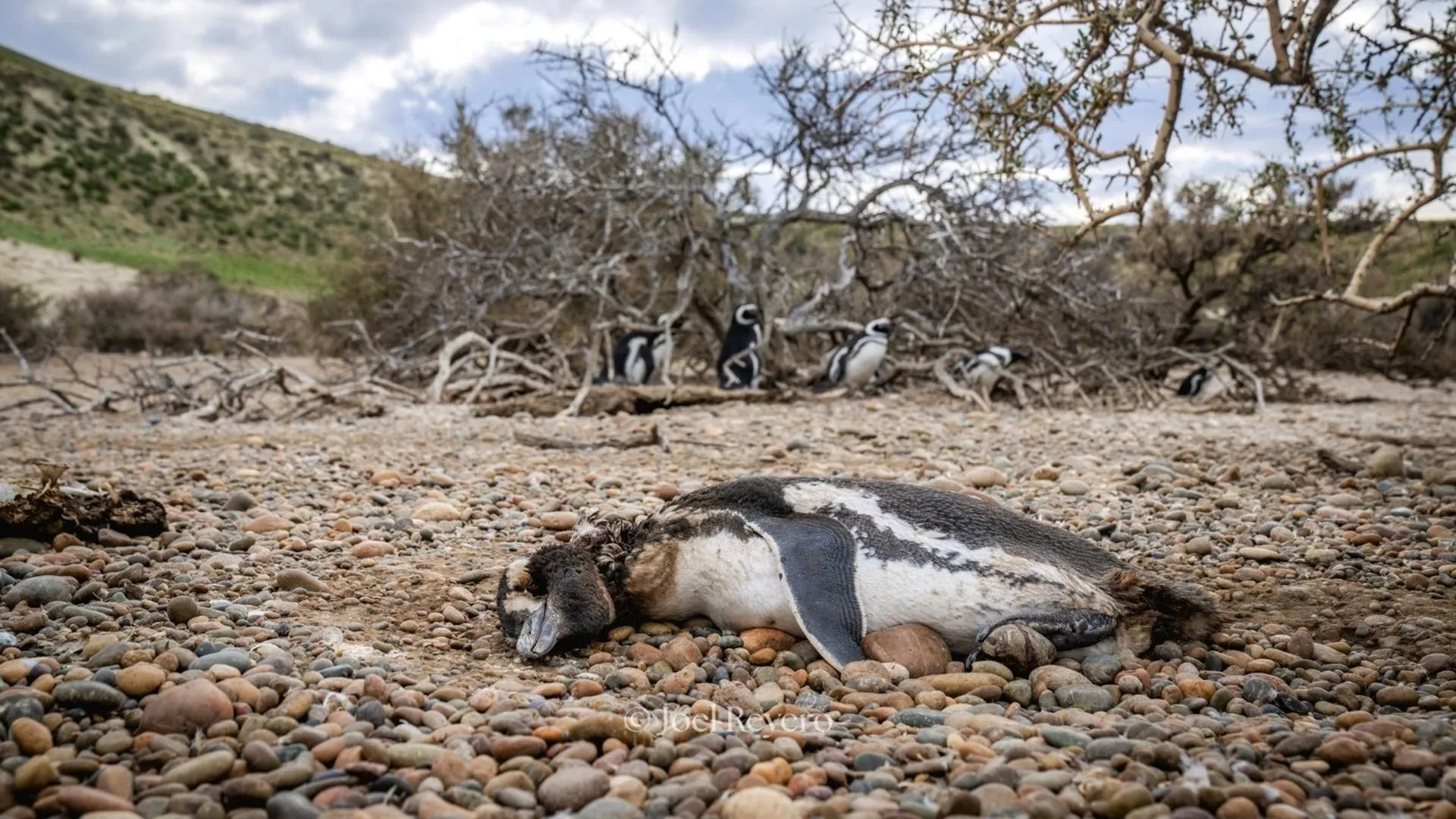
Should conservation efforts focus on protecting one iconic species if that protection may harm another, especially in landscapes still recovering from human activity? This profound question lies at the center of a growing conservation challenge at Monte Leon National Park on Argentina’s Patagonian coast, where the successful re-establishment of pumas ( Puma concolor) has led to unprecedented predation on Magellanic penguins ( Spheniscus magellanicus), raising complex ethical and ecological dilemmas for wildlife managers and scientists alike. This situation vividly illustrates the intricate and often unpredictable complexities inherent in restoring ecosystems that have been altered for decades by human activity and are now undergoing rapid, dynamic change.
A Rewilding Success Story with Unforeseen Consequences
Monte Leon National Park, established in 2004, represents a pivotal achievement in Argentine conservation, protecting a vast expanse of Patagonian steppe and coastline. Its creation followed decades of cattle ranching, an industry that fundamentally reshaped the region’s ecology. When cattle operations ceased in southern Argentina around 1990, a gradual but significant ecological recovery began. Among the most notable aspects of this recovery was the return of the puma, a majestic apex predator that began reclaiming parts of its historic range, including the coastal areas now encompassed by Monte Leon. This rewilding process was largely celebrated as a success, signifying the restoration of a more complete and functional ecosystem.
However, this triumph of rewilding brought with it an unforeseen and challenging interaction. For the first time in modern history, pumas came into direct contact with large colonies of Magellanic penguins on the mainland. The penguins, which had historically bred on offshore islands to avoid terrestrial predators, had gradually moved to the mainland coast, taking advantage of the perceived absence of large land-based carnivores. This strategic shift, initially a boon for the penguins by expanding their breeding grounds, suddenly rendered them highly vulnerable. With few natural defenses against a large, agile predator like the puma, they became easy prey, leading to a dramatic increase in penguin mortality that has only recently been quantified by scientific research.
Monte Leon National Park: A Sanctuary Under Scrutiny
Monte Leon National Park is situated approximately 50 kilometers north of Comandante Luis Piedra Buena in Santa Cruz Province, covering an area of 62,169 hectares of land and 30,000 hectares of marine protected area. It protects a unique blend of Patagonian steppe and dramatic coastal cliffs, estuaries, and islands. The park is a critical breeding ground for numerous marine birds, including cormorants, gulls, and, most prominently, Magellanic penguins. Its establishment was a culmination of efforts by the Argentine government and conservation organizations like the Wildlife Conservation Society (WCS), aiming to preserve one of the last pristine stretches of Patagonian coast. The park’s ethos is rooted in allowing natural processes to unfold, making the current predator-prey dynamic a particularly sensitive issue.
The Magellanic penguin colony at Monte Leon is one of several significant breeding sites along the Patagonian coast, vital for the species’ overall population health. Magellanic penguins are currently classified as "Near Threatened" by the IUCN, facing numerous pressures across their range, including oil pollution, bycatch in fishing nets, and the increasing impacts of climate change on their food sources and breeding habitat. Therefore, any new significant threat, even from a naturally recovering predator, warrants close scientific scrutiny.
Chronology of Discovery and Research
The unique predator-prey dynamic at Monte Leon has been under observation for some time, intensifying as puma sightings became more frequent in coastal areas.
- 1990s: Cessation of cattle ranching in southern Argentina begins, initiating ecological recovery and the gradual return of pumas to their historic range. Penguins had already been colonizing mainland areas due to perceived safety.
- 2004: Monte Leon National Park is formally established, providing a protected environment for both pumas and penguins, albeit an environment where their paths would soon dramatically converge.
- Early 2000s: Park rangers and researchers from the Centro de Investigaciones de Puerto Deseado of the Universidad Nacional de la Patagonia Austral begin to note sporadic evidence of puma predation on penguins. These initial observations spark concern and highlight a novel ecological interaction.
- 2007-2010: A dedicated, systematic long-term monitoring program is initiated. Researchers, working closely with Monte Leon National Park rangers, meticulously record penguin carcasses, specifically noting those showing signs of puma attack within the breeding colonies. This four-year period forms the core dataset for the subsequent analysis.
- Post-2010: Data collection continues, but the focus shifts to comprehensive analysis of the accumulated information. The sheer volume of predation events prompts the need for advanced ecological modeling.
- Recent Years: The research team partners with scientists from Oxford University’s Wildlife Conservation Research Unit (WildCRU), bringing specialized expertise in carnivore ecology and population modeling to the study. This collaboration is crucial for interpreting the long-term implications of the observed predation rates.
- Present: The findings of this collaborative study are published, revealing the scale of the "surplus killing" and initiating a broader discussion on adaptive management strategies for recovering ecosystems. Ongoing monitoring remains a top priority for park authorities and researchers.
The Staggering Toll: Thousands of Penguins Lost to "Surplus Killing"
The meticulous carcass counts conducted by researchers over the 2007-2010 study period revealed a startling picture of predation. The team estimated that more than 7,000 adult Magellanic penguins were killed by pumas within the Monte Leon colony during this four-year window. To put this figure into perspective, it represents approximately 7.6% of the adult penguin population within the studied colony, which was estimated to be around 93,000 individuals at the time.
What made these findings particularly striking was the nature of the killings. Many of the penguin carcasses showed signs of being only partially eaten, or, in a significant number of cases, not eaten at all. This observation is a classic indicator of what ecologists refer to as "surplus killing," or "superfluous killing." This phenomenon occurs when predators kill more prey than they require for immediate consumption, often when prey is abundant, easily accessible, and exhibits a lack of learned defense mechanisms.
Melisa Lera, lead author of the study and a postgraduate student at WildCRU, Oxford University, articulated the gravity of these findings: "The number of carcasses showing signs of predation we found in the colony is overwhelming, and the fact that they were left uneaten means pumas were killing more penguins than they required for food. This is consistent with what ecologists describe as ‘surplus killing’. It is comparable to what is seen in domestic cats when prey are abundant and/or vulnerable: ease of capture can lead to cats hunting more birds, even when they do not end up actually eating them. We needed to understand if the penguin colony’s persistence could be threatened due to this behavior." The analogy to domestic cats, while simplifying the ecological complexity, effectively conveys the opportunistic nature of the predation when prey are exceptionally vulnerable. In this nascent interaction, penguins lack the ingrained fear and evasive behaviors typically seen in prey species that have co-evolved with large terrestrial predators.
Population Models Offer a Glimmer of Hope, Highlight Other Vulnerabilities
While the raw numbers of penguin deaths were alarming, the research team took the crucial next step of applying sophisticated population models to the collected data. These models allowed them to project the long-term impact of puma predation on the Monte Leon penguin colony’s viability, considering various demographic factors. The results, perhaps counter-intuitively, offered a degree of reassurance regarding the immediate extinction risk from puma predation alone.
The models indicated that, despite the significant number of individuals killed, puma predation by itself was unlikely to drive the Monte Leon penguin colony to extinction. Instead, the models consistently pointed to other factors as far more influential in determining the colony’s long-term stability and survival. Specifically, breeding success – the number of chicks successfully hatched and fledged per pair – and the survival rate of juvenile penguins from fledging to adulthood emerged as critical demographic drivers.
Extinction was only projected in highly hypothetical and extreme scenarios. These scenarios involved very low juvenile survival rates, where approximately 20% or fewer juveniles managed to reach adulthood, combined with extremely poor reproductive output, limited to a maximum of one chick per breeding pair. In such dire circumstances, the models showed that high levels of puma predation would indeed exacerbate the situation, accelerating decline and pushing the colony closer to the brink. However, even then, puma predation was not identified as the primary or sole cause of extinction; rather, it amplified the effects of fundamental reproductive and survival failures.
Dr. Jorgelina Marino, a study co-author also from WildCRU, Oxford University, underscored the broader implications of these findings: "This study captures an emerging conservation challenge, where recovering carnivores are encountering novel prey. Understanding how these dietary shifts affect both predators and prey is essential to inform conservation." Her statement highlights that while direct predation might not be the sole cause of collapse, it is an undeniable stressor, especially when combined with other, more insidious threats.
Broader Environmental Pressures: The Shadow of Climate Change and Resource Scarcity
The findings from Monte Leon underscore a critical point in modern conservation: ecosystems are rarely operating in isolation from global environmental changes. The population models’ emphasis on breeding success and juvenile survival brings into sharp focus the pervasive influence of climate change and other environmental pressures on the Magellanic penguins.
Magellanic penguins, like many seabirds, are highly dependent on the availability of their primary food sources, such as anchovies, sardines, and other small pelagic fish. These fish populations are intrinsically linked to oceanographic conditions, including sea surface temperatures, ocean currents, and nutrient upwelling. Climate change is demonstrably altering these conditions, leading to:
- Shifts in Prey Distribution: Warming ocean waters can cause prey species to move to cooler, deeper waters or entirely new geographic areas, forcing penguins to travel farther for food. Increased foraging effort can lead to reduced provisioning rates for chicks, lower chick survival, and even adult starvation.
- Reduced Food Abundance: Climate-driven changes in ocean productivity, potentially exacerbated by overfishing in some areas, can lead to a general decline in the abundance of key prey species.
- Increased Storm Frequency and Intensity: More extreme weather events can directly impact nesting sites, destroy eggs and chicks, and make foraging more dangerous.
- Ocean Acidification: While a longer-term threat, ocean acidification can impact the base of the marine food web, potentially affecting the prey species penguins rely upon.
When penguins are already stressed by food scarcity, longer foraging trips, and less successful breeding seasons due to climate change, the additional pressure of puma predation, even if not directly leading to extinction, becomes a significant factor. Fewer healthy chicks mean a smaller pool of juveniles to recruit into the adult population, and if these juveniles also face high mortality rates due to environmental factors, the population’s resilience against any additional threat, including predation, is severely weakened. The 7.6% annual loss to pumas, while not catastrophic in isolation, becomes far more problematic when baseline breeding success is low and juvenile survival is compromised by a changing ocean. This highlights a crucial synergistic effect where multiple stressors combine to create a greater threat than any single factor alone.
Official Responses and Adaptive Management Strategies
The authorities at Monte Leon National Park, in collaboration with scientific partners, face a nuanced and challenging task. Their primary mandate is to protect the park’s biodiversity and ecological processes. This inherently includes allowing native species like pumas to thrive and reclaim their natural roles. However, it also includes protecting vulnerable species like the Magellanic penguin.
Given the study’s findings, direct intervention to control the puma population is highly unlikely and generally goes against the philosophy of national parks that prioritize natural processes. Such measures would be controversial, expensive, and potentially detrimental to the recovering puma population, which is itself a valuable component of the ecosystem. Instead, the inferred official response emphasizes adaptive management, guided by continuous scientific monitoring.
Key strategies include:
- Intensified Monitoring: Ongoing, robust monitoring of both puma and penguin populations is paramount. This includes tracking puma movements, diet composition (through scat analysis), and reproductive success, alongside the continued monitoring of penguin colony size, breeding success, chick survival, and causes of mortality.
- Understanding Puma Behavior: Further research into puma hunting patterns, individual puma specializations (e.g., if only a few pumas are responsible for the majority of killings), and factors influencing surplus killing could inform subtle management approaches, though direct intervention remains unlikely.
- Focus on Environmental Resilience: Since climate change impacts on breeding success and juvenile survival are identified as major threats, conservation efforts may increasingly focus on mitigating these broader pressures where possible, or on enhancing the penguins’ resilience. This could involve advocating for climate change mitigation, monitoring marine protected areas for fisheries impacts, and researching ways to improve nesting habitat if needed, although direct action is limited in a wilderness park.
- Public Education: Informing park visitors and the wider public about this complex ecological interaction is crucial to foster understanding and support for science-based conservation decisions.
- Non-Interventionist Philosophy: The prevailing approach will likely remain one of observing and allowing natural processes to unfold, intervening only if data unequivocally demonstrates a severe, irreversible decline in the penguin population directly attributable to puma predation, which the current models do not suggest. The focus will be on ensuring the park functions as a healthy ecosystem, acknowledging that some level of natural predation is part of that balance.
Global Implications: A Widespread Ecological Trend
The situation at Monte Leon is not an isolated incident but rather a compelling case study of a broader ecological trend emerging worldwide. As ecosystems recover from historical human impacts, and as species adapt to changing environments, novel interactions between predators and prey are becoming increasingly common, often with unexpected consequences.
- North America: The expansion of coyote populations ( Canis latrans) into coastal barrier islands along the eastern seaboard of the USA has altered these fragile ecosystems. Coyotes prey on nesting seabirds, sea turtle eggs, and other coastal fauna, impacting populations that have historically faced limited terrestrial predation. Similarly, non-native feral hogs ( Sus scrofa) are now major predators of loggerhead sea turtle ( Caretta caretta) eggs along the Georgia coast, USA, significantly reducing hatching success in areas where these invasive omnivores thrive.
- Australia: Re-introduced dingoes (Canis dingo) and native foxes (Vulpes vulpes) in some coastal areas can impact ground-nesting birds and small marsupials, especially in landscapes altered by human activity.
- Europe: The recovery of large carnivores like wolves and bears in parts of Europe has led to renewed interactions with livestock and, in some cases, novel prey species, necessitating adaptive management and co-existence strategies.
These examples highlight several common threads:
- Historical Absence: Many coastal environments and islands have historically lacked large terrestrial predators, leading to the evolution of naïve prey species that lack effective anti-predator defenses.
- Ecosystem Recovery/Alteration: The return of predators is often a sign of ecosystem recovery, but it occurs in landscapes that have been significantly altered by humans (e.g., habitat fragmentation, introduction of invasive species, changes in prey availability).
- Climate Change as an Amplifier: Climate change further complicates these interactions by stressing prey populations, making them more vulnerable to predation, or by driving predators into new areas in search of resources.
The Monte Leon case thus serves as a powerful microcosm of the complex conservation challenges facing a world where human impacts are being reversed in some areas, while new threats from climate change emerge. It forces conservationists to move beyond simplistic goals of "saving" individual species towards managing dynamic, interconnected ecosystems where the success of one species can inherently create new pressures for another. The imperative is clear: continued, rigorous monitoring and interdisciplinary research are essential to understand these evolving ecological relationships and to inform adaptive management strategies that can navigate the delicate balance of a recovering yet rapidly changing planet.
