
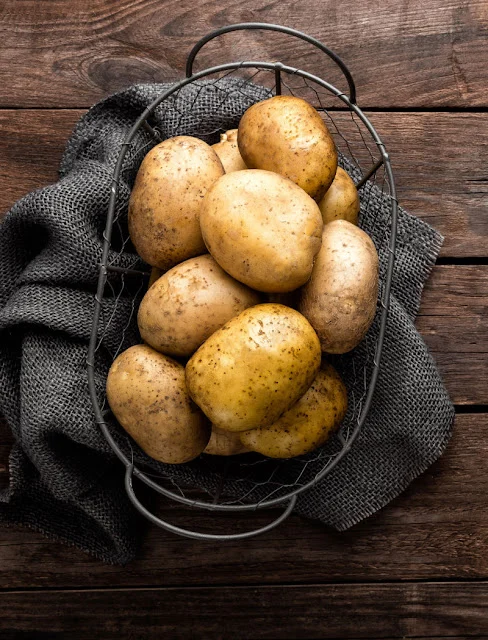
The rise of backyard poultry husbandry has brought with it a renewed focus on avian nutrition, specifically regarding the integration of kitchen scraps into a flock’s diet. Among the most common household staples is the potato, a vegetable that appears in various forms in nearly every global cuisine. However, for the modern poultry keeper, the question of whether chickens can safely consume potatoes is not met with a singular answer. Instead, the safety of the potato depends entirely on its botanical classification, its preparation, and its physical condition. As chickens are opportunistic omnivores, they will often consume whatever is presented to them, placing the burden of nutritional safety squarely on the keeper. Understanding the biological differences between white potatoes, sweet potatoes, and yams is essential for maintaining flock health and preventing potential toxicity.

The Botanical Distinction and Nutritional Profiles
To understand why some potatoes are hazardous while others are beneficial, one must first look at the botanical families of these tubers. Despite the shared nomenclature, white potatoes and sweet potatoes are not related. The white potato (Solanum tuberosum) belongs to the Solanaceae family, commonly known as the nightshade family. This group includes tomatoes, peppers, and eggplants, all of which produce various alkaloids as a natural defense mechanism against pests.
In contrast, the sweet potato (Ipomoea batatas) is a member of the Convolvulaceae, or morning glory family. This distinction is the primary reason for the difference in safety profiles. While the nightshade family is synonymous with the production of solanine—a potent glycoalkaloid—the morning glory family does not produce this toxin, making the sweet potato an entirely different nutritional prospect for poultry.

Furthermore, true yams (genus Dioscorea) belong to the Dioscoreaceae family. While often confused with sweet potatoes in North American markets, yams are more closely related to lilies and grasses. Each of these three categories—white potatoes, sweet potatoes, and yams—interacts with a chicken’s digestive system in distinct ways, ranging from highly nutritious to potentially lethal.
White Potatoes and the Threat of Solanine Toxicity
The primary concern regarding white potatoes (including red, yellow, and Russet varieties) is the presence of solanine. Solanine is a natural pesticide and neurotoxin found in all parts of the nightshade plant, including the tubers, stems, leaves, and flowers. In the potato tuber itself, solanine is most concentrated in the skin, particularly if the potato has been exposed to light and turned green.

The Mechanism of Solanine Poisoning
When a chicken ingests solanine, the toxin acts as an acetylcholinesterase inhibitor. This disrupts the nervous system’s ability to transmit signals properly. In poultry, the symptoms of solanine poisoning can be severe and include:
- Hypersalivation and oral distress.
- Severe gastrointestinal upset, including diarrhea and loss of appetite.
- Neurological impairment, characterized by lethargy, paralysis, or lack of coordination.
- In extreme cases or high dosages, respiratory failure and death.
The Myth of Neutralization Through Cooking
A common misconception among poultry keepers is that cooking white potatoes renders them safe. Scientific data suggests that solanine is highly heat-stable. While frying potatoes at temperatures exceeding 400 degrees Fahrenheit (200 degrees Celsius) can reduce solanine levels, common preparation methods like boiling have a negligible effect. Boiling may leach some toxins into the water, but the flesh of the potato remains potentially hazardous. Because toxins can accumulate in the liver and other organs over time, even small, frequent doses of white potato scraps can lead to chronic health issues that may not be immediately apparent to the owner.

Sweet Potatoes: The Safe and Superior Alternative
Unlike the white potato, the sweet potato is widely regarded by avian nutritionists as a "superfood" for poultry. Because they lack solanine, every part of the sweet potato plant—including the vines, leaves, and peels—is safe for chickens to consume.
Nutritional Benefits of Sweet Potatoes
Sweet potatoes provide a dense profile of essential vitamins and minerals that support various physiological functions in hens. Key nutrients include:

- Vitamin A (Beta-carotene): Essential for respiratory health, immune function, and the pigment quality of egg yolks.
- Vitamin C: An antioxidant that helps chickens manage heat stress and supports tissue repair.
- Vitamin B6 (Pyridoxine): Crucial for amino acid metabolism and the development of the nervous system.
- Potassium: Helps regulate fluid balance and nerve signals.
- Manganese: Vital for bone development and eggshell quality.
Because sweet potatoes are lower on the glycemic index than white potatoes, they provide a more sustained energy release without the sharp spikes in blood sugar that can lead to obesity in confined flocks.
Yams and the Requirement for Heat Treatment
True yams present a middle ground in the discussion of poultry safety. While they do not contain solanine, they do contain other anti-nutritional factors. Raw yams contain various plant proteins and tannins that can interfere with protein absorption and digestion. Additionally, yams contain oxalic acid, a compound also found in spinach.

High levels of oxalic acid can bind with calcium in the chicken’s bloodstream, creating calcium oxalates. This not only deprives the hen of the calcium needed for bone density but also significantly impacts egg production, often resulting in soft-shelled or "rubber" eggs. Therefore, if yams are to be fed to chickens, they must be thoroughly peeled and cooked. Heat treatment neutralizes many of the problematic proteins, making the yam a safe, albeit occasional, treat.
Chronology of Dietary Guidelines in Poultry Management
The evolution of guidelines regarding potato consumption in poultry has shifted significantly over the last century. In the early 20th century, farm flocks were largely "scavenger" birds, eating whatever kitchen waste was available. However, as the scale of poultry farming increased in the 1940s and 50s, researchers began to document unexplained losses in livestock attributed to "potato poisoning," particularly when cattle or chickens were turned into fields after a potato harvest to consume the leftover vines and "culls."

By the 1970s, veterinary science had clearly identified solanine as the culprit. Modern dietary standards now emphasize controlled nutrition. The contemporary "10% Rule" is a result of decades of study into avian metabolic rates. This rule dictates that treats—including safe vegetables like sweet potatoes—should never exceed 10% of a chicken’s daily caloric intake. The remaining 90% must come from a balanced commercial feed to ensure the bird receives the correct ratio of protein, calcium, and phosphorus.
Expert Reactions and Agricultural Implications
Poultry nutritionists and veterinarians generally advise a conservative approach to supplemental feeding. Dr. Lisa Steele, a well-known expert in natural poultry keeping, suggests that while a single piece of white potato may not be fatal, the risk of cumulative toxicity outweighs any nutritional benefit. The consensus among experts is to err on the side of caution: if a food item carries a known neurotoxin, it should be excluded from the coop.

From a broader agricultural perspective, the responsible disposal of potato waste is a matter of sustainable farm management. While composting is an excellent way to recycle white potato peels, feeding them to livestock is increasingly viewed as an outdated and risky practice. By switching to sweet potato cultivation or use, small-scale farmers can provide a safer, more nutrient-dense supplement for their birds while reducing the risk of flock-wide illness.
Analysis of Impact and Final Recommendations
The implications of dietary choices in backyard flocks extend beyond the health of individual birds. Healthy hens produce higher-quality eggs with stronger shells and more vibrant yolks. Conversely, a flock burdened by low-level toxins like solanine or calcium-binding oxalic acid will show decreased productivity and increased susceptibility to environmental stressors.

For the poultry keeper, the data leads to a clear set of operational guidelines:
- Avoid White Potatoes: Do not feed any part of the white, red, or yellow potato plant to chickens. This includes raw skins, cooked flesh, and garden debris like vines and leaves.
- Embrace Sweet Potatoes: Utilize sweet potatoes as a primary supplemental treat. They are safe in both raw and cooked forms and provide a significant boost to the birds’ vitamin intake.
- Process Yams Carefully: If feeding true yams, ensure they are peeled and boiled to remove anti-nutritional factors and reduce oxalic acid levels.
- Monitor for Mold: Regardless of the type, never feed moldy potatoes to chickens. Mycotoxins produced by mold can be rapidly fatal to avian respiratory and digestive systems.
- Adhere to Moderation: Limit all potato-based treats to approximately one tablespoon per bird per day to maintain a balanced diet.
In conclusion, while the question "Can chickens eat potatoes?" is common, the answer requires a nuanced understanding of plant biology and avian physiology. By prioritizing sweet potatoes and excluding the nightshade-derived white potato, keepers can ensure their flocks remain productive, healthy, and free from preventable toxicosis. This scientific approach to supplementation is a cornerstone of modern, responsible poultry management.
