
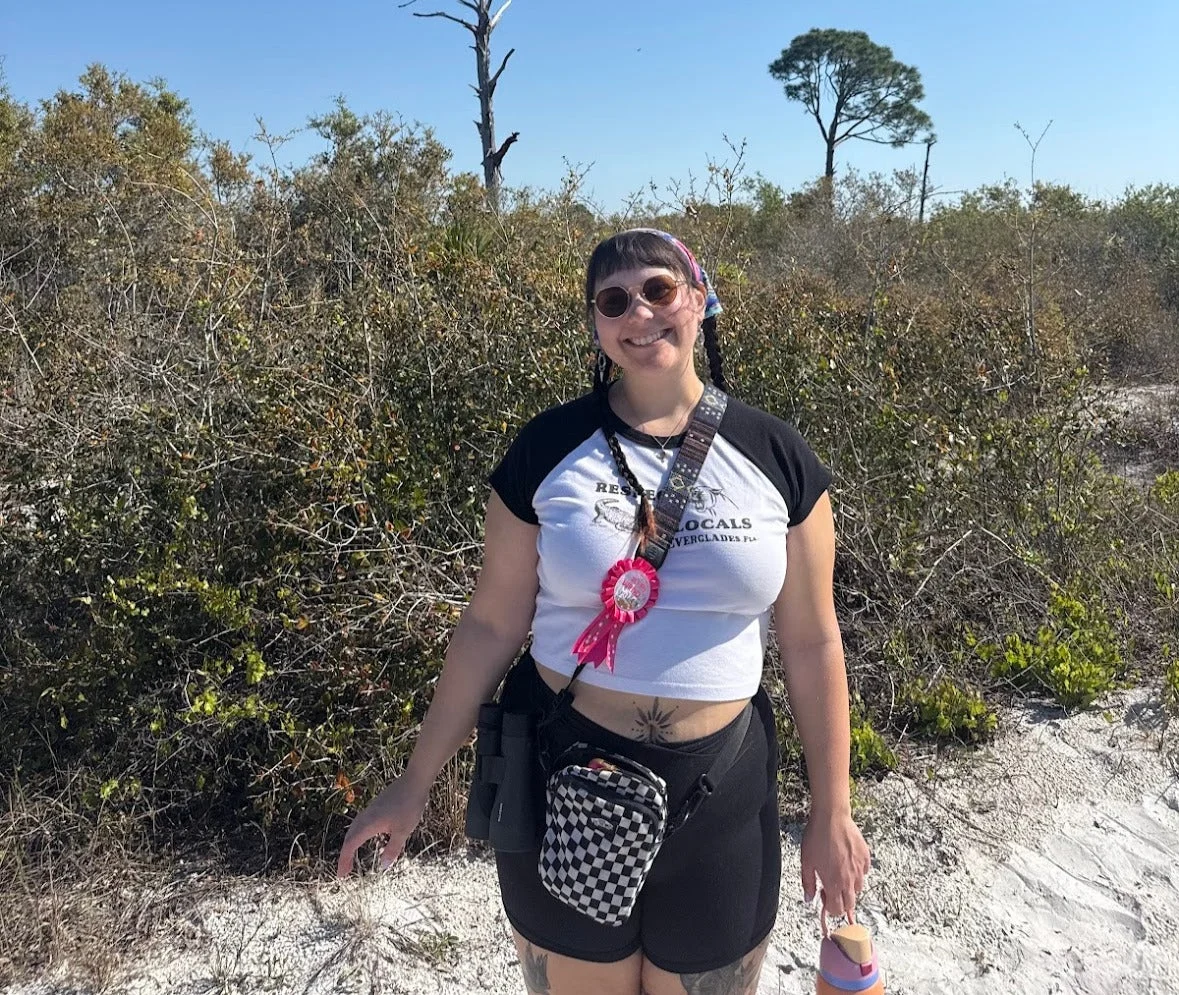
In the vibrant Gulf Coast city of St. Petersburg, Florida, where the realms of art and nature often intertwine, a unique artistic endeavor is capturing widespread attention. Tattoo artist Harley Babst, known professionally as Grouchy Goblin Ink, has launched an ambitious "tattoo bird guide" project aimed at meticulously inking every single bird species found within the Sunshine State onto the bodies of dedicated bird enthusiasts. This initiative not only celebrates Florida’s rich avian biodiversity but also actively champions conservation efforts, firmly cementing St. Petersburg’s reputation as a cultural hub deeply connected to its natural environment.
The Genesis of an Avian Artistic Odyssey
Harley Babst, a native of Alabama’s foothills where she cultivated an early appreciation for hiking and natural exploration, found her passion for ornithology truly ignited upon relocating to St. Petersburg. The city’s diverse ecosystems—ranging from pristine beaches and intricate mangrove estuaries to ancient pine scrubs and cypress sloughs—offered an unparalleled array of habitats and a corresponding explosion of new avian life. This environmental richness served as the catalyst for her unique project. "The environment here is so diverse. I really love that I can experience all different ranges from the beach to the swamps and sloughs, to the pine scrubs all within a drive," Babst remarked, highlighting the immediate inspiration drawn from her surroundings.
In April, Babst officially launched her "tattoo bird guide" project from her studio at Tootsie’s Tattoo, located just outside downtown St. Petersburg. The premise was simple yet monumental: to systematically tattoo each of the more than 500 bird species documented in Florida. This comprehensive list includes year-round residents, winter migrants, and even transient species that pass through the state’s critical flyways. To manage the vast undertaking, Babst maintains a detailed spreadsheet, meticulously recording each completed species, from the striking Roseate Spoonbill with its distinct pink plumage to the elusive Bananaquit, a tiny passerine often overlooked.
The project quickly garnered significant public interest. Following a feature in a prominent local lifestyle publication, the Creative Loafing Tampa Bay, Babst was inundated with requests, receiving over 45 inquiries within a matter of weeks. The project’s visibility further surged after an appearance on local news affiliate WFLA, where she discussed the initiative, amplifying its reach and appeal across the region. This rapid escalation in interest underscores a profound connection between the local community and the natural world, facilitated by Babst’s distinctive artistic vision.
St. Petersburg: A Nexus of Art and Ecology
St. Petersburg provides an ideal backdrop for Babst’s endeavor, a city where cultural institutions frequently draw inspiration from the natural world. The iconic Dalí Museum, for instance, stands majestically overlooking mangrove-lined waters, a testament to the seamless integration of art and nature. Downtown streets are adorned with numerous bird-themed murals, reflecting a broader civic appreciation for avian life. Furthermore, the Florida Wildlife Corridor-led Wild Space Gallery regularly hosts nature-themed art exhibits, fostering a community dialogue around environmental preservation through creative expression. Babst’s project thus slots perfectly into this established cultural landscape, adding another layer to the city’s identity as a vibrant, ecologically conscious community.
The artistic community in St. Petersburg has historically embraced diverse forms of expression, and tattooing, often seen as a contemporary art form, holds a respected place. Babst’s work contributes to this legacy, using the human body as a canvas to celebrate Florida’s natural heritage. Her project not only draws attention to the specific beauty of individual bird species but also highlights the broader ecological narrative that defines the region.
The Craft: American Traditional Meets Avian Accuracy
Harley Babst executes her bird tattoos in the American Traditional style, a distinctive tattooing genre characterized by bold black outlines, a limited yet rich color palette, and classic imagery. This style, which gained prominence among sailors in the early 20th century, traditionally features motifs such as eagles, swallows, anchors, and hearts. While eagles and swallows are common avian subjects within the style, adapting the broader spectrum of Florida’s diverse birdlife presents a unique artistic challenge.
"I think the challenges for me come with stylizing them while keeping them true to the living creature," Babst explains. "It is important to me that they look like the birds I intend them to be." This commitment to both aesthetic fidelity and scientific accuracy requires a delicate balance. Babst must interpret the subtle nuances of each species’ plumage, body shape, and identifying features through the lens of American Traditional’s stylized conventions. For instance, rendering the intricate patterns of a Painted Bunting or the distinct crest of a Great Egret demands careful consideration to ensure immediate recognizability while adhering to the bold, graphic nature of the style. This artistic tension ensures that each tattoo is not merely a decorative piece but a recognizable tribute to a specific natural entity.
To ensure accuracy, Babst frequently draws upon her own field observations and reference photographs. She and her partner regularly explore various wild places along the Gulf Coast, meticulously documenting avian subjects. Crescent Lake is a favored spot for its abundant American White Pelicans and majestic Wood Storks, while Oscar Scherer State Park provides crucial opportunities to observe the Florida Scrub-Jay, an iconic and endemic species facing critical habitat loss. These firsthand experiences are invaluable for translating the living bird into a permanent artistic representation.
Conservation at the Core: Incentivizing Environmental Stewardship
Beyond its artistic merit, Babst’s project is deeply rooted in a commitment to conservation. From its inception, she envisioned the initiative as a vehicle to support wildlife protection. To this end, she offers a tangible incentive: a $50 discount on a bird tattoo for any client who donates at least $10 to one of four selected local wildlife conservation organizations. These beneficiaries include the Seaside Seabird Sanctuary in Indian Shores, Owl’s Nest Sanctuary for Wildlife in Odessa, Friends of the Pelicans, Inc., and the St. Pete Audubon chapter.
This direct financial incentive has proven to be a significant boon for these organizations, channeling new funds and raising their public profiles. The excitement generated by the tattoo project has, in turn, led to increased awareness and support for their vital work. Babst’s engagement with these groups is not merely transactional; she was personally invited to visit Owl’s Nest Sanctuary, fostering a deeper connection between her art and the practical realities of wildlife rehabilitation and advocacy.
These organizations play crucial roles in Florida’s ecological health. The Seaside Seabird Sanctuary, for example, is dedicated to the rescue, rehabilitation, and release of sick and injured wild birds. Owl’s Nest provides similar care for a wider array of wildlife. Friends of the Pelicans focuses specifically on the welfare of pelicans, often impacted by fishing line entanglement and other human-related injuries. St. Pete Audubon, a local chapter of the National Audubon Society, engages in habitat preservation, bird monitoring, and public education initiatives. By directing funds and attention to these local groups, Babst’s project reinforces the localized impact of conservation efforts and empowers individuals to contribute directly to their community’s environmental well-being.
Personal Narratives: The Stories Behind the Ink
The motivations behind individuals choosing to permanently adorn their bodies with bird imagery are as diverse as Florida’s avian population itself. Babst cherishes the personal stories that accompany each request, transforming each tattoo appointment into a moment of shared connection and remembrance. These narratives often reflect profound personal experiences, memories, or advocacies.
One recent client chose a Chuck-will’s-widow, a nocturnal bird whose distinctive call had been a constant auditory companion throughout their childhood evenings. For another, a Limpkin tattoo commemorated a small family of the unique wading birds that annually visited their backyard pond, symbolizing a consistent connection to nature and the passage of seasons.
A particularly poignant example predates the formal launch of the "tattoo bird guide" project. One of the first birds Babst ever tattooed was a Yellow-bellied Sapsucker for a friend. This friend had discovered the bird after it tragically struck a window at her office. Though the bird did not survive, the incident became a powerful catalyst. It spurred the friend to research the devastating impact of window strikes on avian populations—a phenomenon researchers estimate kills around 1 billion birds annually in North America alone, according to Audubon—and to become an advocate for preventative measures. The tattoo served as a permanent memorial and a constant reminder of her commitment to protecting birds from such preventable fatalities.
These stories highlight the powerful emotional resonance birds hold for people. They are not merely objects of scientific study or aesthetic appreciation; they are symbols of memory, grief, advocacy, and a deep, personal connection to the natural world. Babst’s work gives these personal narratives a visible, enduring form, allowing clients to carry their stories and their commitment to conservation on their skin.
Florida’s Avian Biodiversity: A Critical Ecosystem
Florida is a globally significant region for avian life, often referred to as a birder’s paradise. Its unique geographical position, subtropical climate, and diverse habitats—including expansive wetlands like the Everglades, extensive coastlines, pine flatwoods, and unique scrub ecosystems—support an extraordinary variety of bird species. The state serves as a critical stopover point for millions of migratory birds traveling along the Atlantic Flyway, making it a crucial area for global bird conservation.
The list of over 500 species includes iconic wading birds such as the Great Blue Heron, Great Egret, and the aforementioned Roseate Spoonbill; powerful raptors like the Osprey and Bald Eagle; a dazzling array of warblers and other songbirds; and endemic species like the Florida Scrub-Jay, which is found nowhere else on Earth. The presence of such a vast and varied avian population makes Florida an unparalleled natural laboratory and a vital sanctuary for wildlife.
However, this rich biodiversity faces numerous threats. Rapid human population growth and development lead to extensive habitat loss and fragmentation, particularly impacting coastal and wetland areas. Climate change introduces altered weather patterns, rising sea levels, and increased intensity of storms, further stressing delicate ecosystems. Pollution, including agricultural runoff and plastic waste, contaminates waterways and impacts food sources. Invasive species, both plant and animal, compete with native birds for resources and prey on their eggs and young. Events like red tide outbreaks, exacerbated by nutrient pollution, can also decimate seabird populations.
Conservation efforts across Florida are multifaceted, involving state and federal agencies, non-profit organizations, and local communities. Initiatives like the Florida Wildlife Corridor aim to connect fragmented habitats, creating contiguous pathways for wildlife movement. Audubon Florida plays a significant role in advocating for policy changes, conducting research, and engaging in on-the-ground habitat restoration. Babst’s project, by raising awareness and directly supporting local conservation groups, contributes to this broader network of protective efforts, educating the public one tattoo at a time.
Broader Impact and Future Aspirations
Harley Babst’s "tattoo bird guide" project extends beyond the confines of her tattoo studio. It serves as a powerful public awareness campaign, subtly educating individuals about Florida’s avian residents and the urgent need for their protection. By making conservation a tangible and personal commitment, the project transforms an artistic expression into a form of environmental activism.
The project also positions St. Petersburg as an innovative center for creative conservation. It demonstrates how art, commerce, and environmental stewardship can coalesce to create meaningful community engagement. The local media attention and client enthusiasm suggest a broader appetite for initiatives that blend personal passion with collective responsibility.
Looking ahead, Babst harbors ambitious plans to expand the project’s reach and impact. With hundreds of bird species yet to be tattooed, she intends to travel to further-flung birding hotspots across Florida, seeking new inspiration and direct encounters with diverse avian life. Destinations like Corkscrew Swamp Sanctuary, renowned for its ancient bald cypress forest and abundant wading birds, and Orlando Wetlands, a constructed wetland providing habitat for numerous species, are on her itinerary. These journeys will not only provide fresh material for her designs but also deepen her connection to the state’s varied ecosystems.
Ultimately, Babst envisions transforming her extensive collection of bird tattoos into a published book, modeled after the classic Audubon bird guides she frequently consults for inspiration. Such a book would serve as a unique artistic and educational resource, blending the scientific accuracy of a field guide with the distinctive aesthetic of American Traditional tattooing. It would stand as a testament to the beauty of Florida’s birds, the power of art, and the enduring human commitment to preserving the natural world, one feathered friend at a time.
