
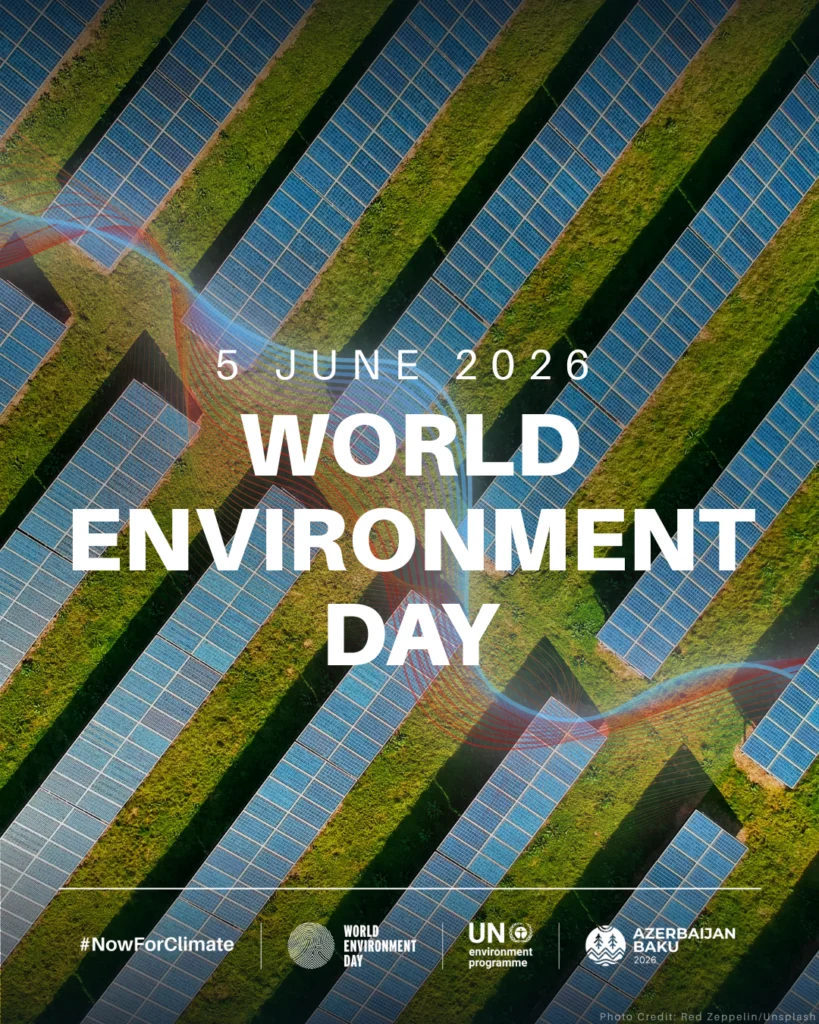
As the world prepares to observe World Environment Day on June 5th, 2026, a critical message is being amplified by the UN Environment Programme: the planet’s urgent signals of distress are growing louder, and the time for meaningful action is now. This year’s observance, underscored by the stark reality that the 1.5°C warming limit is being surpassed, serves as a potent reminder of the escalating climate crisis. While decades of warnings, targets, and distant deadlines have often been met with delay, distraction, and denial, a counter-narrative is emerging – one of tangible, on-the-ground climate solutions taking root globally. From solar panels adorning rooftops to redesigned urban landscapes prioritizing people, and from reforestation efforts to the quiet resurgence of nature-based solutions, hope is being cultivated.
At the heart of this burgeoning movement lies a vital, yet often overlooked, ecosystem: wetlands. These indispensable natural systems are inextricably linked to the planet’s water cycle and climate regulation, positioning them as crucial allies in the fight against climate change. The UN Environment Programme’s poignant observation that "The planet doesn’t argue. It doesn’t negotiate. It sends signals – rising seas, raging wildfires, heatwaves, melting glaciers" is a direct reflection of the altered hydrological patterns driven by a warming world. Climate change, at its core, is water change, manifesting in erratic rainfall, devastating floods, prolonged droughts, and destructive wildfires.
Wetlands, encompassing rivers, lakes, and peatlands, are the primary custodians of the Earth’s freshwater resources. They perform an array of essential ecological services, including the purification of water, natural storage of vast quantities, mitigation of floodwaters, and the vital process of groundwater recharge. The interdependence is profound: without healthy wetlands, a world with reliable freshwater is simply unattainable. Despite their critical importance, human activities have led to the widespread degradation of these ecosystems. Rivers have been dammed, peatlands drained and depleted, lakes polluted, and vital mangrove forests cleared.
The repercussions of this neglect are starkly evident in recent global events. The past year alone has witnessed severe droughts in Iran, a nation grappling with water scarcity exacerbated by environmental factors. Simultaneously, India and the United Kingdom have experienced catastrophic flooding, events that can be partly attributed to the diminished capacity of surrounding wetlands to absorb excess water. In China and Canada, the loss of wetlands has been linked to increased carbon emissions, as these ecosystems are significant carbon sinks. These incidents underscore a concerning trend: the degradation of wetlands directly contributes to both the amplification of climate impacts and a reduction in our capacity to adapt.
However, within this challenging landscape, wetlands offer a unique and irreplaceable suite of solutions for both mitigating and adapting to climate change.
Wetlands as Pillars of Climate Change Mitigation
Wetlands are among nature’s most efficient carbon sequestration agents. Peatlands, for instance, store an estimated two-thirds of the world’s terrestrial carbon, a staggering amount that dwarfs the carbon held in all the world’s forests combined. When healthy, these ecosystems sequester atmospheric carbon dioxide at a significant rate, playing a pivotal role in efforts to curb greenhouse gas emissions. Conversely, when degraded, they can release vast quantities of stored carbon, exacerbating the problem. The restoration and protection of these carbon-rich environments are therefore paramount for achieving global climate targets.
Wetlands as Crucial Tools for Adaptation
Beyond mitigation, wetlands are indispensable for helping communities adapt to the escalating impacts of climate change. As extreme weather events become more frequent and intense, wetlands act as natural buffers. Coastal wetlands, such as mangroves and salt marshes, provide a first line of defense against storm surges and rising sea levels, protecting coastal communities and infrastructure. Inland wetlands, including floodplains and marshes, absorb excess rainfall, reducing the severity of floods and replenishing groundwater reserves, which become increasingly critical during periods of drought. Their role in maintaining water availability and quality during climatic extremes cannot be overstated.
Wetlands as Foundations of Societal Resilience
For millennia, wetlands have been the bedrock of human civilization and resilience. The cradles of ancient civilizations, such as those along the Nile, Indus, Tigris-Euphrates, and Yellow Rivers, all flourished in the fertile floodplains of wetlands. Today, many of the world’s largest and most influential cities, from London and Kolkata to Chicago, are situated along riverbanks, benefiting from the resources and natural protections these wetlands provide. Wetlands deliver clean water, support fertile agricultural lands, and harbor an extraordinary diversity of plant and animal life, contributing to robust biodiversity and ecosystem services. The estimated annual value of water and freshwater ecosystems globally is a staggering US$58 trillion, equivalent to 60% of global GDP, highlighting their immense economic and social contribution. The health of these ecosystems is a direct indicator of our own societal well-being and resilience.
A Call to Action: Shared Responsibilities for Wetland Conservation
Recognizing the profound importance of wetlands, organizations like Wetlands International are actively engaged in restoration and conservation efforts across the globe. Their work spans diverse initiatives, including the restoration of degraded peatlands in Mongolia and Peru, community-based ecological mangrove restoration in Guinea-Bissau, Kenya, Senegal, the Philippines, and Indonesia, and enhancing water security in Ethiopia, Brazil, Argentina, and across Europe.
However, the scale of the challenge demands a collective effort. Wetlands International emphasizes that transformative change requires collaboration and the engagement of sectors with significant influence and responsibility.
Governments play a pivotal role in integrating wetland conservation and restoration into national climate policies. The inclusion of wetlands, particularly mangroves, in Nationally Determined Contributions (NDCs) and National Adaptation Plans (NAPs) is critical. Initiatives such as the Mangrove Breakthrough and the Freshwater Challenge, alongside the forthcoming Peatland Breakthrough, offer vital frameworks for countries to accelerate action for wetland protection. Government commitments can unlock essential finance for nature-based solutions and redirect subsidies away from activities that contribute to climate change.
Businesses, often significant drivers of wetland degradation through activities in agriculture, mining, palm oil production, and infrastructure development, also possess the capacity to drive sustainable economic growth. The transition towards a "wetland-positive economy" requires businesses to adopt practices that not only minimize their environmental footprint but actively contribute to wetland restoration and health. This shift is crucial for aligning corporate interests with ecological imperatives.
Financiers, including pension funds and insurers, hold substantial wealth and the long-term perspective necessary to fund large-scale restoration and conservation projects. Their investment decisions can either perpetuate environmental damage or catalyze the transition to a sustainable future. Directing capital towards wetland preservation and restoration is not only an environmental imperative but a prudent long-term investment strategy.
As World Environment Day 2026 approaches, the call to action is clear and urgent: those with the power, capacity, and interest to effect large-scale change must act now. The question posed is pointed: are you ready to act for wetlands #NowForClimate? The answer will shape not only the future of these vital ecosystems but the very resilience and sustainability of our planet. The signals are undeniable; the solutions are within reach. The time for decisive, collective action for wetlands has arrived.
