
Published on: May 7, 2026
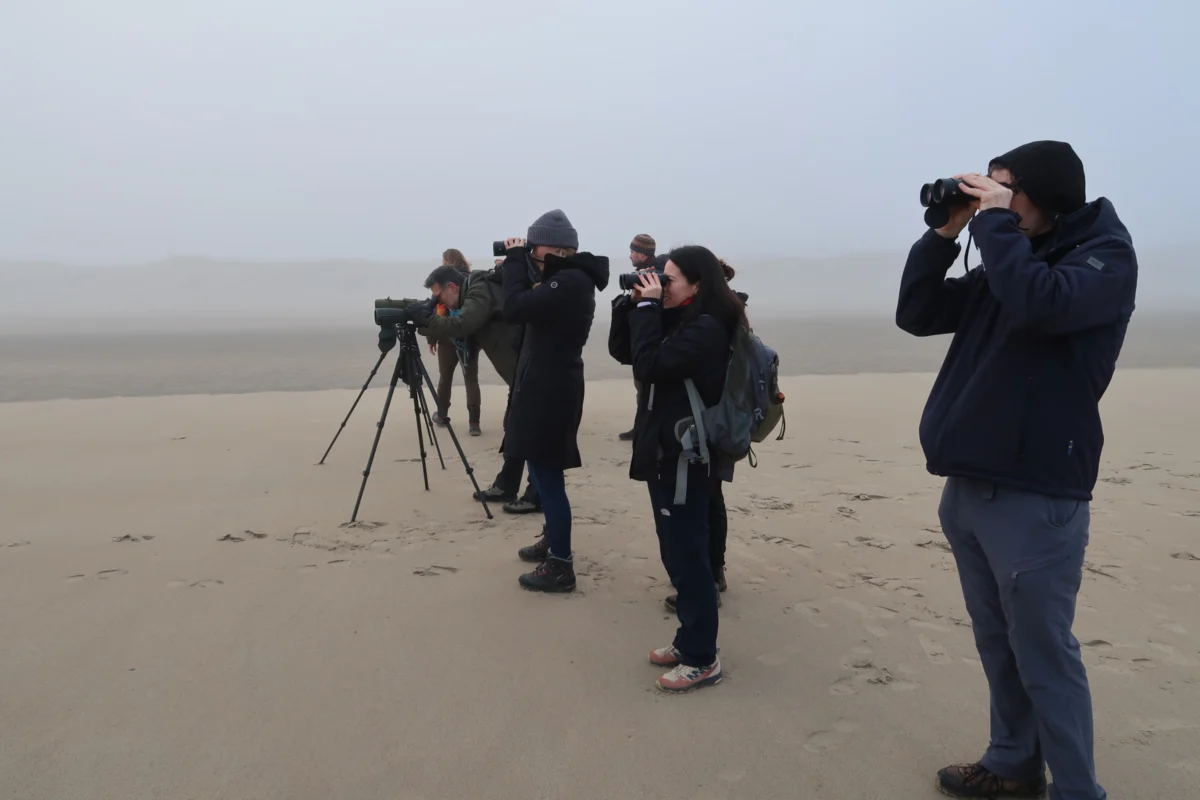
In a significant development for avian conservation and international cooperation, Afghanistan has rejoined the International Waterbird Census (IWC) for the first time in decades. The initiative, conducted in January 2026, involved surveying six key sites along the Kabul River and the Amu Darya floodplains. This undertaking not only documented wintering waterbirds and assessed habitat conditions but also engaged local communities to understand prevailing environmental changes. Afghanistan’s return to the IWC signifies its reintegration into a vital global network dedicated to tracking migratory waterbirds across critical flyways, a testament to a renewed commitment to ecological monitoring and international collaboration.
This year’s participation aligns perfectly with the World Migratory Bird Day 2026 theme, "Every Bird Counts – Your Observation Matters." This overarching message underscores the indispensable role of community-based monitoring in comprehending and safeguarding migratory bird populations. The theme also resonates deeply with the ethos of the International Waterbird Census, an initiative coordinated by Wetlands International. The IWC itself celebrated its 60th count earlier this year, marking six decades of dedicated citizen science and coordinated ecological data collection. Since its inception in 1967, the IWC has evolved into one of the world’s most extensive and enduring citizen science biodiversity monitoring schemes. Annually, thousands of volunteers across the globe participate in counting waterbirds in their local wetlands. The aggregated data provides crucial insights into species distribution, population trends, and habitat utilization, thereby informing conservation policies and guiding effective site management strategies.
The successful execution of IWC counts across numerous regions in 2026 was significantly bolstered by financial support from the Waterbird Fund. This fund, managed by Wetlands International, plays a critical role in enabling monitoring efforts in countries where external financial assistance is essential. The contributions facilitated counts not only in Afghanistan but also in a diverse array of nations, including Burundi, Ethiopia, Kenya, Indonesia, Rwanda, and Turkmenistan, many of which depend on such external support to sustain their vital monitoring programs.
Afghanistan’s Re-engagement: A Milestone for Regional Conservation
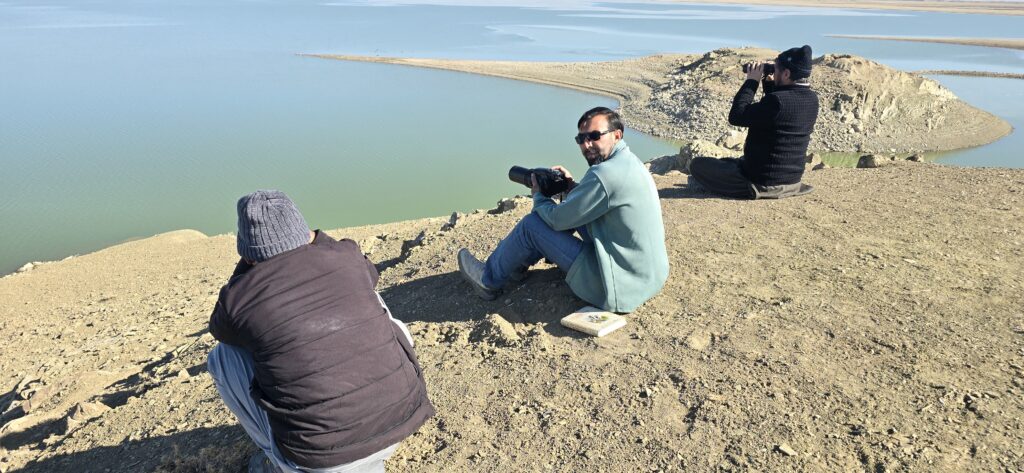
The return of Afghanistan to the IWC is a particularly poignant achievement. For years, the country’s capacity for coordinated ecological surveys was hampered by decades of conflict and instability. The January 2026 survey along the Kabul River and the Amu Darya floodplains represents a crucial step towards re-establishing baseline data for migratory waterbird populations that traverse these vital landscapes. Local communities were actively involved, providing invaluable on-the-ground knowledge about local environmental conditions and observed changes, which often go unreported in broader scientific surveys. This integration of local wisdom with scientific methodology is a hallmark of effective conservation practice. The data collected will be instrumental in identifying critical habitats for wintering birds and assessing potential threats, laying the groundwork for future conservation interventions. The presence of organizations like Organization Rewild, which supported the Afghanistan counts, underscores the collaborative spirit driving these efforts.
Burundi: Doubling Numbers, Highlighting Pressures
In Burundi, the February 2026 IWC counts revealed a remarkable increase in waterbird populations, with over 13,000 individuals recorded – nearly double the total from the previous year. Surveys conducted across vital wetland ecosystems, including Rusizi National Park and the northern lakes, underscored the ecological significance of these areas for both resident and migratory species. However, these positive findings were tempered by the identification of persistent challenges. Issues such as illegal fishing and hunting, alongside disturbances stemming from human activities, were noted as ongoing threats to these sensitive environments. The data gathered will be crucial for the Burundian authorities and conservation partners to implement targeted management strategies to mitigate these pressures and protect the vulnerable waterbird populations.
Ethiopia: Population Growth Amidst Environmental Strain
Ethiopia’s participation in the 2026 IWC involved extensive surveys across 30 wetlands over a 30-day period, covering more than 7,000 kilometers. The effort yielded positive indications of increased population sizes and a richer species composition in certain wetland areas. This suggests a degree of resilience and recovery within these ecosystems. Concurrently, the surveys highlighted significant environmental pressures impacting many of Ethiopia’s wetlands. Agricultural expansion, water abstraction for irrigation and other uses, the proliferation of invasive species such as water hyacinth, and pollution were identified as major threats. These findings emphasize the critical need for sustained monitoring to accurately track environmental changes and to inform the development of effective management recommendations that balance human needs with ecological preservation.
Rwanda: A Flourishing Citizen Science Network
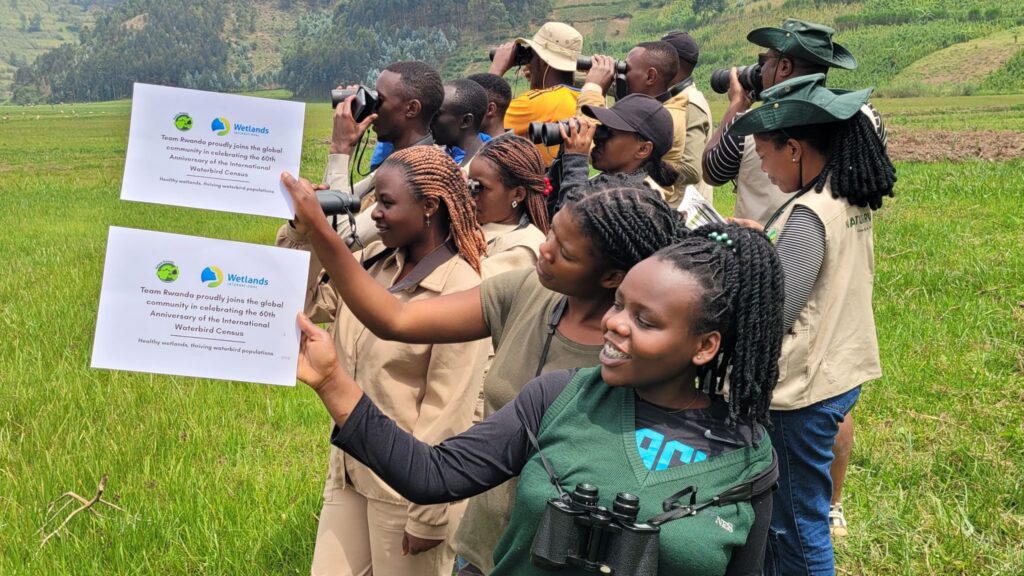
The 2026 Rwanda IWC count served as an exemplary showcase of a rapidly expanding and increasingly sophisticated citizen science network. In January 2026, counts tallied 2,871 individual waterbirds across 12 wetlands, representing a significant expansion from the initial seven wetlands surveyed during Rwanda’s first IWC participation in 2021. A key factor in this growth has been the proactive capacity-building initiatives undertaken by organizations like Nature Rwanda. Ahead of the 2026 count, a dedicated training session equipped 27 new counters with essential skills in standardized IWC field protocols, species identification, and modern technology-based data collection methods.
This investment in training and outreach has demonstrably paid off. Rwanda’s IWC network has burgeoned from just 30 active members in 2021 to an impressive 128 trained individuals by 2026. This expansion reflects a diverse and inclusive network comprising university students, representatives from conservation organizations, local guides, park rangers, boat captains, birding enthusiasts, and community volunteers. The broad spectrum of participants highlights the widespread engagement and dedication to avian conservation. Crucially, the data generated by the IWC in Rwanda has already translated into tangible conservation actions. Notable among these are the ongoing restoration efforts for the degraded Gikondo Wetlands and Gatsata Wetlands in Kigali, projects spearheaded by the Rwanda Environment Management Authority. These successes demonstrate the direct impact of citizen science data on policy and on-the-ground conservation initiatives.
Uzbekistan: Documenting Biodiversity and Protected Species
In Uzbekistan, the 2026 IWC count, coordinated by the Uzbekistan Society for the Protection of Birds (UzSPB), further illustrated the scale and importance of coordinated monitoring efforts. The surveys documented an impressive tally of over 90,000 waterbirds, representing 57 distinct species, across 17 wetlands. This included numerous Important Bird Areas (IBAs) and Key Biodiversity Areas (KBAs), underscoring the ecological significance of the surveyed sites. A particularly noteworthy aspect of the Uzbekistan findings was the documentation of 15 species listed in either the Uzbekistan Red Data Book or by the International Union for Conservation of Nature (IUCN). This presence of threatened and endangered species highlights the critical role of the IWC in identifying and monitoring populations of conservation concern, providing vital data for national and international protection strategies. The dedication of researchers and volunteers, such as Oleg Kashkarov, is instrumental in these achievements.
The Power of Collective Action: World Migratory Bird Day and the IWC
The global initiatives, from awareness campaigns like World Migratory Bird Day to intensive monitoring programs like the IWC, powerfully demonstrate the value of public participation. Whether through large-scale organized surveys or individual observations, citizen science generates invaluable knowledge that would otherwise remain inaccessible. The reintegration of Afghanistan into the IWC flyway network and the burgeoning citizen science movement in Rwanda are compelling examples of how collective efforts contribute to a deeper understanding of migratory birds and the crucial wetland habitats they depend upon for survival.
Without the consistent, year-on-year data collection provided by the IWC, many critical environmental warning signs would likely go unnoticed. This reinforces the imperative for continued monitoring efforts, which are only sustainable through consistent financial support, particularly from initiatives like the Waterbird Fund.
A Call to Action: Supporting Global Conservation
Just as every bird counts towards a comprehensive ecological understanding, every donation plays a vital role in sustaining these essential monitoring efforts. The most direct and impactful way to contribute to this global endeavor is by donating to the Waterbird Fund. These contributions ensure that the crucial work of tracking migratory birds and protecting their habitats can continue, year after year, across continents and diverse ecological landscapes. The ongoing success of the IWC and the growing participation from countries like Afghanistan and Rwanda are testaments to the power of sustained commitment and international collaboration in the face of mounting environmental challenges.
