
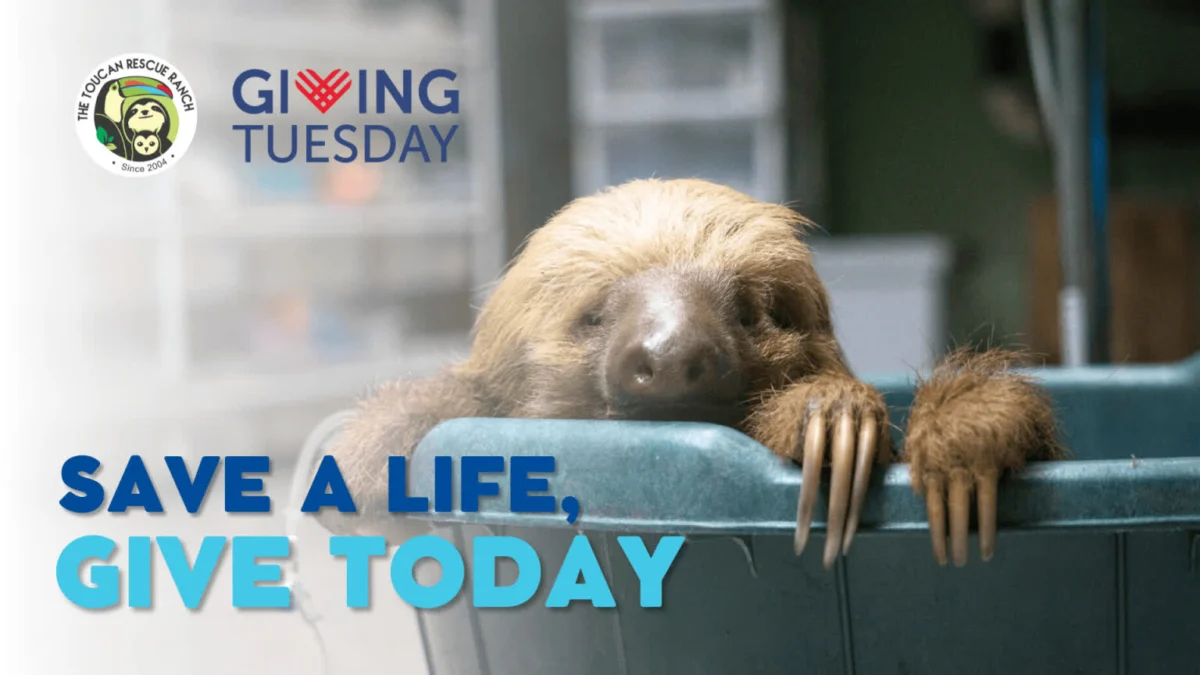
The Toucan Rescue Ranch (TRR), a prominent wildlife rescue and rehabilitation facility based in Costa Rica, has officially launched its annual Giving Tuesday campaign in response to an unprecedented increase in wildlife emergencies. As the organization marks its 20th year of operation, officials report that 2024 is on track to become the most demanding year in its history, with animal intake numbers already surpassing the total figures recorded for the entirety of 2023. This surge in cases—driven largely by human-wildlife conflicts such as electrocutions, vehicle strikes, and the illegal pet trade—has placed a significant strain on the nonprofit’s resources, prompting a call for global support to sustain its mission of rescuing, rehabilitating, and rewilding native species.
The Scale of the 2024 Wildlife Crisis
The current year has presented a logistical and financial challenge for the Toucan Rescue Ranch that is without precedent in its two-decade history. In 2023, the facility admitted over 400 vulnerable animals, a figure that was considered a high-water mark for the organization. However, internal data reveals that by July 2024, the ranch had already exceeded that number. If current trends persist through the end of the year, the facility expects to manage a nearly 100% increase in annual intake compared to previous averages.
A significant portion of these new arrivals are categorized as "wildlife orphans." According to recent statistics provided by the ranch, 41.8% of the animals currently under their care are young individuals that have lost their mothers due to various anthropogenic factors. These orphans require intensive, around-the-clock care, specialized nutritional formulas, and long-term behavioral training to ensure they develop the skills necessary for survival in the wild. The cost of raising an orphaned sloth, monkey, or bird of prey to adulthood is substantial, involving years of dedication before the animal can be considered for "rewilding"—the process of returning a rehabilitated animal to its natural habitat.
Understanding the Drivers of Wildlife Emergencies
The spike in wildlife emergencies in Costa Rica is not an isolated phenomenon but rather a reflection of the increasing intersection between expanding human infrastructure and natural habitats. The Toucan Rescue Ranch identifies several primary causes for the current influx of patients:
- Electrocutions: As urban development encroaches on forested areas, arboreal species such as howler monkeys and sloths frequently use uninsulated power lines as "canopy bridges." This often results in severe burns, limb loss, or death. Rehabilitating an electrocuted animal requires complex surgeries and months of physical therapy.
- Vehicular Collisions: Habitat fragmentation forces wildlife to cross busy roads to find food or mates. Slow-moving mammals like sloths and anteaters are particularly vulnerable to vehicle strikes, which often result in blunt force trauma and complex fractures.
- Illegal Pet Trade: Despite strict environmental laws in Costa Rica, the illegal poaching of birds and primates for the pet trade remains a persistent issue. Animals confiscated by authorities are often found in poor health, suffering from malnutrition and psychological stress, requiring specialized rehabilitation before they can be reintegrated into wild populations.
- Domestic Animal Attacks: As residential areas expand into wild zones, domestic dogs and cats frequently clash with native wildlife, leading to injuries that require professional veterinary intervention.
Two Decades of Conservation and Evolutionary Growth
Founded 20 years ago, the Toucan Rescue Ranch began as a small-scale sanctuary focused primarily on avian species. Over the last two decades, it has evolved into a comprehensive wildlife center that integrates veterinary medicine, scientific research, and environmental education. The organization’s growth has been fueled by a commitment to "rewilding," a philosophy that prioritizes the eventual release of animals back into the wild over permanent sanctuary care.
"Each case brings its own set of challenges, from animals barely clinging to life to those who stay with us only briefly," a representative for the ranch stated. "Every single animal has shaped us, tested our resilience, and strengthened our commitment to adapt and evolve with the needs of the wildlife we care for."
The ranch’s methodology involves a multi-stage rehabilitation process. Upon arrival, animals receive emergency medical care at the on-site clinic. Once stabilized, they move to recovery enclosures where they are monitored for physical and behavioral progress. The final stage involves "pre-release" enclosures located in protected forest areas, where animals can acclimate to the environment they will eventually inhabit. This rigorous process ensures that released animals have the highest possible chance of thriving and contributing to the local ecosystem.
The Role of Giving Tuesday and Global Philanthropy
Giving Tuesday, observed on the Tuesday following Thanksgiving in the United States, has become a global movement that encourages charitable giving. For small, donor-funded nonprofits like the Toucan Rescue Ranch, this day represents a critical opportunity to secure the funding necessary for the upcoming year’s operations.
The ranch has set an initial fundraising target of $8,000 for this year’s campaign. These funds are earmarked for several essential needs, including:
- Specialized Medical Equipment: Upgrading diagnostic tools such as portable X-ray machines and ultrasound equipment to better treat trauma cases.
- Nutritional Support: Purchasing high-quality supplements and specific diets for the 41.8% of the population that are orphans.
- Enclosure Maintenance: Expanding and repairing rehabilitation habitats to accommodate the record-breaking number of patients.
- Rewilding Programs: Funding the logistics of transporting and monitoring animals during their transition back to the wild.
As a registered nonprofit, the ranch emphasizes that all donations are tax-deductible for eligible donors, providing an incentive for both individual animal lovers and corporate sponsors to contribute.
Analysis of Implications for Costa Rican Biodiversity
The work of the Toucan Rescue Ranch carries implications that extend beyond the welfare of individual animals. Costa Rica is home to approximately 5% of the world’s biodiversity, and its economy is heavily reliant on ecotourism. The health of its wildlife populations is, therefore, directly linked to the country’s national identity and economic stability.
Environmental analysts suggest that the rising number of wildlife emergencies at facilities like TRR indicates a need for broader systemic changes in infrastructure and urban planning. "The data coming out of rescue centers is a biological indicator of the health of our environment," says an independent conservation researcher. "When we see a surge in electrocutions or vehicle strikes, it is a signal that our infrastructure is not currently compatible with the wildlife corridors essential for biodiversity."
By rehabilitating and releasing these animals, TRR helps maintain genetic diversity and the functional roles that these species play in the ecosystem, such as seed dispersal and pest control. Furthermore, the ranch’s research initiatives provide valuable data that can inform government policies regarding power line insulation and the construction of wildlife bridges.
A Call for Community Action
The Toucan Rescue Ranch’s message for Giving Tuesday is one of shared responsibility. The organization maintains that while the challenges are great, the support of a global community can ensure that Costa Rica’s native wildlife continues to thrive for generations to come.
"Together, we can give the voiceless a voice," the organization noted in its campaign literature. "Every animal that comes through our doors gives us a renewed purpose: to heal, rehabilitate, and ultimately return these animals to their rightful home in nature."
The ranch encourages supporters to contribute at any level, noting that even small donations of $10 or $25 contribute to the purchase of essential medicines and food. For larger contributions, the impact is seen in the direct funding of complex surgeries and the maintenance of the specialized "Release Sites" where the final stages of rewilding take place.
As the year draws to a close, the Toucan Rescue Ranch remains a vital safety net for Costa Rica’s wildlife. With the 2024 intake numbers reaching historic highs, the success of this Giving Tuesday appeal will be a determining factor in the organization’s ability to meet the growing demand for its services and continue its 20-year legacy of conservation excellence. The mission remains clear: to ensure that every animal, whether a victim of an accident or an orphan of the pet trade, is given the best possible second chance at a life in the wild.
