
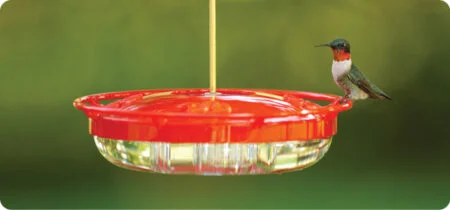
The anticipation for the arrival of hummingbirds each spring is a sentiment shared by countless nature enthusiasts across North America. These diminutive, iridescent creatures, known for their astonishing aerial acrobatics and the distinctive hum of their wings, undertake arduous migratory journeys that span thousands of miles. Their eventual appearance at backyard feeders and blooming gardens signals not only the change of seasons but also a deeply rewarding connection with the natural world. This prolonged wait, often stretching from early spring until late summer, is consistently met with unparalleled joy and fascination, underscoring the profound value these avian jewels bring to our lives.
The Epic Migration: A Journey of Survival
Hummingbirds, particularly the Ruby-throated Hummingbird in the eastern United States and species like the Black-chinned, Rufous, and Broad-tailed hummingbirds in the west, embark on some of the most remarkable migrations in the avian world relative to their size. The journey from their wintering grounds in Central America to their breeding territories in North America can cover distances exceeding 2,000 miles. This undertaking is a testament to their incredible endurance, navigational prowess, and specialized physiology.
For many species, particularly the Ruby-throated Hummingbird, a significant portion of this migration involves a non-stop flight across the Gulf of Mexico. This flight, which can last between 18 to 22 hours, requires the hummingbird to build up substantial fat reserves, sometimes doubling their body weight. Scientists estimate that a Ruby-throated Hummingbird consumes approximately 7 to 8 grams of nectar per day on average, but during migration, this intake significantly increases to fuel their energy demands. This critical period of feeding and fat accumulation highlights the importance of available nectar sources before and during their migratory passage.
The timeline of their return varies geographically. In the southern United States, hummingbirds may begin their northward journey as early as February, with the vanguard reaching the northernmost breeding grounds by late April or early May. In more northern regions, such as Canada, the arrival typically occurs in late May or early June. This staggered arrival allows researchers and birdwatchers to track their progress and understand the environmental cues that trigger their movement, such as increasing day length and the blooming of nectar-producing flowers.
Attracting and Observing These Tiny Marvels
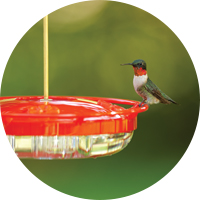
The primary method for attracting hummingbirds to one’s yard is through the provision of suitable food sources and habitat. Nectar feeders, when properly maintained, become vital refueling stations. The ideal nectar mixture consists of a 4:1 ratio of water to plain white sugar, boiled and cooled before filling the feeders. It is crucial to avoid red dye or artificial sweeteners, as these can be harmful to hummingbirds. Regular cleaning of feeders, typically every few days, is paramount to prevent the growth of mold and bacteria, which can sicken or kill the birds.
Beyond feeders, cultivating native plants that provide natural nectar is equally important. Different hummingbird species have preferences for flower shapes and colors, but generally, they are attracted to brightly colored, tubular flowers. Examples in the eastern United States include Bee Balm (Monarda spp.), Cardinal Flower (Lobelia cardinalis), and Columbine (Aquilegia spp.). In the western regions, plants like California Fuchsia (Epilobium caninum), Penstemon, and various Salvias are highly attractive. Providing a diverse array of blooming plants ensures a continuous food supply throughout the breeding season and migration.
Resident Hummingbirds: A Different Kind of Delight
While many hummingbirds are migratory, certain species are year-round residents in parts of the western United States. Species such as Anna’s Hummingbird, Costa’s Hummingbird, and Allen’s Hummingbird are known to remain in areas like California and the southwestern states throughout the year. For residents in these fortunate regions, the anticipation of spring migration is replaced by the excitement of observing established breeding pairs and witnessing the emergence of newly fledged young.
These resident hummingbirds often begin their nesting and breeding cycles earlier in the year, sometimes as early as late winter. This means that by the time many northern observers are eagerly awaiting their first sightings, these western hummingbirds are already actively raising their broods. Observing a newly hatched hummingbird venturing out for its first flight or making its initial hesitant visit to a feeder is a particularly rewarding experience for those who live within their range.
The Intricate Behaviors of Hummingbirds
Observing hummingbirds offers a window into a world of remarkable adaptations and behaviors. Their flight capabilities are legendary, allowing them to hover, fly backward, and reach speeds of up to 30 miles per hour, with even faster dives during courtship displays. This agility is directly linked to their unique feeding mechanism.

Contrary to a common misconception, hummingbirds do not sip nectar by sucking it through their bills. Instead, they utilize a highly specialized, forked tongue that has open grooves along its edges. When dipped into nectar, the tongue’s tip splits, and capillary action draws the liquid up into the grooves. As the hummingbird retracts its tongue, the grooves close, trapping the nectar. This process can occur up to 12 times per second, allowing them to consume substantial amounts of liquid quickly.
Detailed observation can reveal subtle yet fascinating behaviors. Watch as they fan their tails, often a sign of agitation or communication. Their interactions at feeders can be territorial, with individuals darting at one another to defend their perceived food source. Hints of yellow pollen on their foreheads are a visual cue of their essential role as pollinators, transferring pollen between flowers as they forage. Their vocalizations, often described as chittering or squeaking, are surprisingly varied and can communicate alarm, territoriality, or courtship.
Technological Aids for Enhanced Observation
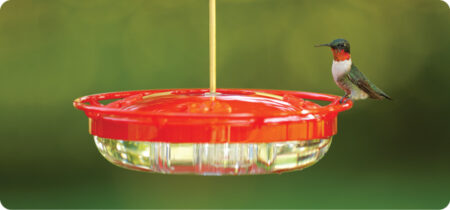
To further enhance the experience of observing these intricate feeding behaviors, specialized feeders have been developed. Feeders with clear plastic bases, such as those offered by Wild Birds Unlimited (WBU), provide an unobstructed view of the hummingbird’s head and tongue. This allows observers to witness the rapid lapping action up close, transforming a simple act of feeding into a captivating spectacle of biological engineering. Similarly, WBU Window Hummingbird Feeders are designed to be mounted directly on windows, bringing the birds within inches of the viewer and offering an unparalleled perspective on their feeding techniques and daily activities.
The Broader Ecological Significance
Hummingbirds are not just a source of aesthetic pleasure; they play a critical role in their ecosystems. As highly efficient pollinators, they are vital for the reproduction of numerous plant species. Their specialized diets, primarily nectar, are supplemented with small insects and spiders, which provide essential protein, fats, and micronutrients. These insects are often caught in mid-air or gleaned from foliage. This dual role as nectar consumers and insectivores makes them integral to the health and balance of their habitats.
The conservation of hummingbird populations is therefore of significant ecological importance. Factors such as habitat loss, pesticide use, and climate change can pose threats to their migratory routes and breeding grounds. Efforts to create and maintain suitable habitats, both in natural areas and in backyard gardens, contribute directly to their survival. Supporting organizations dedicated to bird conservation and adopting environmentally friendly practices in our own communities are crucial steps in ensuring that future generations can continue to experience the wonder of hummingbirds.
Expert Insights and Further Exploration
For those seeking to deepen their understanding and appreciation of hummingbirds, various resources are available. The WBU Nature Centered Podcast, for instance, features episodes dedicated to these fascinating birds. The episode "Hooray for Hummingbirds," hosted by John and Brian, offers entertaining and informative insights into attracting and observing hummingbirds, providing practical advice for enthusiasts. Such resources aim to foster a greater connection with nature and equip individuals with the knowledge to become better stewards of the avian world.
The dedication of organizations like Wild Birds Unlimited, with its extensive network of specialty stores and commitment to education, underscores the growing public interest in backyard birding and nature engagement. By offering expert advice, quality products, and educational programming, these entities empower individuals to actively participate in conservation efforts and enrich their lives through the observation of wildlife. The continued success of such initiatives depends on the collective desire of people to connect with the natural world and to ensure its preservation for the future. The enduring appeal of hummingbirds, from their spectacular migrations to their intricate feeding habits, serves as a powerful reminder of the beauty and resilience of nature, and the profound rewards that come from patiently observing and supporting it.
