
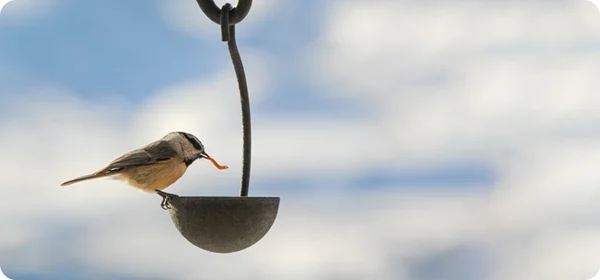
In a delightful twist on traditional Mother’s Day gifting, a recent advisory from Wild Birds Unlimited (WBU) is encouraging consumers to consider a rather unconventional present for the mothers in their lives: bugs for birds. This suggestion, while initially sounding peculiar, is rooted in the fundamental biological needs of avian populations, particularly during the critical spring and early summer months. WBU, a prominent retailer specializing in backyard bird feeding and nature products, highlights that providing insect-based food sources for birds can significantly enhance the bird-watching experience for mothers and create a more vibrant ecosystem in their backyards.
The Nutritional Imperative: Why Birds Need Bugs
The advisory from Wild Birds Unlimited centers on a crucial period in the avian life cycle: nesting and migration. May, often celebrated as a month of renewal and growth, is also the peak nesting season for a vast array of bird species. During this time, parent birds are tasked with the immense responsibility of feeding their rapidly growing offspring. For virtually all songbirds, insects form the cornerstone of their young’s diet. This protein-rich food source is indispensable for the development of feathers, bones, and overall health in fledglings.
"Virtually every bird feeds their young a diet of insects for weeks," the advisory states, underscoring the critical role of invertebrates in avian reproduction. By offering feeders supplemented with insect-based foods, such as dried or live mealworms, homeowners can directly contribute to the survival and success of local bird populations. This is not merely about providing a meal; it’s about supporting the continuation of species by mimicking natural food availability.
Beyond the immediate needs of nesting birds, the spring months also witness the monumental phenomenon of bird migration. Millions of songbirds undertake arduous journeys, often spanning thousands of miles, to reach their breeding grounds. Insects are a primary source of the high-fat, high-energy fuel required to sustain these demanding flights. Migratory species like warblers, vireos, thrushes, and tanagers rely heavily on abundant insect populations during their stopovers to refuel and continue their epic voyages.
Enhancing the Backyard Birding Experience for Mothers
The WBU advisory cleverly links the ecological needs of birds to the potential joy they can bring to mothers. The sight of a greater variety of songbirds, particularly those that are less common or more elusive, can be a source of immense pleasure. By creating an environment that attracts these insectivorous birds, individuals can offer their mothers a front-row seat to nature’s spectacle.
"Consider the joy that your own mom will get at her first sighting of warblers, vireos, thrushes and tanagers in her own backyard," the advisory suggests, painting a picture of a serene and engaging Mother’s Day experience. The act of bird-watching can be a deeply relaxing and rewarding pastime, offering a connection to the natural world that is increasingly valued in our fast-paced lives. For mothers who appreciate nature, a yard teeming with diverse avian life, drawn by the availability of insects, can be a more thoughtful and enduring gift than many conventional options.
A Two-Pronged Approach to Attracting Insect-Loving Birds
Wild Birds Unlimited outlines a two-part strategy for ensuring a yard becomes a haven for insect-eating birds: cultivating native plants and supplementing natural food sources with specially designed bird feeders.
The Enduring Gift of Native Plants
The advisory champions the idea of giving "flowers for Mother’s Day," but with a significant distinction. Instead of the ephemeral beauty of a cut bouquet, WBU advocates for planting a variety of native flora. These plants, when established in a yard or even in containers, offer a continuous source of sustenance and habitat for a wide range of native insects.
Native plants are crucial because they have co-evolved with local insect populations. This intricate relationship means that these plants provide the specific nectar, pollen, seeds, and foliage that native insects require for survival and reproduction. In turn, these abundant insect populations become a readily available food source for birds. Examples of beneficial native plants often include milkweed for monarch butterflies, coneflowers for various pollinators, and oak trees, which can support hundreds of insect species.
The long-term benefits of native plantings extend beyond attracting birds. They contribute to local biodiversity, support pollinator populations, and can be more resilient and lower-maintenance than non-native species once established. The act of planting these flowers can also be a shared activity, offering a bonding experience for mothers and their families.
Supplementing Nature’s Bounty with Mealworms
Complementing the natural insect buffet provided by native plants, WBU strongly recommends supplementing bird feeders with insect-based foods, specifically mealworms. Mealworms, whether dried or live, are a highly palatable and nutritious treat for many bird species. They serve as a concentrated source of protein and fat, mimicking the nutritional value of natural insects.
"Mealworms are quite a treat and provide a stable supplement for birds that naturally eat native insects," the advisory explains. This supplementation is particularly effective during periods of high demand, such as nesting season and migration, when natural insect availability might fluctuate or be insufficient to meet the birds’ needs.
Wild Birds Unlimited offers a range of products designed to make this supplementation easy and effective for consumers. Their "Nesting SuperBlend®" is formulated with dried mealworms and is available in both loose seed blend and seed cylinder formats. The "Bug, Nut & Berry Cylinder®" is another product specifically designed to attract insect-eating birds. For those seeking the most direct and appealing option for birds, live mealworms are also available and are noted as being "especially effective in attracting songbirds to your feeders."

The Science Behind the Suggestion: Data and Observations
The rationale behind WBU’s suggestion is supported by ecological research and decades of backyard bird feeding observations. Studies on bird nutrition consistently highlight the importance of protein for egg production, chick development, and adult energy levels. Insects, being rich in protein, amino acids, and essential fats, are a preferred food source for many species during breeding seasons.
For instance, research published in ornithological journals has documented the dietary shifts of parent birds when feeding young. Species that consume seeds or nectar as adults often switch to a predominantly insectivorous diet when caring for their offspring. This dietary flexibility underscores the critical role of insect availability in reproductive success.
Furthermore, data from citizen science projects, such as the Cornell Lab of Ornithology’s eBird and Project FeederWatch, consistently show correlations between increased insect availability and higher bird diversity and abundance at feeding stations. Birders who actively provide insect-based foods often report observing a wider array of species and more successful nesting attempts in their yards. This anecdotal evidence, when aggregated and analyzed, provides a strong foundation for WBU’s recommendations.
Background and Context: Mother’s Day and Nature Appreciation
Mother’s Day, celebrated annually on the second Sunday in May in the United States and many other countries, has evolved from a day of honoring mothers to encompass a broader appreciation for nurturing figures and the importance of family. While traditional gifts often include flowers, chocolates, and jewelry, there has been a growing trend towards more experiential and meaningful gifts that align with recipients’ interests and values.
For individuals who appreciate nature, gardening, or wildlife, gifts that enhance these passions are increasingly sought after. Wild Birds Unlimited, a company deeply embedded in the world of backyard nature, is adept at tapping into this sentiment. Their suggestion to "give mom bugs for birds" is a clever marketing strategy that leverages the growing interest in ecological stewardship and the simple joys of observing wildlife.
The company’s history dates back to 1981, when founder Jim Carpenter opened the first Wild Birds Unlimited store in Smithfield, Rhode Island. The company’s mission has always been to bring people and nature together, emphasizing education and conservation alongside retail. This has fostered a community of bird enthusiasts who are invested in the well-being of their local ecosystems.
Official Responses and Expert Opinions
While the initial article is from WBU Inc., the concept of feeding birds insects for their nutritional benefit is widely endorsed by ornithologists and wildlife conservation organizations.
Dr. Thomas E. Martin, a renowned avian ecologist and author, has often spoken about the critical role of insect availability for bird populations. He emphasizes that while feeders can provide supplemental nutrition, the health of the broader ecosystem, including a robust insect population, is paramount for long-term bird survival. "Providing habitat that supports natural insect populations is as crucial as filling a feeder," Dr. Martin has stated in various forums. "When we plant native species, we’re essentially creating a living buffet that sustains birds year-round, but especially during the demanding nesting and migration periods."
Similarly, organizations like the National Audubon Society advocate for planting native gardens as a primary means of supporting bird populations. Their campaigns often highlight the interconnectedness of plants, insects, and birds, underscoring that the most effective way to help birds is to create environments that provide them with their natural food sources.
Broader Impact and Implications: Beyond the Gift
The suggestion to "give mom bugs for birds" extends beyond a simple Mother’s Day gift idea; it represents a broader shift in how people can engage with and contribute to the natural world around them. By encouraging the provision of insect-based food and the planting of native flora, Wild Birds Unlimited is promoting actions that have tangible positive impacts on local biodiversity.
Ecological Benefits:
- Increased Fledgling Survival Rates: A consistent supply of insects ensures that young birds receive the essential nutrients needed for healthy growth and development, leading to higher survival rates.
- Support for Migratory Birds: Providing readily available insect-based foods offers critical refueling stops for migratory birds, aiding their arduous journeys.
- Enhanced Pollinator Activity: Native plants that attract insects also serve as vital habitats and food sources for bees, butterflies, and other pollinators, contributing to the health of local ecosystems.
- Greater Bird Diversity: Yards that offer a variety of food sources, including insects, are more likely to attract a wider range of bird species, enhancing the overall biodiversity of the area.
Human Benefits:
- Enriching Nature Observation: The presence of more birds and diverse species can significantly enhance the enjoyment of bird-watching, offering a calming and engaging pastime.
- Educational Opportunities: This approach provides excellent opportunities for families to learn about the natural world, the importance of ecosystems, and the role of insects and birds.
- Promoting Sustainable Practices: Encouraging the use of native plants and natural food sources aligns with broader environmental conservation efforts and promotes sustainable living.
The implications of this seemingly simple suggestion are far-reaching. It encourages a deeper understanding of ecological relationships and empowers individuals to become active participants in conservation. By transforming a commercial gift-giving occasion into an opportunity for ecological support, WBU is fostering a more conscious and connected approach to enjoying nature. The act of providing "bugs for birds" is not just about feeding wildlife; it’s about nurturing a healthier planet and creating more vibrant, living landscapes for everyone to enjoy, especially during moments of celebration.
