
In a groundbreaking move to secure the ecological future of Bolivia’s vital Tunari National Park, Asociación Armonía, a leading conservation partner, is spearheading the development of a pioneering Payment for Ecosystem Services (PES) mechanism. This initiative seeks to channel long-term, sustainable financial resources into the park, safeguarding its critical Kewiña forests, unique biodiversity, and the essential water supply for over one million residents of the Cochabamba metropolitan region. The project, supported by the Forest Impact Accelerator, represents a significant paradigm shift in conservation strategy, moving away from short-term project-based funding towards a durable, community-led, and financially self-sustaining model.
Tunari National Park: A Jewel in the Andes Under Threat
Nestled high on the southern slopes of the Bolivian Andes, Tunari National Park stands as a biodiversity hotspot and a critical hydrological regulator. Established in 1962, the park spans over 3,000 square kilometers across several ecological zones, from inter-Andean dry valleys to high-Andean grasslands and glacial peaks. Its most invaluable asset, however, is its ancient Kewiña forest. These high-altitude native forests, primarily composed of species from the Polylepis genus, are remarkably resilient yet incredibly fragile, clinging to steep Andean ridges at elevations often exceeding 3,500 meters above sea level. Tunari is home to more than 80% of Bolivia’s remaining ancient Kewiña forests, making its preservation paramount for national ecological health.

These forests perform indispensable ecosystem services. They are crucial for stabilizing steep slopes, preventing soil erosion and landslides that can devastate communities downstream. They act as natural sponges, regulating water flows by capturing atmospheric moisture, recharging groundwater, and ensuring a steady supply of freshwater to the valleys below. This hydrological function is particularly critical for the Cochabamba metropolitan region, where the park’s watershed directly supplies drinking water and irrigation for agricultural activities that sustain a population exceeding one million people.
Beyond their physical and hydrological roles, Kewiña forests are biological treasures. Their unique, often gnarled and moss-covered trees create microclimates that support an array of endemic wildlife found nowhere else on Earth. Among these is the Near Threatened Cochabamba Mountain-finch (Poospiza garleppi), a small, distinctive passerine bird whose survival is inextricably linked to the health and extent of these high-Andean woodlands. Other species, including various hummingbirds, amphibians, and specialized plant life, also rely on these fragile ecosystems, highlighting their irreplaceable value for global biodiversity.
Despite its protected status and immense ecological significance, Tunari National Park has faced relentless pressure for decades. The park’s boundaries are constantly challenged by human activities, including agricultural expansion, illegal logging, and the encroachment of urban settlements from the rapidly growing Cochabamba region. Wildfires, often deliberately set for land clearing or accidentally started, frequently ravage vast tracts of forest, destroying precious habitat and exacerbating erosion. These pressures have not only degraded the environment but have also historically led to tense and often adversarial relationships between the park’s managing authorities and the communities residing within or adjacent to its borders. This dynamic has made effective, long-term conservation efforts exceptionally difficult, with many initiatives faltering due to a lack of sustained community buy-in and financial resources.
A New Era of Collaboration and Sustainable Finance

Today, however, a profound shift is underway within Tunari National Park, marking a new chapter of hope for its future. Through the dedicated efforts of Asociación Armonía and the active participation of local communities, a collaborative model of conservation is emerging. This involves not only direct ecological restoration but also a fundamental rethinking of how such vital natural assets are valued and financed. The cornerstone of this new approach is the innovative Payment for Ecosystem Services (PES) mechanism, designed to provide a stable, long-term financial foundation for the park’s protection.
Asociación Armonía, a long-standing Bolivian conservation organization with a strong track record in species and habitat protection, is at the forefront of this transformation. Their work is significantly bolstered by support from the Forest Impact Accelerator, an initiative of BirdLife International designed to scale up forest conservation efforts globally. Since its inception in 2020, the Accelerator has provided critical technical and financial guidance to projects like Tunari, focusing on sustainable financing solutions.
Tangible Progress on the Ground
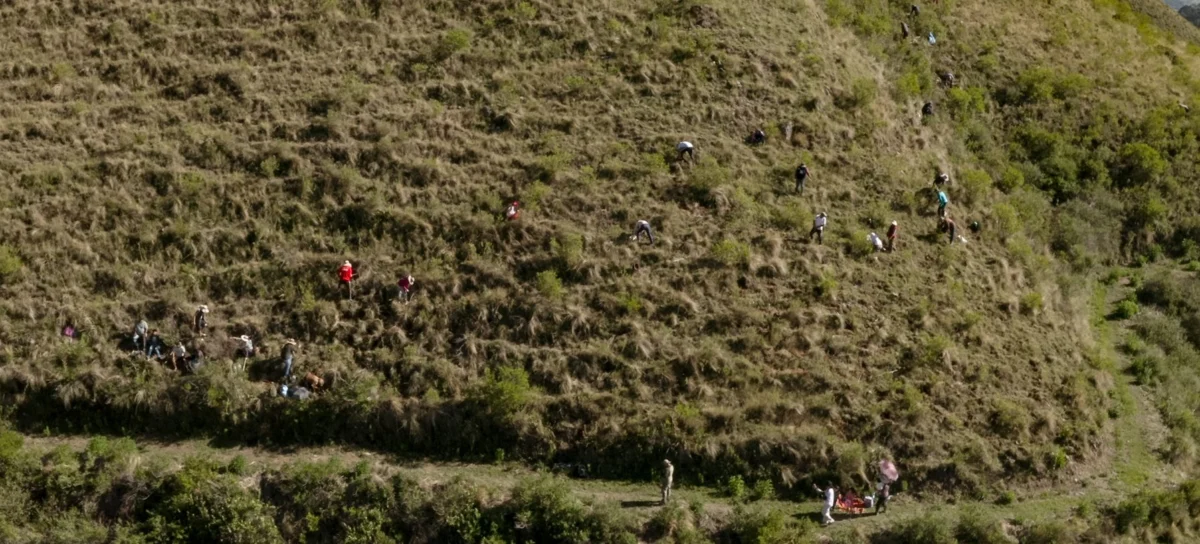
Over the past several years, Armonía and the local communities have achieved remarkable progress in restoring degraded areas of the Tunari protected area. These efforts extend beyond simple tree planting, encompassing a holistic approach to watershed management and community empowerment. To date, a staggering 1.25 million trees have been planted, with over half of these concentrated in the Tiquipaya municipality, one of the areas most impacted by deforestation and water scarcity. This massive reforestation effort is revitalizing landscapes, enhancing soil stability, and beginning to restore the natural hydrological cycle.

Crucially, the initiative has focused on building local capacity and fostering community leadership. Wildfire brigades within the communities have been strengthened and equipped, enabling rapid response to outbreaks and significantly reducing the destructive impact of fires. New reservoirs have been constructed, improving water security for communities and agricultural activities, demonstrating immediate benefits derived from conservation efforts. Perhaps most importantly, new systems have been created to ensure meaningful community participation in watershed management decisions, effectively rebuilding trust and fostering a sense of shared ownership between residents, park authorities, and conservation organizations.
A pivotal achievement in this process has been the strengthening of the Organismo de Gestión de Cuencas (OGC), a watershed governance body. The OGC plays a vital role in coordinating restoration activities, designing sustainable development strategies for communities living within the park, and mediating between diverse stakeholders. This multi-stakeholder platform ensures that local voices are heard and that conservation efforts are aligned with community needs and aspirations. Significantly, women leaders have emerged as powerful agents of change within this framework, bringing invaluable traditional knowledge, organizational skills, and a strong commitment to sustainable resource management, thereby ensuring a more inclusive and equitable approach to conservation.
Despite these successes, a fundamental challenge persists: the mismatch between the long-term nature of ecological restoration—which often takes decades to yield full results—and the typically short-term cycles of most conservation funding. Without stable, predictable, and long-term financing, the gains made through immense effort risk being unsustainable. This critical realization underscored the urgent need for an innovative financial mechanism like PES.
The Payment for Ecosystem Services (PES) Model for Tunari

The proposed PES mechanism for Tunari National Park is designed to bridge this funding gap, creating a self-sustaining financial model that directly links the beneficiaries of ecosystem services with the custodians of those services. The concept is elegantly simple: communities residing in the upper watershed, who actively protect and restore the forests, provide essential services such as water regulation, erosion control, and biodiversity conservation. Downstream urban users and other beneficiaries who rely on these services would contribute financially to support this vital stewardship.
The mechanism would operate by collecting small, regular contributions, likely through surcharges on water bills or direct payments from municipalities and businesses, which would then be directed into a transparent trust fund. This fund would be managed by an independent governance body, ensuring accountability and efficient allocation of resources. This structure is designed to depoliticize funding, insulate it from short-term political cycles, and ensure that funds are consistently available for conservation activities.
The resources generated by the PES mechanism would be strategically invested in three main areas:
- Direct Forest Restoration and Reforestation: This includes funding for tree nurseries, planting campaigns involving local communities, ongoing maintenance of planted areas, and monitoring the health and growth of the restored forests. This ensures the continuous expansion and health of the Kewiña ecosystems.
- Sustainable Livelihood Development for Communities: Acknowledging the socio-economic needs of local residents, a portion of the funds would support sustainable income-generating activities. This could include agroforestry projects, development of ecotourism initiatives, sustainable agriculture practices that reduce pressure on natural resources, and the creation of value chains for sustainably harvested non-timber forest products. By providing economic alternatives, the PES mechanism helps alleviate poverty and reduces the incentive for environmentally damaging practices.
- Capacity Building, Monitoring, and Adaptive Management: Investment in training for community wildfire brigades, park rangers, and OGC members is crucial for effective park management. This also includes funding for ecological monitoring programs to track biodiversity health, water quality, and forest regeneration. Furthermore, resources would be allocated for research and adaptive management strategies, allowing the program to respond to new challenges and optimize conservation outcomes based on scientific data.
For the communities living within and around the park, this system offers formal recognition of their invaluable role as custodians of the watershed. It provides a tangible, long-term incentive for conservation, directly linking their well-being to the health of the forest. For urban residents of Cochabamba, it offers a practical and equitable way to contribute directly to the security of their water supply, fostering a sense of shared responsibility. For public and private partners, it creates a transparent, credible, and efficient structure for long-term investment in landscape restoration, ensuring that their contributions yield lasting environmental and social returns. Once fully implemented and operational, the PES mechanism could generate an estimated £3 million per year, providing a robust and enduring financial backbone for Tunari’s protection and restoration efforts.

Designing and Implementing the Mechanism
The journey to establish this PES mechanism has been meticulous and collaborative. Over the past two years, Armonía has worked extensively with the seven municipalities of the Cochabamba metropolitan area, local communities, and various regional institutions. This process involved comprehensive studies, environmental assessments, and extensive consultations to gauge public opinion and build consensus. A key finding from these consultations was the widespread recognition among urban residents that protecting the high-Andean forests is directly and intrinsically linked to their own water security. This understanding has been crucial in garnering support for the PES concept.
Based on these encouraging results and the broad stakeholder buy-in, Armonía and its partners are now actively developing the framework for a regional trust fund that will manage the PES contributions. This involves intricate legal, financial, and institutional design work to ensure the fund’s transparency, accountability, and long-term viability.
Beyond the financial architecture, building robust governance institutions is paramount. With the continued support of the Forest Impact Accelerator, Armonía is assisting communities in developing ten-year sustainable development strategies. These comprehensive plans identify specific restoration priorities tailored to local ecological conditions and outline diverse income opportunities that align with conservation goals. A multi-stakeholder platform, drawing representatives from communities, municipalities, government agencies, and civil society organizations, will be established to oversee the entire initiative, guiding strategic decisions and ensuring equitable benefit sharing. Concurrently, the park administration is receiving targeted support to strengthen its monitoring capabilities, enhance wildfire prevention protocols, and improve overall coordination with local communities and other stakeholders.

A Blueprint for Sustainable Conservation
The work underway in Tunari National Park transcends mere tree planting; it represents a pioneering effort to construct a durable, integrated system that harmonizes ecological restoration, empowers local communities through leadership, and secures long-term financing. This model seeks to transform how the Tunari watershed is managed, moving away from the precarious reliance on intermittent, short-term projects towards a locally supported, self-sustaining financial mechanism that consistently rewards environmental stewardship.
This initiative also serves as a powerful testament to the broader impact of the Forest Impact Accelerator. Since its launch in 2020, the Accelerator has run for five successful years, underpinned by the generous support of the Hempel Foundation, Waterloo Foundation, and the King Charles III Charitable Fund. Critically, it has also leveraged £6 million of additional funding sourced in collaboration with its partners. To date, the Accelerator has positively impacted over 1 million hectares, improved protection for 400 threatened species, and directly benefited 38,000 local people across its various projects. The recent award of a significant Darwin Initiative Extra grant, totaling £4,978,335, through the UK government’s Biodiversity Challenge Awards, is poised to dramatically expand these achievements. This funding will enable the Accelerator to secure 1 million additional hectares of Key Biodiversity Areas while generating economic benefits for an estimated 200,000 local people, demonstrating the scalability and global relevance of its approach.
Once fully operational, the Tunari PES mechanism will ensure the enduring protection and restoration of the ancient Kewiña forests—ecosystems that have sustained life in the central Andes for centuries. This comprehensive approach promises a future where both nature and human communities thrive in harmony, offering a compelling blueprint for integrated conservation and sustainable development that could inspire similar initiatives across the Andean region and beyond. The collaborative spirit, innovative financing, and unwavering commitment to community empowerment at the heart of the Tunari project signify a beacon of hope for biodiversity and climate resilience in a rapidly changing world.
