
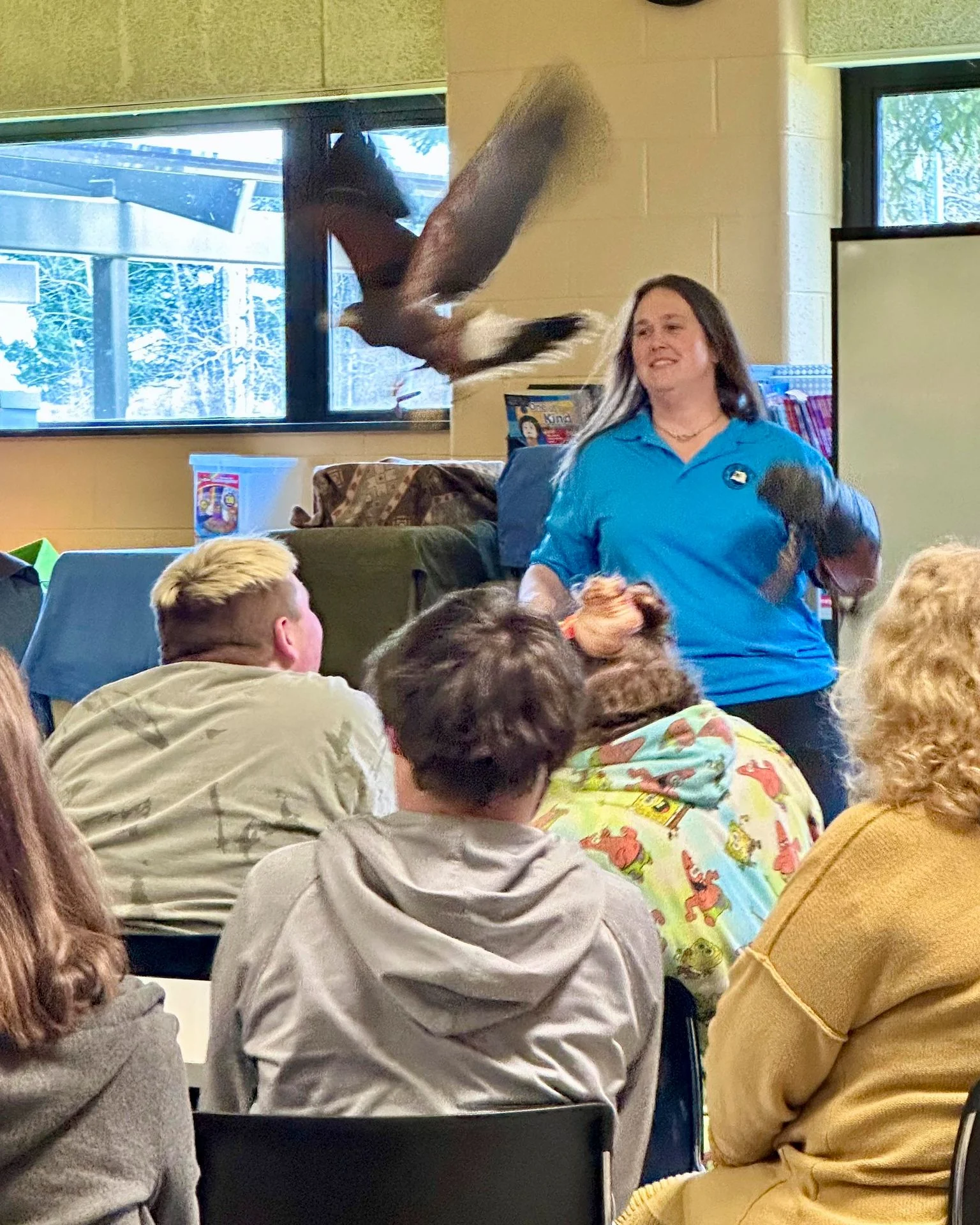
Students at the Hewes Educational Center recently experienced an immersive educational encounter with the natural world, courtesy of a captivating visit from the Hawk Creek Wildlife Center. This initiative underscores the center’s ongoing commitment to fostering a deeper understanding and appreciation for wildlife and conservation among younger generations. The program, designed to bring the intricacies of the animal kingdom to life, successfully engaged students of all ages through direct interaction with a diverse array of animals.
The educational outreach from Hawk Creek Wildlife Center is a cornerstone of their mission, which aims to "foster compassion, save species, and restore balance." Their approach goes beyond traditional classroom learning, offering hands-on experiences that are both memorable and impactful. By bringing live animals directly to educational institutions, they bypass the limitations of textbooks and digital media, providing students with a tangible connection to the creatures they study. This direct engagement is crucial for developing empathy and a sense of responsibility towards the environment.
During their visit to Hewes Educational Center, two experienced wildlife naturalists from Hawk Creek presented a carefully curated selection of animals. The lineup included majestic raptors, fascinating mammals, and intriguing snakes. Each animal was introduced with a wealth of information, detailing its specific natural habitat, unique behaviors, and ecological role. The naturalists skillfully adapted their presentations to suit the age and comprehension levels of the diverse student body, ensuring that the educational content was both accessible and engaging. This tailored approach allows for a more profound learning experience, where students can ask questions, observe behaviors up close, and absorb information in a dynamic setting.
A particularly exhilarating moment for the students, as reported, was when a raptor demonstratively soared directly overhead. Such an event serves as a powerful, visceral reminder of the animal’s natural capabilities and the wildness that Hawk Creek strives to preserve. These "wow" moments are often the catalysts for lasting interest and curiosity in wildlife, sparking questions that can lead to further exploration and learning. This direct interaction with a powerful bird of prey in flight is a far cry from static images or video clips, offering a raw and awe-inspiring glimpse into the natural world.
The visit is part of a broader strategy by Hawk Creek Wildlife Center to integrate environmental education into the school curriculum. In an era where human activity increasingly impacts natural ecosystems, such programs are vital for cultivating a generation of environmentally conscious citizens. The center’s philosophy emphasizes that education is a critical component of conservation. By understanding the challenges faced by various species, from habitat loss to climate change, students are empowered to become advocates for wildlife protection.
Background and Chronology of Educational Outreach
Hawk Creek Wildlife Center has been a dedicated provider of wildlife education for many years, operating with the fundamental belief that firsthand experience with animals fosters a deep respect for nature. Their programs are meticulously developed to align with educational standards, while also emphasizing the importance of ethical wildlife encounters. The center typically partners with schools, libraries, and community organizations to deliver these impactful educational experiences.

The visit to Hewes Educational Center can be placed within the context of the academic year, likely occurring during a period dedicated to science, biology, or environmental studies. Such visits are often scheduled well in advance, with careful planning to ensure the animals’ welfare and the educational objectives are met. The preparation likely involved coordination between the school administration, teachers, and the Hawk Creek team to determine the most effective way to integrate the program into the students’ learning schedule.
Supporting Data and Educational Impact
The effectiveness of experiential learning, particularly with live animals, is well-documented. Studies in educational psychology consistently show that interactive and engaging learning methods lead to improved retention and a more profound understanding of complex concepts. For wildlife education, this translates into a greater appreciation for biodiversity, ecological interconnectedness, and the urgent need for conservation efforts.
Hawk Creek Wildlife Center’s approach is data-informed. They often track student engagement levels, the types of questions asked, and post-visit feedback to continually refine their educational offerings. While specific data from this particular visit to Hewes Educational Center is not publicly detailed in the provided content, the general impact of such programs can be inferred from the center’s overall mission and the positive nature of the reported experience. The inclusion of raptors, mammals, and snakes allows for the exploration of diverse ecological niches and the unique adaptations that allow these animals to thrive. For instance, discussions about raptors could delve into their specialized vision, predatory behaviors, and crucial role in controlling rodent populations. Mammals might showcase a range of adaptations from camouflage to complex social structures, while snakes could illustrate the often-misunderstood importance of reptiles in maintaining ecosystem balance.
Broader Implications and Conservation Efforts
The visit by Hawk Creek Wildlife Center to Hewes Educational Center is more than just an engaging school event; it represents a crucial investment in future conservation. By instilling a love and understanding of wildlife in young people, the center is cultivating a new generation of environmental stewards. These students, exposed to the realities of wildlife and the importance of their habitats, are more likely to make informed decisions throughout their lives that benefit the natural world.
The implications extend beyond individual students. These educational encounters can ripple through families and communities. A child excited about a wildlife program at school often shares their newfound knowledge and enthusiasm with their parents and peers, thereby amplifying the message of conservation. This grassroots approach to environmental awareness is invaluable in building a broader societal commitment to protecting biodiversity.
Furthermore, organizations like Hawk Creek Wildlife Center play a vital role in rehabilitating injured or orphaned wildlife. Their educational programs are often funded in part by donations, and the success of these programs can inspire further support for their rehabilitation efforts. The more people understand the challenges wildlife faces, the more likely they are to contribute to solutions, whether through direct donations, volunteering, or advocating for conservation policies.

Official Responses and Community Engagement
While the provided text does not include direct quotes from school officials or parents at Hewes Educational Center, the nature of the report suggests a positive reception. Educational institutions typically seek out such programs to enrich their curriculum and provide students with unique learning opportunities. The fact that Hawk Creek Wildlife Center was invited indicates a recognized value in their services.
The "Share This Story, Choose Your Platform!" prompt within the original content suggests a proactive approach by Hawk Creek to engage their wider community and supporters. By encouraging the sharing of their outreach activities, they aim to raise awareness about their work and the importance of wildlife education. This also serves as a testament to the success of their programs, as they are eager to showcase the positive impact they are having.
The presence of an "About the Author" section, attributing the post to "Amanda," indicates a dedicated communications effort by Hawk Creek Wildlife Center. This author likely works for the organization and is responsible for documenting and disseminating their outreach activities, further reinforcing their commitment to transparency and engagement.
Analysis of Implications and Future Outlook
The continued partnership between educational institutions and wildlife centers like Hawk Creek is essential for addressing the multifaceted challenges of conservation in the 21st century. As urbanization expands and natural habitats shrink, the disconnect between humans and the natural world can widen, making educational initiatives even more critical.
The success of programs like the one at Hewes Educational Center demonstrates a clear demand for engaging, science-based educational experiences. As technology advances, there’s a risk of children becoming more isolated in virtual worlds, making real-world interactions with nature and wildlife even more precious. Hawk Creek’s ability to bring the "natural world to life" is therefore a valuable service.
Looking forward, the impact of such visits can be measured not only by immediate student engagement but also by long-term behavioral changes and increased participation in conservation activities. The seeds of environmental stewardship planted during these educational encounters have the potential to grow into lifelong commitments to protecting our planet’s diverse inhabitants. The explicit mention of "fostering compassion" in the center’s tagline is particularly noteworthy, as compassion is often the driving force behind sustained conservation efforts. By nurturing this quality in young minds, Hawk Creek Wildlife Center is contributing to a more empathetic and sustainable future for all species.
