
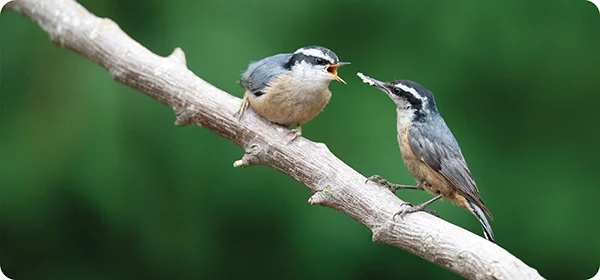
The arrival of young birds in backyards, signaled by their tentative chirps and clumsy movements, represents a profound source of natural delight for many individuals. This phenomenon, observed annually, underscores the vital role human-provided resources play in avian survival and reproductive success. From the first tentative flights of bluebirds to the persistent begging of fledgling chickadees and goldfinches, the sights and sounds of these new generations entering the world offer a tangible connection to the natural world, enriching the lives of observers and contributing to ecological balance. This article delves into the science behind why supporting nesting birds through thoughtful provision of food and shelter significantly enhances their well-being and explores the broader implications for backyard ecosystems.
The Scientific Basis of Enhanced Avian Reproduction
Research consistently demonstrates that the availability of reliable food sources, such as those provided by backyard bird feeders, has a quantifiable positive impact on avian reproductive cycles. Studies, including those conducted by ornithological research institutions and analyzed by organizations like Wild Birds Unlimited, indicate that birds with consistent access to feeders tend to initiate their nesting activities earlier in the season. This earlier breeding is a critical advantage. It allows these broods to emerge when environmental conditions are often more favorable, such as milder weather and a greater abundance of insect prey, leading to reduced competition from other broods and, consequently, higher rates of survival and fledging success.
Furthermore, the energy saved by not having to expend as much time and effort foraging for sustenance allows breeding female birds to dedicate more resources to crucial reproductive tasks. This includes selecting optimal nesting sites, often characterized by better protection from predators and the elements, and constructing more robust and well-insulated nests. The increased time available also translates into enhanced parental vigilance. With less pressure to constantly search for food, adult birds can devote more attention to defending their nests, eggs, and vulnerable young from a variety of threats, including predators and inclement weather.
The nutritional benefits derived from supplemental feeding are equally significant. When abundant, high-quality food is readily accessible, parent birds are empowered to broaden their foraging efforts. This enables them to seek out a more diverse range of natural food sources, ensuring their offspring receive a comprehensive spectrum of nutrients essential for rapid growth and development. Scientific literature suggests that this improved nutrition can lead to a reduction in aggression among nest siblings, as competition for food within the nest is lessened. This, in turn, promotes more uniform growth rates and increases the overall health and vigor of the fledglings. For instance, studies on species like the Great Tit (Parus major) have shown a direct correlation between parental access to supplementary food and improved chick condition, including higher body mass and faster feather development.
Beyond Food: The Importance of Shelter and Habitat
While abundant and nutritious food is a cornerstone of successful nesting, it is by no means the sole determinant of avian reproductive success. The provision of appropriate nesting structures, such as properly designed and installed nesting boxes, plays an equally vital role, particularly in regions experiencing unpredictable weather patterns. During periods of extreme cold and dampness, a well-constructed nesting box can offer critical insulation and protection, shielding vulnerable eggs and chicks from potentially lethal environmental conditions. The dimensions, entrance hole size, and ventilation of these boxes are carefully calibrated to suit specific species, maximizing their utility and safety. For example, bluebirds often thrive in boxes with specific dimensions and entrance hole sizes that deter larger, more aggressive species like European Starlings.
Equally indispensable is the quality and composition of the yard’s natural habitat. Contrary to the notion that pristine, immaculately groomed yards are ideal for wildlife, birds often require a degree of "messiness" to access essential nesting materials and food resources. Uncut grass can harbor insects, fallen leaves provide insulation, and undisturbed brush piles offer shelter and foraging opportunities. Furthermore, the strategic planting of native trees, shrubs, and wildflowers is paramount. These indigenous plants not only provide natural nesting spaces, offering branches, cavities, and dense foliage for concealment, but also serve as vital sources of insects, seeds, berries, and nectar that are crucial for supporting avian diets throughout the nesting season. For instance, a study published in the Journal of Applied Ecology highlighted that yards with a greater diversity of native plant species supported a significantly higher abundance and variety of breeding birds.
Specialized Nutritional Support for Nesting Families
Recognizing the specific dietary needs of nesting birds, Wild Birds Unlimited has developed specialized products designed to provide essential nutrients. Their Nesting SuperBlend, for example, is formulated with a high-protein and calcium content crucial for egg production, chick development, and post-fledging nourishment. This blend typically incorporates ingredients such as sunflower chips, peanuts, mealworms (a rich source of protein), Bark Butter Bits, Nutrasaff, tree nuts, and calcium. Mealworms, in particular, are a favored food for many cavity-nesting birds, as they are easily digestible and packed with essential amino acids. Calcium is vital for females to form eggshells and for the skeletal development of chicks. Bark Butter, a high-energy suet-based food, also offers a concentrated source of fat and protein, beneficial for both parent birds and their rapidly growing young.
The timing of feeding is also an important consideration. Providing these specialized foods from early spring, when birds are beginning to scout for nesting sites and initiate courtship, through the summer months when young are actively being fed, can significantly bolster their chances of survival and reproductive success. This consistent support ensures that adult birds have the energy reserves to sustain their demanding nesting and brooding periods, thereby benefiting the entire avian population within the local environment.
The Broader Impact and Implications for Backyard Ecosystems
The act of supporting nesting birds extends beyond the immediate joy and satisfaction derived from observing their life cycles. It fosters a more resilient and vibrant backyard ecosystem. By providing reliable food and shelter, individuals contribute to the health and stability of local bird populations, which in turn play crucial roles in natural pest control, seed dispersal, and pollination. The presence of a thriving bird community can also indicate the overall health of the local environment, serving as a bioindicator of ecological well-being.
The practice also serves as a powerful educational tool, particularly for younger generations. Observing the intricate behaviors of nesting birds—from the construction of elaborate nests to the diligent feeding of hungry chicks—offers invaluable lessons in ecology, biology, and the interconnectedness of life. This hands-on engagement with nature can cultivate a lifelong appreciation for wildlife and a commitment to conservation.

Moreover, the insights gained from these observations can inform broader conservation efforts. Understanding the specific needs of different bird species, such as their preferred nesting materials, dietary requirements, and habitat preferences, can guide land management practices and habitat restoration initiatives at larger scales. The cumulative effect of individual backyards acting as supportive habitats can create important ecological corridors and refuges for birds, especially in increasingly urbanized landscapes.
The implications of actively supporting nesting birds are far-reaching. They contribute to the perpetuation of avian biodiversity, enhance the ecological services provided by birds, and foster a deeper human connection with the natural world. The simple act of placing a bird feeder or a nesting box, coupled with a mindful approach to habitat management, becomes an investment in the health of our planet and a source of profound, enduring joy.
A Chronology of the Nesting Season and Human Support
The annual cycle of bird nesting and the opportunities for human support can be broadly categorized into distinct phases:
Early Spring (Late February – April): This period marks the commencement of the nesting season for many species. Birds begin to migrate back to their breeding grounds, establish territories, and seek mates.
- Human Support Focus: Begin offering high-energy foods like suet and specialized seed blends rich in protein and fat to provide birds with the necessary reserves for courtship, nest building, and egg laying. Ensure feeders are clean and well-stocked. Install or clean nesting boxes. Plant native shrubs and trees that will provide early nesting sites and attract insects.
Late Spring (May – June): This is typically the peak of the nesting season for many common backyard birds. Courtship rituals are complete, eggs are laid, and incubation begins. Young hatch and require constant feeding.
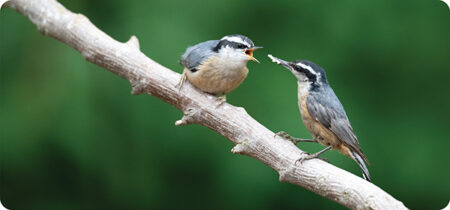
- Human Support Focus: Continue providing high-protein foods. Supplement with insects, such as mealworms, which are particularly beneficial for feeding nestlings. Ensure a consistent water source is available, as hydration is critical. Monitor nesting boxes for activity and avoid disturbing nesting sites.
Mid-Summer (July – August): Young birds are fledging and learning to fly and forage independently. Parent birds continue to feed them and may begin a second brood.
- Human Support Focus: Maintain food availability as fledglings are often less efficient foragers than adults. Continue offering water. Keep feeders clean to prevent the spread of disease. Consider planting late-blooming native flowers that provide nectar and attract insects for foraging.
Late Summer/Early Autumn (September – October): Many parent birds cease active nesting and begin their post-breeding molt. Some species may still be feeding late broods or preparing for migration.
- Human Support Focus: Continue providing a variety of seeds and suet to support birds preparing for migration or the leaner winter months. This is also a good time to clean and store unused nesting boxes and feeders until the following season. Evaluate the success of habitat improvements and plan for future plantings.
This chronological approach highlights how consistent and thoughtful support throughout the year can significantly enhance the survival and reproductive success of avian populations, creating a continuous cycle of nature’s wonders in our own backyards.
