
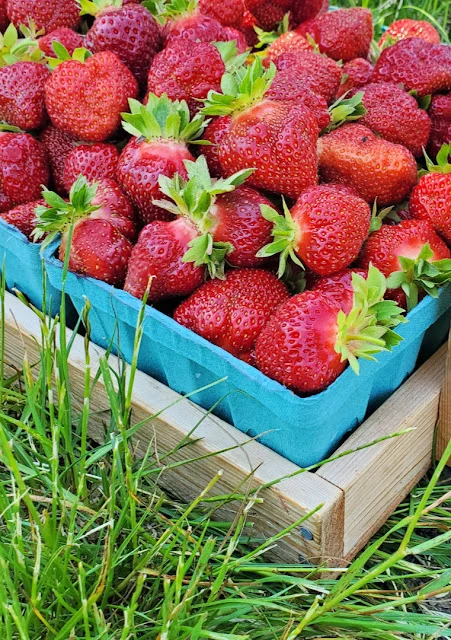
The integration of fresh produce into the diets of backyard poultry has become a central focus for flock owners seeking to optimize the health and productivity of their birds. Among the various fruits available, strawberries (Fragaria × ananassa) have emerged as a highly favored supplemental treat due to their dense nutrient profile and high palatability. While the primary diet of a domestic chicken should consist of a nutritionally balanced commercial feed, the strategic inclusion of strawberries can provide essential vitamins, minerals, and antioxidants that support long-term physiological health. Experts in avian nutrition emphasize that while these berries are beneficial, they must be administered within a strictly regulated framework to prevent digestive distress and nutritional imbalances.
The Nutritional Composition of Strawberries for Avian Health
Strawberries are classified as a nutrient-dense "superfood" in the context of supplemental poultry feeding. They are notably high in Vitamin C (ascorbic acid), Vitamin K, and Vitamin B6. In avian physiology, Vitamin C plays a critical role in stress management, particularly during periods of extreme heat or molting. Although chickens can synthesize their own Vitamin C, supplemental intake during environmental stressors can bolster the immune system and improve the bird’s ability to recover from illness or injury.
Vitamin K is essential for blood coagulation and bone metabolism, ensuring that hens maintain skeletal integrity even under the demands of daily egg production. Vitamin B6, or pyridoxine, is a vital coenzyme for the metabolism of proteins, fats, and carbohydrates, directly influencing the energy levels and growth rates of the flock.

Beyond vitamins, strawberries offer a robust mineral profile. They contain significant amounts of calcium, which is the primary component of eggshells. A deficiency in calcium can lead to thin-shelled eggs or skeletal demineralization in high-producing layers. Additionally, the presence of manganese, folate, and potassium supports various metabolic functions, including nerve signaling and fluid balance. The high water content of strawberries—approximately 91%—also makes them an excellent hydration tool during the summer months, helping birds regulate their body temperature through evaporative cooling.
The 10 Percent Rule: Balancing Treats and Essential Rations
A critical component of modern poultry management is the "10 percent rule," a guideline strictly observed by veterinary nutritionists. This rule dictates that treats, including healthy fruits like strawberries, should never exceed 10 percent of a chicken’s total daily caloric intake. The remaining 90 percent must be derived from a high-quality, complete poultry feed formulated for the specific age and purpose of the bird (e.g., layer pellets, broiler mash, or starter crumbles).
The reason for this strict ratio lies in the precise formulation of commercial feeds, which contain specific levels of methionine, lysine, and other essential amino acids that chickens cannot produce on their own. When a flock is overfed on treats, they may experience "dilution of nutrients," where they feel full but lack the necessary protein and minerals required for egg production and feather growth. For an average-sized laying hen, the recommended serving of strawberries is approximately one to two tablespoons per day. Exceeding this amount can lead to a caloric surplus and a deficiency in the protein-to-energy ratio.
Dietary Fiber and the Role of Anthocyanins
Strawberries are a significant source of dietary fiber, which aids in the movement of food through the avian digestive tract. However, the most notable components from a biochemical perspective are the antioxidants, specifically anthocyanins. These are the pigments responsible for the fruit’s vibrant red color. In chickens, antioxidants serve as a defense mechanism against oxidative stress, which occurs when free radicals damage cells.

By neutralizing these free radicals, the phytochemicals in strawberries can help prevent chronic inflammation and support the overall longevity of the flock. Research suggests that diets rich in antioxidants may also have a positive effect on the quality of the eggs produced, potentially increasing the yolk’s nutrient density and improving the shelf life of the eggs.
Utilization of the Entire Strawberry Plant
Unlike some garden plants that may have toxic components (such as the nightshade family, which includes tomatoes and potatoes), the entire strawberry plant is safe for chicken consumption. This includes the fruit, the green calyx (the "cap"), the stems, and the leaves. In fact, many poultry experts recommend feeding the entire plant to maximize nutritional intake and minimize waste.
The green tops of the strawberries are particularly valuable as they contain iron and tannins. Tannins are polyphenolic compounds that have been studied for their mild astringent properties, which can act as a natural digestive aid for poultry. The leaves and stems provide additional roughage, which encourages natural foraging behavior. Foraging is a vital aspect of avian welfare, as it reduces boredom and helps prevent negative behaviors such as feather pecking or egg eating within the coop.
Potential Risks: Fructose Levels and Digestive Health
Despite their many benefits, strawberries contain high levels of fructose, a natural fruit sugar. The digestive system of a chicken is highly efficient but can be sensitive to rapid changes in sugar intake. An excess of strawberries can lead to fermentation in the crop or a disruption of the gut microbiome, often manifesting as diarrhea.

Persistent diarrhea in poultry is a serious concern, as it can lead to dehydration, electrolyte imbalances, and "vent gleet," a fungal infection of the cloaca. To mitigate these risks, owners should monitor the consistency of the flock’s droppings after introducing strawberries. If the stools become excessively watery or discolored, the fruit intake should be immediately reduced or suspended. Furthermore, moldy or fermenting strawberries should never be fed to chickens, as they can contain mycotoxins or cause botulism, both of which can be fatal to birds.
Environmental and Chemical Considerations
When sourcing strawberries for a flock, the method of cultivation is a paramount safety concern. Strawberries consistently rank high on the "Dirty Dozen" list—a report by the Environmental Working Group (EWG) that identifies fruits and vegetables with the highest pesticide residues. The thin skin of the strawberry allows chemicals to penetrate the flesh, which can then be ingested by the chickens.
Long-term exposure to pesticides and herbicides in poultry has been linked to reproductive issues, weakened immune systems, and decreased egg production. To ensure the safety of the flock, owners are encouraged to:
- Thoroughly wash all store-bought berries under cold running water to remove surface residues.
- Prioritize the purchase of organic strawberries when possible.
- Utilize "pick-your-own" local farms where the use of chemical sprays is documented or minimized.
- Grow strawberries directly on the property, allowing the chickens to forage in the patches after the main harvest is complete.
Chronology of Integration: From Chick to Adult
The introduction of strawberries into a chicken’s diet should follow a specific timeline based on the bird’s developmental stage.

- 0–4 Weeks: Chicks should be fed exclusively on high-protein starter crumbles. Their digestive systems are too fragile for high-fiber or high-sugar treats.
- 5–10 Weeks: Small amounts of finely chopped strawberry tops can be introduced as the birds begin to transition to grower feed. This helps them develop a diverse gut flora.
- 18+ Weeks: Once the birds reach point-of-lay, strawberries can be integrated as a regular supplemental treat. At this stage, the calcium and Vitamin K in the berries provide the most benefit for eggshell development.
Broader Impact on Sustainable Poultry Management
The practice of feeding strawberries to chickens aligns with broader trends in sustainable agriculture and circular food systems. By redirecting fruit scraps—such as the tops removed during human food preparation—away from landfills and into the poultry run, owners can reduce waste and lower the overall cost of supplemental feeding. This "closed-loop" approach not only benefits the environment but also enhances the nutritional variety of the birds’ diet.
Furthermore, the presence of chickens in or near strawberry patches can provide a form of integrated pest management. Chickens naturally hunt for slugs, snails, and beetles that typically plague strawberry crops. While they must be managed to prevent them from eating the entire harvest, allowing them access to the plants post-season can help clear the ground of pests and provide natural fertilization through their nitrogen-rich manure.
Conclusion and Expert Recommendations
In summary, strawberries are an excellent addition to the diet of backyard chickens when managed with care and moderation. They provide a spectrum of essential vitamins (C, K, B6) and minerals (calcium, manganese, potassium) that support immune function, bone health, and metabolic efficiency. The inclusion of the entire plant, including the tannin-rich tops, offers digestive benefits and encourages natural foraging behaviors.
However, the high sugar content and potential for pesticide contamination necessitate a cautious approach. Adhering to the 10 percent treat rule and ensuring that all fruit is clean and mold-free are essential steps for any responsible poultry keeper. By treating strawberries as a high-value nutritional supplement rather than a dietary staple, flock owners can contribute to the long-term health, happiness, and productivity of their avian companions. As the popularity of backyard farming continues to grow, such informed dietary practices remain the cornerstone of successful flock management.
