
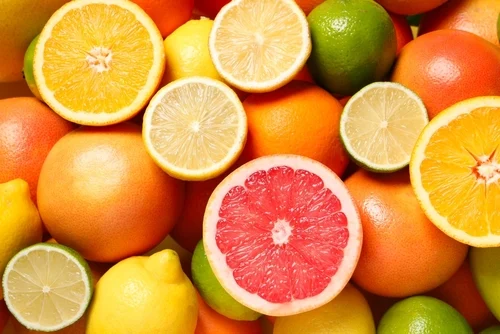
The debate over the suitability of citrus fruits in the diet of backyard poultry has long been a point of contention among avian enthusiasts and agricultural experts, leading to a nuanced consensus that while small amounts may not be immediately fatal, the risks to egg production and skeletal health often outweigh any perceived benefits. As the popularity of sustainable living and backyard chicken keeping continues to surge across North America and Europe, poultry nutritionists are increasingly being called upon to clarify which kitchen scraps are safe for consumption and which should be relegated to the compost pile. The prevailing scientific view suggests that citrus fruits, including oranges, lemons, limes, and grapefruits, contain compounds that can interfere with the delicate calcium metabolism required for a hen to produce high-quality eggs and maintain bone density.
The Mechanics of Calcium Absorption and Eggshell Integrity
To understand why citrus is frequently flagged as a problematic food source, one must first examine the complex physiological processes of the laying hen. A standard large chicken egg contains approximately two grams of calcium, nearly all of which is concentrated in the shell. For a hen to produce an egg daily, she must mobilize a significant portion of her total body calcium. This mineral is sourced both from her immediate dietary intake and from her medullary bone—a specialized, high-turnover bone tissue found in the marrow cavities of birds.
The primary concern regarding citrus consumption is the presence of citric acid and certain limonoids. While the exact chemical pathway is a subject of ongoing study, many avian veterinarians and experienced breeders, such as Lisa Steele of Fresh Eggs Daily, observe that excessive citrus intake appears to inhibit the absorption of calcium in the intestinal tract. When dietary calcium absorption is hindered, the hen’s body compensates by leaching the mineral from her own skeletal structure to ensure the eggshell is formed. This biological prioritization can lead to "cage layer fatigue" or osteoporosis-like conditions in the bird, characterized by brittle bones and a higher susceptibility to fractures.

Furthermore, if the bird cannot mobilize enough calcium from its bones, the quality of the eggs suffers immediately. Owners may notice a rise in thin-shelled or "soft-shelled" eggs—often referred to as rubber eggs—which are not only difficult to harvest but also pose a health risk to the hen, as they can break inside the oviduct, leading to life-threatening infections such as egg yolk peritonitis.
The Vitamin C Synthesis Paradox
A common misconception among novice poultry keepers is that chickens require fruit for Vitamin C, much like humans do to prevent scurvy. However, avian physiology differs fundamentally from human biology in this regard. Most birds, including Gallus gallus domesticus, possess the ability to synthesize their own Vitamin C (ascorbic acid) within their liver or kidneys. Under normal environmental conditions, a healthy chicken produces all the Vitamin C it requires for metabolic functions, immune response, and tissue repair.
Because chickens are endogenous producers of Vitamin C, the high concentrations found in citrus fruits are nutritionally redundant. Unlike water-soluble vitamins that are simply excreted when in excess, the acidity associated with citrus can alter the pH balance of the chicken’s digestive system. The avian crop and gizzard operate within specific pH ranges to facilitate the breakdown of grains and proteins. Introducing highly acidic materials can disrupt the beneficial microflora in the gut, potentially leading to digestive upset or decreased feed efficiency.
Chronology of Dietary Guidelines in Avian Husbandry
The understanding of poultry nutrition has evolved significantly over the last century. In the early 20th century, farm chickens were largely scavengers, eating whatever kitchen waste was available alongside insects and seeds. During this "subsistence" era, the impact of specific foods like citrus was rarely documented, as the lifespan of a farm hen was often shorter, and egg production was seasonal rather than year-round.

By the 1950s and 60s, the intensification of the poultry industry led to the development of standardized "complete" feeds. Researchers began to isolate the specific macro and micronutrient requirements for optimal growth and laying. It was during this period that the interference of certain organic acids with mineral uptake began to be noted in laboratory settings.
In the 2010s, the "backyard chicken revolution" brought these scientific concerns to the forefront of the hobbyist community. As owners began treating chickens more as "pets with benefits" rather than livestock, the focus shifted toward longevity and holistic health. This prompted experts like Lisa Steele to codify lists of safe versus toxic treats. The current era of poultry management emphasizes a "safety-first" approach, where foods that offer zero nutritional benefit and carry potential risks—such as citrus, onions, and chocolate—are officially discouraged.
Comparative Analysis of Toxic and Non-Toxic Scraps
To place the citrus risk in context, it is helpful to compare it to other common household scraps. While citrus is generally categorized as "avoid in large quantities," other foods are strictly toxic:
- Avocado (Pit and Skin): Contains persin, which can cause respiratory distress and heart failure in birds.
- Dried or Undercooked Beans: Contain phytohaemagglutinin, which is lethal to chickens even in small amounts.
- Onions: Contain thiosulphate, which can destroy red blood cells, leading to hemolytic anemia.
- Chocolate and Caffeine: Contain theobromine and caffeine, which can cause cardiac arrest in small animals.
In contrast, citrus is not "poisonous" in the traditional sense; it is a metabolic disruptor. A chicken that accidentally eats a small piece of orange dropped on the ground is unlikely to show any symptoms. The danger lies in the regular or high-volume inclusion of citrus rinds, pulps, and juices in the flock’s daily diet.

Behavioral Observations and Natural Aversion
Interestingly, chickens themselves often act as the first line of defense against nutritional imbalances. Observational data from poultry keepers suggests that many chickens exhibit a natural aversion to citrus. When presented with a variety of fruits—such as melons, berries, and oranges—chickens will typically gravitate toward the berries and melons, leaving the citrus untouched.
This behavior is thought to be linked to the bird’s sense of taste and smell. While chickens have fewer taste buds than mammals, they are highly sensitive to bitter and highly acidic flavors. The strong scent of limonene, the oil found in citrus peels, is also a known deterrent for many insects and animals. In fact, citrus oils are frequently used in organic pest repellents, suggesting that the bird’s avoidance is an evolutionary adaptation to avoid substances that could irritate their digestive lining.
Official Responses and Industry Standards
While there is no single global regulatory body for backyard chicken treats, major agricultural extensions and veterinary associations have weighed in on the matter. The University of California Agriculture and Natural Resources (UCANR) and various state-level avian health programs generally recommend that "treats" of any kind should not exceed 10% of a chicken’s total dietary intake.
Within that 10% margin, experts suggest focusing on high-protein or high-fiber supplements rather than acidic fruits. The consensus among the American Pastured Poultry Producers Association (APPPA) and similar organizations is that the modern high-production laying hen is a "biological athlete" that requires a very specific ratio of protein, energy, and minerals. Deviating from this with low-nutrient fillers like citrus rinds is seen as counterproductive to both animal welfare and production goals.

Broader Impact on the Circular Economy and Waste Management
The recommendation against feeding citrus to chickens has implications for how households manage organic waste. For many backyard keepers, the primary motivation for owning chickens is to reduce food waste. When citrus is removed from the "chicken bucket," it must be diverted elsewhere.
Agricultural analysts point out that citrus is an excellent candidate for traditional composting, provided it does not exceed 20% of the compost pile’s volume (to avoid over-acidifying the soil). By diverting citrus to the compost pile rather than the coop, keepers can create a closed-loop system where the citrus provides nutrients for the garden, which in turn grows vegetables that are safe for the chickens to eat. This separation of waste streams ensures the health of the flock while maintaining the environmental benefits of a sustainable homestead.
Conclusion and Future Implications
The question of whether chickens can eat citrus fruit is a prime example of the shift toward evidence-based animal husbandry in the private sector. While the occasional orange slice is not a death sentence, the physiological evidence regarding calcium interference and the redundancy of Vitamin C makes citrus an illogical choice for poultry supplementation.
As researchers continue to study the avian microbiome, it is possible that more specific data will emerge regarding the exact thresholds of citric acid that trigger metabolic leaching. Until then, the professional journalistic and scientific recommendation remains clear: to ensure the longest life for the bird and the highest quality of eggs for the table, citrus should be kept out of the coop. The focus of the backyard farmer should remain on providing a balanced commercial feed supplemented with safe, nutrient-dense greens and proteins, leaving the lemons and limes for the compost heap or the kitchen.
