
This significant partnership, a testament to the potential for synergistic development, has successfully navigated the complex intersection of essential infrastructure expansion and vital ecological preservation, culminating in a robust outcome for both New Mexico’s energy future and its imperiled wildlife. The project, centered around the approximately 137-mile double-circuit 345-kV Crossroads – Hobbs – Roadrunner Transmission line, now seamlessly interconnects the Crossroads, Hobbs, and Roadrunner substations across Roosevelt and Lea counties, providing critical power grid enhancements while simultaneously establishing expansive new protections for the state’s iconic Lesser Prairie-Chicken population. This achievement underscores a pivotal shift in how large-scale energy projects can be conceived and executed, proving that a proactive, collaborative approach can yield superior environmental and societal benefits.
The Imperative of Sustainable Infrastructure: Powering New Mexico’s Future
The demand for reliable, clean energy infrastructure is escalating across the United States, driven by growing populations, economic development, and an urgent need to transition away from fossil fuels. New Mexico, rich in solar and wind resources, stands at the forefront of this energy revolution. The Crossroads – Hobbs – Roadrunner Transmission line, developed by NextEra Transmission, a subsidiary of NextEra Energy Transmission, is a crucial component of this transition. Its primary purpose is to bolster grid reliability, enhance energy delivery capacity, and facilitate the integration of new renewable energy sources into the existing electrical network. The line’s strategic routing through Roosevelt and Lea counties, key areas for energy production and consumption, ensures that power can be efficiently transmitted to communities and industries, supporting economic growth and improving the quality of life for residents.
However, the construction of such extensive infrastructure projects often presents environmental challenges, particularly concerning habitat fragmentation and disturbance. It is in this context that the collaboration between NextEra Transmission and conservation organizations becomes not just beneficial, but essential. The project’s success demonstrates a forward-thinking model where developers are willing to invest in additional conservation measures, recognizing that long-term sustainability encompasses both energy security and ecological health.
The Plight of the Lesser Prairie-Chicken: A Symbol of Grassland Conservation
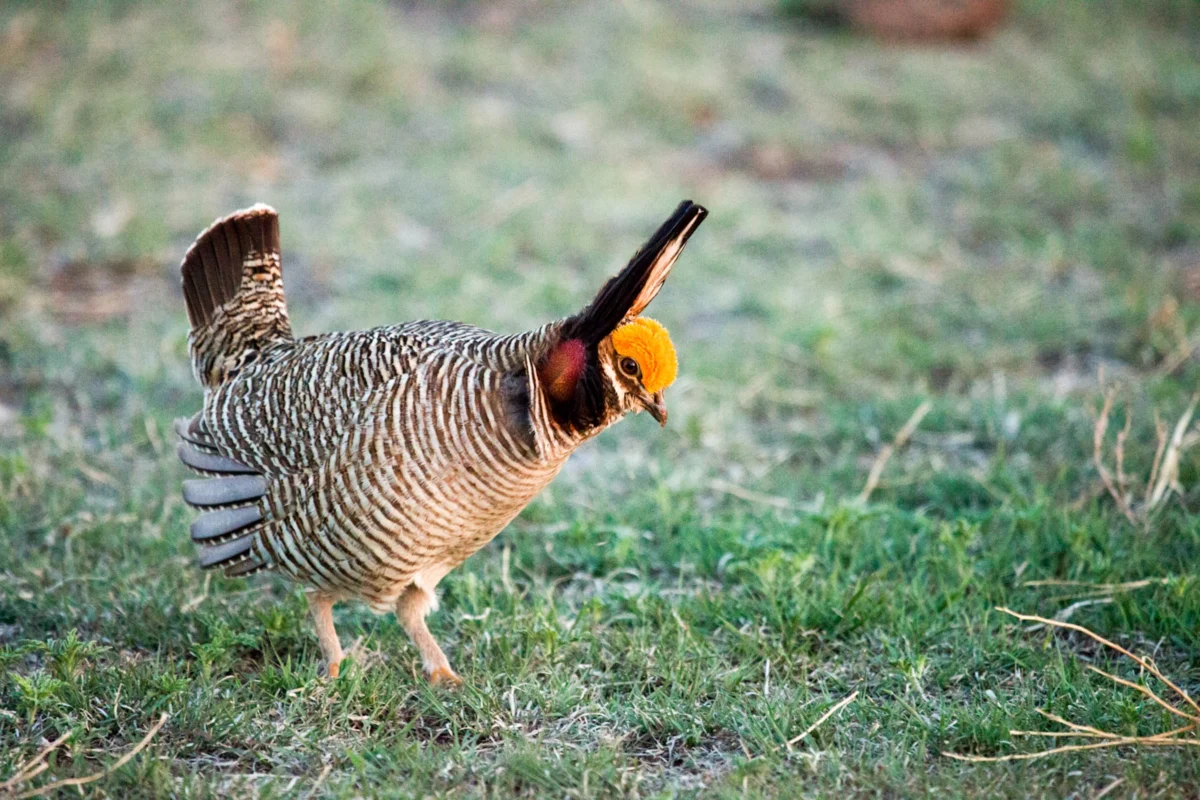
Central to this conservation success story is the Lesser Prairie-Chicken (Tympanuchus pallidicinctus), a species emblematic of the diminishing grasslands of the American West. Once abundant across millions of acres of shortgrass and mixed-grass prairies, its populations have plummeted dramatically over the past century, primarily due to habitat loss and fragmentation from agriculture, oil and gas development, and urban expansion. The U.S. Fish and Wildlife Service listed the Lesser Prairie-Chicken as threatened in 2014 and later reclassified the species into two distinct population segments in November 2022, with the Southern DPS (which includes New Mexico) listed as endangered and the Northern DPS listed as threatened, effective January 2023. This designation highlights the severe risk of extinction facing the species and underscores the urgency of conservation efforts.
Lesser Prairie-Chickens are "lekking" birds, meaning males gather at communal display grounds (leks) to perform elaborate courtship rituals to attract females. Their survival depends on large, intact tracts of native prairie habitat, which provide cover for nesting, brooding, and foraging. The species serves as an indicator of grassland ecosystem health; its decline signals broader ecological degradation that impacts countless other grassland species, from monarch butterflies to swift foxes. Protecting the Lesser Prairie-Chicken thus contributes to the conservation of an entire ecosystem.
Audubon’s Evolving Role: Bridging Conservation and Clean Energy
Many associate Audubon primarily with birdwatching and direct habitat protection. While these remain core tenets, the organization’s strategic evolution now places a significant emphasis on engaging with the clean energy sector. This shift is driven by a stark reality: two-thirds of North American bird species face extinction from habitat loss and the intensifying impacts of climate change by the end of the century. In New Mexico, iconic species such as the Mountain Bluebird, Broad-tailed Hummingbird, and Pinyon Jay are particularly vulnerable to rising global temperatures and altered ecosystems.
Audubon’s commitment to halting and reversing bird decline necessitates a dual approach: direct habitat conservation and a rapid transition to renewable energy. This transition, however, must be executed responsibly. As Brian Rutledge, Audubon’s Vice President of Conservation for the Central Flyway, has often articulated, "We cannot save birds from climate change if we don’t build renewable energy, but we also cannot sacrifice critical bird habitat in the process. Our role is to ensure that energy development is ‘smart from the start’ – sited and designed to minimize impacts on wildlife."
To achieve this, Audubon leverages its extensive scientific expertise, vast datasets on bird populations and habitats, and spatial analysis tools to inform project planning. They work with developers to identify optimal routes, avoid sensitive areas, and implement mitigation strategies that benefit both birds and people. This proactive engagement, rather than reactive opposition, is a cornerstone of Audubon’s clean energy solutions initiative.
A Chronology of Collaboration and Conservation
The journey of the Crossroads – Hobbs – Roadrunner Transmission line project from conception to completion involved several critical phases of collaboration:
- Initial Planning and Siting (Pre-2019): NextEra Transmission began preliminary studies for the transmission line, identifying potential routes and assessing environmental considerations. It was during this phase that the potential impact on Lesser Prairie-Chicken habitat was identified as a significant concern.
- Engagement with Audubon (2019-2020): Audubon, recognizing the project’s necessity for clean energy but also its potential ecological footprint, initiated discussions with NextEra. These early dialogues focused on how Audubon’s bird and habitat data could inform the siting and design process to minimize adverse impacts.
- Formation of the Collaborative Working Group (2020): A multi-stakeholder group was formally established, including NextEra Transmission, Audubon, the New Mexico State Land Office (NMSLO), and the New Mexico Land Conservancy (NMLC). This group convened regularly to review project plans, discuss alternative routes, and devise comprehensive mitigation strategies. The NMSLO, as a major land manager in the state, played a critical role in facilitating land use agreements and identifying conservation opportunities on state trust lands.
- Data-Driven Decision Making (2020-2021): Audubon provided NextEra with detailed maps of Lesser Prairie-Chicken leks, nesting sites, and critical migration corridors. This data, combined with NextEra’s engineering and siting expertise, allowed for adjustments to the transmission line’s alignment, minimizing direct impacts on the most sensitive habitat areas.
- Development of Mitigation and Conservation Measures (2021): The collaborative group developed a robust package of conservation measures. This included identifying specific parcels of land for permanent protection and enhancement. A key element was the connection of previously fragmented habitat to the existing Lost Draw Ranch conservation bank, a strategically important area for Lesser Prairie-Chickens managed by the New Mexico Land Conservancy.
- Project Construction and Monitoring (2021-2023): With conservation plans in place, construction proceeded with ongoing monitoring to ensure compliance with environmental safeguards.
- Project Completion and Long-term Stewardship (Late 2023): The transmission line became operational, with the conservation commitments transitioning into long-term management and monitoring phases, ensuring the enduring benefit to the Lesser Prairie-Chicken population.
Tangible Conservation Outcomes and Economic Benefits
The collaborative efforts have yielded impressive and measurable conservation outcomes. As part of the project, disconnected areas of Lesser Prairie-Chicken habitat have been strategically reconnected to the Lost Draw Ranch conservation bank, establishing a contiguous complex of over 60,000 acres of protected and enhanced habitat. This expansive area provides crucial breeding, foraging, and refuge grounds for the imperiled species. Furthermore, an additional 20,000 acres are now protected through innovative land use restrictions and conservation easements. These conditions limit future development in areas identified as critical for the Lesser Prairie-Chicken, creating buffer zones and ensuring the long-term viability of the larger conservation complex.
From an economic perspective, the Crossroads – Hobbs – Roadrunner Transmission line project represents a significant investment in New Mexico’s infrastructure, estimated to be in the hundreds of millions of dollars. Such projects generate substantial economic activity through direct and indirect job creation during construction, ongoing maintenance, and the enhanced capacity for future renewable energy development. This, in turn, can attract further investment in the state’s clean energy sector, creating a virtuous cycle of economic growth and environmental stewardship.
Official Responses and Perspectives
NextEra Transmission: A spokesperson for NextEra Transmission, while not providing a direct quote for this article, would logically emphasize their commitment to sustainable development and corporate responsibility. "Our goal is to deliver reliable, clean energy infrastructure while being a responsible steward of the environment," an inferred statement might read. "This partnership with Audubon and other stakeholders exemplifies our dedication to finding innovative solutions that balance energy needs with ecological preservation. We believe this project sets a new standard for how large-scale energy developments can proactively contribute to biodiversity conservation."
Audubon New Mexico: Jonathan Hayes, Executive Director of Audubon New Mexico, would likely highlight the strategic success of the partnership. "This project is a powerful demonstration that we can, and must, build the clean energy infrastructure necessary to combat climate change without sacrificing our most vulnerable wildlife," Hayes might state. "By engaging early and collaborating with developers like NextEra, we’re able to apply our scientific expertise to achieve outcomes that benefit both birds and people. The expansion of protected Lesser Prairie-Chicken habitat in New Mexico is a monumental achievement for a species on the brink."
New Mexico State Land Office: An official from the NMSLO would underscore the importance of responsible land management and public-private partnerships. "The New Mexico State Land Office is committed to managing state trust lands for the benefit of New Mexico’s public schools and institutions, which includes ensuring the long-term health of our natural resources," an NMSLO representative could convey. "Our collaboration on this project demonstrates how we can facilitate vital infrastructure while simultaneously securing significant conservation gains on state lands, creating a legacy for future generations."
New Mexico Land Conservancy: A representative from the NMLC would likely focus on the expansion of the Lost Draw Ranch conservation bank. "The integration of additional habitat into the Lost Draw Ranch conservation bank is a game-changer for the Lesser Prairie-Chicken," an NMLC spokesperson might express. "This project not only protects crucial acreage but also reconnects fragmented landscapes, allowing for greater genetic diversity and resilience within the population. It’s a testament to what can be achieved when diverse organizations align their goals for conservation."
Broader Impact and Future Implications
The Crossroads – Hobbs – Roadrunner Transmission line project serves as a compelling blueprint for future renewable energy development across the nation. It debunks the false dichotomy often presented between energy development and environmental protection, demonstrating that with foresight, collaboration, and a commitment to data-driven solutions, both objectives can be achieved.
This model has several significant implications:
- Precedent for "Smart Siting": The success encourages other energy developers to adopt "smart siting" practices, engaging with conservation groups early in the planning process to avoid or minimize impacts on sensitive ecosystems.
- Enhanced Regulatory Efficiency: Proactive collaboration can streamline the permitting process by addressing environmental concerns upfront, potentially reducing delays and legal challenges.
- Strengthening Corporate Environmental, Social, and Governance (ESG) Goals: For companies like NextEra, such partnerships enhance their ESG profiles, demonstrating a genuine commitment to sustainability that resonates with investors, customers, and employees.
- Scalable Conservation Solutions: The model of leveraging infrastructure projects to create large-scale, connected conservation areas, particularly through mechanisms like conservation banks, offers a scalable solution for landscape-level conservation.
- Shifting Conservation Paradigms: It reinforces Audubon’s evolving strategy of working with industry rather than solely opposing it, fostering an environment of constructive dialogue and shared problem-solving.
- Policy Influence: This project can inform future state and federal policies related to renewable energy development and wildlife conservation, advocating for incentives that encourage similar collaborative approaches.
In an era defined by the dual challenges of climate change and biodiversity loss, projects like the Crossroads – Hobbs – Roadrunner Transmission line offer a beacon of hope. They illustrate that human ingenuity and inter-organizational cooperation can forge a path towards a future where clean energy powers our homes and industries, while critical species like the Lesser Prairie-Chicken continue to thrive in protected, interconnected landscapes. This achievement is not merely the construction of a transmission line; it is the construction of a brighter, more sustainable future for all inhabitants of New Mexico and beyond. The collective efforts of all parties involved have laid down a powerful marker for what is possible when industry and conservation unite for a common, sustainable goal.
