
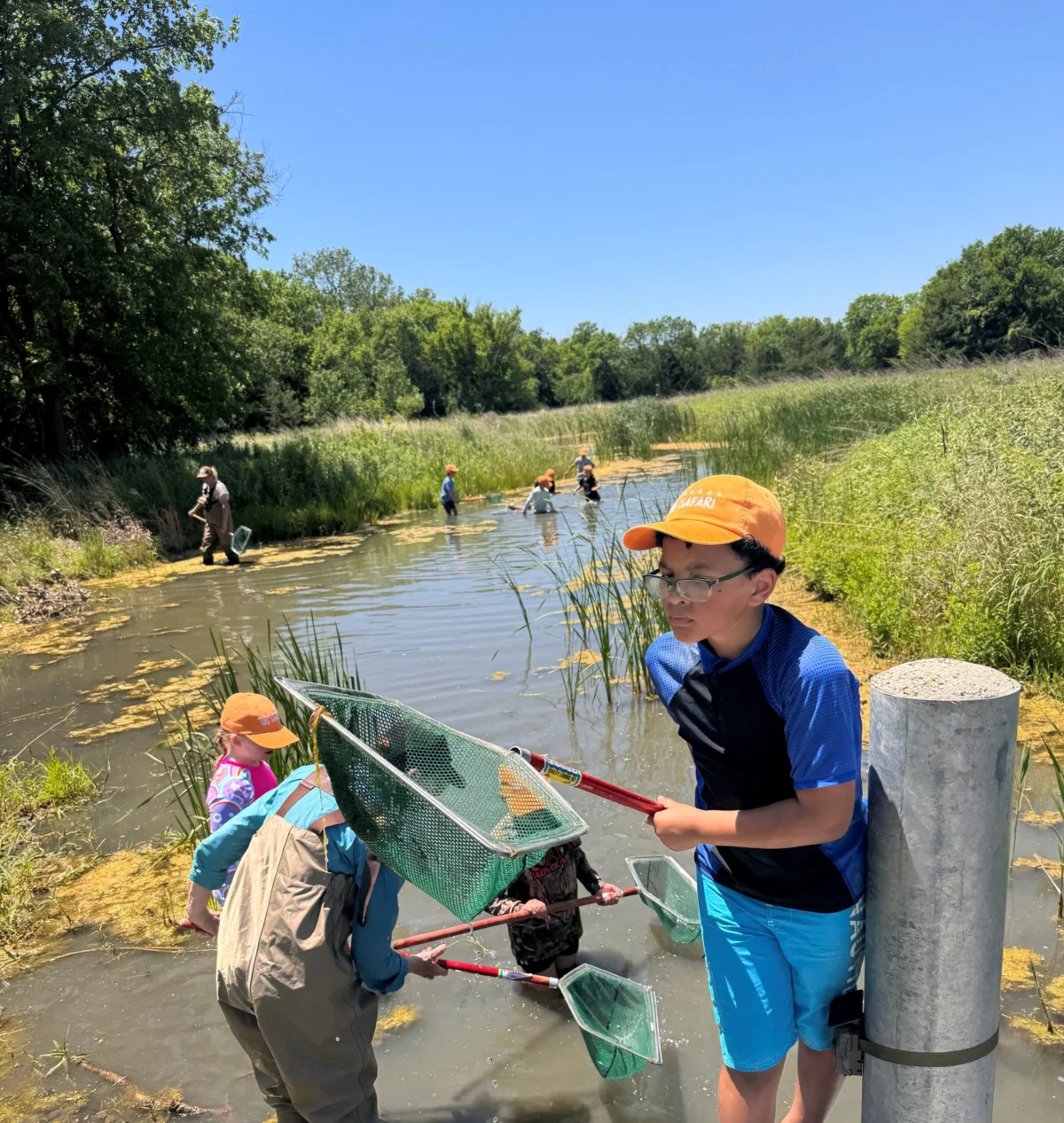
Every year, the arrival of summer at Rowe Sanctuary is marked by the enthusiastic return of campers participating in the Platte River Safari, a flagship educational initiative that has, for decades, served as a cornerstone of the sanctuary’s commitment to fostering a profound conservation ethic among young people. This week-long immersive program, renowned for its hands-on outdoor adventures, consistently inspires and equips the next generation of nature enthusiasts, instilling in them a deep appreciation for the natural world and the critical role humans play in its preservation.
The Genesis and Evolution of Rowe Sanctuary’s Education Mission
Rowe Sanctuary, officially known as the Iain Nicolson Audubon Center at Rowe Sanctuary, is strategically located along a crucial 5-mile stretch of the Platte River near Gibbon, Nebraska. Established by the National Audubon Society, the sanctuary plays an indispensable role in conserving the central Platte River ecosystem, an area of immense ecological significance, particularly as a vital stopover for millions of migratory birds, most famously the Sandhill Cranes. While widely celebrated for its spring crane migration spectacles, the sanctuary’s mission extends far beyond seasonal bird viewing, encompassing habitat restoration, scientific research, and comprehensive environmental education.
The concept of integrating youth education into the sanctuary’s broader conservation efforts emerged from an understanding that protecting natural resources requires not only scientific expertise and habitat management but also a well-informed and engaged public. Recognizing that future stewards of the environment must be cultivated from a young age, the Platte River Safari Camp was established to provide an unparalleled experiential learning platform. Over its multi-decade history, the camp has evolved from modest beginnings into a sophisticated program, continuously adapting its curriculum to reflect current ecological challenges and educational best practices. This enduring commitment reflects a core belief within the Audubon Society: direct engagement with nature is the most effective pathway to environmental literacy and stewardship.
Historically, the camp’s development paralleled growing concerns about environmental degradation and the increasing disconnect between children and the natural world, often termed "nature deficit disorder." The sanctuary’s educators recognized that while classroom learning provides foundational knowledge, it is the unfiltered experience of wading in a river, identifying a bird by its call, or observing wildlife in its natural habitat that truly ignites curiosity and forms lasting connections. This philosophy has guided the camp’s design, ensuring that every activity is rooted in direct interaction with the Platte River’s diverse ecosystems.
Anatomy of a Week at Platte River Safari Camp: Cultivating Curiosity and Connection
The Platte River Safari Camp offers distinct week-long programs tailored for various age groups, typically spanning children aged 7 to 14 years, as highlighted by the sanctuary’s promotional materials. Each day is meticulously planned to engage campers in a diverse array of activities designed to spark curiosity, encourage exploration, and facilitate profound connections with the natural world. The daily schedule, while varying, consistently integrates elements of ecological science, wildlife observation, and outdoor skills development.
A typical week at camp might commence with introductory sessions focused on the Platte River ecosystem, its unique biodiversity, and the critical role it plays in the Central Flyway. Campers are often introduced to basic ornithology, learning about local bird species, their habitats, and migration patterns through guided birding walks using binoculars and field guides. This is not merely about identification; it’s about understanding the interconnectedness of species within an ecosystem. For instance, children might learn how the availability of wet meadows and sandbars along the Platte directly impacts the survival rates of migratory birds.
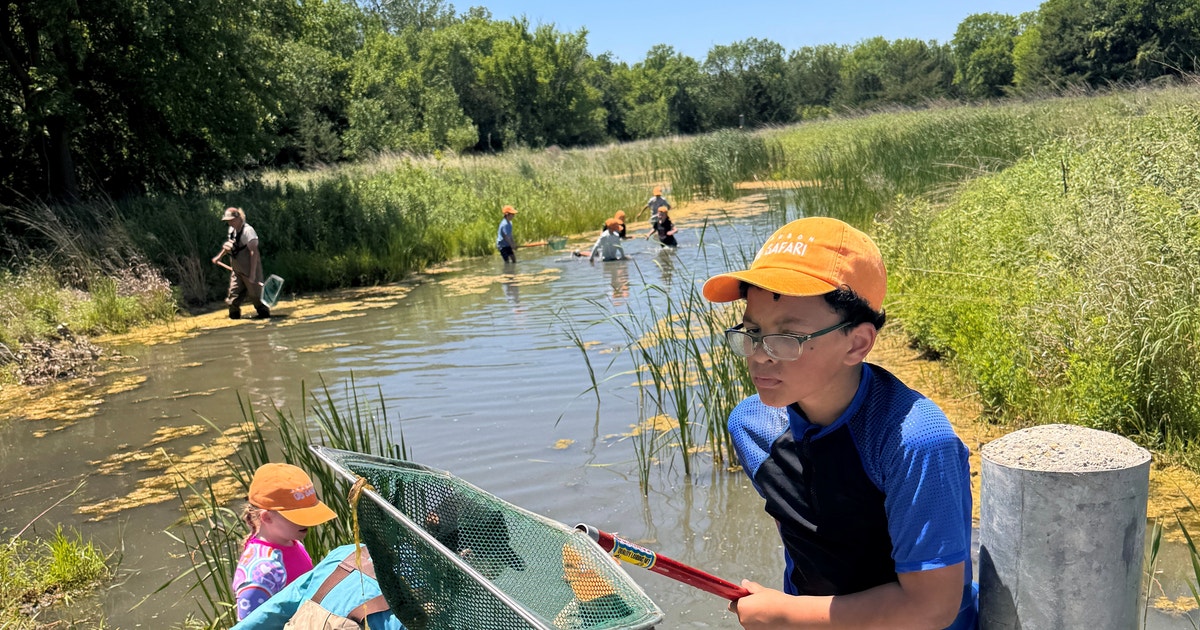
Wildlife exploration extends beyond birds to include mammals, reptiles, amphibians, and invertebrates native to the region. Activities such as tracking wildlife, identifying scat and footprints, and setting up trail cameras (under supervision) allow campers to develop keen observation skills and appreciate the subtle signs of nature. Pond dipping or stream sampling provides a microscopic view into aquatic ecosystems, revealing the intricate web of life that thrives beneath the water’s surface, while also teaching basic water quality assessment techniques. These activities are carefully framed to illustrate ecological principles such as food webs, habitat dependence, and biodiversity.
Outdoor play is an integral component, balancing structured learning with unstructured exploration. This includes nature-based games, scavenger hunts, and opportunities for free exploration within designated safe areas. Such activities are crucial for fostering creativity, problem-solving skills, and a sense of wonder. Campers might build rudimentary shelters, learn knot-tying, or practice basic navigation, all while absorbing lessons about resilience and self-reliance in an outdoor setting.
A significant aspect of the camp’s curriculum involves citizen science projects. Campers might participate in data collection related to bird counts, plant identification, or water quality measurements, contributing directly to ongoing research efforts at Rowe Sanctuary. This empowers young learners by demonstrating that their observations and efforts can have real-world scientific value, fostering a sense of ownership and responsibility for environmental monitoring. The week often culminates in activities that reinforce stewardship, such as participating in small-scale habitat restoration projects, like planting native grasses or removing invasive species, thereby directly contributing to the health of the sanctuary. These practical experiences transform abstract concepts of conservation into tangible actions.
Building a Conservation Ethic: The Educational Philosophy
The core objective of the Platte River Safari Camp is to build a conservation ethic, one camper at a time. This ethic is understood not merely as a collection of facts about nature but as a deeply ingrained moral compass that guides an individual’s relationship with the environment. It encompasses stewardship, a sense of responsibility for the health of ecosystems, and an understanding of the interconnectedness of all life.
The camp’s approach is deeply rooted in principles of experiential learning and place-based education. By immersing children directly in the Platte River ecosystem, educators leverage the power of direct experience to create memorable and impactful learning opportunities. This pedagogical strategy aligns with the biophilia hypothesis, which posits that humans have an innate tendency to connect with nature and other living systems. By facilitating these connections, the camp helps nurture this inherent bond, translating it into a conscious desire to protect the environment.
Research in environmental education consistently demonstrates that direct, positive experiences in nature during childhood are strong predictors of adult environmental concern and engagement. Studies published in journals like Environmental Education Research and The Journal of Environmental Education have shown that programs emphasizing hands-on learning, problem-solving, and critical thinking in outdoor settings significantly enhance children’s environmental knowledge, attitudes, and behaviors. For example, children who participate in such camps often exhibit improved observation skills, a greater understanding of ecological principles, and an increased willingness to adopt sustainable practices in their daily lives.
Furthermore, the camp addresses the challenges often associated with modern childhood, including limited access to natural spaces and an over-reliance on digital media. By providing a structured yet adventurous outdoor environment, the Platte River Safari Camp actively combats "nature deficit disorder," a term coined by Richard Louv, highlighting the potential negative impacts on children’s health and well-being due to a lack of time outdoors. The sanctuary acts as a vital conduit, re-establishing children’s fundamental connection to the wild.
Transformative Experiences: Camper Development and Parent Perspectives
For many campers, the initial days at Platte River Safari Camp can present a blend of excitement and uncertainty. Meeting new peers from diverse backgrounds, navigating unfamiliar outdoor settings, and engaging in novel activities can feel intimidating. However, the carefully structured yet supportive environment quickly helps these initial apprehensions dissipate. Through shared experiences, collaborative projects, and the inherent camaraderie of camp life, new friendships quickly blossom.
"We often see a remarkable transformation in our campers from Monday to Friday," states Dr. Eleanor Vance, Director of Education at Rowe Sanctuary, in an inferred statement reflecting the camp’s observed impact. "Children who might initially be hesitant to get their hands dirty or venture off a paved path are, by the end of the week, eagerly exploring wetlands, identifying insects, and confidently discussing ecological concepts. This growth in confidence and self-reliance is as vital as the scientific knowledge they gain."
Parents frequently report significant positive changes in their children following a week at camp. Ms. Sarah Jenkins, a parent whose child, Emily, has attended the camp for two consecutive summers, remarks, "Emily came back not just with stories of birds and bugs, but with a new sense of independence and a genuine passion for protecting the environment. She now points out different trees on our walks and talks about water conservation at home. It’s truly inspiring to see."
The camp’s emphasis on fostering a welcoming and inclusive atmosphere plays a crucial role in this transformation. By creating a space where curiosity is celebrated and exploration is encouraged, campers develop a sense of belonging not only within their peer group but also within the natural environment itself. Nature, initially a foreign concept for some, quickly becomes a familiar and comforting place, establishing a bond that, as the original article suggests, can last throughout their entire lives. Michael, 12, a two-time participant, enthusiastically adds, "I learned so much about the river, and I made some really good friends. Now, when I see a crane, I feel like I know a secret about it."
The Broader Ripple Effect: Implications for Future Conservation
The impact of programs like the Platte River Safari Camp extends far beyond the individual camper, creating a broader ripple effect that benefits local communities, national conservation efforts, and ultimately, the global environment. By fostering curiosity, stewardship, and a sense of responsibility for the environment, the camp is actively planting the seeds for the next generation of conservation leaders.
In an era defined by escalating environmental challenges, including climate change, biodiversity loss, and habitat destruction, the need for an environmentally literate and engaged populace has never been more urgent. Programs that cultivate a deep understanding of ecological principles and a personal connection to nature are critical for developing individuals who are not only aware of these issues but also motivated and equipped to address them. The campers of today are the scientists, policymakers, educators, and informed citizens of tomorrow, who will be tasked with finding innovative solutions to complex environmental problems.
Mr. David Chen, Sanctuary Director at Rowe Sanctuary, provides an inferred perspective on this long-term vision: "Our work at Rowe Sanctuary is fundamentally about safeguarding the Platte River ecosystem. But we understand that true, lasting conservation requires human engagement. The Platte River Safari Camp is an investment in that future. We’re not just teaching kids about cranes; we’re cultivating the stewards who will protect this river, and countless other natural places, for generations to come."
Furthermore, these programs contribute to the local economy by attracting families to the region and supporting the sanctuary’s operations through program fees and donations. The educational initiatives also raise public awareness about the unique ecological significance of the Platte River, fostering greater community support for conservation initiatives.
Addressing Modern Challenges Through Experiential Learning
The contemporary landscape presents unique challenges for environmental education. With increased urbanization and technological immersion, many children have fewer opportunities for unstructured outdoor play and direct contact with nature. The Platte River Safari Camp directly addresses this by providing a curated, safe, and enriching natural experience. It offers an antidote to the "indoor childhood" trend, helping children develop crucial physical, mental, and emotional health benefits associated with time outdoors, including reduced stress, improved attention spans, and enhanced physical fitness.
The camp also serves as a crucial platform for discussing complex environmental issues in an age-appropriate manner. Through guided discussions and hands-on activities, campers begin to grasp concepts such as habitat fragmentation, the impacts of agricultural practices on water quality, and the challenges faced by migratory species due to climate change. These discussions are framed to empower rather than overwhelm, focusing on actionable solutions and the power of individual and collective efforts.
The Future of Youth Conservation at Rowe Sanctuary
Looking forward, Rowe Sanctuary remains committed to expanding and refining its youth education programs. The enduring success of the Platte River Safari Camp underscores the critical importance of providing direct, meaningful experiences in nature. As environmental challenges evolve, so too will the curriculum, incorporating new scientific discoveries and pedagogical approaches to ensure relevance and maximum impact.
The investment in programs like the Platte River Safari Camp is an investment in the resilience of both ecosystems and human communities. By continuing to foster curiosity, stewardship, and a deep sense of responsibility for the environment in each camper, Rowe Sanctuary plays an indispensable role in securing a future where both nature and humanity can thrive in harmony. The legacy of the camp will not merely be found in the memories made during a week of summer fun, but in the lifelong connections to the outdoors and the dedicated conservation leaders it inspires to protect our shared natural heritage.
