
The inclusion of grapes in the dietary regimen of backyard poultry has emerged as a subject of significant interest among avian nutritionists and small-scale farmers seeking to optimize flock health through natural supplementation. While primarily recognized as a staple in human nutrition, grapes offer a concentrated source of essential vitamins, minerals, and antioxidants that can provide measurable physiological benefits to chickens when administered under strict management protocols. However, the transition from commercial feed to a diversified diet involving fresh produce requires a nuanced understanding of avian digestion, metabolic limits, and mechanical feeding hazards.
The Nutritional Architecture of Grapes in Avian Diets
Grapes serve as a dense delivery system for several micronutrients critical to the maintenance of poultry health. At the forefront of these benefits are the antioxidant properties inherent in the fruit’s skin and flesh. Grapes contain polyphenols, including resveratrol, which have been documented to combat oxidative stress in birds. This is particularly relevant in backyard settings where environmental stressors, such as temperature fluctuations and predator pressure, can lead to cellular damage.
From a mineral perspective, grapes provide a supplemental source of calcium and potassium. Calcium is the cornerstone of avian health for laying hens, as it is the primary component of eggshells. While grapes are not a replacement for high-calcium layer feed or oyster shells, their contribution supports the overall mineral balance required for skeletal integrity. Potassium plays an equally vital role in regulating fluid balance and nerve signals, which is essential during high-temperature months when birds are at risk of heat exhaustion and electrolyte imbalance.

Furthermore, the presence of Vitamin C and Vitamin K within grapes supports the avian immune system and blood coagulation processes. Vitamin C acts as a biological buffer against stress, while Vitamin K is essential for the synthesis of proteins required for blood clotting and bone metabolism. By integrating these vitamins through fresh fruit, poultry keepers can enhance the natural resilience of their flocks.
Mitigating Mechanical and Biological Risks: Choking and Sugar Consumption
Despite the clear nutritional advantages, the physical structure and chemical composition of grapes necessitate specific safety interventions. The most immediate risk associated with feeding whole grapes to poultry is the potential for tracheal obstruction or choking. Chickens, particularly smaller breeds or highly competitive "fast eaters," lack the ability to chew food in the traditional sense. Instead, they rely on their beaks to tear items or swallow them whole for processing in the gizzard.
A whole grape, due to its smooth surface and spherical shape, can easily become lodged in a bird’s throat. To mitigate this, experts emphasize the necessity of mechanical processing before feeding. Slicing grapes into halves or quarters, or mashing them into a pulp, significantly reduces the risk of asphyxiation. This practice also ensures that the fruit’s interior nutrients are immediately accessible to the bird’s digestive enzymes.
Beyond mechanical risks, the high fructose content of grapes poses a biological challenge. Avian digestive systems are optimized for the fermentation of fiber and the processing of complex carbohydrates found in grains. An influx of simple sugars can disrupt the delicate balance of the gut microbiome, potentially leading to gastrointestinal distress. The most common symptom of overconsumption is diarrhea, which can lead to dehydration and soiled bedding, the latter of which increases the risk of ammonia buildup and respiratory issues within the coop.

The Ten Percent Rule: Balancing Supplemental Treats with Commercial Feed
The cornerstone of modern poultry management is the "10% Rule," a dietary guideline supported by veterinary associations and agricultural extension offices. This rule dictates that supplemental treats—including fruits, vegetables, and scratch grains—should never exceed 10% of a bird’s total daily caloric intake. For the average adult hen, this equates to approximately one to two tablespoons of supplemental food per day.
The remaining 90% of the diet must consist of a nutritionally complete commercial feed. These feeds are scientifically formulated to provide the exact ratio of protein, fats, and minerals required for specific life stages, such as brooding, growing, or laying. When treats like grapes are fed in excess, they "dilute" the intake of these essential nutrients. Over time, a diet too high in treats can lead to obesity, reduced egg production, and "Fatty Liver Hemorrhagic Syndrome," a condition often fatal in backyard chickens.
Comparative Analysis: Fresh Grapes versus Dehydrated Raisins
The discussion regarding grapes inevitably extends to their dehydrated counterpart: raisins. While raisins are safe for avian consumption—unlike their documented toxicity in canine and feline species—they represent a much more concentrated source of sugar. During the dehydration process, the water content is removed, leaving behind the sugar and fiber of the original fruit in a smaller package.
From a management perspective, raisins should be treated with even greater caution than fresh grapes. Their sticky texture can occasionally cause issues in the crop (the initial storage pouch in a chicken’s digestive tract), and their high sugar density means the quantity must be strictly limited. Fresh grapes are generally preferred by poultry experts due to their high water content, which contributes to the hydration of the flock, especially during the summer months.

Quality Control and Pathogen Prevention
A critical aspect of supplemental feeding is the quality of the produce. While "soft" or slightly wrinkled grapes that are past their prime for human consumption are acceptable for poultry, any sign of mold or rot is an absolute contraindication. Molds such as Aspergillus or Penicillium can produce mycotoxins that are highly toxic to birds.
Mycotoxicosis in poultry can lead to a range of severe health issues, including liver damage, suppressed immune function, and sudden death. Therefore, the "scrap" mentality of feeding chickens must be tempered with rigorous quality control. If a grape is not fit for human observation due to fungal growth, it is not fit for the flock.
Chronology of Supplemental Feeding: From Chick to Mature Hen
The introduction of treats like grapes should follow a specific timeline based on the developmental stage of the bird:
- Weeks 0-8 (Brooding): During the initial growth phase, chicks require high-protein starter feed. Introducing treats during this window is generally discouraged, as their digestive systems are still developing and they need every gram of protein for muscle and feather growth.
- Weeks 8-18 (Growing): As pullets move to grower feed, small amounts of soft fruits can be introduced to encourage foraging behavior. At this stage, grapes must be finely diced to prevent choking.
- Week 18+ (Laying/Maturity): Mature hens can handle larger pieces of grapes (halved or quartered). This is also the period where the 10% rule becomes most critical to ensure consistent egg production.
Expert Perspectives and Industry Impact
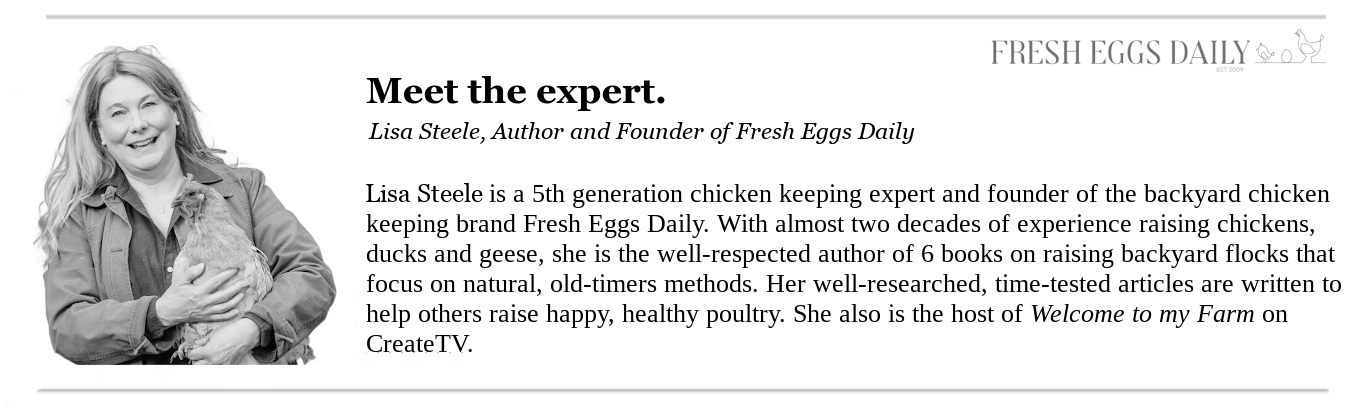
Lisa Steele, a fifth-generation chicken keeping expert and founder of the "Fresh Eggs Daily" brand, has long advocated for the use of natural supplements in poultry care. Her approach emphasizes "old-timer" methods backed by modern observation, suggesting that a varied diet leads to happier, more engaged birds. According to Steele, treats like grapes serve a dual purpose: they provide nutrition and act as a form of "environmental enrichment."

Environmental enrichment is a growing field in avian science, focusing on reducing boredom-related behaviors such as feather pecking and egg eating. Providing treats that require foraging or "chase" behavior (where one hen finds a grape and others pursue her) mimics natural behaviors and improves the overall welfare of the flock.
From a broader agricultural perspective, the trend toward supplementing poultry diets with fresh produce reflects a shift in consumer values. As more households adopt backyard farming, there is an increasing demand for information that bridges the gap between industrial efficiency and holistic pet care. This shift has prompted commercial feed manufacturers to begin incorporating dried fruits and herbs into "premium" feed lines, acknowledging the benefits of a diversified nutritional profile.
Broader Implications for Backyard Poultry Management
The practice of feeding grapes to chickens, while seemingly minor, represents a larger movement toward sustainable and circular food systems. By diverting safe, excess produce from the waste stream to the poultry coop, backyard farmers reduce their environmental footprint while enhancing the health of their animals.
However, the responsibility of the poultry keeper remains centered on education and moderation. The data suggests that while grapes are a nutritional powerhouse, they are a supplement, not a solution. The successful integration of grapes into a poultry diet requires a commitment to preparation—slicing and mashing—and a disciplined adherence to portion control.

In conclusion, grapes are an excellent addition to the avian menu, offering antioxidants, vitamins, and minerals that support a long and productive life for backyard flocks. By respecting the biological limits of the chicken and prioritizing safety through proper preparation, poultry keepers can ensure that this sweet treat remains a beneficial part of their birds’ lives rather than a health liability. The intersection of traditional farming wisdom and modern nutritional science continues to refine how we care for these essential domestic animals, ensuring that the backyard coop remains a site of both health and high-quality egg production.
