
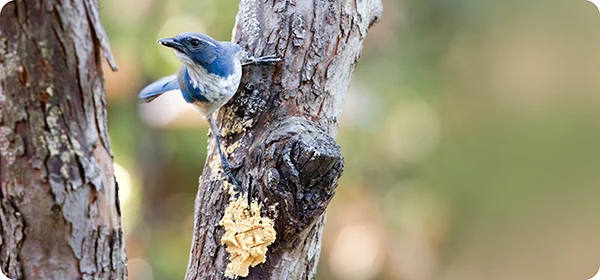
The Thanksgiving holiday, a time synonymous with elaborate meals and shared moments with loved ones, presents a unique opportunity to extend the spirit of generosity to the avian inhabitants of our backyards. This festive season, while humans gather around meticulously set tables laden with seasonal bounty, the concept of "feasting" can be expanded to encompass the well-being and enjoyment of our feathered neighbors. By understanding the nutritional needs and preferences of local bird species, individuals can transform their outdoor spaces into vibrant dining halls, offering a delectable and beneficial experience for both the birds and the observers.
The Essence of a Feast: Beyond the Human Table
At its core, a feast is defined as the consumption of an elaborate meal, often accompanied by entertainment, to commemorate a special event. While Thanksgiving is a prime example, the definition can be broadened to include the act of providing abundant and high-quality sustenance. For many, the holiday is characterized by a meticulously prepared table, featuring cherished china and a rich array of seasonal delicacies shared with family and friends. The accompanying entertainment often involves games, puzzles, outdoor excursions, or communal viewing of sporting events and films. In this context, observing and interacting with birds at backyard feeders can be considered a cherished form of family entertainment, fostering a deeper connection with nature.
The practice of intentionally feeding birds, particularly during the fall and winter months, has roots in a desire to supplement their natural food sources, which can become scarce due to weather conditions and habitat changes. This tradition, while seemingly simple, plays a significant role in supporting local ecosystems. Organizations like the National Audubon Society emphasize the importance of providing appropriate food sources to help birds survive colder temperatures and maintain energy levels for migration and breeding. The act of providing for birds can be seen as an extension of the communal spirit of Thanksgiving, fostering a sense of stewardship and interconnectedness with the natural world.
Crafting a Bird-Friendly Buffet: Menu Planning for Avian Guests
Extending the concept of a holiday feast to birds necessitates a thoughtful approach to their dietary needs. Just as humans seek out the finest ingredients, providing birds with a varied and nutritious menu is paramount. This begins with ensuring their "table"—the feeders themselves—is impeccable. Clean feeders are crucial to prevent the spread of diseases, and a consistent supply of fresh water is as vital as food, especially during colder months when natural water sources may freeze.
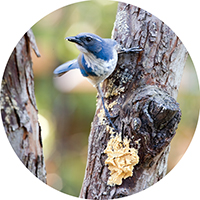
The foundational offerings for a bird feeder feast typically include high-quality seed blends, suet, and Nyjer® seed. These staples provide essential calories and nutrients. A quality seed blend often comprises a mix of sunflower seeds (black oil sunflower seeds are a favorite for many species), millet, and cracked corn, catering to a wide range of seed-eating birds. Suet, a high-energy fat source, is particularly beneficial during winter, providing much-needed calories for insulation and activity. Nyjer® seed, with its tiny size and high oil content, is a magnet for finches, such as American Goldfinches and House Finches.
To elevate the avian dining experience, consider incorporating more specialized offerings. Peanuts, either whole or shelled, are a rich source of protein and fat, attracting a variety of birds including jays, woodpeckers, and chickadees. Bark Butter®, a proprietary blend of suet, peanut butter, and cornmeal, has gained popularity among bird enthusiasts for its versatility and appeal to a broad spectrum of species, including the less common ones like nuthatches and titmice. Specialty seed blends, such as a "Winter SuperBlend®," are often formulated with ingredients specifically chosen to provide maximum nutrition and appeal during the colder months. These blends might include a higher proportion of suet, nuts, and energy-rich seeds.
The variety of offerings can significantly influence the diversity of birds attracted to a feeder. For instance, offering both shelled and unshelled nuts can cater to different feeding styles. Some birds, like jays and squirrels, will readily take whole peanuts, while others, such as chickadees, prefer to carry away and cache smaller pieces. The strategic placement of feeders and the types of food offered can also create a more dynamic and engaging viewing experience for those observing the birds.
Beyond Sustenance: The Ethical and Environmental Dimensions of Bird Feeding
The act of feasting with feathered friends extends beyond mere provision of food; it encompasses an ethical responsibility and an opportunity for environmental stewardship. The article highlights the inclusion of shade-grown, bird-friendly coffee as a personal indulgence while acknowledging its profound impact on avian conservation. Shade-grown coffee farms, by preserving forest canopies, provide critical habitat and wintering grounds for over 42 species of North American migratory songbirds. This connection underscores a broader principle: our consumption habits can directly influence the survival of bird populations.
Choosing bird-friendly products, such as coffee grown under a forest canopy, is a tangible way to support conservation efforts. These agricultural practices not only benefit migratory birds but also contribute to biodiversity by providing habitats for a multitude of other species, including insects, amphibians, and mammals. The loss of tropical forest habitat due to the expansion of sun-grown coffee plantations has been a significant concern for ornithologists and conservationists for decades. Therefore, consumer choices can act as a powerful tool in supporting sustainable agriculture and protecting vital ecosystems.

Furthermore, the practice of feeding birds can foster a deeper appreciation for their ecological roles. Birds are integral to seed dispersal, pollination, and insect control, contributing significantly to the health of ecosystems. By observing them up close, people often develop a greater awareness of these contributions and a stronger motivation to protect their habitats. This heightened awareness can translate into broader support for conservation initiatives and more mindful environmental practices.
A Chronology of Connection: From Ancient Traditions to Modern Practices
The human practice of feeding birds has evolved over time, driven by a combination of necessity, curiosity, and a growing understanding of avian ecology. While the exact origins of intentionally feeding wild birds are difficult to pinpoint, historical accounts suggest that communities have long provided supplemental food for birds, particularly during harsh winters. In many cultures, birds have held symbolic significance, and their well-being has been considered an indicator of the health of the surrounding environment.
The development of commercial birdseed and feeders in the late 19th and early 20th centuries marked a significant shift, making bird feeding more accessible to a broader population. This era saw the rise of ornithology as a scientific discipline, leading to a greater understanding of bird behavior and nutritional needs. Organizations like the National Audubon Society, founded in 1905, played a crucial role in advocating for bird conservation and educating the public about the benefits of attracting birds to their yards.
The latter half of the 20th century and the early 21st century have witnessed a surge in the popularity of backyard bird feeding. This growth has been fueled by increased access to information through the internet, the development of specialized bird food products, and a general societal trend towards reconnecting with nature. The rise of citizen science projects, such as the Cornell Lab of Ornithology’s eBird, has further engaged the public in contributing valuable data on bird populations and distribution.
The "Feasting with Our Feathered Friends" initiative can be viewed as a contemporary expression of this long-standing tradition, amplified by modern ecological awareness. It bridges the gap between traditional holiday celebrations and contemporary conservation efforts, encouraging individuals to integrate environmental responsibility into their festive practices.
Data-Driven Insights: The Impact of Backyard Bird Feeding
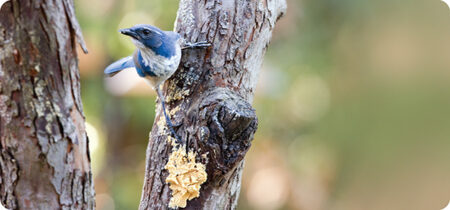
The impact of backyard bird feeding on local bird populations is a subject of ongoing research and observation. Studies have indicated that supplemental feeding can be particularly beneficial during periods of food scarcity, such as prolonged cold spells or drought conditions. For instance, research published in the Journal of Wildlife Management has shown that providing suet can significantly increase the survival rates of insectivorous birds during winter.
The types of food offered also influence which species are attracted and how they benefit. Black oil sunflower seeds, for example, are a preferred food for a wide array of species, including cardinals, chickadees, and nuthatches, providing a valuable source of energy and protein. The availability of clean water from bird baths or heated bird baths can be critical, especially in winter, as birds need water for drinking and bathing to maintain their feathers’ insulating properties.
However, it’s important to acknowledge the potential downsides and responsible practices associated with bird feeding. Inadequate feeder hygiene can lead to the transmission of diseases, which can have devastating effects on local bird populations. The U.S. Department of Agriculture (USDA) and various wildlife agencies provide guidelines for maintaining clean feeders and managing potential issues like overcrowding, which can stress birds and increase disease transmission.
The article’s reference to the WBU Nature Centered Podcast episode, "Feasting with Feathered Friends," suggests a commitment to educating the public on best practices. Expert insights from such platforms can guide individuals in making informed decisions about the types of food to offer, the frequency of cleaning, and the placement of feeders to maximize benefits and minimize risks.
Broader Implications: Fostering Biodiversity and Environmental Literacy
The concept of "Feasting with Our Feathered Friends" has broader implications that extend beyond the immediate act of feeding birds. It serves as a powerful tool for fostering biodiversity in urban and suburban environments. By providing essential food and water sources, individuals can help sustain local bird populations, which in turn contribute to the overall health of the ecosystem.

This practice also plays a significant role in enhancing environmental literacy. When people actively engage with nature in their own backyards, they develop a deeper understanding of ecological principles and the interconnectedness of living things. Observing the diverse behaviors of birds, their feeding habits, and their interactions with the environment can spark curiosity and a desire to learn more about conservation issues.
The article’s suggestion to include shade-grown, bird-friendly coffee highlights a critical connection between consumer choices and global conservation efforts. By supporting products that are produced in an environmentally responsible manner, individuals can contribute to the preservation of critical habitats for migratory birds. This concept aligns with the growing movement towards conscious consumerism, where purchasing decisions are informed by ethical and environmental considerations.
The referenced "7 Simple Actions" to help birds, likely stemming from reputable ornithological sources, further underscores the multifaceted nature of bird conservation. These actions might include creating bird-friendly habitats in gardens, reducing pesticide use, and supporting conservation organizations. By integrating these practices into daily life, individuals can make a meaningful difference in the lives of birds.
In conclusion, "Feasting with Our Feathered Friends" is more than just a seasonal activity; it is an opportunity to embrace generosity, foster a deeper connection with nature, and contribute to vital conservation efforts. By providing nutritious food, clean water, and supporting bird-friendly practices, individuals can transform their backyards into havens for avian life, enriching their own lives and contributing to the health of the planet. The act of sharing a feast, in its broadest sense, can extend to all creatures, reminding us of our shared responsibility in preserving the natural world.
