
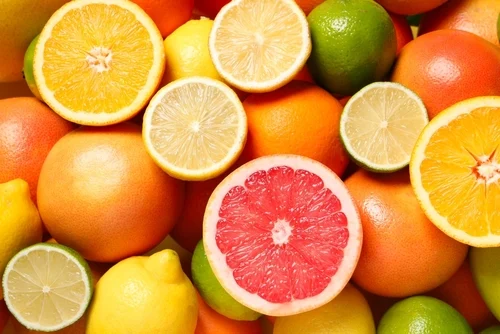
The practice of recycling kitchen scraps as supplemental feed for backyard poultry has long been a cornerstone of sustainable homesteading and domestic agriculture. However, as the popularity of hobby farming continues to rise globally, avian experts and experienced poultry keepers are emphasizing the importance of nutritional discernment. Among the various organic materials typically diverted from compost bins to chicken runs, citrus fruits—including oranges, lemons, limes, and grapefruits—have emerged as a subject of significant debate. While chickens are generally hardy omnivores capable of processing a wide array of organic matter, the introduction of citrus into their diet presents specific physiological challenges that can impact both the health of the birds and the quality of their egg production.
The primary concern regarding citrus consumption in poultry revolves around the chemical interaction between citric acid and calcium metabolism. Although chickens can technically ingest small amounts of citrus without immediate toxic effects, chronic exposure or high-volume consumption is linked to a disruption in calcium absorption. In the context of avian physiology, calcium is not merely a structural requirement for bone health; it is a critical component of the daily reproductive cycle. A deficiency in bioavailable calcium can lead to a cascade of health issues, ranging from skeletal fragility to the production of non-viable or soft-shelled eggs.
The Biological Mechanism of Calcium Interference
To understand why citrus is often excluded from professional poultry diets, one must examine the complex process of calcium regulation in hens. A laying hen requires a significant amount of calcium to produce a single eggshell, which is composed almost entirely of calcium carbonate. When a hen consumes citrus, the citric acid and high levels of Vitamin C (ascorbic acid) can interfere with the bird’s ability to transport calcium from the digestive tract into the bloodstream.

In cases where dietary calcium is insufficient or its absorption is blocked, a hen’s body enters a state of physiological emergency. To satisfy the requirement for eggshell formation, the endocrine system triggers the leaching of calcium from the bird’s own skeletal structure—specifically from the medullary bone. Over time, this depletion leads to osteoporosis-like symptoms, making the bird’s bones brittle and prone to fractures. This condition, often referred to in the industry as "cage layer fatigue" when seen in commercial settings, can occur in backyard flocks if nutritional inhibitors like excessive citrus are present.
Furthermore, the interference with calcium absorption manifests visibly in the eggs themselves. Poultry keepers may observe a higher frequency of thin-shelled, soft-shelled, or "rubber" eggs. These eggs are not only difficult to harvest but also pose a risk to the flock; broken eggs in the nesting box can encourage "egg-eating" behavior, a destructive habit that is notoriously difficult to break once established within a community of chickens.
The Redundancy of Vitamin C in Avian Diets
A common misconception among novice poultry keepers is that the high Vitamin C content in citrus fruits provides a health boost to chickens, similar to its effect on the human immune system. However, avian biology differs fundamentally from human biology in this regard. While humans, primates, and guinea pigs are among the few species that cannot synthesize their own Vitamin C and must obtain it through diet, chickens are naturally equipped to produce their own.
Ascorbic acid is synthesized within the kidneys of the chicken. Under normal environmental conditions, a healthy bird produces a sufficient supply of Vitamin C to meet all its metabolic needs. Consequently, the exogenous Vitamin C provided by oranges or grapefruits offers no additional nutritional benefit. While some studies suggest that supplemental Vitamin C may help poultry cope with extreme heat stress or specific illnesses, these are targeted interventions usually managed through water-soluble supplements rather than the haphazard feeding of citrus rinds. Because citrus offers no unique nutritional advantages that cannot be found in safer forage, many experts conclude that the risks of calcium interference far outweigh any perceived benefits.

Expert Perspectives and Behavioral Observations
Lisa Steele, a fifth-generation chicken-keeping expert and the founder of the Fresh Eggs Daily brand, has been a vocal advocate for cautious treat-feeding. With nearly two decades of experience and six books on the subject, Steele notes that chickens often display a natural aversion to citrus. When presented with a variety of kitchen scraps, many birds will actively avoid lemon rinds or orange peels.
"They generally know what they should eat and what they shouldn’t," Steele observes, noting that while a stray segment of orange in a fruit salad is unlikely to cause a crisis, citrus should not be a regular component of their diet. This innate "nutritional wisdom" is a survival mechanism, yet it can be overridden if birds are hungry or if the citrus is masked by other highly palatable foods.
Veterinary professionals specializing in avian medicine echo these sentiments. The general consensus within the scientific community is that while citrus is not "toxic" in the same way that nightshade plants (like green potato skins) or chocolate can be, it is "counter-productive." The goal of poultry nutrition is to maintain a delicate balance of proteins, fats, and minerals; introducing a known calcium inhibitor complicates this balance without providing a caloric or micronutrient trade-off.
A Chronology of Poultry Nutritional Standards
The understanding of poultry nutrition has evolved significantly over the last century. In the early 20th century, backyard chickens were largely left to forage, supplemented by grain and whatever kitchen waste was available. During this era, the specific impact of citric acid on calcium was less understood, though farmers often noted fluctuations in shell quality based on seasonal diet changes.

By the 1950s and 60s, the rise of commercial poultry science led to the development of "complete" feeds—pelleted or crumbled diets scientifically formulated to provide the exact ratio of nutrients required for maximum egg production. It was during this period of intensive research that the role of calcium and the factors inhibiting its absorption became clearly defined.
In the modern era, the "back-to-the-land" movement has revived interest in feeding kitchen scraps. This has necessitated a new wave of education for hobbyists who may not have the agricultural background to distinguish between safe organic waste and potentially harmful supplements. The current recommendation from agricultural extension offices and poultry experts is a "90/10 rule": 90% of a chicken’s diet should come from a balanced professional feed, with only 10% consisting of healthy treats, excluding known inhibitors like citrus.
Broader Implications for Flock Management and Sustainability
The decision to exclude citrus from a chicken’s diet has broader implications for the overall management of a homestead. For many, the primary goal of keeping chickens is the production of high-quality, nutritious eggs. Any factor that reduces egg production or compromises shell integrity directly impacts the efficiency and economic viability of the backyard flock.
From a sustainability perspective, the exclusion of citrus from the chicken run does not mean it must go to waste. Citrus rinds are excellent candidates for traditional composting or for the production of natural household cleaners. By diverting citrus to the compost pile rather than the coop, poultry keepers can ensure that the nutrients eventually return to the soil without posing a risk to their birds’ skeletal health.

Furthermore, the "citrus debate" serves as a gateway to a broader understanding of avian toxicology. It encourages keepers to research other common household foods that can be problematic, such as:
- Avocado pits and skins: Containing persin, which can cause heart distress.
- Dried or undercooked beans: Containing hemagglutinin, which is toxic to birds.
- Salty foods: Chickens have a low tolerance for sodium, which can lead to salt poisoning.
- Onions: Which, in large quantities, can cause hemolytic anemia.
Conclusion and Best Practices for Poultry Health
While the occasional consumption of a small amount of citrus is unlikely to result in the immediate death of a chicken, the cumulative effects of citric acid on calcium metabolism represent a legitimate concern for any serious poultry keeper. The lack of nutritional necessity, combined with the potential for weakened bones and poor eggshell quality, renders citrus an unnecessary addition to the avian diet.
To maintain an optimal flock, owners should focus on treats that enhance health, such as leafy greens (kale, spinach, and swiss chard), mealworms for protein, and cracked corn in the winter for caloric warmth. Providing a consistent source of crushed oyster shells or eggshell meal as a calcium supplement is also vital to counteract any minor nutritional imbalances.
By adhering to evidence-based feeding practices and respecting the physiological uniqueness of the avian digestive system, backyard farmers can ensure their flocks remain productive and healthy for years to come. The consensus remains clear: for the health of the hen and the strength of the egg, citrus is best left in the compost.
