
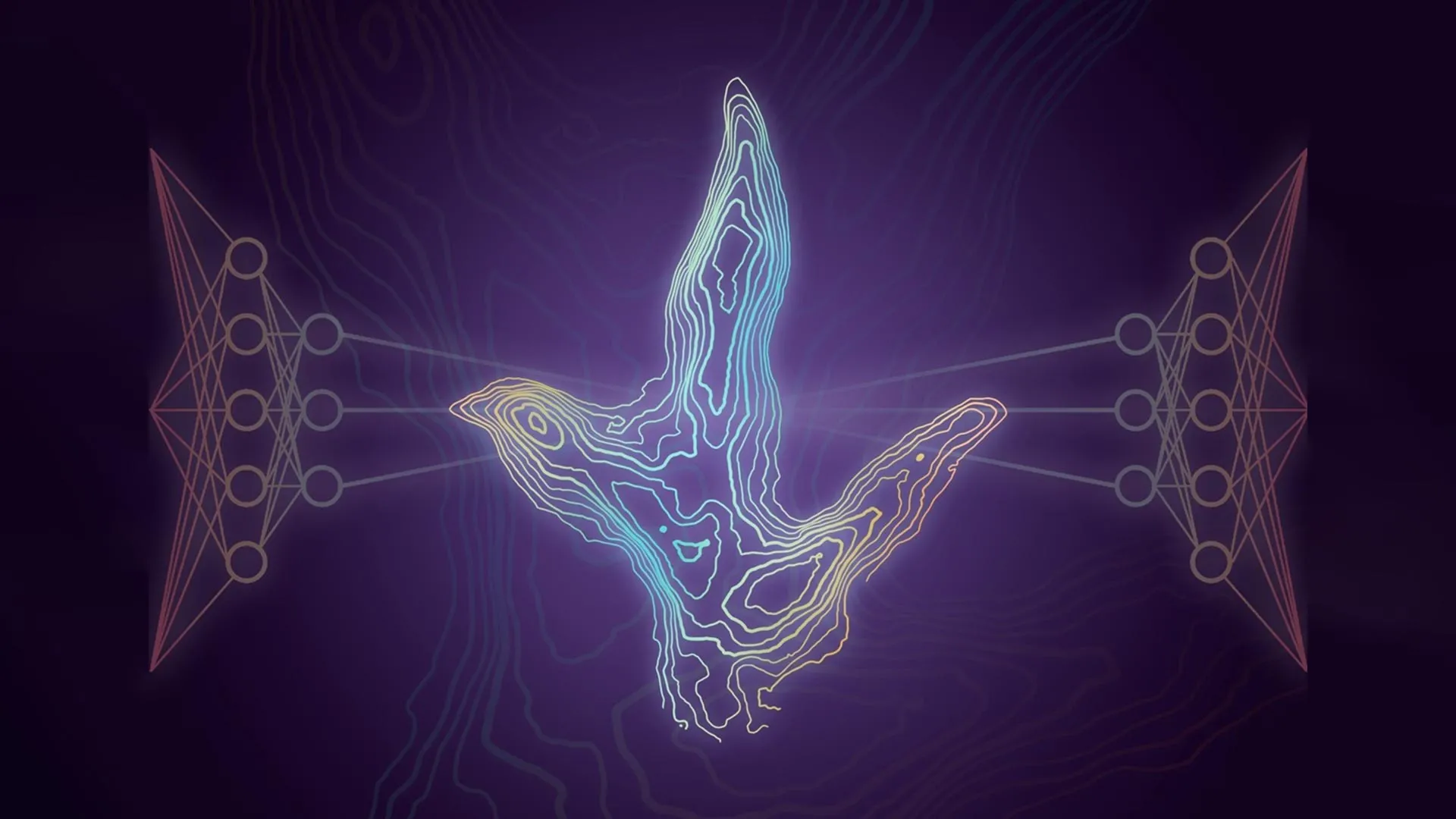
A groundbreaking application powered by artificial intelligence (AI) is transforming the field of ichnology, providing scientists and the general public with an unprecedented tool to identify dinosaur footprints etched into the Earth millions of years ago, according to a recent study. This innovative technology promises to unravel mysteries surrounding fossil tracks that have long presented formidable challenges to researchers, pushing the boundaries of paleontological discovery.
The Enduring Enigma of Ancient Tracks
For centuries, paleontologists have meticulously studied ancient footprints, often engaging in rigorous debates over the identity of the creatures that created them. Unlike skeletal remains, which offer definitive anatomical evidence, fossilized tracks – known as ichnofossils – are ephemeral imprints, susceptible to a myriad of post-depositional alterations. Some tracks might unequivocally belong to fearsome carnivorous predators, while others point to the lumbering gait of herbivorous behemoths. Yet, a significant proportion of these ancient pathways have remained ambiguous, with some even sparking questions about the surprisingly early involvement of avian ancestors.
The scientific discipline dedicated to the study of fossil tracks and traces, ichnology, has always been a cornerstone of paleontology. Footprints provide a unique window into the dynamic lives of prehistoric animals, revealing insights into their locomotion, gait, speed, social behaviors (such as herding), and the environments they inhabited. Crucially, tracks can often be found in areas where skeletal remains are absent, offering the only evidence of a particular species’ presence. However, interpreting these ancient impressions is fraught with difficulty. Factors such as the substrate consistency (mud, sand, silt), the weight and speed of the animal, and the subsequent processes of erosion, compaction, and mineralization (taphonomy) can drastically alter the original shape of a footprint. A perfectly preserved track is a rare find; most are distorted, blurred, or incomplete, making definitive identification a highly subjective and expert-dependent task.
DinoTracker: Ushering in a New Era of Ichnology
Enter DinoTracker, an AI-driven application designed to bring objective, data-driven analysis to this challenging field. With this new app, researchers, amateur paleontologists, and dinosaur enthusiasts alike can simply upload a photograph or even a drawing of a fossil footprint using a mobile phone. The app then performs an immediate, sophisticated analysis, evaluating the intricate shape and structural characteristics of the track to estimate with remarkable precision which type of dinosaur likely made it. This leap forward effectively transforms a process that once required years of specialized training and comparative anatomy into an accessible, instantaneous diagnostic tool.
The development of DinoTracker marks a significant departure from traditional methods that often relied on manually constructed computer databases. These earlier systems linked specific, idealized footprint morphologies to specific dinosaur species. While useful, experts have long acknowledged that such an approach inherently introduced potential biases, particularly when confronted with tracks whose identity was uncertain, disputed, or significantly altered by geological processes. The human element in interpreting ambiguous features, while informed by experience, could lead to inconsistent classifications across different researchers or research groups. The new AI system aims to transcend these limitations by learning directly from the data, minimizing subjective interpretation.
The Genesis of an Intelligent Algorithm
To address the inherent complexities and potential for bias in footprint identification, a dedicated research team embarked on an ambitious project. Led by the Helmholtz-Zentrum research centre in Berlin, in collaboration with the renowned University of Edinburgh, the team developed advanced algorithms that empower computers to autonomously learn the subtle and significant ways in which dinosaur footprints vary in shape. This self-learning capability is at the heart of the AI’s power.
The training regimen for this sophisticated AI system was extensive and meticulously designed. It was exposed to a vast dataset comprising nearly 2,000 genuine fossil footprints, each carefully curated and cataloged. However, recognizing the scarcity of perfectly preserved, unambiguous tracks, the researchers augmented this real-world data with millions of additional simulated examples. These computationally generated variations were crucial. They were specifically engineered to reflect the realistic changes and distortions that occur as footprints are formed and preserved over geological timescales. This included simulating effects such as compression of the substrate, displacement of material around the edges of the track, and partial erosion, all of which contribute to the altered morphology of a fossilized print. By training on such a diverse and realistic dataset, the AI learned to distinguish true anatomical features from taphonomic noise.
Deciphering the Digital Code of a Dinosaur’s Foot
The AI model was designed to recognize and analyze eight key morphological features that serve as critical discriminators between different types of footprints. While the original article provides some examples, we can infer a broader range of characteristics that would be vital for such a system:
- Digit Splay: How far the individual toes spread apart, indicating foot flexibility and weight distribution.
- Heel Position: The relative placement and impression depth of the heel, crucial for distinguishing digitigrade (toe-walking) from plantigrade (flat-footed) stances.
- Surface Area Contact: The total area of the foot that made contact with the ground, reflecting body weight and substrate interaction.
- Weight Distribution: How pressure was distributed across different parts of the foot, offering clues about posture and gait.
- Digit Impression Depth and Length: The clarity, depth, and individual length of toe impressions.
- Presence/Absence of Claw Marks: Distinctive features indicating the presence of claws and their morphology.
- Metatarsal/Palm Impression: Evidence of the impression made by the metatarsals (midfoot bones) or carpal/tarsal pads.
- Overall Track Shape and Symmetry: The general outline and bilateral symmetry (or asymmetry) of the print.
By meticulously analyzing these variations, the AI system could then compare newly input footprints with its vast internal database of known fossil examples, ultimately predicting with high confidence which dinosaur species or group most likely made the tracks. This systematic, quantitative approach removes much of the ambiguity inherent in traditional visual comparisons.
Validated Accuracy and the Promise of Unbiased Analysis
The efficacy of the DinoTracker algorithm was rigorously evaluated against classifications made by seasoned human experts. The results were compelling: the AI system matched the consensus classifications made by paleontologists approximately 90 percent of the time. This high level of accuracy is particularly significant because it extended even to species that are historically considered controversial or exceptionally difficult to identify based on their tracks alone. This demonstrates the AI’s robustness and its ability to discern subtle but critical differences that might elude even the most experienced human eye, especially when dealing with incomplete or distorted specimens.
This robust validation underscores the system’s potential to provide an objective, unbiased method for recognizing variations in footprints and testing hypotheses about their makers. It represents a paradigm shift from subjective expert opinion to verifiable, data-driven analysis, promising a more standardized and reproducible approach to ichnological research worldwide.
Rewriting Evolutionary Timelines: Unexpected Links to Birds
One of the most surprising and potentially profound findings generated by the AI system emerged from its analysis of tracks dating back more than 200 million years. The AI detected striking and unexpected similarities between the morphology of some of these ancient dinosaur footprints and the feet of both extinct avian species and modern birds. This discovery challenges long-held assumptions about avian evolution.
For decades, the feathered dinosaur Archaeopteryx, dating back approximately 150 million years to the Late Jurassic, has been widely considered the earliest known bird. Subsequent discoveries have pushed back the diversification of avian features, but the 200-million-year mark, falling squarely within the Late Triassic to Early Jurassic boundary, is remarkably early. This correlation detected by the AI opens two fascinating possibilities:
- Earlier Avian Emergence: The similarities could genuinely suggest that early bird species, or at least proto-birds with distinctly avian foot structures, emerged tens of millions of years earlier than current scientific consensus allows. This would necessitate a significant re-evaluation of the avian evolutionary timeline and the fossil record.
- Convergent Evolution: Alternatively, it is possible that some early dinosaur groups, independent of the direct lineage to birds, simply happened to evolve feet that closely resembled avian feet due to similar biomechanical demands or environmental pressures. This phenomenon, known as convergent evolution, is common in nature, where unrelated species develop similar traits.
Regardless of which hypothesis ultimately proves correct, this AI-driven discovery provides a powerful new line of evidence to fuel ongoing debates about the origins and early diversification of birds, one of the most enduring mysteries in evolutionary biology.
Unveiling Scotland’s Prehistoric Giants: The Isle of Skye Discovery
Beyond its implications for avian evolution, the DinoTracker system also offered crucial new clues regarding a set of mysterious footprints found on the Isle of Skye in Scotland. These enigmatic tracks were formed on the muddy edge of an ancient lagoon approximately 170 million years ago, during the Middle Jurassic period. For decades, these particular footprints have puzzled scientists, defying definitive classification due to their unique morphology and the scarcity of comparable skeletal remains from that specific locale and time.
The AI’s advanced analysis suggests a compelling answer: these footprints may have been left by some of the oldest known relatives of duck-billed dinosaurs, scientifically known as hadrosaurs or their ancestral forms, the iguanodonts. This identification is highly significant, potentially making the Skye tracks among the earliest definitive examples of this major herbivorous dinosaur group identified anywhere in the world. Hadrosaurs were among the most successful and widespread plant-eating dinosaurs of the Late Cretaceous, known for their distinctive "duck bills" and large dental batteries. Identifying their early relatives from the Middle Jurassic in Scotland provides critical insights into their evolutionary origins, geographical distribution, and the diversification of ornithischian dinosaurs.
Democratizing Discovery: Opening Paleontology to Everyone
Beyond its profound scientific implications, researchers emphasize that this new technology has the potential to democratize the field of paleontology. By making sophisticated analysis accessible through a user-friendly app, DinoTracker creates unprecedented opportunities for the public to actively participate in fossil research. Amateur paleontologists, hikers, and even schoolchildren can now contribute to the collective understanding of prehistoric life by analyzing footprints they encounter.
This citizen science aspect is invaluable. It can lead to the discovery of previously unrecorded tracks, expand the global dataset for research, and foster a deeper appreciation for natural history and scientific inquiry among the wider population. Educational institutions can leverage the app as a powerful teaching tool, bringing the excitement of paleontological discovery directly into the classroom. The ability for individuals to directly engage with scientific questions and contribute meaningful data can inspire a new generation of scientists and conservationists.
Funding, Collaboration, and Expert Acclaim
The development of the DinoTracker app and the associated research study represent a significant collaborative effort, backed by substantial funding from a consortium of prestigious institutions. The study was published in the esteemed journal PNAS (Proceedings of the National Academy of Sciences of the United States of America) and received financial support from the innovations pool of the BMBF-Project: Data-X, the Helmholtz project ROCK-IT, the Helmholtz-AI project NorMImag, the National Geographic Society, and the Leverhulme Trust. This broad base of support underscores the recognized importance and potential impact of this interdisciplinary research.
Dr. Gregor Hartmann of the Helmholtz-Zentrum research centre, a key figure in the project, expressed his enthusiasm for the new methodology. "Our method provides an unbiased way to recognize variation in footprints and test hypotheses about their makers," he stated. "It’s an excellent tool for research, education, and even fieldwork, offering a consistent and objective approach where subjectivity often dominated."
Professor Steve Brusatte, Personal Chair of Palaeontology and Evolution at the School of GeoSciences, University of Edinburgh, lauded the study as a monumental contribution to the field. "This study is an exciting contribution for paleontology and an objective, data-driven way to classify dinosaur footprints – something that has stumped experts for over a century," Professor Brusatte commented. He highlighted the transformative potential: "It opens up exciting new possibilities for understanding how these incredible animals lived and moved, and when major groups like birds first evolved. This computer network might have identified the world’s oldest birds, which I think is a fantastic and fruitful use for AI."
The Future of Fossil Research: A Symbiosis of AI and Ancient Worlds
The introduction of the DinoTracker app signals a pivotal moment in ichnology, bridging the ancient world of dinosaurs with cutting-edge artificial intelligence. By offering an objective, highly accurate, and accessible method for identifying fossil footprints, the technology not only resolves long-standing debates but also generates entirely new hypotheses about evolutionary timelines and prehistoric ecosystems.
The integration of AI into paleontology promises to accelerate discovery, standardize data collection, and foster unprecedented public engagement. As the algorithms continue to learn and the datasets expand, the potential for future revelations is immense. From refining our understanding of dinosaur locomotion and behavior to redrawing the maps of ancient biodiversity and challenging fundamental tenets of evolutionary biology, the DinoTracker app represents a powerful testament to the transformative potential when human ingenuity and artificial intelligence converge to unravel the enduring mysteries of life on Earth.
