
Anchorage, Alaska – Audubon Alaska, in collaboration with the Anchorage Audubon Society and other key partners, has officially launched the Anchorage Birding Trail, a groundbreaking virtual guide designed to make Southcentral Alaska’s extraordinary birdlife more accessible to residents and visitors alike. This new initiative, unveiled as part of Audubon Alaska’s broader Alaska Birding Trails program, transforms the urban landscape of Anchorage into a premier destination for avian enthusiasts, highlighting 35 distinct birding sites from the coastal expanses of Cook Inlet to the rugged peaks of the Chugach Mountains.
The Anchorage Birding Trail represents a significant expansion of Audubon Alaska’s multi-year effort to curate and present guides to birding hotspots across the state. Following the successful establishment of similar virtual trails in Southeast Alaska and the Arctic community of Utqiaġvik, the Anchorage iteration brings this innovative approach to the state’s most populous region. The trail is meticulously designed to celebrate the rich tapestry of birds, vital habitats, often-overlooked natural "hidden gems," and the diverse communities that thrive across the Anchorage Bowl. It serves not only as a navigational tool but also as an educational resource, aiming to deepen public appreciation for the natural world embedded within and surrounding the urban environment.
A New Gateway to Alaska’s Avian Riches
The Anchorage Birding Trail encompasses a diverse array of 35 birding sites, strategically chosen for their ecological significance and accessibility. These locations stretch geographically from the scenic waters of Whittier, through the popular urban oasis of Westchester Lagoon, and eastward into the dramatic landscapes of the Chugach Mountains. Each site featured on the virtual trail is accompanied by comprehensive and user-friendly information, including crucial details such as Indigenous place names, vivid imagery, precise parking instructions, availability of restrooms, specific access notes for varying mobility levels, and any associated entry fees. Furthermore, the trail provides practical tips and advice to assist visitors in planning safe, enjoyable, and rewarding birding outings. This meticulous attention to detail aims to democratize birding, making it a welcoming activity for individuals of all experience levels, from seasoned local birders to first-time visitors eager to discover Alaska’s unique avifauna.
Mr. Whitekeys, president of the Anchorage Audubon Society and a pivotal partner in the trail’s creation, underscored the universal appeal of birding, stating, "Thomas R. Dunlap wrote ‘Birding is easy to begin and impossible to master.’ The Anchorage Birding Trail won’t make you a master, but it’ll get you closer than you are today." This sentiment encapsulates the trail’s dual purpose: to provide an accessible entry point for novices while offering new avenues for exploration and learning for experienced birders.
In conjunction with the trail’s launch, an updated "Birds of Anchorage, Alaska" species checklist has also been published. This essential resource reflects the most current understanding of avian populations in the region, providing a definitive guide for identification and record-keeping. Special acknowledgment was extended to the expert contributions of Alaska’s most respected birders, including Mr. Whitekeys, Andy Bankert, Pat Pourchot, and Thede Tobish, whose collective knowledge was instrumental in the development of both the trail and the checklist. Thede Tobish, recognized by Alaska Public Media as "Alaska’s top birders," emphasized the catalytic role of these new resources. "The new Anchorage Birding Trail and updated Anchorage bird checklist will serve as catalysts to increased understanding of Anchorage bird habitats for visitors and residents alike," Tobish noted. "Birders will learn more about local bird distribution across a wide array of new accessible sites. At the same time, a broader appreciation of preserved lands and their importance to bird use throughout the municipality should come."
Anchorage: A Four-Season Birding Mecca
The decision to focus a significant birding trail on the Anchorage Bowl is underpinned by the region’s extraordinary avian diversity and year-round birding opportunities. As of 2025, a remarkable 285 bird species have been officially recorded within the Anchorage area, illustrating its ecological richness. Of these, approximately 160 species occur annually, including 112 breeding species and 40 regular migratory birds. This exceptional diversity is a direct reflection of Anchorage’s unique geographic position, situated at the critical crossroads of multiple major migration routes. Here, distinct coastal, vast forest, pristine freshwater, and dramatic alpine habitats converge, creating an ecological mosaic that supports a wide array of avian life throughout the year.
Anchorage’s appeal as a birding destination extends across all four seasons. Spring migration commences in late March or early April, reaching its vibrant peak in mid-May with the return of majestic raptors, various gulls, and abundant waterfowl. Songbirds follow suit, appearing in mid-April and continuing their arrival through early June, mirroring the influx of diverse shorebirds. Fall, remarkably, stands as the longest birding season, with the earliest shorebird migrations beginning as early as July and extending well into late fall for species like gulls and swans. Even the harsh Alaskan winter offers its unique rewards. Since 1961, the annual Anchorage Christmas Bird Counts have documented an impressive 96 species, underscoring the city’s enduring value as a year-round haven for birds and birders alike.
Pat Pourchot, a distinguished Alaska birder, highlighted the critical need addressed by the new trail. "Where to go birding in Anchorage and what birds can be expected to be seen in various habitats are frequent questions asked by birders of varying birding experience and skill," Pourchot explained. "An Anchorage birding trail provides great information for residents and visitors alike." This emphasizes the practical utility of the trail in guiding enthusiasts to the most productive and appropriate birding locations, enhancing their chances of successful sightings and deeper engagement with the local ecosystem.
Navigating Diverse Habitats: Coastal, Forest, and Alpine Adventures
To facilitate navigation and optimize the birding experience, the sites along the Anchorage Birding Trail are thoughtfully organized into three broad habitat types: coastal, forest and freshwater, and alpine. This categorization allows users to tailor their birding expeditions based on specific interests, target species, seasonal considerations, or accessibility requirements, making it easier to add new species to their life lists or simply enjoy a day outdoors.
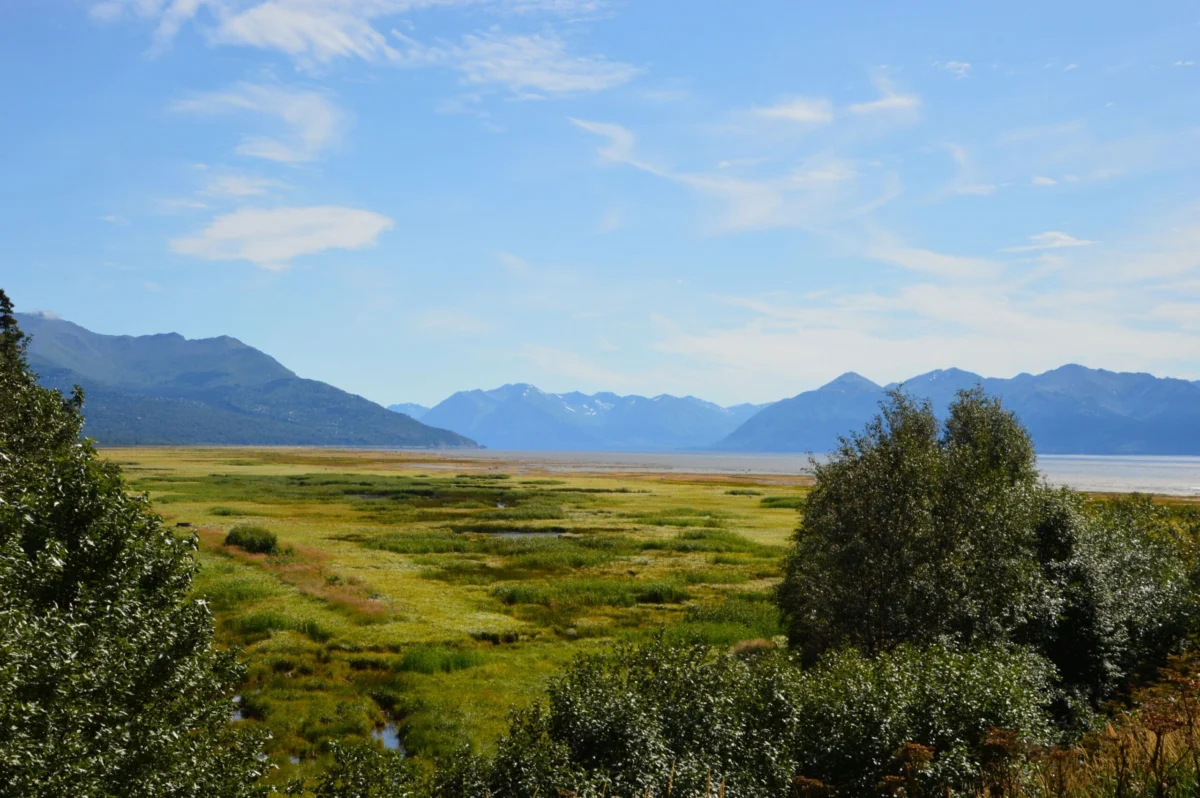
Coastal sites within the trail encompass the dynamic nearshore waters and the expansive intertidal zones of Cook Inlet, along with adjacent areas that are profoundly shaped by marine influences. Iconic locations such as Lower Ship Creek, the expansive Point Woronzof, and the serene Carr-Gottstein Park offer unparalleled opportunities to observe a fascinating array of species. Birders can anticipate sightings of the graceful Arctic Tern, the majestic Trumpeter Swan, the distinctive Sandhill Crane, the striking Red-necked Grebe, the agile Lesser Yellowlegs, and numerous other species that are intricately dependent on these highly productive coastal systems. These areas serve as vital feeding grounds, migratory stopovers, and breeding habitats, showcasing the rich biodiversity supported by Alaska’s marine environments.
Moving eastward, along the dramatic edge of the region, the alpine habitats ascend into the formidable Chugach Mountains. Trail sites like the rugged Arctic Valley, the scenic Prospect Heights, and the accessible Glen Alps provide access to diverse terrains, including tundra, windswept ridgelines, and towering mountain peaks. These high-altitude environments attract specialized species adapted to harsh conditions, such as the elusive Willow Ptarmigan, the diminutive Horned Lark, and the powerful Rough-legged Hawk. As an added bonus, these alpine sites also deliver breathtaking, quintessential Alaskan scenery, offering stunning panoramic views and excellent opportunities for hiking in conjunction with birding.
Nestled between the vast expanse of Cook Inlet and the imposing Chugach Mountains lie the rich forest and freshwater habitats. These areas are home to a variety of trail sites that are seamlessly integrated into Anchorage’s extensive park and trail system. Locations such as Cheney Lake, Sand Lake, and various Kincaid parks offer accessible green spaces where a different suite of birds can be found. Michelle LeBeau, Deputy Director for the Anchorage Park Foundation, highlighted the significance of these urban natural areas. "Anchorage parks and greenbelts on our urban trail system offer accessible ways to connect with nature while providing important habitat for migrating and resident birds," LeBeau stated. "The Anchorage Birding Trail makes it easier for people to discover these places and enjoy some of the best birding our city has to offer." These urban greenbelts serve as crucial corridors and refuges for birds, demonstrating how urban development can coexist with natural conservation efforts.
Conservation, Community, and Economic Connection
The Anchorage Birding Trail is more than just a guide to birdwatching; it is an integral component of Audubon Alaska’s broader Alaska Birding Trails initiative, which is fundamentally designed to foster proactive and creative thinking about the complex challenges facing both human communities and the natural world. These trails strategically highlight Audubon-designated Important Bird Areas (IBAs) and other critical birding hotspots—many of which are under increasing pressure from development projects or other environmental threats. By drawing attention to these invaluable sites, the initiative aims to build widespread awareness and garner essential public support for conservation efforts across Alaska’s vast public landscapes.
Beyond its ecological benefits, birding trails also play a significant economic role. By fostering sustainable tourism built around Alaska’s unique bioregions, they actively contribute to the growth of local economies while simultaneously reinforcing the intrinsic value of healthy public lands and waters. Bird tourism in Alaska is a substantial industry, attracting hundreds of thousands of visitors annually and supporting thousands of jobs across various sectors. This demonstrates a powerful synergy, illustrating how conservation and responsible recreation can effectively work hand-in-hand to benefit both local communities and the diverse wildlife they cherish.
David Krause, Vice President for the National Audubon Society’s Alaska Program, articulated the profound connection between birds and the identity of Anchorage. "Be it swans on Westchester Lagoon or eagles at Potter Marsh, birds are one of the unique features that make Anchorage a truly special place to live and visit," Krause remarked. "It’s our hope that the Anchorage Birding Trail will foster a greater appreciation for the wonder of birds, while contributing to sustainable economic development across the municipality." This perspective underscores the trail’s potential to elevate Anchorage’s profile as a premier ecotourism destination, drawing visitors who value sustainable travel and nature-based experiences.
Ultimately, the Anchorage Birding Trail extends a compelling invitation for people to experience Anchorage—a city often perceived primarily as an urban hub rather than a birding destination—through a deeper and more meaningful connection to its birds, habitats, and sense of place. By meticulously bringing together easily accessible sites, robust ecological knowledge, and invaluable community insight, the trail not only makes birding more approachable for everyone but also powerfully highlights the critical value of protecting the Southcentral Alaskan landscapes that sustain both its abundant wildlife and its human inhabitants.
As global interest in birding continues its upward trajectory, this innovative new resource is poised to inspire a new generation of environmental stewards, bolster local economies through sustainable tourism, and ultimately ensure that Anchorage’s remarkable and diverse birdlife can be cherished and appreciated for countless generations to come. The official launch of the Anchorage Birding Trail will be celebrated with a ribbon-cutting ceremony on Wednesday, May 27, from 5 to 6:30 p.m. at Westchester Lagoon, followed by an engaging guided bird walk led by Audubon Alaska staff. Further information and registration details for this inaugural event can be found on the Audubon Alaska event registration page, marking the beginning of a new chapter for nature appreciation in Anchorage.
