
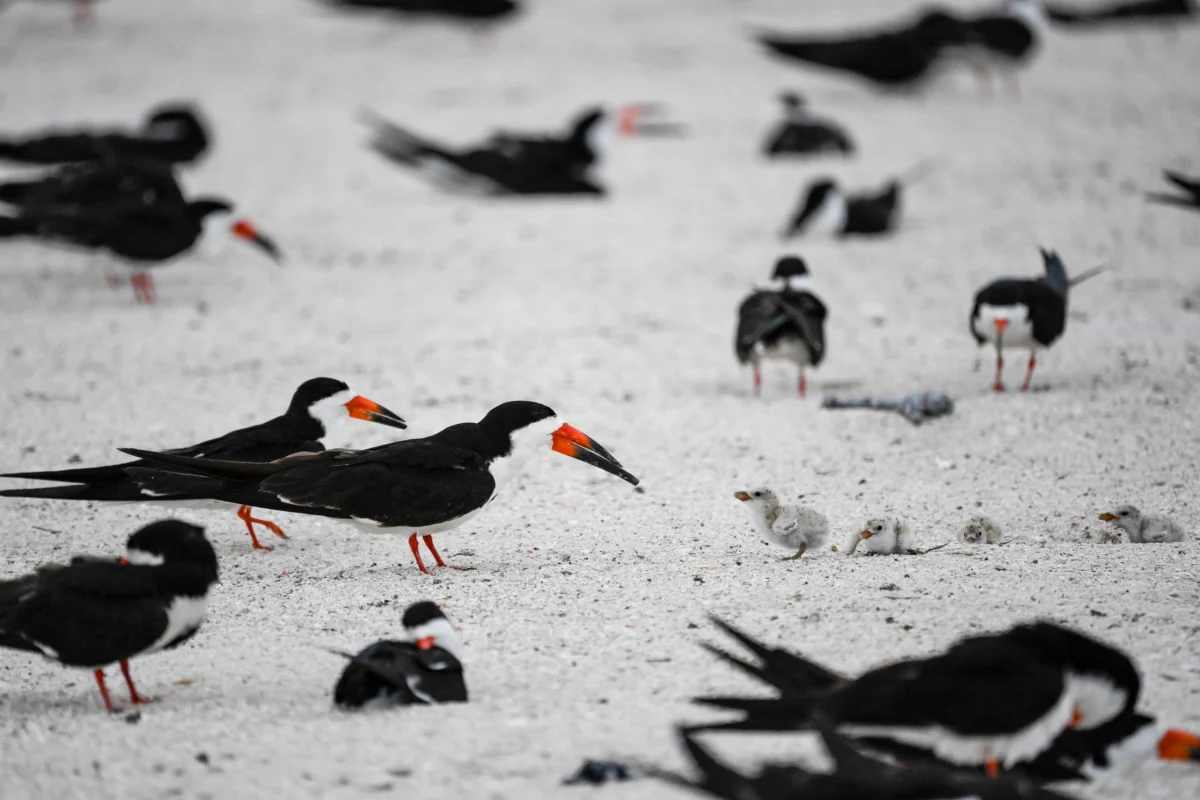
Florida’s expansive and idyllic beaches, while a magnet for millions of tourists and residents, represent critical habitats for a diverse array of vulnerable sea and shorebirds that depend on these coastal environments to successfully raise their young. As the busy summer season commences, marked by the Memorial Day holiday weekend, Audubon Florida is issuing an urgent appeal to all beachgoers: exercise extreme caution and respect nesting areas to ensure the survival of these fragile avian families. These indigenous species, many of which are already facing significant conservation challenges, lay their eggs directly on the sand, making them exceptionally susceptible to human disturbance. An approaching human or an unleashed pet is perceived as an immediate threat, causing adult birds to abandon their nests, leaving eggs and hatchlings exposed to the scorching sun, opportunistic predators, and the very real risk of being inadvertently crushed. The cumulative impact of repeated disturbances can lead to total nest abandonment, severely impacting reproductive success.
The Precarious Plight of Florida’s Coastal Avian Species
Florida’s unique geographical position, characterized by its extensive coastline, barrier islands, and diverse estuarine systems, makes it an indispensable haven for numerous avian species. Among the most vulnerable are ground-nesting sea and shorebirds, whose survival is inextricably linked to the health and tranquility of the state’s beaches. Species such as the Least Tern, Black Skimmer, Snowy Plover, Wilson’s Plover, and American Oystercatcher are iconic residents, yet their populations face mounting pressures. The Least Tern, for instance, a small, agile seabird, creates shallow scrapes in the sand for its clutch of camouflaged eggs, rendering them almost invisible to the casual observer. Black Skimmers, easily identified by their distinctive orange and black bills, nest in colonies, often preferring open, sparsely vegetated beaches. Snowy Plovers, smaller and more elusive, are listed as threatened in Florida, their survival heavily dependent on undisturbed stretches of beach. American Oystercatchers, with their striking black and white plumage and bright orange bills, also lay their eggs in shallow depressions, often adorned with shell fragments for camouflage.
These species share a common vulnerability: their eggs and newly hatched chicks are incredibly camouflaged to blend with the sand and shell fragments, making them almost impossible to spot, even for a vigilant observer. This natural defense mechanism, while effective against natural predators, becomes a significant liability in areas of high human traffic. The state of Florida has witnessed a gradual decline in the populations of several of these species over recent decades, primarily attributed to habitat loss from coastal development, climate change impacts leading to sea-level rise and increased storm intensity, predation, and the pervasive issue of human disturbance. Without dedicated conservation efforts and public cooperation, the future of these essential components of Florida’s coastal ecosystem remains uncertain.
The Annual Nesting Season: A Critical Timeline
The nesting season for Florida’s beach-nesting birds is a prolonged and delicate period, typically commencing in late February or early March and extending through August or even early September for some species. This timeline underscores the sustained vigilance required from the public throughout the warmer months. The process begins with courtship rituals, followed by the meticulous selection of a nesting site – often a shallow depression scraped directly into the sand, sometimes sparsely lined with shell fragments or small pebbles.
Female birds typically lay between one and four eggs, depending on the species. Incubation periods vary but generally last between 20 to 30 days. During this time, both parents often share incubation duties, taking turns to forage and guard the nest. The eggs are remarkably adapted to their environment, their mottled patterns blending seamlessly with the sand, but this camouflage offers no protection against direct physical impact or prolonged exposure.
Upon hatching, the chicks are precocial, meaning they are born relatively well-developed, covered in downy feathers, and capable of moving around shortly after emerging from the egg. However, they are still entirely dependent on their parents for food, warmth, and protection. The fledging period, during which chicks develop their flight feathers and learn to forage independently, can last for several weeks, often up to 3-4 weeks or more. Throughout this entire cycle, from egg-laying to fledging, the birds are highly susceptible to disturbance. A flushed adult bird leaves its eggs or chicks vulnerable to overheating in the intense Florida sun, chilling in inclement weather, or falling prey to gulls, crows, raccoons, or domestic animals. The prolonged vulnerability of these young birds necessitates continuous awareness from all individuals sharing the beaches.
Human Impact: A Growing Threat to Avian Reproduction
The increasing human population in Florida, coupled with the state’s status as a premier tourist destination, amplifies the challenges faced by beach-nesting birds. The convergence of peak human activity with the critical nesting season creates a precarious situation. Various human-related activities, often unintentional, can have devastating consequences for avian reproductive success:
- Direct Disturbance: The most common threat comes from people approaching nesting sites too closely. When adult birds perceive a threat, they will flush from the nest to protect themselves, leaving their eggs or chicks exposed. Repeated flushing can lead to nest abandonment, as the energy expenditure and perceived risk become too high for the parent birds. Even seemingly innocuous activities like picnicking too close to a nesting area can cause chronic stress.
- Unleashed Dogs: Dogs, even well-behaved ones, are natural predators and their presence, especially off-leash, can terrorize nesting birds. A dog running through a nesting colony can cause mass abandonment, crush eggs, or even injure chicks. The scent of a dog can also attract other predators to the area.
- Litter and Debris: Human refuse, such as discarded food scraps, fishing lines, plastic bags, and general litter, not only pollutes the environment but also attracts opportunistic predators like gulls, crows, and raccoons to nesting areas. Fishing lines can entangle birds, leading to injury or death, while plastic debris can be ingested.
- Recreational Activities: Activities such as flying kites or drones near nesting areas can be perceived as large aerial predators by the birds, causing them to flush from their nests. Loud noises from parties, fireworks, or vehicles can also cause significant stress and disturbance.
- Beach Renourishment Projects: While often necessary for coastal protection and tourism, large-scale beach renourishment projects, if not carefully timed and executed, can destroy existing nesting habitats or render newly created habitats unsuitable during critical nesting periods. Collaboration between conservation groups and coastal management agencies is crucial to mitigate these impacts.
The sheer volume of human presence on Florida’s beaches, particularly during holidays and weekends, underscores the urgent need for widespread public education and adherence to conservation guidelines.
Audubon Florida’s Response: Stewards and Advocacy in Action
Recognizing the escalating threats, Audubon Florida has long been at the forefront of conservation efforts for the state’s coastal birds. The organization’s approach integrates scientific research, robust advocacy, comprehensive public education, and direct on-the-ground conservation initiatives. A cornerstone of their strategy during the nesting season is the deployment of dedicated bird stewards. Over the Memorial Day weekend, these highly trained volunteers and staff will be out in full force at critical locations across the state where human recreational activities frequently overlap with active bird nesting sites.
These stewards serve as vital ambassadors for nature. They are trained to identify nesting areas, monitor bird behavior, and gently educate beachgoers about the presence of nesting birds. Their role is not merely to enforce rules but to foster understanding and appreciation. They inform coastal visitors about the specific species present, explain the vulnerabilities of eggs and chicks, and clarify the significance of posted areas. By engaging directly with the public, stewards help individuals grasp the immediate impact of their actions and encourage responsible beach etiquette.
Audrey DeRose-Wilson, Director of Bird Conservation for Audubon Florida, emphasized the critical nature of public cooperation, stating, "Audubon urges beachgoers to be aware of the special birds that share the shore with them this holiday weekend. These incredible creatures rely on our beaches for their survival, and by following a few simple guidelines, you can play a direct role in keeping these feathered families safe and ensuring the continued biodiversity of Florida’s coastlines." She further elaborated on the long-term commitment, adding, "Our stewards are vital, but the responsibility ultimately rests with every individual who enjoys these magnificent natural spaces. We must coexist respectfully."
Audubon’s broader efforts extend beyond on-the-ground stewardship. The organization conducts scientific surveys to monitor bird populations, tracks nesting success rates, and identifies emerging threats. This data informs their advocacy work, influencing policy decisions at local, state, and federal levels to protect critical habitats and strengthen environmental regulations. Their educational outreach includes creating informative resources, such as the quick reference guide to beach-nesting species, available on their website, which helps the public identify and understand the birds they might encounter.
Key Guidelines for Beachgoers: Protecting Feathered Families
To mitigate human impact and provide a safe environment for nesting birds, Audubon Florida and other conservation partners advocate for adherence to several straightforward, yet crucial, guidelines:
- Respect Posted Nesting Areas: Always observe and respect signs and symbolic fencing (often marked with rope or string) that designate bird nesting sites. These areas are established to protect vulnerable eggs and chicks. Staying out of these marked zones is paramount.
- Keep Dogs Leashed and Away from Nesting Sites: Dogs, even on a leash, can disturb birds. It is best to keep them leashed at all times on beaches where allowed, and to maintain a significant distance from any observed bird activity or posted nesting areas. Many beaches have specific regulations regarding dogs; always check local ordinances.
- Dispose of Trash Properly: Pack out everything you pack in. Securely dispose of all garbage, including food scraps, in designated receptacles. Litter attracts predators that can prey on eggs and chicks.
- Give Birds Space: Maintain a respectful distance from all birds. If a bird appears agitated, is squawking, or begins to fly in circles overhead, it indicates you are too close. A general guideline is to keep at least 150 feet (approximately the length of two school buses) away from nesting birds or flocks of resting shorebirds.
- Avoid Feeding Gulls and Other Birds: Feeding gulls or other opportunistic species can lead to an unnatural concentration of potential predators near nesting areas, increasing the risk to vulnerable eggs and chicks.
- Do Not Fly Drones or Kites Near Nesting Areas: These aerial objects can be perceived as predators by nesting birds, causing them to flush and abandon their nests.
- Watch Your Step: Be mindful of where you walk, especially on open sandy stretches. Eggs and chicks are masterfully camouflaged and can be incredibly difficult to see.
- Educate Others: If you see someone inadvertently disturbing birds, kindly and respectfully share information about proper beach etiquette.
Adherence to these simple guidelines can significantly reduce stress on nesting birds and increase their chances of successful reproduction, contributing directly to the conservation of these vital species.
Broader Implications and Collaborative Conservation
The successful conservation of Florida’s beach-nesting birds carries significant broader implications. Ecologically, these birds are integral components of coastal food webs, acting as both predators and prey, and serving as key indicators of ecosystem health. Their presence signifies a thriving and balanced coastal environment. Economically, healthy bird populations contribute significantly to Florida’s ecotourism industry. Birdwatching is a rapidly growing sector of tourism, attracting visitors who contribute to local economies, and the overall appeal of Florida’s natural beauty, including its diverse wildlife, is a major draw for tourists.
Legally, many of these species are protected under federal statutes such as the Migratory Bird Treaty Act, which makes it illegal to harm or harass migratory birds, their eggs, nests, or chicks. Additionally, several species are listed under Florida’s Endangered and Threatened Species Act, affording them state-level protections. Violations can result in significant fines and even imprisonment, underscoring the seriousness of disturbing these protected populations.
Conservation efforts are rarely undertaken in isolation. Audubon Florida works collaboratively with a wide array of partners, including the Florida Fish and Wildlife Conservation Commission (FWC), local governments, state park services, U.S. Fish and Wildlife Service, and numerous other conservation organizations and community groups. This multi-faceted approach, combining scientific research, policy advocacy, public education, and on-the-ground management, is essential for addressing the complex challenges facing Florida’s coastal ecosystems. The future outlook for these species depends on sustained public awareness, continued scientific research, robust policy frameworks, and the unwavering dedication of conservationists and the public alike.
In conclusion, Florida’s beaches are shared spaces, offering recreation for humans and vital habitat for vulnerable wildlife. The summer nesting season represents a critical juncture for the state’s sea and shorebirds. By embracing a spirit of stewardship and adhering to straightforward guidelines, every beachgoer can become a crucial partner in the conservation of these extraordinary feathered families, ensuring that Florida’s natural heritage continues to thrive for generations to come. Audubon, a nonprofit conservation organization since 1900, continues its mission to protect birds and the places they need, today and tomorrow, believing in a world where people and wildlife thrive in harmony.
