
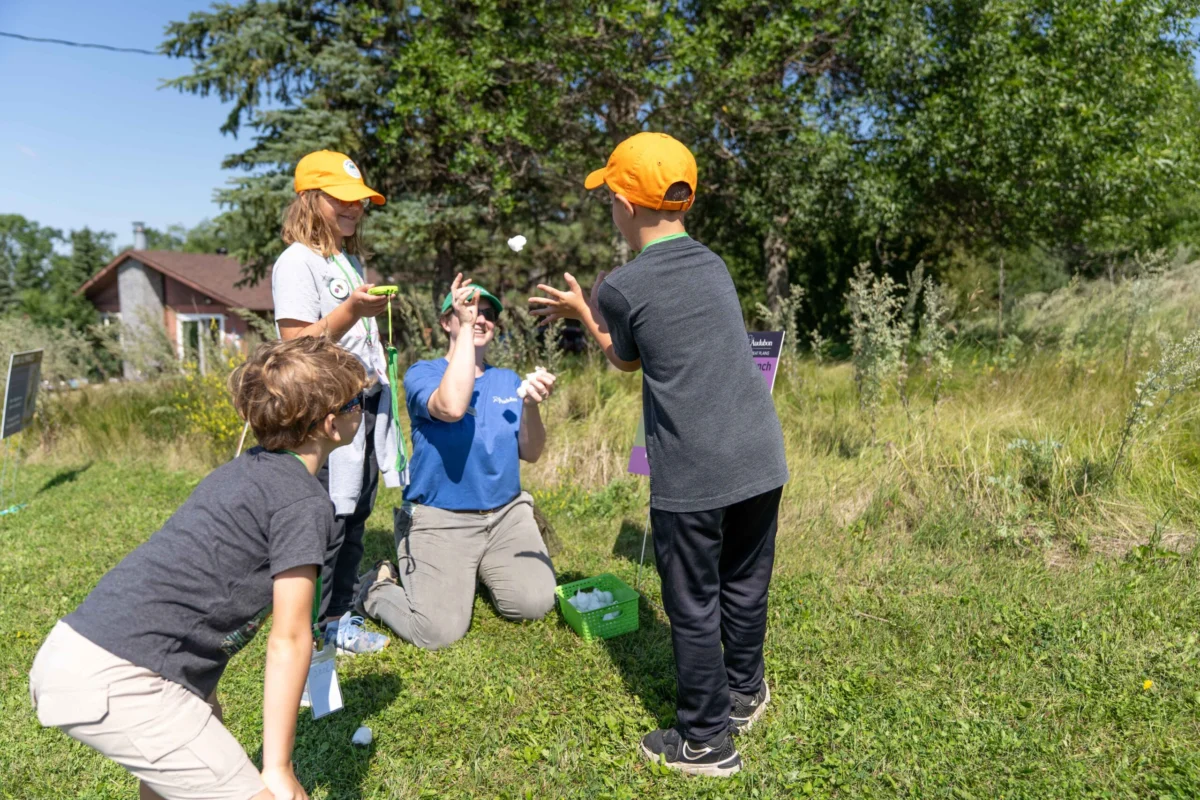
SPIRITWOOD, ND – The National Audubon Society’s Edward M. Brigham III Alkali Lake Wildlife Sanctuary in Spiritwood, North Dakota, has officially opened registration for its highly anticipated 2026 Audubon Adventures Nature Camp. Following a successful inaugural program in 2025, the camp is poised to once again offer children a unique opportunity to immerse themselves in the natural world, fostering a deep connection with the environment through active exploration, engaging play, and hands-on learning experiences. The program, designed for school-aged participants, utilizes the sanctuary’s rich biodiversity to create lasting outdoor memories while educating the next generation of conservationists.
A Return to Nature: The Audubon Adventures Philosophy
At its core, Audubon Adventures Nature Camp embodies the Audubon Society’s broader mission to protect birds and the places they need, today and tomorrow. This mission extends to engaging communities and, critically, educating young people about the importance of ecological stewardship. The camp’s philosophy centers on experiential learning, encouraging children to use all their senses to interact with their surroundings. This approach contrasts sharply with the increasing prevalence of indoor, screen-based activities, offering a vital counterpoint that promotes physical activity, cognitive development, and emotional well-being through direct engagement with nature.
Research consistently highlights the benefits of nature-based education. Studies from institutions like the Children & Nature Network indicate that regular exposure to natural environments can improve academic performance, reduce symptoms of ADHD, boost creativity, enhance problem-solving skills, and foster a sense of environmental responsibility. The Audubon Adventures Nature Camp is meticulously designed to leverage these benefits, transforming the Alkali Lake Wildlife Sanctuary into an expansive, dynamic classroom.
The Ecological Heartbeat: Edward M. Brigham III Alkali Lake Wildlife Sanctuary
The camp’s location is not incidental; it is central to its educational impact. The Edward M. Brigham III Alkali Lake Wildlife Sanctuary, managed by Audubon Great Plains, encompasses critical grassland and wetland habitats. These ecosystems are vital for a diverse array of species, acting as crucial stopovers for migratory birds, breeding grounds for local wildlife, and a complex tapestry of flora and fauna. The sanctuary’s designation underscores its importance in the broader conservation landscape of the Great Plains, an area renowned for its prairie ecosystems that are increasingly under threat from habitat loss and climate change.
North Dakota’s wetlands, often referred to as "prairie potholes," are particularly significant, supporting millions of waterfowl and shorebirds during their annual migrations. The grasslands provide essential nesting and foraging habitat for species like the Grasshopper Sparrow, Western Meadowlark, and various raptors. By hosting the camp within such a rich ecological setting, Audubon provides children with an unparalleled opportunity to witness these intricate relationships firsthand. Campers learn about the delicate balance of ecosystems, the interdependence of species, and the role each element plays in maintaining environmental health. This direct observation cultivates a deeper understanding and appreciation that theoretical lessons often cannot achieve.
Chronology of Cultivating Curiosity: From Vision to Inaugural Success
The journey to the 2025 inaugural camp was one of dedicated planning and passionate execution. For months leading up to August 2025, a palpable hum of excitement began to permeate the offices of Audubon Great Plains staff. This was not the buzz of a Grasshopper Sparrow or the chirp of a Field Cricket, but the anticipation of transforming extensive preparation into a tangible experience for local youth. The vision was clear: create an immersive outdoor education program that would connect children with the unique natural heritage of North Dakota.
Staff members meticulously plotted new trails across the property, mowed pathways, and developed a curriculum rich with hands-on activities. The goal was to provide a safe, engaging, and educational environment where children could explore freely. As the warm morning sun crested the hilltop overlooking Alkali Lake on the first day of camp in August 2025, dew drops still clinging to every blade of grass, the enthusiastic staff were more than ready. Their months of planning culminated in the welcoming of 24 eager campers, marking the beginning of nearly 100 hours of nature-based youth engagement for the inaugural year. This initial cohort provided invaluable feedback and demonstrated the immense potential of the program.
"The success of our first year in 2025 was truly inspiring," remarked Amy Roers, Director of Conservation for Audubon Great Plains. "Seeing the children’s faces light up as they discovered a hidden insect or finally brought a bird into focus with binoculars reaffirmed our commitment to this program. It’s more than just a camp; it’s an investment in the future of conservation, fostering a love for nature in the hearts of these young learners."
Highlights from the 2025 Program: Adventures in Action
The inaugural 2025 Audubon Adventures Nature Camp offered a diverse array of activities designed to engage multiple learning styles and interests. Each day presented unique programming, ensuring that campers attending for one day or all three experienced fresh discoveries.
- Trail Treks and Ecological Exploration: Campers ventured onto newly plotted and mowed trails, providing scope for their imaginations as they explored the varied landscape. Identifying prairie plants, listening to the distinct calls of local birds, and feeling the texture of the earth beneath their feet contributed to a profound sense of adventure. Stops at the hilltop overlooking Alkali Lake offered panoramic views, while descents to the lakefront provided up-close opportunities to observe aquatic plants and insects, understanding the transition between different microhabitats.
- Insect Investigations and Creature Crafting: Using nets and gentle capture techniques, campers had the opportunity to get "up close and personal" with the many insects that thrive within the sanctuary’s ecosystem. Ants, dragonflies, spiders, katydids, crickets, lady beetles, lacewings, and milkweed bugs became subjects of fascinating study. Children learned about their roles in the food web, their identifying features, and their life cycles. This knowledge then fueled creative expression, as campers designed and crafted "creative creatures" using small plant cuttings gathered during their treks, blending scientific observation with artistic interpretation.
- Prairie Impressions and Sun Printing: Artistic endeavors continued with nature’s bounty. Campers collected a variety of plants to make "prairie impressions" using clay, capturing the intricate details of leaves and stems. Sun printing, a historical photographic process, allowed them to create unique botanical artworks by arranging plant specimens on light-sensitive paper and exposing them to the sun, revealing silhouettes against a vibrant blue background. These activities highlighted the beauty and diversity of the sanctuary’s flora.
- Birds & Binos: A First Glimpse: For many, the highlight was the "Birds & Binos" session. Binoculars can be challenging for first-time users, but the patience of the staff and the cooperative nature of various swallows resting on cables and fencing allowed campers to learn how to spot and focus. The elated cry of, "I can see it!" upon bringing a bird into crystal clear focus was a common and cherished sound. Beyond birds, many campers enjoyed scanning for the cattle that graze the property, contributing to grassland health. Staff noted that binoculars frequently topped campers’ wish lists by the end of the program, a testament to the newfound passion for birdwatching.
- Bird Olympics and Outdoor Bingo: To inject an element of playful competition and physical activity, "Bird Olympics" challenged campers to mimic bird behaviors. They flapped their wings like a Ruby-throated Hummingbird, danced with the courtship rituals of a Greater Prairie Chicken, caught imaginary bugs like a Western Meadowlark, or stood on one leg with the grace of a Great Blue Heron. "Outdoor Bingo" encouraged further exploration, as children sought out specific natural finds like a spider web, a unique flower, a bird’s nest, or a pinecone, transforming a simple game into an active scavenger hunt.
- "Duck, Duck, Gray Duck": Fostering Community: Concluding the day with the ever-popular "Duck, Duck, Gray Duck" (a nod to the camp coordinator’s Minnesota roots, where "gray duck" is the traditional call) provided a joyful opportunity for kids just to be kids. This simple game fostered camaraderie and laughter, with campers inventing their own variations like "blue duck," "pink duck," "yellow duck," and the crowd-favorite from last year, "iridescent duck."
Statements from Stakeholders: Echoes of Enthusiasm
"The enthusiasm of the children was infectious," said Sarah Peterson, Audubon Adventures Camp Coordinator. "Each day was a new adventure, not just for them, but for us as well. Witnessing a child’s wonder as they hold a lady beetle, or the sheer joy when they identify a bird they’ve only seen in books, is incredibly rewarding. Our aim is to spark a lifelong curiosity and respect for the natural world."
Parents also lauded the program’s impact. "My daughter came home buzzing with stories every day," shared a parent from Spiritwood, who requested anonymity to speak freely. "She’s usually glued to screens, but after camp, she was asking to go outside and look for birds, pointing out different plants. It’s given her a whole new appreciation for our local environment. We’re definitely signing her up for 2026."
Dr. Eleanor Vance, a local environmental educator and ecologist, highlighted the broader societal implications of such initiatives. "Programs like Audubon Adventures are crucial in addressing what’s often termed ‘nature deficit disorder.’ In an increasingly urbanized and technologically driven world, many children lack direct, sustained contact with nature. These camps provide essential hands-on experiences that are foundational for developing critical thinking, problem-solving skills, and, most importantly, a sense of stewardship for the planet. They are building the environmental leaders of tomorrow."
Broader Impact and Implications for Conservation
The Audubon Adventures Nature Camp serves as a vital component of Audubon Great Plains’ broader conservation strategy. By directly engaging youth, the program helps cultivate a generation that understands and values the importance of protecting crucial habitats. This local initiative contributes to a larger national effort by the Audubon Society to connect people with birds and nature, thereby building a powerful constituency for conservation policies and actions.
The camp also strengthens community ties, providing a valuable educational resource for families in Spiritwood and surrounding areas. It positions the Edward M. Brigham III Alkali Lake Wildlife Sanctuary not just as a protected area, but as an accessible educational hub, inviting the public to engage with Audubon’s work in a meaningful way. The continued success of the camp can lead to increased local support for conservation efforts, volunteerism at the sanctuary, and a greater awareness of environmental issues facing North Dakota.
Furthermore, the program offers a tangible model for how conservation organizations can effectively engage with diverse demographics. By offering flexible registration options (one day or multiple days) and unique daily programming, it caters to various family schedules and interests, maximizing participation and reach. The focus on fun, interactive learning ensures that environmental education is not perceived as a chore but as an exciting journey of discovery.
Looking Ahead: The Ascending Hum of 2026
As the snow melts across North Dakota and the first sounds of spring slowly return, Audubon Great Plains staff are listening intently once again. They anticipate that much-anticipated ascending hum of excitement, signaling the approach of another season of discovery and learning. The success of the inaugural year has only intensified their dedication to providing enriching outdoor experiences.
The 2026 Audubon Adventures Nature Camp promises to build on this foundation, with plans to continue offering unique, engaging programming tailored to spark curiosity and foster a deep appreciation for the natural world. There is always more to explore at Audubon Adventures Nature Camp, and the team is eager to welcome back enthusiastic outdoor learners.
Registration Information for 2026
Registration for the 2026 Audubon Adventures Nature Camp is now open. Programming will be unique for each day, allowing campers to sign up for one day or all of the days.
- Tuesday, August 11, 2026: Register here
- Wednesday, August 12, 2026: Register here
- Thursday, August 13, 2026: Register here
For more detailed information about the camp, its curriculum, and the Edward M. Brigham III Alkali Lake Wildlife Sanctuary, interested individuals are encouraged to visit the official Audubon Adventures Nature Camp website: Audubon Adventures Nature Camp in Spiritwood, ND. This initiative represents a continued commitment by the National Audubon Society to connect communities with nature, nurturing a new generation of environmental stewards in the heart of North Dakota.
