
From the Blue Ridge Mountains to the Outer Banks, North Carolina’s diverse ecosystems are under unprecedented pressure, threatening the rich biodiversity that defines the state, particularly its avian populations. The National Audubon Society and its network of dedicated chapters are at the forefront of advocating for robust policy solutions designed to tackle pervasive habitat loss and other significant threats, aiming to reverse the alarming trend of hemispheric bird declines. This year, key legislative priorities include bolstering conservation trust funds, enhancing protections for vital wetlands, and safeguarding agricultural lands from rapid conversion, alongside monitoring major infrastructure projects like the proposed Wilmington Port expansion. These efforts represent a multi-faceted approach to conservation, recognizing the interconnectedness of land, water, and wildlife across the Tar Heel State.
Financing Bird Conservation: Bolstering North Carolina’s Trust Funds
At the heart of North Carolina’s conservation strategy lies its system of state conservation trust funds, which serve as indispensable tools for preserving the state’s natural heritage. These funds provide crucial financial backing for a myriad of initiatives, ranging from the acquisition and maintenance of local parks and game lands to vital habitat restoration projects and the establishment of conservation easements. Without these dedicated funding mechanisms, irreplaceable landscapes and critical habitats for both birds and people would be vulnerable to irreversible loss.
Historically, North Carolina has demonstrated a commitment to conservation through the establishment of several key trust funds. The Clean Water Management Trust Fund (CWMTF), for instance, has been instrumental since its inception in 1996, providing grants to local governments, state agencies, and non-profit organizations for projects that enhance water quality, protect natural resources, and preserve cultural and historical sites. Similarly, the Parks and Recreation Trust Fund (PARTF), established in 1994, is the primary source of funding for state parks improvements and local government parks and recreation projects, ensuring public access to green spaces and outdoor recreation. A newer, yet equally critical, component is the Agricultural Development and Farmland Preservation Trust Fund (ADFPTF), which directly addresses the pressing issue of farmland loss.
This legislative session, conservation advocates are vigorously pushing for increased appropriations across all three of these vital trust funds. The focus on enhancing these funds underscores a strategic recognition that sustained financial investment is paramount to achieving long-term conservation goals amidst growing development pressures and climate change impacts.
Addressing the Farmland Loss Crisis: A Critical Priority
A specific emphasis this year is being placed on building robust support for the Farmland Preservation Fund. This urgency is driven by alarming projections indicating that North Carolina is on track to lose approximately 1.2 million acres of farmland by 2040. This puts the state second in the United States for projected farmland loss, according to a comprehensive report by the American Farmland Trust (AFT) titled "Farms Under Threat: The State of the States." The report highlights that this loss is primarily due to urban sprawl, low-density residential development, and the conversion of agricultural land to other non-farm uses, often driven by economic pressures on family farms and the lucrative offers from developers.
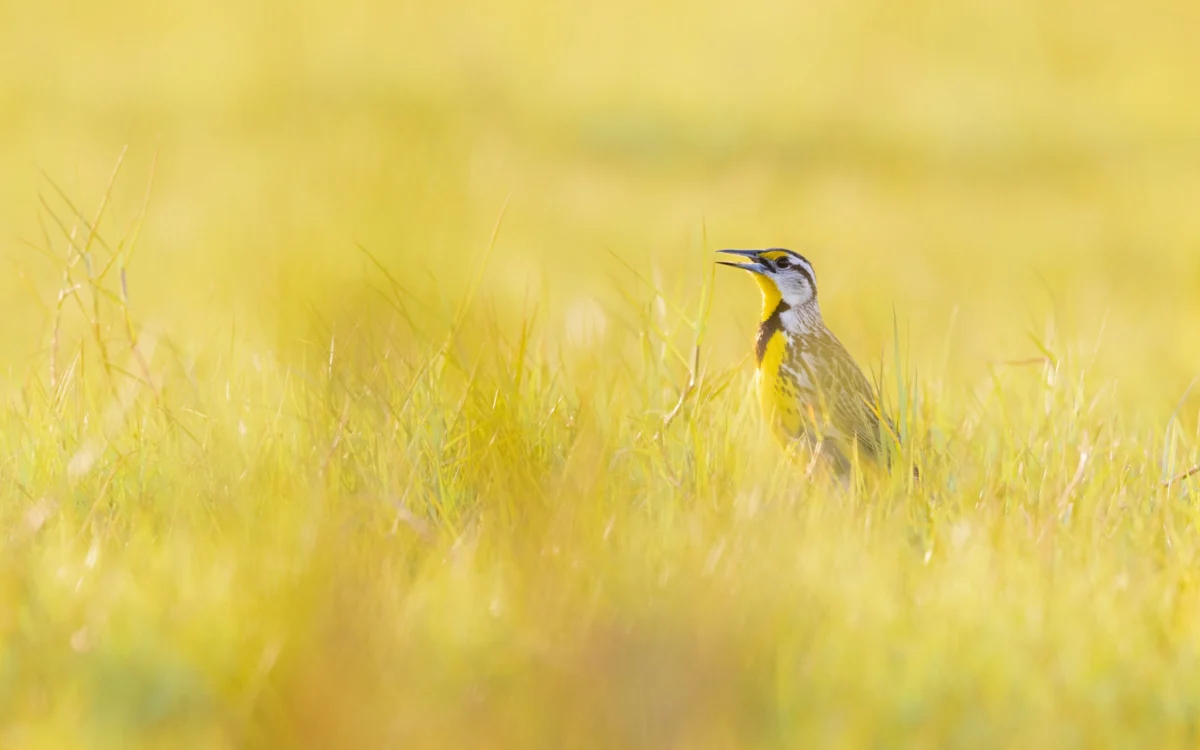
The implications of such extensive farmland conversion are profound, extending beyond the agricultural sector. Ecologically, farmlands, particularly those employing sustainable practices, can provide important foraging and nesting habitats for numerous bird species, including grassland birds like Eastern Meadowlarks and Loggerhead Shrikes, whose populations are already in steep decline. The conversion of these working lands to concrete and asphalt fragments habitats, disrupts migration corridors, and reduces biodiversity. Economically, the loss of farmland diminishes the state’s agricultural productivity, impacts local food systems, and erodes the cultural heritage associated with farming communities.
Zach Wallace, Policy Director for Audubon North Carolina, articulated the dual benefit of preserving these lands: “We want to keep working lands working for farm families and birds. When family landowners are able to keep their forests and farms prospering, we can keep essential bird habitat intact and our communities healthy for generations to come.” This statement encapsulates the integrated approach to conservation, recognizing that the economic viability of rural communities is intrinsically linked to environmental health. By supporting farmland preservation, the state can secure both its agricultural future and critical bird habitats.
Sustaining Conservation Incentives: The Conservation Tax Credit
Beyond direct funding, the state’s legislative agenda also includes a critical effort to retain the Conservation Tax Credit. Reinstated in 2024, this credit provides significant incentives for private landowners to engage in voluntary land conservation. It encourages the protection of forests, farms, fish and wildlife habitat, and buffers around military installations, which are vital for both national security and ecological integrity. The tax credit functions by offering financial benefits to landowners who permanently protect their land through conservation easements or donations, ensuring these lands remain undeveloped and ecologically valuable.
The current sunset clause for this important incentive is set for 2026, posing a looming threat to ongoing and future private conservation efforts. Advocates are therefore urging lawmakers to extend or make permanent the Conservation Tax Credit, emphasizing its proven effectiveness in leveraging private investment for public good. The continuation of this credit is seen as essential for fostering a culture of private land stewardship, which complements public land acquisition efforts and expands the network of protected areas across the state. Without it, many landowners may lack the financial motivation to pursue conservation, leading to further fragmentation and loss of critical habitats.
Rethinking Wetlands Protection: A Call for State Leadership
The protection of wetlands, often referred to as the "kidneys of the landscape," has become a particularly contentious and critical issue, especially in the wake of evolving federal regulations. In 2003, a pivotal Supreme Court ruling (likely referring to the practical implications of Solid Waste Agency of Northern Cook County (SWANCC) v. U.S. Army Corps of Engineers (2001), which limited federal jurisdiction over isolated wetlands, followed by Rapanos v. United States (2006) and the more recent Sackett v. Environmental Protection Agency (2023)) significantly narrowed the scope of wetlands protected under the federal Clean Water Act. These rulings effectively shifted a greater responsibility to individual states to determine how best to protect wetlands that lack a direct surface connection to larger bodies of water, often referred to as "isolated" or "seasonal" wetlands.
North Carolina, with its extensive coastline, vast river basins, and unique wetland types like pocosins, Carolina bays, and bottomland hardwoods, is particularly vulnerable to the consequences of this federal deregulation. While the state has taken some steps to align its regulations with the updated federal definition, there remains a critical opportunity for thoughtful, state-led decisions to protect more than a million acres of wetlands currently under threat. These wetlands, irrespective of their connectivity to navigable waters, provide the same ecological and societal benefits as their larger, more connected counterparts.
The benefits of wetlands are multifaceted and indispensable. They serve as natural sponges, absorbing floodwaters and mitigating the impact of severe weather events, which are becoming more frequent and intense due to climate change. They act as natural filters, improving water quality by trapping pollutants and sediments before they reach rivers, estuaries, and drinking water sources. Furthermore, wetlands are biodiversity hotspots, supporting an astonishing array of plant and animal life, including numerous species of migratory and resident birds, fish, amphibians, and invertebrates. They also offer significant recreational opportunities, contribute to local economies through ecotourism and fisheries, and enhance public health by maintaining ecosystem balance.
Now, more than ever, is the moment for North Carolina to demonstrate leadership. By exploring and enacting robust state-level policies, the state can not only protect its natural heritage but also reflect the full economic and ecological value of wetlands. Such proactive measures would ensure these vital ecosystems continue to support flood-resilient communities and provide essential habitats for birds for generations to come, safeguarding the state’s natural infrastructure against future environmental challenges.
A Critical Victory for Birds in Wilmington: The Port Expansion
Another long-term environmental issue that Audubon North Carolina has been closely monitoring is the proposed expansion of the Wilmington Port by the U.S. Army Corps of Engineers. This project, driven by increasing shipping traffic and the need to accommodate larger container vessels, initially presented significant environmental concerns for the lower Cape Fear River and its surrounding coastal habitats. The proposed dredging and infrastructure development threatened to disrupt sensitive ecosystems, including crucial oyster beds, marshlands, and migratory bird habitats.
In a significant win for conservationists and local communities, the State of North Carolina formally objected to the proposed Wilmington Port Expansion. This objection, articulated through relevant state environmental agencies such as the Department of Environmental Quality (DEQ), came after a sustained and powerful advocacy campaign led by Audubon, which mobilized over 1,000 advocates who voiced their concerns for birds and people along the river. State officials cited serious concerns regarding the potential for irreversible harm to coastal habitats and wildlife, further noting that they had not received sufficient information from the U.S. Army Corps of Engineers to conduct a thorough and comprehensive review of the project’s environmental impacts.
This formal objection represents a substantial hurdle for the port expansion, effectively halting or significantly delaying its progress and forcing a re-evaluation. It underscores the power of public engagement and coordinated advocacy in influencing major infrastructure decisions. However, as Audubon North Carolina has cautioned, this victory, while significant, does not signify the end of the fight. Large-scale infrastructure projects often have long lifecycles and can be subject to renewed proposals or revised plans.
The ongoing review process necessitates continued vigilance and proactive engagement from environmental groups and concerned citizens. There will likely be future opportunities to lobby state officials to maintain their objections, ensure thorough environmental impact assessments, and explore alternative solutions that balance economic development with ecological preservation. The Wilmington Port case serves as a poignant reminder of the delicate balance between economic growth and environmental stewardship, particularly in rapidly developing coastal regions.
The Broader Picture: Hemispheric Bird Declines and Integrated Conservation
Each of these policy battles—from funding conservation trusts and protecting farmland to safeguarding wetlands and scrutinizing port expansions—is intrinsically linked to the overarching crisis of hemispheric bird declines. Scientific reports, including the landmark "3 Billion Birds Lost" study, have revealed a staggering decline in North American bird populations since 1970, underscoring the urgent need for comprehensive conservation strategies. Habitat loss and degradation remain the primary drivers of these declines, making the preservation and restoration of critical landscapes paramount.
The efforts in North Carolina exemplify a localized yet globally significant approach to conservation. By focusing on interconnected issues, Audubon and its partners aim to create a resilient network of habitats that can support bird populations throughout their life cycles, from breeding grounds to migratory stopovers and wintering areas. This integrated conservation approach recognizes that the health of North Carolina’s natural systems contributes directly to the well-being of bird species that traverse continents.
Ultimately, the policy priorities championed by Audubon North Carolina are not merely about protecting specific parcels of land or individual species; they are about fostering a sustainable relationship between human communities and the natural world. They are about ensuring clean water, resilient communities, and vibrant ecosystems for future generations.
Conclusion and Future Outlook
The current legislative session in North Carolina presents a critical juncture for environmental policy. The advocacy for increased conservation funding, the preservation of agricultural lands, the enhanced protection of wetlands, and the vigilant oversight of major development projects like the Wilmington Port expansion collectively represent a robust agenda for environmental stewardship. These initiatives are designed to address the root causes of bird declines and safeguard the state’s natural capital.
The successes achieved so far, such as the state’s formal objection to the Wilmington Port expansion, demonstrate the tangible impact of sustained advocacy and public engagement. However, the ongoing nature of these challenges demands continued commitment from lawmakers, conservation organizations, and the public. As North Carolina navigates the complexities of population growth, economic development, and environmental protection, the strategic investment in its natural heritage through sound policy will be indispensable for securing a healthy and biodiverse future for its avian residents and human communities alike. The fight for birds, and for the ecosystems they represent, is a continuous one, requiring unwavering dedication and a clear vision for a more sustainable tomorrow.
