
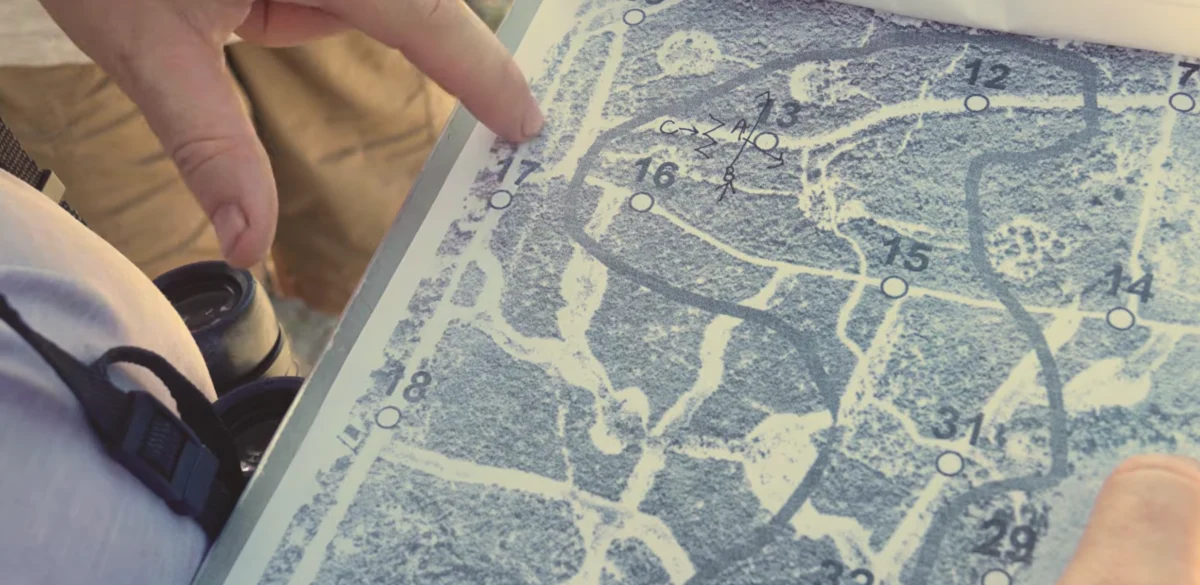
A quarter-century of dedicated community science has cemented the Jay Watch program as an indispensable pillar in the ongoing efforts to monitor and protect the endemic Florida Scrub-Jay, a species critically dependent on the state’s vanishing scrub habitats. Since its inception, the program’s extensive data collection, powered by a network of committed volunteers, has not only provided a granular understanding of scrub-jay populations but has also directly informed and positively influenced vital management decisions across Florida’s threatened ecosystems. This unique volunteer-driven initiative, coordinated statewide by Audubon Florida, represents a powerful testament to the efficacy of citizen science in confronting complex conservation challenges and safeguarding biodiversity.
The Plight of the Florida Scrub-Jay: A Flagship Species in Peril
The Florida Scrub-Jay ( Aphelocoma coerulescens ) is the only bird species endemic to Florida, meaning it is found nowhere else in the world. This charismatic bird, recognizable by its striking blue head and wings contrasting with a gray body, serves as a crucial indicator species for the health of Florida’s ancient scrub ecosystems. These unique habitats, characterized by dense, low-growing oak scrub, scattered pines, and open sandy patches, are naturally maintained by frequent, low-intensity fires. Historically, these scrublands covered vast swathes of central Florida, but relentless human development and agriculture have fragmented and drastically reduced their extent, leading to the federal listing of the Florida Scrub-Jay as a threatened species under the Endangered Species Act.
The scrub-jay’s life history is intimately tied to its habitat. They are cooperative breeders, meaning a breeding pair often has "helpers" – offspring from previous years – that assist in raising new broods, a strategy that enhances reproductive success in their challenging environment. Their survival hinges on the availability of suitable scrub habitat, which must be managed through prescribed burning to prevent it from maturing into dense forest, making it unsuitable for the jays. Without regular fire, the scrub grows too tall and thick, eliminating the open spaces jays need to forage, detect predators, and bury acorns for future consumption, a behavior critical to their diet and survival. The precipitous decline in scrub habitat, estimated to be over 90% lost since European settlement, has placed immense pressure on scrub-jay populations, making robust monitoring and proactive management more critical than ever.
A Quarter-Century of Vigilance: The Jay Watch Chronology
The Jay Watch program was born out of a critical need for comprehensive, long-term population data for the Florida Scrub-Jay, data that traditional, often short-term, scientific studies struggled to provide across the species’ scattered range. Recognizing this gap, Audubon Florida launched the program in 1999. The vision was clear: harness the passion and dedication of community members to gather systematic data on scrub-jay nesting success and population counts, thereby providing a robust dataset for conservationists and land managers.
The initial years focused on establishing standardized survey protocols, training the first cohorts of volunteers, and identifying key scrub-jay territories across the state. Volunteers were meticulously taught how to identify individual birds (often by unique leg bands if present), observe nesting behavior, count fledgling success, and accurately record population numbers. This rigorous training ensured data consistency and scientific integrity, cornerstones of any effective monitoring program. Over time, as the program gained momentum and proved its value, the number of participating sites and counties steadily grew. From a handful of initial locations, Jay Watch expanded to cover more than 45 sites across 19 counties today, encompassing a significant portion of the scrub-jay’s remaining range. This organic growth over 25 years underscores the sustained commitment of both Audubon Florida and its vast network of volunteers.
The Mechanics of Monitoring: How Jay Watch Works
At its core, Jay Watch operates on a principle of structured, repeatable scientific observation. Audubon Florida coordinates the statewide effort, providing essential training, materials, and ongoing support to its volunteer community scientists. Each year, typically between March and July, corresponding with the scrub-jay’s nesting season, volunteers commit to multiple survey trips to their assigned sites.
The surveys involve systematically traversing predefined routes within scrub-jay territories. Volunteers record crucial metrics, including:
- Presence/Absence: Confirming the continued presence of jays in known territories.
- Population Counts: Counting the total number of individual scrub-jays observed in a given area, differentiating adults from juveniles and identifying breeding pairs and helpers.
- Nesting Success: Meticulously observing nests to determine clutch size, hatching success, and, most importantly, the number of fledglings that successfully leave the nest. This metric is vital for understanding reproductive output and population dynamics.
- Habitat Conditions: Recording general observations about the scrub habitat, such as height, density, and evidence of recent fire or disturbance, which can influence jay behavior and survival.
All collected data are meticulously recorded on standardized forms and then submitted to Audubon Florida, where they are compiled, validated, and analyzed. This centralized data management system ensures that the information is accessible, accurate, and can be used to identify trends and inform strategic conservation actions. The program’s long-term consistency in methodology across various sites and over two decades is a rare and invaluable asset in ecological research, allowing for meaningful comparisons and robust trend analysis that would be impossible with short-term, localized studies.
The Unparalleled Power of Community Science
What truly sets Jay Watch apart, and contributes immensely to its success, is its reliance on dedicated volunteer community scientists. This model offers several distinct advantages over traditional research approaches:
- Scale and Scope: Recruiting hundreds of volunteers allows for simultaneous data collection across a vast geographic area, far exceeding the capacity of a limited team of professional researchers. This broad coverage provides a more comprehensive picture of the species’ status across its fragmented range.
- Cost-Effectiveness: Volunteers donate their time, expertise, and often their own resources, significantly reducing the operational costs of a large-scale monitoring program. This financial efficiency allows conservation organizations to allocate resources to other critical areas like habitat acquisition and restoration.
- Long-Term Commitment: Many Jay Watch volunteers return year after year, building deep institutional knowledge of their assigned sites and the individual jays within them. This continuity fosters a rich understanding that enhances data quality and allows for the detection of subtle, long-term changes.
- Public Engagement and Education: The program transforms ordinary citizens into active participants in conservation. Volunteers gain hands-on experience in scientific methodology, deepen their understanding of ecological principles, and develop a profound appreciation for Florida’s unique natural heritage. This direct engagement fosters a powerful constituency for conservation and raises public awareness about the scrub-jay’s plight.
- Empowerment: Volunteers feel a direct connection to the conservation outcomes, knowing that their efforts are making a tangible difference. This sense of ownership and purpose is a powerful motivator, driving sustained participation and advocacy.
Over the past 25 years, thousands of volunteers have collectively contributed hundreds of thousands of hours to Jay Watch. This immense dedication translates into millions of individual data points, creating one of the most comprehensive and continuous datasets for any federally threatened bird species. This human capital is, arguably, the program’s most valuable asset.
Shaping Management Decisions and Boosting Populations
The wealth of critical data generated by Jay Watch volunteers has not merely accumulated; it has been actively utilized by land managers, state and federal agencies, and conservation organizations to inform and refine strategies for scrub-jay recovery. The program’s data provides real-time insights into population trends, nesting success rates, and the impacts of habitat changes or management interventions.
Specifically, Jay Watch data has been instrumental in:
- Prioritizing Prescribed Fire: By identifying areas with declining scrub-jay populations or those where scrub habitat has become overgrown, the data helps land managers prioritize and plan prescribed burns. These controlled fires are essential for rejuvenating the scrub, creating the low, open canopy that jays require for foraging and nesting. Post-fire monitoring by Jay Watch volunteers then assesses the effectiveness of these burns.
- Informing Habitat Restoration: Data on population distribution and habitat use guides restoration efforts, ensuring that resources are directed to areas most critical for scrub-jay survival and expansion. This includes identifying suitable sites for new scrub creation or enhancement of existing, degraded habitats.
- Guiding Land Acquisition and Protection: Jay Watch data helps conservation groups and government agencies identify and prioritize key parcels of land for acquisition, ensuring that remaining critical scrub-jay habitats are permanently protected from development.
- Evaluating Conservation Strategies: The long-term nature of the data allows for an assessment of the efficacy of various conservation actions. If a particular management strategy is not yielding positive results for scrub-jay populations, the data provides the evidence needed to adjust or re-evaluate the approach.
- Contributing to Recovery Plans: Jay Watch data directly feeds into state (Florida Fish and Wildlife Conservation Commission – FWC) and federal (U.S. Fish and Wildlife Service – USFWS) recovery plans for the Florida Scrub-Jay, providing essential metrics for gauging progress towards recovery goals.
The evidence suggests that these data-driven decisions are indeed "affecting scrub-jay populations for the better." While the overall species still faces significant threats, populations in well-managed public and private lands, where Jay Watch operates, have shown signs of stabilization or even modest increases. This stands in stark contrast to unmanaged areas where scrub-jay numbers continue to dwindle. For instance, data might show improved nesting success in areas that underwent prescribed burns compared to those that did not, providing tangible proof of the effectiveness of active habitat management.
Official Responses and Broader Implications
The success of Jay Watch has garnered widespread recognition from various stakeholders.
Dr. Marianne Korosy, Director of Bird Conservation at Audubon Florida, reflects on the program’s legacy: "For 25 years, Jay Watch has been a beacon of hope for the Florida Scrub-Jay. Our volunteers are not just observers; they are active conservationists whose dedication provides the backbone for scientific understanding and effective land management. Their collective efforts have turned raw data into actionable insights, proving that community science is an indispensable tool for protecting our unique biodiversity."
A representative from the Florida Fish and Wildlife Conservation Commission (FWC), often a recipient of Jay Watch data, might state: "The partnership with Audubon Florida and its Jay Watch program is invaluable. The long-term, high-quality data provided by their community scientists offers a critical lens through which we monitor scrub-jay populations and assess the health of Florida’s scrub ecosystems. This collaboration ensures our conservation strategies are data-driven and responsive to the real-world needs of this threatened species."
A long-time Jay Watch volunteer, Maria Rodriguez, expresses her motivation: "Being out in the scrub, observing these incredible birds, and knowing that my time contributes directly to their survival is incredibly rewarding. It’s more than just counting birds; it’s being part of a larger community dedicated to protecting a piece of Florida’s wild heart. Every year, I look forward to seeing the new fledglings and knowing our work makes a difference."
The implications of Jay Watch extend beyond the Florida Scrub-Jay. It serves as a powerful model for other conservation initiatives globally, demonstrating how organized community science can provide:
- Long-Term Ecological Monitoring: The program exemplifies the necessity and feasibility of sustained monitoring, which is often difficult to fund through traditional grants.
- Bridging Science and Community: It effectively connects scientific research with public participation, fostering environmental literacy and stewardship.
- Informing Policy and Land Use: The robust data can influence land-use planning, policy decisions, and funding allocations for conservation.
The Future of Florida Scrub-Jay Conservation
As Jay Watch enters its next quarter-century, challenges persist. Florida continues to experience rapid population growth and development pressure, leading to further habitat fragmentation. Climate change introduces new variables, potentially altering fire regimes and the suitability of existing scrub habitats. Sustaining volunteer engagement, adapting to new technologies for data collection and analysis, and securing ongoing funding will remain priorities for Audubon Florida.
However, the foundation laid by 25 years of Jay Watch provides a strong platform. Future efforts will likely include exploring deeper analytical methods for the vast dataset, expanding outreach to new communities, and potentially integrating new technologies like GIS mapping and remote sensing to enhance data collection and visualization. The program will continue to play a pivotal role in advocating for the protection and restoration of Florida’s unique scrub ecosystems, ensuring that the emblematic Florida Scrub-Jay, and the rich biodiversity it represents, thrives for generations to come. The enduring success of Jay Watch underscores the profound impact that dedicated individuals, united by a common purpose, can have on the future of our natural world.
