
With unwavering optimism and a profound long-term commitment, the National Audubon Society is galvanizing people across the Americas to safeguard bird populations and the vital habitats essential for all life. This extensive collaborative network, spanning from the Canadian Arctic to the Patagonian plains, underscores a foundational belief: the future of both avian species and human communities is inextricably linked, demanding coordinated, science-driven action in the face of escalating environmental challenges. The organization’s century-plus legacy is not merely one of advocacy but of fostering practical, on-the-ground solutions through robust partnerships, community engagement, and pioneering scientific research.
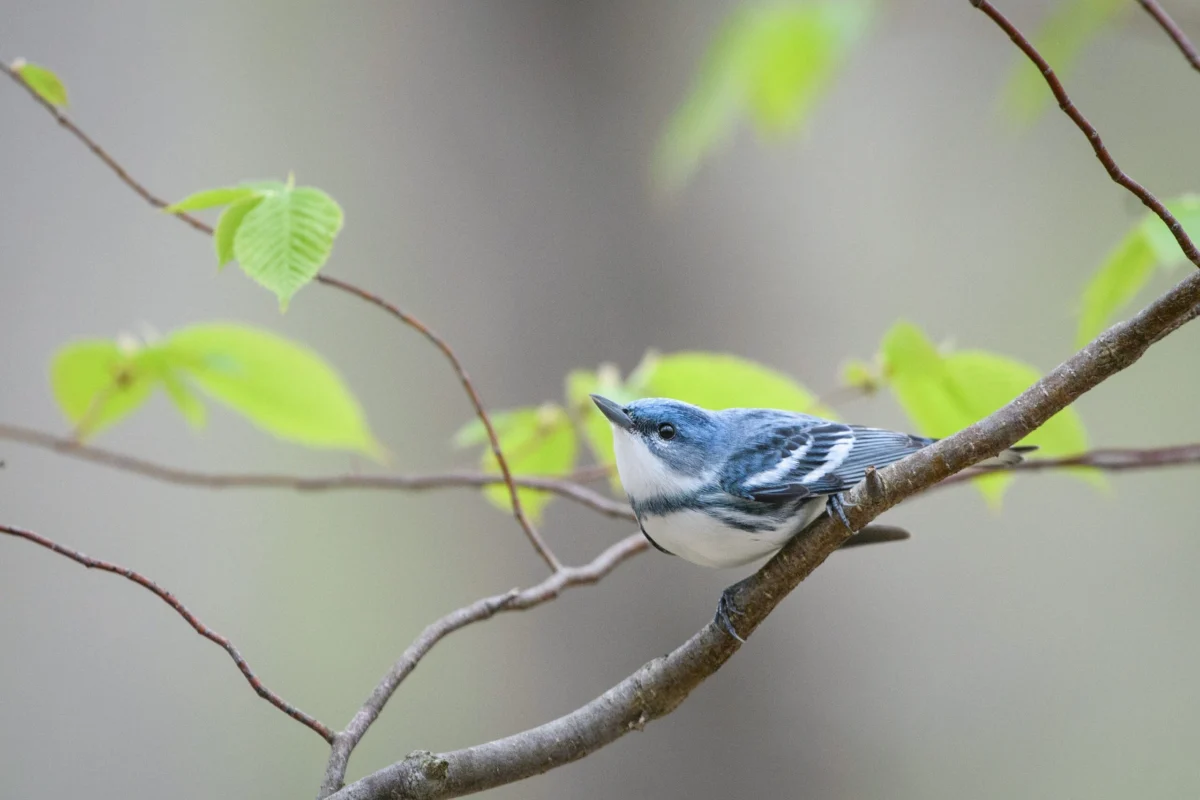
The annual migration of the Cerulean Warbler serves as a poignant emblem of this interconnectedness. Each spring, these delicate songbirds undertake an arduous journey northward from their wintering grounds in South America, braving the vast expanse of the Gulf of Mexico to reach their breeding territories in the eastern United States and southern Canada. Their survival, like that of countless other migratory species, hinges entirely on the health and continuity of habitats stretching across multiple sovereign nations and diverse ecosystems. This epic avian odyssey illuminates a fundamental truth: environmental challenges transcend political borders, and effective conservation, particularly in the era of climate change, necessitates a unified, hemispheric approach. Birds, in their vulnerability and resilience, act as living indicators, signaling the health of our shared planet and demonstrating the profound potential of collective human endeavor.
The Urgent Crisis: Bird Populations and Climate Change
Humanity stands at a critical juncture, facing unprecedented challenges that impact birds, the planet, and people alike. Habitat destruction, driven by expanding agriculture, urban sprawl, and resource extraction, coupled with the escalating intensity and frequency of extreme weather events, is rapidly reshaping the natural landscapes we cherish and rely upon. The scientific consensus paints a stark picture: bird populations globally are experiencing alarming declines. In North America alone, an estimated 2.9 billion birds have been lost since 1970, representing a staggering 29% reduction across all species. This decline is not uniform; some groups, such as grassland birds, have seen losses exceeding 50%. The National Audubon Society’s comprehensive "Survival by Degrees" report warns that approximately two-thirds of North American bird species face an uncertain future if global temperatures continue to rise unchecked. Further south, the situation is equally dire, with more than 75 percent of Latin American forest bird species at risk under similar climate projections, as detailed in Audubon’s "Quiet Canopies" analysis. These statistics are not abstract; they represent a tangible loss of biodiversity, ecological function, and natural beauty. Birds, as highly sensitive indicators of environmental health, are signaling a systemic imbalance that demands immediate and comprehensive intervention. Their plight serves as a powerful reminder of our shared destiny and the imperative to act decisively to foster meaningful, lasting change.
Audubon’s Enduring Legacy and Collaborative Foundation
The principle that conservation is inherently a collective effort has been the bedrock of Audubon’s philosophy for over 120 years. Founded in 1905, building upon earlier conservation movements, the organization emerged from a pivotal moment in American history when widespread plume hunting threatened many bird species with extinction. Early efforts, spearheaded by dedicated individuals like Harriet Hemenway and Minna B. Hall, led to the establishment of bird protection societies and eventually the National Audubon Society, instrumental in advocating for landmark legislation such as the Migratory Bird Treaty Act of 1918.
This foundational commitment to broad coalitions, informed by rigorous science and anchored in shared values—such as the universal right to clean air and water, the aspiration for resilient communities, and the desire for thriving outdoor spaces—has only deepened with time. While its roots are deeply American, Audubon’s work has pragmatically expanded across the Western Hemisphere, now encompassing crucial partnerships and initiatives in Latin America and the Caribbean. This expansion is a testament to the strength of its partnerships, the tireless dedication of its extensive network of Audubon chapters, its professional staff, and the passionate commitment of countless individuals. Guiding this hemispheric strategy is an ethos of pragmatic optimism and an unwavering long-term commitment, firmly rooted in the conviction that the positive actions undertaken today, however seemingly small, will accumulate over time to yield profound and transformative results. This strategic patience, combined with an agile response to evolving environmental challenges, defines Audubon’s enduring approach.
Pan-American Partnerships: From Canada to Chile
Audubon’s comprehensive strategy to address the twin crises of climate change and biodiversity loss is powered by an extensive network of partnerships with local communities and Indigenous governments across the Americas. This collaborative model recognizes that effective conservation must be locally driven, culturally sensitive, and scientifically sound.
Indigenous Collaboration in Canada: Safeguarding Pristine Wilderness
In Canada, a prime example of this collaborative spirit is Audubon’s work with Indigenous governments and organizations, such as the Seal River Watershed Alliance. This partnership focuses on some of the most ambitious and critically important land conservation initiatives currently underway. The Seal River Watershed, located in northern Manitoba, is a vast, pristine wilderness encompassing an area larger than Nova Scotia. It is a globally significant ecosystem, home to diverse wildlife including caribou, polar bears, and a multitude of bird species, and serves as a vital carbon sink. For millennia, the Sayisi Dene First Nation has been the steward of this land, and their traditional ecological knowledge is paramount to its protection. Audubon’s collaboration with the Seal River Watershed Alliance supports the Indigenous-led proposal to establish an Indigenous Protected Area (IPA) for the entire watershed. This initiative represents a paradigm shift in conservation, recognizing and empowering Indigenous sovereignty and traditional land management practices. The implications are profound: not only does it secure the future of an irreplaceable natural landscape, but it also champions a model of conservation that is equitable, culturally rich, and deeply sustainable, offering a blueprint for similar efforts worldwide.
Conserva Aves: A Multi-National Success Story
Further south, the Conserva Aves initiative stands as a monumental achievement in trans-national bird habitat protection. This ambitious program, led by Audubon in conjunction with a formidable coalition of international conservation powerhouses—including BirdLife International, Birds Canada, American Bird Conservancy, and the Latin American and Caribbean Network of Environmental Funds (RedLAC)—has already facilitated the protection of over 2 million acres of critical bird habitat across eight Latin American countries. These newly designated protected areas are not merely lines on a map; they are vibrant, biodiverse landscapes where local communities play a central and empowered role in their ongoing management and stewardship. This approach ensures that conservation efforts are not imposed but are rather co-created, fostering local ownership, economic benefits, and long-term sustainability. The success of Conserva Aves demonstrates the power of pooling resources, expertise, and local knowledge to achieve conservation outcomes at an unprecedented scale, directly mitigating habitat loss—the primary driver of avian decline—and creating crucial havens for resident and migratory bird species alike.
Science and Community Engagement: Driving Conservation Forward
Audubon’s strategy is deeply rooted in the belief that robust scientific understanding, combined with widespread community participation, is the most potent force for conservation. This dual approach ensures that efforts are both evidence-based and socially resonant.
Climate Watch: Citizen Science in Action
For the past decade, Audubon’s Climate Watch program has exemplified the power of citizen science. This initiative mobilizes thousands of volunteers across the continent to collect crucial data that helps researchers track how bird species are responding to the inexorable shifts brought about by climate change. By repeatedly monitoring specific areas for target species like the Eastern Bluebird and White-breasted Nuthatch during both winter and summer seasons, volunteers provide vital insights into changes in species ranges and distribution patterns. This data is indispensable for understanding climate impacts and informing conservation strategies. A recent winter session of Climate Watch saw students from the Claflin University campus chapter of Friends of the Earth join Audubon staff in South Carolina to count Eastern Bluebirds. This collaboration not only contributed valuable data but also offered these burgeoning environmentalists hands-on experience, connecting academic learning with real-world conservation. Moments like this vividly underscore that the next generation of environmental stewards is not merely waiting in the wings; they are already actively engaged, making tangible and meaningful contributions to the future of conservation. The program fosters a sense of collective responsibility and empowers individuals to become active participants in scientific discovery.
Advocacy for Policy Change: The Farm Bill Example
The spirit of engagement extends powerfully into the realm of public policy. Audubon recognizes that while local action is vital, systemic change often requires robust legislative frameworks. A compelling example is the ongoing advocacy for a modernized Farm Bill in the United States. This monumental piece of legislation, typically reauthorized every five years, allocates billions of dollars for agricultural subsidies, food assistance, and, crucially, conservation programs. Audubon and its allies consistently advocate for strengthening the conservation titles within the Farm Bill, which provide critical financial incentives and technical assistance to farmers and ranchers for implementing bird-friendly practices.
Recently, a delegation of ranchers traveled to Capitol Hill, not merely as lobbyists, but as living testaments to the efficacy of these programs. They shared firsthand accounts of how bird-friendly grazing practices, such as rotational grazing and maintaining diverse native grasslands, not only support healthy bird populations—including declining grassland species like the Greater Sage-Grouse and Western Meadowlark—but also enhance the ecological resilience and economic viability of their working lands. By lending their authentic voices and practical experiences to the legislative conversation, these landowners made a compelling and undeniable case for strengthening conservation incentive programs. Their testimony highlighted that agricultural productivity and environmental stewardship are not mutually exclusive but can, in fact, be synergistic, benefiting both birds and the rural communities that depend on these landscapes.
Local Innovations and Sustainable Solutions
Beyond broad policy and large-scale habitat protection, Audubon’s work is characterized by inventive local solutions that address specific conservation challenges, demonstrating how creativity and collaboration can yield impactful results.
Wildlife Relocation and Renewable Energy Integration in Arizona
In Arizona, a pioneering project illustrates how thoughtful planning can reconcile development with wildlife protection. A local wildlife rehabilitation center partnered with a solar energy developer to relocate Burrowing Owls from a housing development site to an experimental habitat within an existing solar energy complex. Burrowing Owls, known for their unique underground dwellings, often face displacement from rapid urban expansion. The project involved the construction of artificial burrows within the solar farm, followed by meticulous monitoring of the relocated owl families. This innovative approach offers a promising blueprint for how large-scale renewable energy projects, which are critical for climate action, can be designed and implemented with robust wildlife conservation measures integrated from the outset. It demonstrates that with foresight and collaboration, human infrastructure development can proceed in a manner that supports, rather than compromises, biodiversity, offering sustainable solutions for species facing pressures from both habitat loss and climate impacts.
Art and Awareness: The Audubon Mural Project in New York City
The power of art as a medium for conservation awareness is vividly showcased by the Audubon Mural Project in New York City. Collaborating with various community partners, this initiative has transformed urban landscapes, particularly in community gardens, into vibrant canvases. Local artists have painted more than 20 murals featuring climate-threatened bird species, often alongside depictions of the native plants they rely on for food and shelter. These murals, strategically placed in public spaces, serve multiple functions: they beautify urban environments, educate residents about local bird diversity and the threats they face, and highlight the critical importance of native plant species in creating urban oases for wildlife. The project creates a tangible connection between city dwellers and the natural world, fostering a sense of ownership and inspiring local action, such as planting native species in personal gardens or advocating for green infrastructure. It is a powerful reminder that conservation is not confined to remote wilderness areas but is an essential component of healthy, vibrant urban ecosystems.
The Path Forward: Hope, Science, and Collective Action
At this pivotal moment for birds and the broader natural world, the most profound hope and possibility lie at the dynamic intersection of rigorous science, the development of durable and scalable solutions, and the active engagement of diverse communities. The challenges posed by climate change and biodiversity loss are immense, but the examples set by Audubon and its partners demonstrate that these challenges are not insurmountable.
The comprehensive, hemispheric approach adopted by Audubon—ranging from Indigenous-led conservation in Canada to multi-national habitat protection in Latin America, from citizen science programs across North America to policy advocacy in Washington D.C., and from innovative urban wildlife solutions to community-based art initiatives—underscores a unified vision. It is a vision where ecological integrity is prioritized, where scientific knowledge informs every step, and where the voices and actions of local communities are empowered and celebrated.
By fostering these broad coalitions and investing in both top-down policy changes and bottom-up grassroot efforts, Audubon and its allies are not just mitigating decline; they are actively working to reverse bird population losses and to protect and restore the vital places that sustain not only avian life but also the intricate web of biodiversity upon which all human well-being ultimately depends. The future of birds, and indeed the future of a healthy planet, rests on the continued amplification of this spirit of collaboration, innovation, and unwavering commitment to collective action.
