
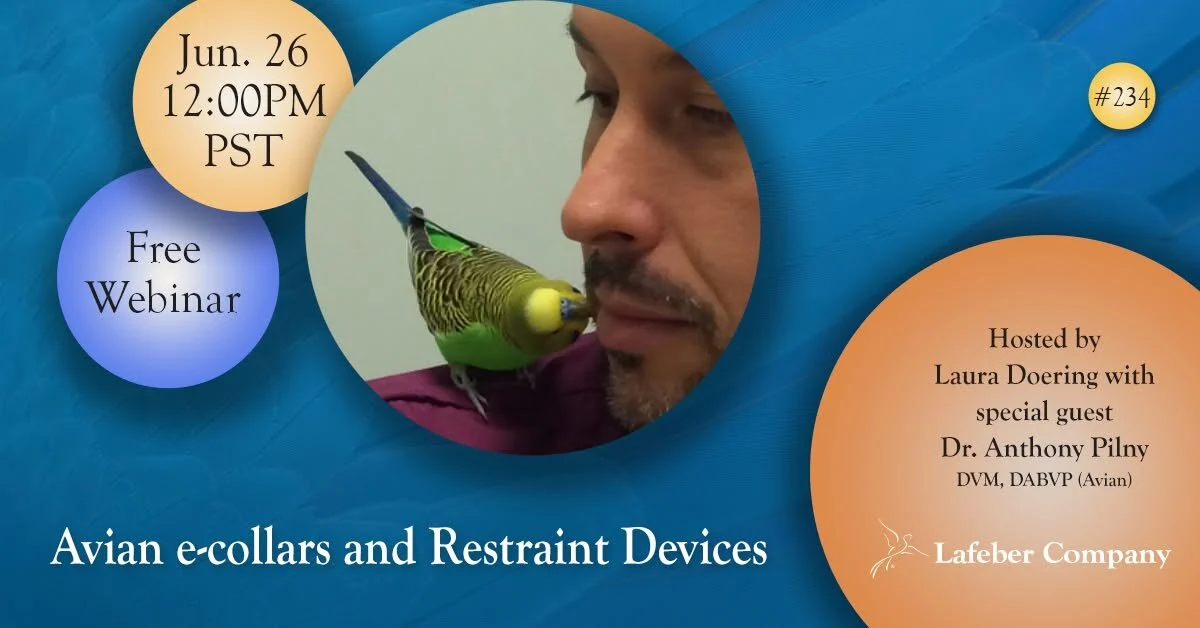
In an upcoming webinar scheduled for Friday, June 26, 2026, at 12:00 p.m. PDT, Dr. Anthony Pilny, a distinguished veterinarian specializing in avian medicine, will present a comprehensive session on the critical use of avian e-collars and restraint devices. This educational event aims to equip bird owners, veterinarians, and avian care professionals with essential knowledge regarding the application, benefits, and best practices associated with these vital tools in supporting a bird’s recovery and well-being.
The webinar, hosted by [Insert Hosting Organization Name Here – e.g., Lafeber Company, Avian Veterinary Association, etc.], will delve into the nuanced world of avian post-operative and injury care, focusing on how specialized collars and devices can prevent self-inflicted trauma, protect surgical sites, and facilitate a smoother healing process for a wide range of avian species. Dr. Pilny, a Diplomate of the American Board of Veterinary Practitioners (ABVP) with extensive experience in avian medicine, is set to share his expertise, offering practical insights and guidance drawn from years of clinical practice.
Understanding the Need for Avian E-Collars and Restraint Devices
Birds, by their nature, are highly sensitive creatures, and their natural instincts can sometimes work against their healing process. The instinct to groom, preen, or investigate injuries can lead to the exacerbation of wounds, disruption of sutures, and the introduction of secondary infections. This is where avian e-collars and restraint devices become indispensable. These tools act as a physical barrier, preventing birds from accessing and damaging healing areas, thereby promoting faster and more effective recovery.
The necessity for such devices arises in various clinical scenarios, including:
- Post-Surgical Recovery: Following any surgical procedure, from routine spays and neuters to more complex orthopedic or tumor removals, birds are at risk of interfering with sutures or incisions.
- Wound Management: Open wounds, lacerations, or burns require protection from pecking and chewing to allow tissue regeneration.
- Management of Dermatological Conditions: Certain skin conditions or feather-picking disorders can cause self-inflicted damage that needs to be curtailed.
- Prevention of Feather-Picking and Self-Trauma: In cases of behavioral or medical feather-picking, e-collars can provide a crucial intervention to break the cycle of self-harm.
- Protection of Nascent Feather Growth: After molting or plucking, new feathers are delicate and susceptible to damage.
The webinar’s focus on these devices underscores their role as a cornerstone of supportive care in avian veterinary medicine. Dr. Pilny’s presentation is expected to cover the latest advancements and considerations in the design and application of these tools, ensuring that they are not only effective but also as comfortable and stress-free for the bird as possible.
Dr. Anthony Pilny: A Leading Voice in Avian Health
Dr. Anthony Pilny is a highly respected figure in the field of avian and exotic animal medicine. His dedication to advancing the health and welfare of these specialized pets has led him to numerous leadership roles and contributions to veterinary literature. As a Diplomate of the American Board of Veterinary Practitioners (ABVP) in Avian Practice, he has met rigorous standards of knowledge and experience, signifying his expertise in this demanding specialty.
Dr. Pilny’s clinical work has provided him with firsthand experience in managing complex cases involving a wide array of avian species, from common companion birds like parrots and finches to more exotic species. His insights into the practical application of restraint devices and e-collars are informed by this extensive hands-on experience. He understands the unique physiological and behavioral characteristics of birds and how these factors influence the effectiveness and acceptance of medical interventions.
The decision to host this webinar highlights the ongoing commitment of [Insert Hosting Organization Name Here] to providing continuing education for veterinary professionals and bird enthusiasts. By bringing together leading experts like Dr. Pilny, the organization facilitates the dissemination of critical knowledge that directly impacts animal welfare.
Webinar Details and Registration Information
The webinar, titled "Avian e-Collars & Restraint Devices," is scheduled for Friday, June 26, 2026. The presentation will commence promptly at 12:00 p.m. Pacific Daylight Time (PDT). Attendees are strongly encouraged to utilize the provided time zone converter link to confirm the exact start time in their respective local regions, as time zone differences can often lead to confusion.
Registration for the webinar is now open. Interested parties can secure their spot by visiting the registration page at [Insert Registration Link Here]. Given the specialized nature of the topic and the expertise of the presenter, early registration is advisable to guarantee participation.
Background and Context of the Event
The increasing popularity of pet birds has led to a corresponding rise in the demand for specialized veterinary care. As avian medicine has evolved, so too have the diagnostic and therapeutic tools available to veterinarians. E-collars and restraint devices, while not new concepts, have seen significant refinement over the years. Modern designs are often lighter, more adjustable, and tailored to the specific anatomy of different bird species, aiming to minimize stress and maximize compliance.
This webinar serves as a crucial platform for knowledge exchange, particularly as the field of avian veterinary medicine continues to advance. It provides an opportunity for professionals to stay abreast of the latest recommendations and techniques. For bird owners, it offers a valuable chance to understand how these devices are used and how they can best support their avian companions during times of need.
The choice of a Friday afternoon slot for the webinar suggests an intention to reach a broad audience, potentially including those who work during traditional business hours but can dedicate time to professional development or personal learning in the afternoon.
Chronology of Developments in Avian Restraint and Protection
While the precise origin of the first avian e-collar is difficult to pinpoint, the concept of physically preventing self-trauma in animals is as old as veterinary medicine itself. Early iterations likely involved rudimentary designs, perhaps adapted from canine or feline e-collars, or even improvised materials.
- Mid-20th Century: As avian medicine began to emerge as a distinct specialty, the need for specialized equipment became more apparent. Veterinarians would have started adapting existing tools and experimenting with materials to suit the unique needs of birds.
- Late 20th Century: With a growing understanding of avian physiology and behavior, more species-specific designs began to appear. The development of lighter plastics and adjustable fastening mechanisms allowed for more comfortable and effective collars.
- Early 21st Century: The digital age has facilitated greater knowledge sharing through online resources, webinars, and virtual conferences. This has allowed for the rapid dissemination of best practices and innovative approaches to avian care, including the use of e-collars and restraint devices. The current webinar is a testament to this ongoing trend of accessible, expert-led education.
The evolution of these devices reflects a deeper understanding of avian welfare, moving beyond mere functional necessity to prioritize comfort, minimize stress, and ensure that these tools contribute positively to the overall recovery experience for the bird.
Supporting Data and Scientific Rationale
The efficacy of e-collars and restraint devices in avian care is supported by both anecdotal evidence from countless clinical cases and an understanding of avian behavior and physiology. Birds possess an innate drive to maintain their plumage and investigate any perceived abnormalities on their body. When faced with a wound, surgical incision, or an irritating skin condition, this instinct can lead to a detrimental cycle of pecking, plucking, and further injury.
- Wound Healing Studies: While specific studies solely on avian e-collars might be scarce in publicly accessible databases, the principles of wound healing in all species emphasize the need for a clean, protected environment. Preventing mechanical disruption of sutures or bandages is paramount.
- Behavioral Observation: Avian behaviorists and veterinarians routinely observe birds attempting to access and manipulate wounds or irritations. The physical barrier provided by an e-collar directly addresses this behavioral tendency.
- Species-Specific Adaptations: The design of modern avian e-collars often takes into account the bird’s visual field, feeding habits, and overall mobility. For example, collars are often designed to be less intrusive than their mammalian counterparts, allowing for some degree of peripheral vision and the ability to eat and drink without significant difficulty. Some specialized devices might include features like chin rests or specific opening sizes to accommodate a bird’s beak and feeding posture.
The selection of the appropriate restraint device is a critical aspect of Dr. Pilny’s presentation. Factors such as the bird’s species, size, temperament, and the nature of the injury or condition will dictate the type of device best suited for its needs. This might range from soft, fabric-based collars to more rigid, plastic Elizabethan-style collars, or even specialized body wraps or perches designed to limit access to certain body parts.
Potential Broader Impact and Implications
The knowledge shared in this webinar has significant implications for the welfare of pet birds and the practice of avian veterinary medicine.
- Improved Patient Outcomes: By understanding and correctly applying e-collars and restraint devices, veterinarians and owners can significantly improve the recovery rates and reduce complications associated with injuries and surgeries. This leads to happier, healthier birds and more satisfied owners.
- Reduced Veterinary Re-visits: Proper use of protective devices can prevent the need for repeat veterinary visits due to self-inflicted trauma or infection, saving both time and financial resources for bird owners.
- Enhanced Owner Education: Webinars like this play a crucial role in educating bird owners about the importance of post-care protocols. Informed owners are better equipped to manage their birds’ health and recovery at home.
- Advancement of Avian Care Standards: The dissemination of expert knowledge contributes to raising the overall standard of care for pet birds. As more professionals and owners become aware of best practices, the welfare of avian companions across the board is likely to improve.
- Economic Considerations: While not the primary focus, efficient and effective treatment using appropriate devices can indirectly influence the economics of avian veterinary care by reducing treatment duration and complication rates.
The ongoing discussion and education surrounding tools like avian e-collars are vital for ensuring that these companion animals receive the highest quality of care possible. Dr. Pilny’s expertise in this area will undoubtedly provide valuable insights that can be immediately applied by attendees.
Call to Action for Attendees
Bird owners, veterinarians, veterinary technicians, and anyone involved in the care of avian species are encouraged to register for this timely and informative webinar. The session promises to offer practical, evidence-based guidance that can make a tangible difference in the lives of birds undergoing recovery.
The date is set: Friday, June 26, 2026. The time is 12:00 p.m. PDT. Don’t miss this opportunity to learn from one of the leading experts in avian medicine. Register now at [Insert Registration Link Here] and equip yourself with the knowledge to better protect and heal your avian patients.
