

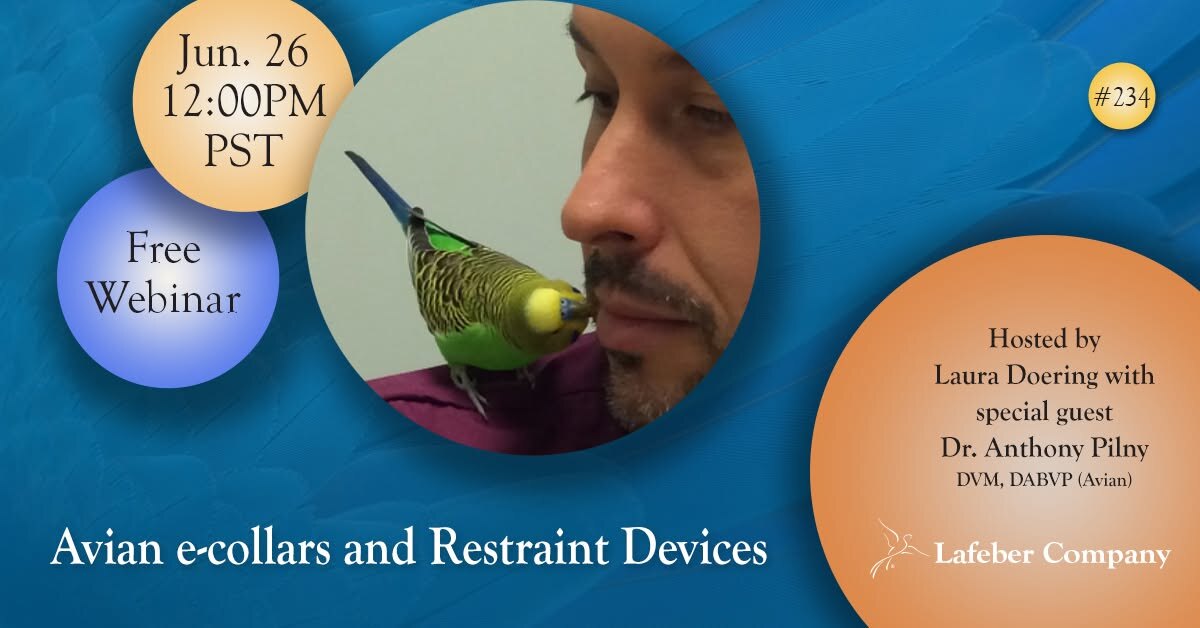
In an upcoming webinar scheduled for Friday, June 26, 2026, at 12:00 p.m. PDT, avian veterinarian Dr. Anthony A. Pilny will deliver a comprehensive presentation on the critical role of avian e-collars and restraint devices in the care and recovery of pet birds. The event, hosted by Lafeber Company, a prominent name in avian nutrition and veterinary education, aims to equip bird owners and veterinary professionals with essential knowledge regarding these specialized tools. Interested parties are encouraged to register in advance for the online session.
The webinar will delve into the multifaceted applications of avian e-collars and various restraint devices, highlighting their significance in preventing self-trauma, managing injuries, and safeguarding surgical sites during a bird’s healing process. Dr. Pilny, a Diplomate of the American Board of Veterinary Practitioners (DABVP) with extensive experience in avian medicine, is set to share practical insights and evidence-based approaches to ensure the comfort and safety of birds undergoing treatment.
Understanding the Need for Avian Protective Devices
Birds, known for their delicate nature and complex physiological responses, often require specialized interventions when facing health challenges. Self-inflicted trauma, whether due to feather plucking disorders, pain, or anxiety, is a significant concern in avian practice. Similarly, injuries sustained from accidents or surgical procedures necessitate measures to prevent further damage and promote healing. This is where avian e-collars and restraint devices become indispensable.
These devices serve as physical barriers, preventing birds from accessing and exacerbating wounds, surgical incisions, or areas of irritation. The traditional Elizabethan collar, often colloquially referred to as an "e-collar," has been adapted for avian patients, with designs tailored to the unique anatomy and behavioral patterns of different bird species. Beyond e-collars, a range of other restraint and protective devices exist, each with specific indications and applications.
Dr. Anthony Pilny: A Leading Voice in Avian Veterinary Care
Dr. Anthony A. Pilny brings a wealth of expertise to this specialized topic. His distinguished career in avian veterinary medicine has involved extensive clinical practice, research, and education. As a DABVP diplomate, he has met rigorous standards of knowledge and skill in avian practice, signifying a high level of commitment and proficiency. His contributions to the field are recognized through his involvement in professional organizations and his dedication to disseminating crucial information to the veterinary community and bird owners alike.
Lafeber Company, the organizer of this webinar, has a long-standing reputation for advancing avian health through its high-quality nutritional products and its commitment to continuing education for veterinarians and pet owners. Their webinars are typically designed to address pressing issues in avian care, drawing upon the expertise of leading professionals to provide accessible and actionable information.
Webinar Details and Registration
The webinar is scheduled for Friday, June 26, 2026, at 12:00 p.m. Pacific Daylight Time (PDT). Attendees are strongly advised to utilize a time zone converter, such as the one provided by timeanddate.com, to accurately determine the local start time in their respective regions. This proactive step ensures that participants do not miss the live presentation.
Registration for the webinar is required and can be completed via a dedicated link: Register Now. Early registration is recommended, as space may be limited, and it allows attendees to receive any pre-webinar materials or updates from the organizers.
The Spectrum of Avian Protective Devices
While the term "e-collar" is commonly used, the reality of avian protective devices encompasses a broader array of options. These can include:
1. Soft Collars and Ruff Collars:
These are often made from fabric or padded materials and are designed to be less intrusive than traditional hard plastic e-collars. They aim to restrict a bird’s ability to reach specific body parts without causing significant discomfort or obstruction of vision and feeding.
2. Body Bandages and Sleeves:
For injuries to the wings, legs, or body, specialized bandages or sleeves can be employed. These are carefully applied to immobilize the affected area, prevent licking or chewing, and provide support. The materials used are chosen for their breathability and to minimize irritation to the bird’s skin.
3. Wing Wraps and Slings:
These are specifically designed to support injured wings, preventing them from hanging or being used in a way that could re-injure the bird. They are crucial for fractures, dislocations, or severe sprains of the wing.
4. Feather-Plucking Collars and Bodysuits:
For birds suffering from psittacine beak and feather disease (PBFD) or other causes of severe feather loss and self-mutilation, specialized collars or full bodysuits can be a last resort to prevent further damage. These are often custom-fitted and require careful monitoring to ensure the bird can still perform essential behaviors like eating and drinking.
5. Elizabethan Collars (Modified for Birds):
While the classic cone-shaped e-collar is less common in birds due to potential vision obstruction and difficulty in preening, modified versions exist. These are typically made from lighter, more flexible materials and are shaped to provide a barrier without impeding the bird’s natural movements or sensory input excessively.
Practical Considerations for Application and Management
The effectiveness of any protective device hinges on its proper application and the bird’s adaptation to it. Dr. Pilny’s webinar is expected to cover several critical aspects:
- Species-Specific Needs: Different bird species have unique anatomical features and behavioral tendencies. A device suitable for a parrot may not be appropriate for a finch or a raptor. Understanding these differences is paramount.
- Fit and Comfort: An improperly fitted device can cause more harm than good, leading to pressure sores, restricted breathing, impaired vision, or an inability to eat and drink. Dr. Pilny will likely emphasize the importance of achieving a snug but not constricting fit.
- Monitoring: Birds wearing protective devices require close observation. Owners and caregivers must monitor for any signs of distress, injury from the device itself, or interference with essential bodily functions.
- Behavioral Adaptation: Birds may exhibit stress or anxiety when first fitted with a device. Strategies for gradual introduction and positive reinforcement can help birds adjust more readily.
- Duration of Use: The length of time a bird needs to wear a device is determined by the nature and severity of the injury or condition. Dr. Pilny will likely provide guidance on when and how to safely remove devices as healing progresses.
Supporting Data and the Impact of Self-Trauma
The prevalence of self-trauma in pet birds is a significant concern within avian veterinary medicine. While precise global statistics can be challenging to aggregate, studies and anecdotal evidence from veterinary clinics consistently highlight issues such as feather plucking, feather damaging behaviors, and skin lesions stemming from excessive preening or scratching. These behaviors can be triggered by a complex interplay of factors including:
- Environmental Stressors: Inadequate cage size, lack of stimulation, inappropriate perching, and poor hygiene can contribute to stress.
- Nutritional Deficiencies: Imbalances in diet, particularly deficiencies in essential vitamins and minerals, can affect feather health and skin integrity.
- Medical Conditions: Underlying diseases, infections, allergies, or hormonal imbalances can cause discomfort and lead to self-trauma.
- Psychological Factors: Boredom, anxiety, separation distress, and learned behaviors can also play a role.
The economic impact on veterinary care can be substantial, with extended treatment plans and specialized diagnostics often required. Furthermore, the emotional toll on owners witnessing their beloved pets suffer can be immense. Protective devices, when used judiciously, represent a crucial component of the therapeutic strategy to break the cycle of self-inflicted harm and allow for healing.
Broader Implications for Avian Welfare
The information presented in this webinar has far-reaching implications for the welfare of pet birds. By providing clear, expert guidance on the appropriate use of e-collars and restraint devices, Lafeber Company and Dr. Pilny are contributing to:
- Improved Patient Outcomes: Ensuring birds receive the correct protective measures can significantly speed up recovery, reduce the risk of secondary infections, and prevent permanent damage.
- Reduced Veterinary Costs: By enabling owners to better manage their birds’ recovery at home and prevent further injury, the need for repeated veterinary interventions may be reduced.
- Enhanced Owner Education: Empowering bird owners with knowledge about these tools fosters a more informed and proactive approach to avian healthcare.
- Advancement of Avian Medicine: Continuous education and sharing of best practices are vital for the ongoing development and refinement of avian veterinary techniques.
Anticipated Audience and Engagement
The webinar is expected to attract a diverse audience, including:
- Avian Veterinarians: To update their knowledge and learn about the latest advancements and best practices.
- Veterinary Technicians and Nurses: To gain practical skills in applying and managing these devices.
- Avian Enthusiasts and Pet Bird Owners: To better understand how to care for their birds during times of injury or illness.
- Avian Rescuers and Sanctuary Staff: To equip themselves with the necessary tools and knowledge to care for birds in their charge.
The interactive nature of webinars, often including a question-and-answer segment, allows participants to engage directly with the expert and address specific concerns. This direct line to professional expertise is invaluable for those involved in the daily care of birds.
Conclusion and Future Outlook
The upcoming webinar on avian e-collars and restraint devices, led by Dr. Anthony Pilny, promises to be an essential resource for anyone involved in the care of pet birds. As avian medicine continues to evolve, so too do the tools and techniques used to ensure the health and well-being of these fascinating creatures. By focusing on practical application, species-specific needs, and the comfort of the bird, this educational event aims to elevate the standard of care for avian patients facing challenging recovery periods. The commitment of organizations like Lafeber Company to providing such accessible, expert-led educational opportunities underscores their dedication to advancing avian welfare globally.
