

In the concluding segment of a comprehensive three-part webinar series, Dr. Stephanie Lamb is set to delve deeper into the complex subject of avian neoplasia, exploring a broader spectrum of tumor types that can impact the health and well-being of pet birds. This pivotal session, scheduled for Friday, June 12, 2026, at 12:00 p.m. PDT, promises to build upon the foundational knowledge established in previous installments, offering bird owners and veterinary professionals alike an enhanced understanding of this critical area of avian medicine.
The webinar, hosted by a prominent organization dedicated to avian health and education, aims to demystify the challenges associated with cancer in birds. By expanding the discussion beyond the previously covered skin, reproductive, and other organ systems, Dr. Lamb will illuminate additional anatomical regions susceptible to neoplastic growth. This final part is designed to provide a more holistic view of avian cancers, equipping attendees with the insights needed for more informed care and critical decision-making when faced with such diagnoses. The urgency and importance of this topic are underscored by the growing prevalence of pet birds as companions, making their specialized healthcare needs a significant focus for the veterinary community.
A Comprehensive Approach to Avian Neoplasia
The "Avian Neoplasia" webinar series, under the expert guidance of Dr. Stephanie Lamb, has been meticulously structured to provide a progressive learning experience. Part 1 likely laid the groundwork by introducing the fundamental principles of neoplasia in avian species, differentiating between benign and malignant growths, and discussing common diagnostic approaches. Part 2, as implied by the progression, would have expanded upon specific types of tumors, perhaps focusing on those affecting the integumentary system (skin) and the reproductive tract, which are known to be common sites for neoplastic development in various avian species. This third and final installment is positioned to consolidate this knowledge and introduce further complexities, ensuring a comprehensive overview.
Dr. Lamb, a recognized authority in avian pathology and oncology, brings a wealth of experience to this educational initiative. Her previous contributions to the field have been instrumental in advancing the understanding of diseases affecting companion birds. This webinar series represents a significant effort to translate complex scientific information into accessible knowledge for a wider audience, acknowledging that early detection and informed management are paramount in improving outcomes for affected birds.
Understanding the Scope: Beyond Common Sites
While the initial discussions likely touched upon common areas like skin tumors (papillomas, squamous cell carcinomas) and reproductive tract cancers (ovarian and testicular tumors, oviductal adenocarcinomas), Part 3 is anticipated to explore a wider array of affected systems. This could include:
- Respiratory System Neoplasia: Tumors affecting the trachea, lungs, air sacs, and syrinx can present unique diagnostic and therapeutic challenges. Examples might include adenocarcinomas, squamous cell carcinomas, and lymphomas affecting these delicate structures. The proximity of these organs to vital blood vessels and the bird’s unique respiratory anatomy necessitate specialized knowledge.
- Hepatic and Splenic Neoplasia: The liver and spleen are crucial organs with high metabolic activity, making them potential sites for various cancers, including hepatocellular carcinomas, hemangiosarcomas, and lymphomas. These can manifest with non-specific signs such as lethargy, weight loss, and abdominal distension.
- Renal and Urogenital System Neoplasia: Cancers of the kidneys and associated structures can impact fluid balance and waste elimination. Nephroblastomas and transitional cell carcinomas are among the possibilities that may be discussed.
- Nervous System Neoplasia: Tumors affecting the brain or peripheral nerves can lead to neurological signs, ranging from behavioral changes to paralysis. Gliomas and meningiomas are examples of such growths.
- Skeletal Neoplasia: While less common in pet birds compared to mammals, bone cancers such as osteosarcomas can occur and significantly impact mobility and quality of life.
- Lymphoid Neoplasia (Lymphoma): This systemic cancer can affect various organs and tissues, including the spleen, liver, kidneys, and hematopoietic system. Understanding its presentation and progression is crucial for effective management.
The complexity of avian anatomy, coupled with the often subtle signs of illness in birds, makes the diagnosis and treatment of neoplasia particularly challenging. This webinar aims to equip attendees with the knowledge to recognize a broader range of clinical presentations and to understand the diagnostic modalities available, from advanced imaging techniques like CT scans and ultrasounds to histopathology.
The Importance of Early Detection and Informed Care
Cancer diagnoses can be emotionally taxing for pet owners. However, as Dr. Lamb’s series emphasizes, a deeper understanding of avian neoplasia can empower owners to advocate for their birds and make informed decisions regarding diagnostic procedures and treatment options. Early detection significantly improves the prognosis for many types of cancer, allowing for timely intervention and potentially extending a bird’s life and improving its quality of life.
The webinar will likely provide insights into the importance of regular veterinary check-ups, the recognition of subtle clinical signs (such as changes in appetite, weight loss, altered droppings, or behavioral shifts), and the role of diagnostic tools in identifying neoplastic conditions. Furthermore, it will likely touch upon the various treatment modalities available, which may include surgery, chemotherapy, radiation therapy, and palliative care, tailored to the specific type and stage of cancer, as well as the bird’s overall health and species.
Background and Context: A Growing Need for Specialized Knowledge
The popularity of pet birds has seen a steady rise over the past few decades. Species such as budgerigars, cockatiels, parrots, and macaws are cherished companions, bringing joy and enrichment to millions of households worldwide. As avian medicine has advanced, so too has the understanding of diseases that affect these specialized pets. Neoplasia, a significant concern in human and veterinary medicine alike, is increasingly recognized as a prevalent issue in avian populations.
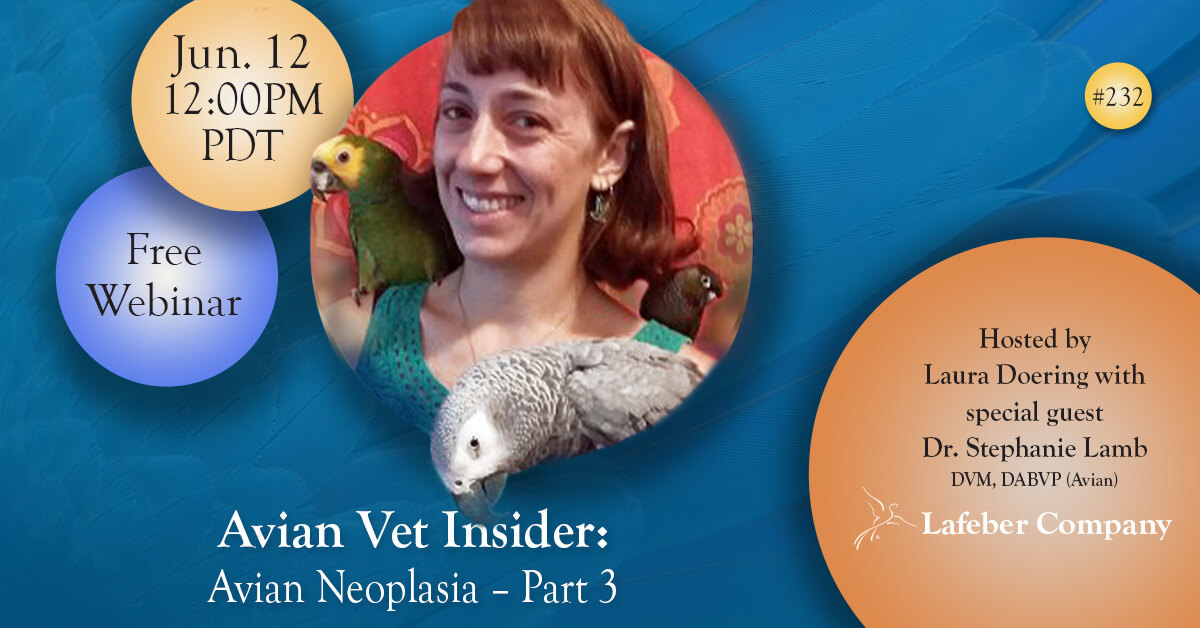
Organizations dedicated to avian health, such as the one hosting this webinar, play a crucial role in disseminating vital information to both the veterinary community and the public. These educational initiatives are critical for bridging knowledge gaps and promoting best practices in avian care. The timing of this webinar, scheduled for June 12, 2026, suggests a proactive approach to providing current and relevant information, anticipating the ongoing evolution of veterinary oncology.
The organizers have thoughtfully provided a time zone converter link, acknowledging the global reach of their educational efforts and the diverse geographical locations of potential attendees. This demonstrates a commitment to accessibility and inclusivity. The registration link, prominently displayed, indicates a structured approach to managing attendees and potentially providing post-webinar resources.
Expert Endorsements and Anticipated Reactions
While direct statements from related parties are not available in the initial announcement, the engagement of a respected expert like Dr. Stephanie Lamb strongly suggests the importance and anticipated value of this webinar. Veterinary professionals specializing in avian medicine would likely view this as an essential opportunity to enhance their diagnostic and therapeutic skills. Avian veterinarians routinely encounter complex cases, and a dedicated webinar focusing on the nuances of neoplasia across various organ systems would be highly beneficial for their continuing education.
Furthermore, experienced bird owners who are deeply invested in their pets’ health might also be eager to attend. These individuals often seek to understand their birds’ health conditions at a deeper level to provide the best possible care. The proactive approach of offering a third part in the series indicates a positive reception to the previous installments, likely driven by demand for more in-depth information on this challenging subject.
Data and Statistics: The Landscape of Avian Cancer
While specific statistics on the prevalence of all types of avian neoplasia are complex to consolidate due to variations in species, reporting methodologies, and geographical regions, general trends highlight its significance. For instance, reproductive tract tumors are often cited as being relatively common in older female birds, particularly budgerigars and cockatiels. Similarly, skin tumors, such as papillomas, can affect various species and are sometimes linked to viral infections or environmental factors.
Studies published in veterinary oncology journals have indicated that certain breeds or species may have a higher predisposition to specific types of cancer. For example, African Greys have been noted in some literature to have a higher incidence of certain neurological conditions that could potentially be neoplastic. Comprehensive data on liver, kidney, or lymphoid cancers in pet birds is still an evolving area of research, underscoring the importance of ongoing studies and educational webinars like the one being presented. The webinar’s focus on a broad spectrum of neoplasia suggests an effort to address the collective body of knowledge on these less frequently discussed, but equally critical, forms of cancer.
Implications for Avian Welfare and Veterinary Practice
The implications of this webinar extend beyond the immediate educational benefit for attendees. By fostering a greater understanding of avian neoplasia, the series contributes to:
- Improved Diagnostic Accuracy: With more informed practitioners and owners, the likelihood of early and accurate diagnosis increases, leading to better treatment outcomes.
- Enhanced Treatment Strategies: A deeper understanding of tumor types and their behaviors can lead to the development and refinement of more effective treatment plans, including surgical techniques, chemotherapeutic protocols, and supportive care.
- Elevated Quality of Life for Birds: Ultimately, the goal of addressing avian neoplasia is to improve the health and well-being of pet birds. Informed care, timely interventions, and appropriate management can significantly enhance the quality of life for birds diagnosed with cancer.
- Advancement of Avian Oncology: Continuous education and dissemination of knowledge contribute to the overall advancement of avian oncology as a specialized field within veterinary medicine. This can spur further research and innovation.
The final installment of Dr. Stephanie Lamb’s webinar series on Avian Neoplasia is poised to be a crucial resource for anyone involved in the care and health of pet birds. By offering an expanded view of the neoplastic landscape in avian species, this session aims to equip its audience with the knowledge necessary to navigate the complexities of cancer in birds, ultimately contributing to better prognoses and improved welfare for these beloved companions. The commitment to providing accessible, expert-led education underscores the growing importance of specialized veterinary knowledge in safeguarding the health of our diverse pet populations.
