

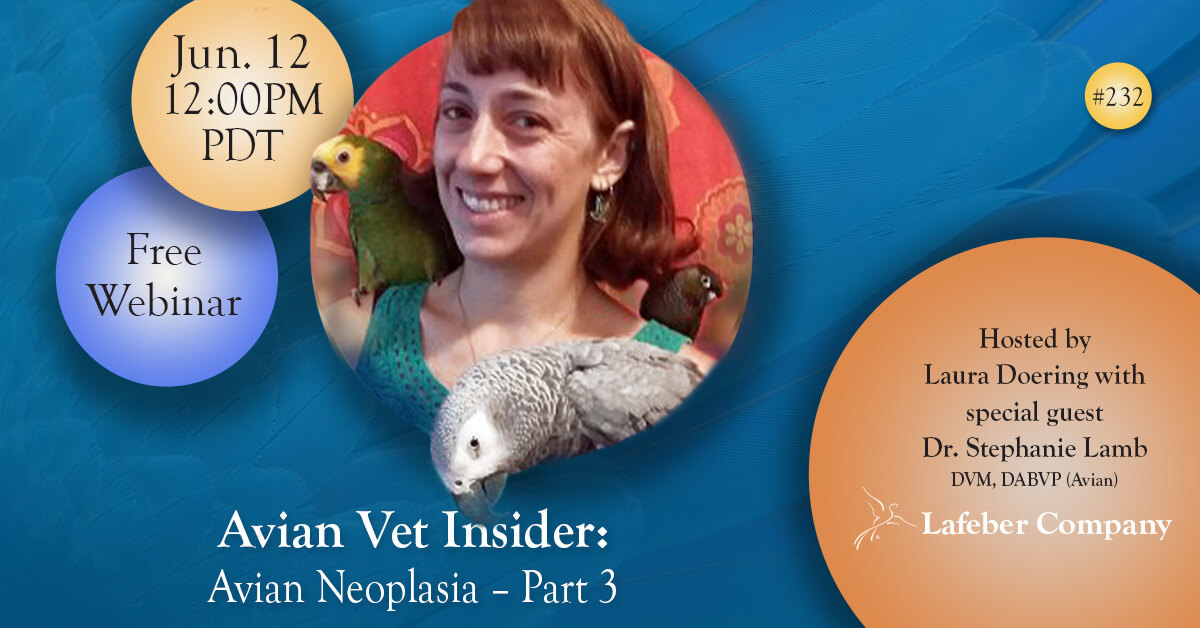
The avian veterinary community is set to convene for the concluding session of a significant three-part webinar series, focusing on the complex and often challenging subject of avian neoplasia. Scheduled for Friday, June 12, 2026, at 12:00 p.m. Pacific Daylight Time (PDT), "Avian Neoplasia, Part 3," will feature the expertise of Dr. Stephanie Lamb, a recognized authority in avian medicine. This final installment promises to expand upon the foundational knowledge established in previous sessions, offering a comprehensive overview of the diverse range of tumor types that can affect pet birds and exploring additional affected areas of the avian anatomy.
The webinar series, hosted by Lafeber Company, a prominent name in avian health education and resources, has been designed to equip veterinarians, avian specialists, and dedicated bird owners with advanced understanding and practical insights into avian cancers. The escalating prevalence of neoplasia in companion birds has underscored the critical need for such educational initiatives. Data from veterinary oncology studies indicate a growing concern regarding the incidence of tumors in a variety of pet bird species, highlighting the importance of ongoing research and dissemination of knowledge.
A Deep Dive into Avian Neoplasia: Expanding the Scope
Building upon the discussions from "Part 1" and "Part 2" of the series, which likely delved into the foundational aspects of avian neoplasia and explored common manifestations in specific organ systems such as the skin and reproductive tract, "Part 3" is poised to offer a broader perspective. Dr. Lamb is expected to address neoplastic conditions affecting other vital systems and anatomical regions within birds. This could encompass internal organs, the respiratory system, the skeletal system, and potentially neurological or ophthalmological tumors, among others.
The progression of the series suggests a structured approach to demystifying avian cancers. Early sessions likely established the biological underpinnings of neoplasia in birds, differentiating them from mammalian cancers where applicable, and outlining diagnostic strategies. This final part is anticipated to synthesize this knowledge by presenting a more extensive catalog of neoplastic diseases, their varied clinical presentations, and the diagnostic challenges they pose. Understanding the full spectrum of these conditions is crucial for timely and accurate diagnosis, which directly impacts treatment planning and prognosis.
Context and Chronology of the Webinar Series
The decision to launch a multi-part webinar series on avian neoplasia reflects a strategic response to evolving trends in companion bird care and veterinary medicine. Over the past two decades, advancements in diagnostic imaging, pathology, and supportive care have significantly improved the ability to identify and manage complex avian diseases, including cancer. Simultaneously, the increasing humanization of pet birds has led to owners seeking more sophisticated veterinary care, demanding a deeper understanding of conditions that were once considered rare or untreatable.
Lafeber Company, with its long-standing commitment to avian health through publications like the "Avian Formulations" newsletter and its comprehensive online resources, has consistently aimed to bridge the gap between scientific discovery and practical application for bird owners and veterinary professionals. The scheduling of this webinar series in 2026 indicates a forward-looking approach, anticipating continued developments and the ongoing need for education.
The first installment of the series, likely held several weeks prior to the final session, would have set the stage by introducing the fundamental concepts of avian neoplasia. This would have included definitions, general etiologies (though often multifactorial and not fully understood), and the importance of recognizing subtle signs of illness in birds, who are prey animals and tend to mask symptoms.
"Avian Neoplasia, Part 2," would have then likely focused on specific, commonly encountered types of tumors, perhaps concentrating on those affecting external or easily accessible areas, or systems with higher reported incidences, such as the reproductive tract (e.g., ovarian or testicular tumors) and skin tumors (e.g., papillomas, squamous cell carcinomas). This would have provided practical examples and diagnostic pathways for these prevalent conditions.
The culmination with "Part 3" on June 12, 2026, is strategically designed to provide a comprehensive, holistic view, ensuring that attendees have been exposed to the breadth of potential neoplastic challenges in avian patients.
The Significance of Understanding Avian Neoplasia
The diagnosis of cancer in a beloved pet bird can be an emotionally devastating experience for owners. However, as Dr. Lamb’s webinar series aims to demonstrate, a thorough understanding of avian neoplasia can empower owners and veterinarians to navigate these challenging situations with greater confidence and effectiveness.
Supporting Data and Trends: While specific, publicly available epidemiological data on avian neoplasia can be fragmented due to variations in reporting and diagnostic capabilities across different regions and veterinary practices, anecdotal evidence and case series from avian veterinary hospitals consistently point to an increasing recognition of tumors. Factors contributing to this trend may include:
- Increased Lifespan: As avian husbandry and veterinary care improve, pet birds are living longer lives. Cancer, like in humans and other animals, is often a disease of aging, making older birds more susceptible.
- Improved Diagnostics: Advances in veterinary imaging (radiography, ultrasound, CT scans), biopsy techniques, and histopathology allow for more precise identification and classification of tumors.
- Genetic Predisposition: Certain species or even breeds may have genetic predispositions to specific types of cancers, a phenomenon being increasingly studied in avian populations.
- Environmental Factors and Diet: While research is ongoing, potential links between environmental contaminants, viral infections (e.g., papillomaviruses), and dietary factors are being explored as contributors to neoplastic development.
The implications of understanding avian neoplasia are multifaceted:
- Early Detection: Familiarity with the signs and symptoms of various tumors can lead to earlier veterinary intervention, often resulting in better prognoses.
- Informed Decision-Making: A deeper understanding of the nature of the tumor, its potential spread, and treatment options allows owners to make more informed decisions regarding their bird’s care, quality of life, and potential therapeutic interventions.
- Advanced Treatment Modalities: The webinar series likely touches upon the evolving landscape of avian cancer treatment, which may include surgical resection, chemotherapy, radiation therapy (in specialized centers), and immunotherapy, though options are often species- and tumor-dependent.
- Preventative Care: While direct prevention of cancer is challenging, understanding risk factors can inform husbandry practices, dietary recommendations, and regular health screenings.
Expert Insights from Dr. Stephanie Lamb
Dr. Stephanie Lamb is a highly respected figure in avian medicine, and her leadership in this webinar series underscores its importance. While specific details of her professional background are not provided in the initial announcement, her expertise is critical for dissecting the complexities of avian neoplasia. Her ability to translate complex scientific information into accessible language for a diverse audience is invaluable.
The decision to hold this webinar in a digital format further enhances its accessibility. The use of platforms like Zoom, which allows for live Q&A sessions, fosters direct interaction between the presenter and attendees, enabling participants to address specific concerns and gain clarification on intricate points. The provision of a time zone converter is a thoughtful inclusion, acknowledging the global reach of avian enthusiasts and veterinary professionals who may wish to attend.
Registration and Participation
For those interested in participating in "Avian Neoplasia, Part 3," registration is required. The provided link, "Register Now," directs attendees to a Zoom webinar registration page. This process ensures that participants receive necessary login credentials and any pre-webinar materials. The clear call to action is essential for driving engagement with this important educational event.
The inclusion of an image featuring Dr. Lamb, along with the webinar title and date, serves as a visual anchor, reinforcing the identity and focus of the event. The use of high-quality imagery and clear, concise text is characteristic of professional communication within scientific and educational spheres.
Broader Impact and Future Outlook
The continuation of educational initiatives like this webinar series by organizations such as Lafeber Company is vital for advancing avian welfare. As the field of avian medicine continues to grow and specialize, the need for ongoing education for both veterinarians and the public becomes paramount.
The implications of this webinar series extend beyond the immediate participants. The knowledge disseminated can lead to improved diagnostic rates, more effective treatment protocols, and ultimately, enhanced quality of life for countless pet birds suffering from neoplastic diseases. It also contributes to the growing body of scientific literature and clinical experience in avian oncology, paving the way for future research and breakthroughs.
As the avian pet population continues to thrive, the proactive approach to educating stakeholders about complex health challenges like neoplasia is a testament to the dedication of the avian veterinary community and organizations committed to avian health. "Avian Neoplasia, Part 3," represents a crucial step in empowering individuals with the knowledge necessary to confront this significant health concern, fostering better outcomes for our feathered companions. The anticipation for this concluding session is palpable, promising a wealth of information that will undoubtedly benefit the broader avian community.
