

Backyard bird feeding stands as one of Australia’s most cherished and widespread domestic pastimes, with empirical research indicating that approximately half of all households engage in the practice, many on a daily basis. For millions of Australians, placing seeds, grains, or meat scraps on balconies and in gardens offers a cherished connection to local wildlife. However, public health officials, virologists, and conservationists are increasingly warning that these well-intentioned acts of kindness may inadvertently facilitate the spread of the highly pathogenic H5N1 avian influenza virus. As the deadly pathogen migrates across the continent, environmental scientists caution that suburban feeding stations could transform into biological hotspots, risking mass mortality events among native bird populations, domestic scavengers, and potentially vulnerable human populations.
The emergence of H5N1 in Australia marks a critical turning point in the nation’s biosecurity history. For decades, Australia remained isolated from the devastating strains of avian influenza that have periodically decimated poultry industries and wild ecosystems across Europe, Asia, and the Americas. That geographic isolation has dissolved. The arrival of the virus has been marked by sudden, catastrophic mortality events in coastal and inland regions. Most notably, recent weeks have seen the deaths of more than 1,000 crested terns in isolated wildlife clusters, alongside the grim milestone of the first confirmed H5N1-related death in a mainland Australian mammal: a long-nosed fur seal found deceased on the coast. These incidents underscore the rapidly expanding host range of the virus, shifting the crisis from an isolated agricultural concern to a sweeping ecological emergency affecting marine mammals, terrestrial scavengers, and avian biodiversity.
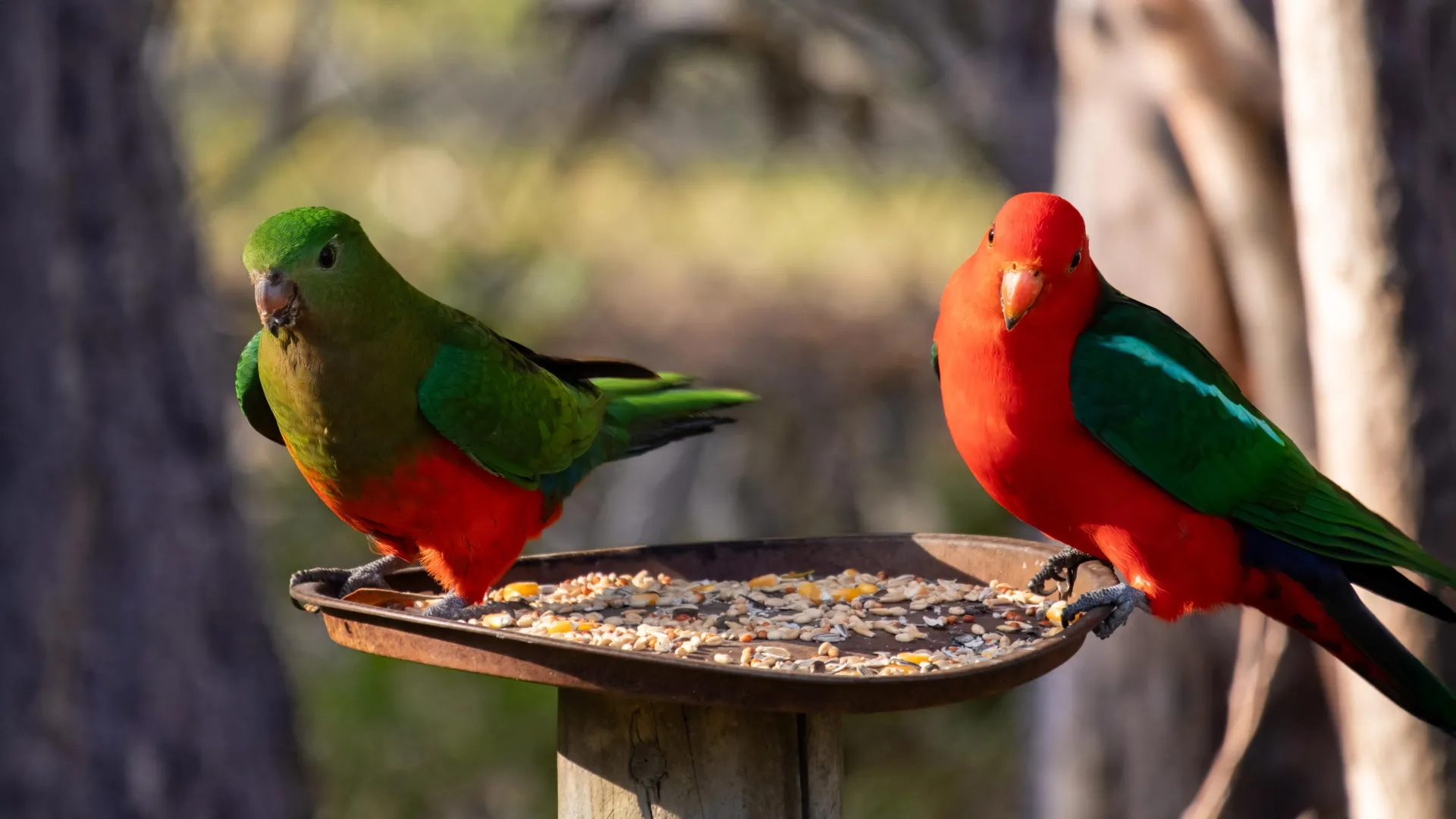
To understand the mechanics of this unfolding crisis, experts examine the unnatural ecological pressures created by supplemental feeding. In a natural environment, native birds disperse widely across forests, wetlands, and urban parks in search of naturally occurring sustenance such as insects, nectar, seeds, and worms. When humans introduce concentrated food sources into suburban backyards, it forces an artificial aggregation of multiple species that would rarely congregate in such high densities under natural conditions.
This unnatural proximity creates an ideal environment for pathogen transmission. If a single migratory or resident bird carries the H5N1 virus, sharing a crowded feeding tray or contaminated water bath allows the pathogen to spread rapidly among a high volume of susceptible hosts. Consequently, backyards risk functioning as localized superspreader events. The implications are particularly alarming for endangered and vulnerable endemic species, such as the orange-bellied parrot, whose already precarious population numbers could be pushed past the brink of extinction by a localized disease outbreak.
The threat profile of H5N1 extends far beyond avian species. Mammalian scavengers—including red foxes, feral cats, urban possums, and corvids such as crows and ravens—frequently patrol backyard feeding areas to scavenge leftover food or prey upon weakened birds. When these scavengers consume infected carcasses or share contaminated ground, they become vulnerable to the pathogen. The transmission of H5N1 to marine mammals, as evidenced by the recent fur seal mortality, demonstrates the virus’s capacity to cross species barriers with devastating efficiency.
While human infections with the H5N1 virus remain exceedingly rare and typically manifest with mild respiratory or conjunctival symptoms, public health agencies emphasize that occupational and domestic risks cannot be dismissed entirely. Wildlife caretakers, veterinary professionals, and enthusiastic amateur naturalists who handle sick or dead wildlife face elevated exposure risks. Consequently, health authorities strongly advise against physical contact with distressed animals, urging citizens to rely on professional rescue networks equipped with appropriate personal protective equipment.
In response to the escalating crisis, agricultural departments and conservation councils have issued stringent guidelines for the public. The consensus among wildlife biologists is clear: the single most effective measure to mitigate backyard disease transmission is to cease feeding wild birds entirely. Long-term studies on avian nutritional ecology demonstrate that the vast majority of birds visiting backyard feeders derive the vast majority of their daily caloric intake from natural foraging. Supplemental food acts primarily as a high-calorie snack rather than an essential nutritional lifeline. Therefore, withdrawing these supplementary food sources will not starve local bird populations; instead, it will encourage them to disperse naturally across broader territories, thereby enforcing social distancing among wildlife and suppressing transmission rates.
For households unwilling or unable to stop feeding entirely, experts outline a framework of strict biosecurity protocols designed to minimize infection risks. First, residents must drastically reduce the volume of food provided. Overflowing feeders attract larger, denser flocks; limiting food availability naturally curtails the congregation of multiple species at a single site. Second, all forms of hand-feeding must cease immediately. While hand-feeding offers an intimate wildlife experience, the physical contact involved creates an unnecessary vector for potential zoonotic transmission. Finally, rigorous sanitation is non-negotiable. Feeding surfaces, trays, and water baths must be scrubbed and disinfected regularly using standard domestic bleach solutions. Biosecurity experts stress that individuals unprepared to maintain rigorous daily sanitation protocols should refrain from providing food to wildlife altogether.
The intersection of human affection for wildlife and the harsh realities of viral epidemiology highlights a delicate balancing act for Australian communities. While curtailing backyard feeding may lead to fewer avian visitors at suburban windowsills, these temporary inconveniences are vital to shielding both native fauna and human populations from a catastrophic epidemiological event. By understanding the vectors of H5N1 and adopting proactive biosecurity measures, the public can play a constructive role in curbing the spread of a disease that threatens the foundational biodiversity of the Australian continent.
Authorities urge anyone who encounters visibly sick, distressed, or deceased wild birds or marine mammals to maintain a safe distance, keep domestic pets securely confined, document the location with photographs, and immediately report the sighting to the Emergency Animal Disease Hotline. Through collective vigilance and adherence to expert guidance, communities can mitigate the impact of the H5N1 crisis and safeguard the future of Australia’s unique wildlife heritage.
