
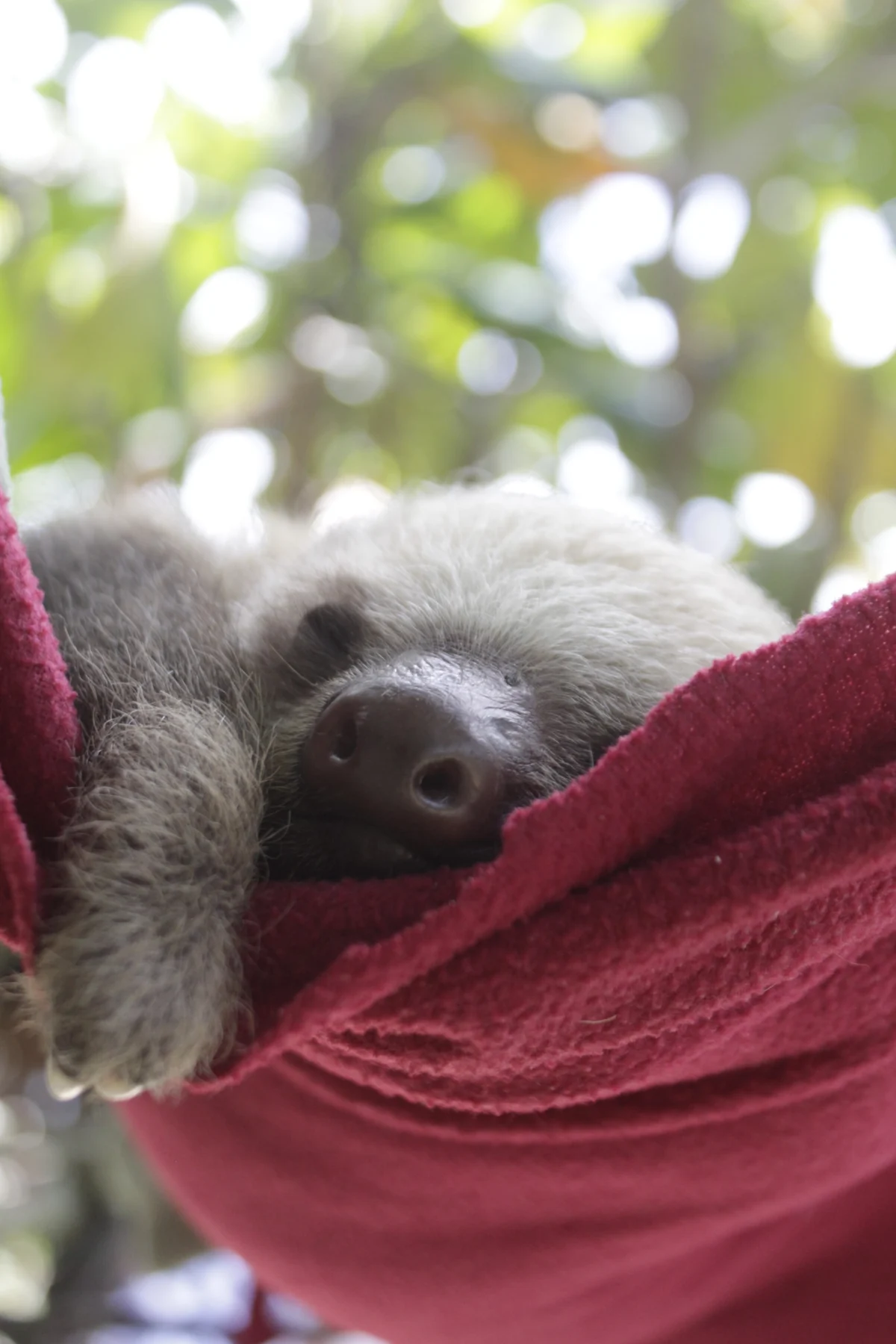
The mechanics of online wildlife fundraising are frequently perceived by the public as a straightforward transaction: an injured animal is discovered, a digital campaign is launched, donations are collected, and the patient successfully receives medical intervention. However, this simplified view overlooks the complex, multidisciplinary operational framework required to sustain modern wildlife rescue organizations. At facilities like the Toucan Rescue Ranch in Costa Rica, digital fundraising is not merely a mechanism for gathering financial resources; it is the culmination of rigorous veterinary science, intensive animal husbandry, coordinated communications, and long-term community engagement. An analysis of the internal workflows of wildlife conservation marketing reveals that every published campaign represents a fraction of a much larger, systemic effort dedicated to ecological preservation and animal rehabilitation.
The Clinical Genesis of a Campaign
Contrary to common assumptions in digital media, a fundraising campaign does not originate within a marketing department. The lifecycle of a rescue narrative invariably begins inside the veterinary clinic, where clinical stabilization takes precedence over digital outreach. When a wild animal arrives at a sanctuary—frequently suffering from the consequences of anthropogenic pressures such as vehicular collisions, domestic animal attacks, electrocutions, or severe habitat fragmentation—the immediate priority is acute medical evaluation.
Veterinarians and veterinary technicians must perform rapid diagnostic assessments, administer emergency stabilization, and formulate comprehensive, long-term prognoses. During this critical initial phase, communications personnel are deliberately excluded from the immediate treatment area to prevent interference with critical care. Marketing initiatives remain on hold until the patient’s condition has stabilized sufficiently to establish an accurate medical trajectory.
Once the clinical baseline is secured, an intensive cross-departmental collaboration commences. Marketing interns and coordinators meet directly with veterinary staff to translate complex medical diagnoses, surgical interventions, and recovery projections into accessible, medically accurate narratives. This translation process is delicate: it requires a strict adherence to scientific truth while ensuring that the public can comprehend the severity of the animal’s condition and the specific resources required for its rehabilitation. Consequently, a successful campaign relies entirely on the seamless integration of distinct operational units—without the veterinary team, there is no clinical story; without the animal caregivers, there are no daily progress metrics; and without the marketing division, the plight of the animal remains isolated from the global community of supporters.
Navigating the Ethics of Conservation Storytelling
A central challenge within wildlife marketing is maintaining an ethical balance between urgency and empathy. The public perception of wildlife rescue is frequently shaped by graphic imagery or sensationalized appeals; however, professional conservation organizations operate under strict ethical guidelines regarding transparency and responsibility.
When an animal is admitted to a sanctuary, its condition often reflects the harsh realities of human-wildlife conflict. Animals arriving with severe trauma require careful presentation. Hiding the true nature of these injuries undermines the educational mandate of conservation groups, yet overemphasizing tragedy risks desensitizing the audience or inducing compassion fatigue. The objective of professional wildlife communication is not to employ shock value to drive donations, but rather to articulate the causal factors behind an injury, explain the prescribed veterinary response, and demonstrate the tangible efficacy of donor support.
This communication strategy extends into the realm of public education. Organizations increasingly recognize that fundraising narratives must incorporate broader ecological contexts, such as the impacts of deforestation, illegal pet trade, and infrastructural hazards. By framing an individual animal’s recovery within these systemic challenges, marketing teams transform localized rescue stories into catalysts for broader environmental awareness.
The Long-Term Chronology of Rehabilitation and Campaign Evolution
A widespread misconception among digital donors is that publishing a fundraising campaign marks the culmination of the effort. In institutional practice, publication represents merely the initial phase of an extended, multi-month operational timeline.
Wildlife rehabilitation is rarely linear. Patients such as Nanuq, an orphaned two-toed sloth whose extended rehabilitation at Toucan Rescue Ranch served as a prominent case study, illustrate the prolonged nature of wildlife recovery. Following initial clinical stabilization, sloths and other native fauna often require months of specialized care, nutritional monitoring, behavioral assessments, and eventual pre-release conditioning.
Throughout this timeline, the communication cycle evolves continuously. As patients reach developmental milestones—such as transitioning to independent feeding, healing fractures, or achieving target weight gains—marketing channels provide ongoing updates. This sustained reporting structure ensures transparency, validating the initial financial contribution by demonstrating its direct application across the entire arc of recovery. Conversely, when healing is complicated by setbacks or negative prognoses, ethical transparency dictates that supporters are informed, reinforcing trust between the institution and its donor base.
Economic Realities and the Tangible Impact of Contributions
To the average digital donor, financial contributions can frequently feel abstract—a numeric transaction executed through an online payment gateway. Interns and operational analysts within rescue facilities frequently note that the true nature of a donation only becomes apparent upon observing the daily logistical expenditures required to maintain a sanctuary.
Financial contributions do not simply fund a generalized operational pool; they directly subsidize measurable, daily survival requirements. These include:
- Fresh, specialized produce tailored to the precise nutritional needs of arboreal and terrestrial species.
- Pharmaceutical supplies, surgical equipment, and diagnostic laboratory testing.
- Behavioral enrichment items designed to stimulate natural foraging and defensive instincts in rehabilitation candidates.
- Facility maintenance, specialized enclosures, and climate-control infrastructure for vulnerable or recovering patients.
By contextualizing financial inputs into these specific operational components, organizations demystify the donation process. Supporters are able to visualize how micro-transactions aggregate to cover the cost of daily medical regimes, specialized diets, and specialized veterinary hardware, thereby establishing a direct causal link between philanthropy and animal survival.
Institutional Integration and the Broader Implications of Wildlife Philanthropy
The operational framework of modern rescue ranches underscores that institutional success is predicated on a synchronized ecosystem of diverse specialties. The administrative, veterinary, animal husbandry, educational, and marketing divisions operate interdependently.
When an online platform displays a "Donate Now" prompt, the button represents the intersection of extensive institutional labor. Behind that single digital interface lies the veterinarian meticulously examining diagnostic radiographs, the animal caregiver preparing specialized morning diets, the educational outreach team conducting community workshops to mitigate future human-wildlife conflicts, the communications staff analyzing engagement metrics for the latest recovery update, and the global network of donors providing the fiscal foundation for the entire operation.
Ultimately, the evolution of digital fundraising in wildlife conservation reflects a shift from transactional charity to relational partnership. By demystifying the internal processes of rescue organizations, institutions foster a deeper, more resilient foundation of trust with the public, proving that the preservation of native biodiversity is a collective responsibility transcending geographical boundaries.
