
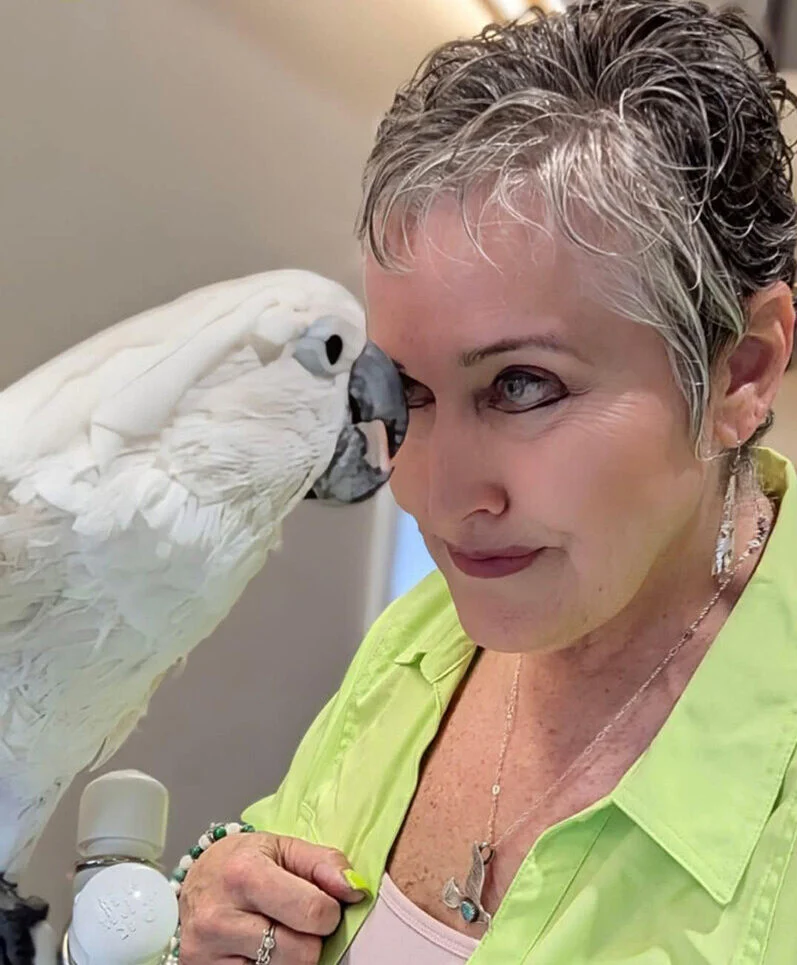
The profound bond between humans and animals has long been a subject of clinical interest, but rarely does that relationship manifest with the narrative arc found in the life of Boo, an umbrella cockatoo whose journey from a background of systemic abuse to national recognition as a therapy animal has captured the attention of the animal welfare community. In a historic milestone for avian-assisted therapy, Boo has been named the 2026 Pet Partners Pet of the Year, marking the first time in the history of the organization that a bird has received this prestigious honor. This recognition serves as both a testament to Boo’s individual resilience following a decade of blindness and a broader commentary on the expanding role of non-traditional therapy animals in modern healthcare.
A History of Trauma and Recovery
Boo’s life story is characterized by a dramatic transition from neglect to dedicated advocacy. Rescued from a home environment defined by abuse and profound neglect, the cockatoo faced significant physiological challenges early in life, most notably the loss of his eyesight. For ten years, Boo lived in a world of darkness, a condition that would typically limit an animal’s ability to interact with the world, let alone serve as a therapeutic partner.
The turning point in his life occurred when his owner, Amy Hurst, facilitated a series of complex, groundbreaking surgical procedures intended to restore the bird’s vision. The success of these surgeries not only returned sight to the then-aging bird but also fundamentally altered his temperament and capacity for engagement. Following his recovery, Boo transitioned into a role as a registered Pet Partners animal, utilizing his unique history to bridge the gap between human struggles and animal companionship. At 41 years old, Boo represents a demographic of avian companions that are often overlooked in clinical settings, proving that maturity and experience are significant assets in therapeutic environments.
The Role of Pet Partners and the Evolution of Therapy Animals
Pet Partners, a nonprofit organization headquartered in Bellevue, Washington, has spent decades formalizing the standards for animal-assisted interventions. Unlike general emotional support animals, which often serve a singular owner, registered therapy animals undergo rigorous training and evaluation to ensure they are equipped to handle the psychological and physical demands of clinical, educational, and recovery environments.
The organization currently manages a vast network of volunteer teams, comprising a wide array of species beyond the traditional canine and feline counterparts. By registering birds, horses, rabbits, and other species, Pet Partners has widened the scope of therapy to include individuals who may not respond to, or may have allergies to, more conventional animals. The success of this model is evidenced by the scale of the organization’s outreach; thousands of individuals across the United States currently benefit from the companionship provided by these registered teams.
Chronology of Achievement and Fundraising Success
The recognition of Boo as the 2026 Pet of the Year is not merely a symbolic gesture; it is tied to an unprecedented fundraising cycle for the organization. The competition, which highlights animals that provide exceptional support to their communities, became a focal point for public engagement this year.
- 2016–2025: Boo receives dedicated long-term care from Amy Hurst, focusing on rehabilitation and the management of his visual impairment.
- 2025: Following successful surgical intervention and a period of physical therapy, Boo is officially evaluated and registered by Pet Partners.
- 2026: Boo begins active service, working with populations on the autism spectrum, stroke survivors, and youth outreach programs.
- Mid-2026: The annual Pet Partners fundraising campaign concludes, raising a total of $158,275. Boo’s campaign is noted as a primary driver for this record-breaking financial success, highlighting the public’s growing affinity for avian therapy models.
This $158,275 represents a significant investment in the infrastructure of animal-assisted therapy, ensuring that the organization can continue to screen, train, and deploy teams to facilities in need of mental health and physical rehabilitation support.

Analysis of Avian-Assisted Therapy
The inclusion of an umbrella cockatoo in high-level therapy programs offers a unique opportunity to analyze the efficacy of avian interaction. Research in the field of anthrozoology suggests that birds, particularly parrots, offer distinct advantages in therapeutic settings. Their intelligence, capacity for complex social interaction, and long lifespans allow for deep, sustained bonds with their handlers and the individuals they visit.
For patients with autism spectrum disorders, the sensory stimulation provided by the texture of feathers and the focused, rhythmic vocalizations of a bird can offer a unique form of grounding. In stroke recovery programs, the physical act of interacting with a bird—encouraging movement and focus—complements traditional occupational therapy. Boo’s own history of disability acts as an unspoken point of empathy; his presence serves as a visual metaphor for recovery and perseverance, which resonates deeply with those undergoing their own rehabilitation processes.
Broader Implications for Healthcare and Mental Wellness
Approximately 18% of pet owners in the United States report that their animals are essential to their emotional health, according to recent data from human-animal bond researchers. As the demand for non-pharmaceutical interventions for anxiety, depression, and social isolation continues to rise, the role of therapy animals is shifting from a "nice-to-have" amenity to an integral part of holistic care plans.
The success of Boo as a therapy animal challenges the traditional preference for dogs in therapy settings. By demonstrating that an older, formerly disabled bird can provide high-level support, Pet Partners is effectively diversifying the toolkit available to healthcare providers. The implications of this are significant:
- Accessibility: Facilities that may be restricted by the presence of dander-heavy animals can often accommodate avian partners, provided proper handling protocols are followed.
- Engagement: The novelty of interacting with a cockatoo often lowers the barrier to entry for individuals who are apprehensive about traditional therapy sessions.
- Longevity of Care: The long lifespan of cockatoos means that these therapy bonds can be maintained over many years, providing the consistency that is often missing in the lives of vulnerable populations.
Official Perspectives and Future Outlook
While specific statements from the leadership at Pet Partners emphasize the competitive nature of the Pet of the Year award, the underlying message is one of gratitude toward the volunteers who make these programs possible. The fundraising success associated with Boo’s win indicates that the public is increasingly invested in the health and well-being of the animals that serve them.
Amy Hurst, Boo’s owner, has consistently highlighted the reciprocity of their relationship. While Boo provides support to the community, his recovery and success have been predicated on the environment of care Hurst has cultivated. This symbiotic relationship—where the owner cares for the animal, and the animal cares for the community—is the cornerstone of the Pet Partners mission.
As the organization looks toward the remainder of 2026 and into 2027, the focus remains on scaling the impact of their registered teams. The integration of avian therapy into more mainstream clinical settings is likely to continue, provided the current standards of welfare and training remain as rigorous as those demonstrated by the team of Hurst and Boo.
In conclusion, the story of Boo is more than a heartwarming narrative of a rescued bird; it is a case study in the power of the human-animal bond. By overcoming his own physical limitations and transitioning into a role of public service, Boo has set a new standard for what it means to be a "therapy animal." As awareness of the benefits of such programs grows, it is highly probable that the path blazed by Boo will encourage more handlers to consider the unique therapeutic potential of avian companions, ultimately widening the scope of support available to those in need.
